

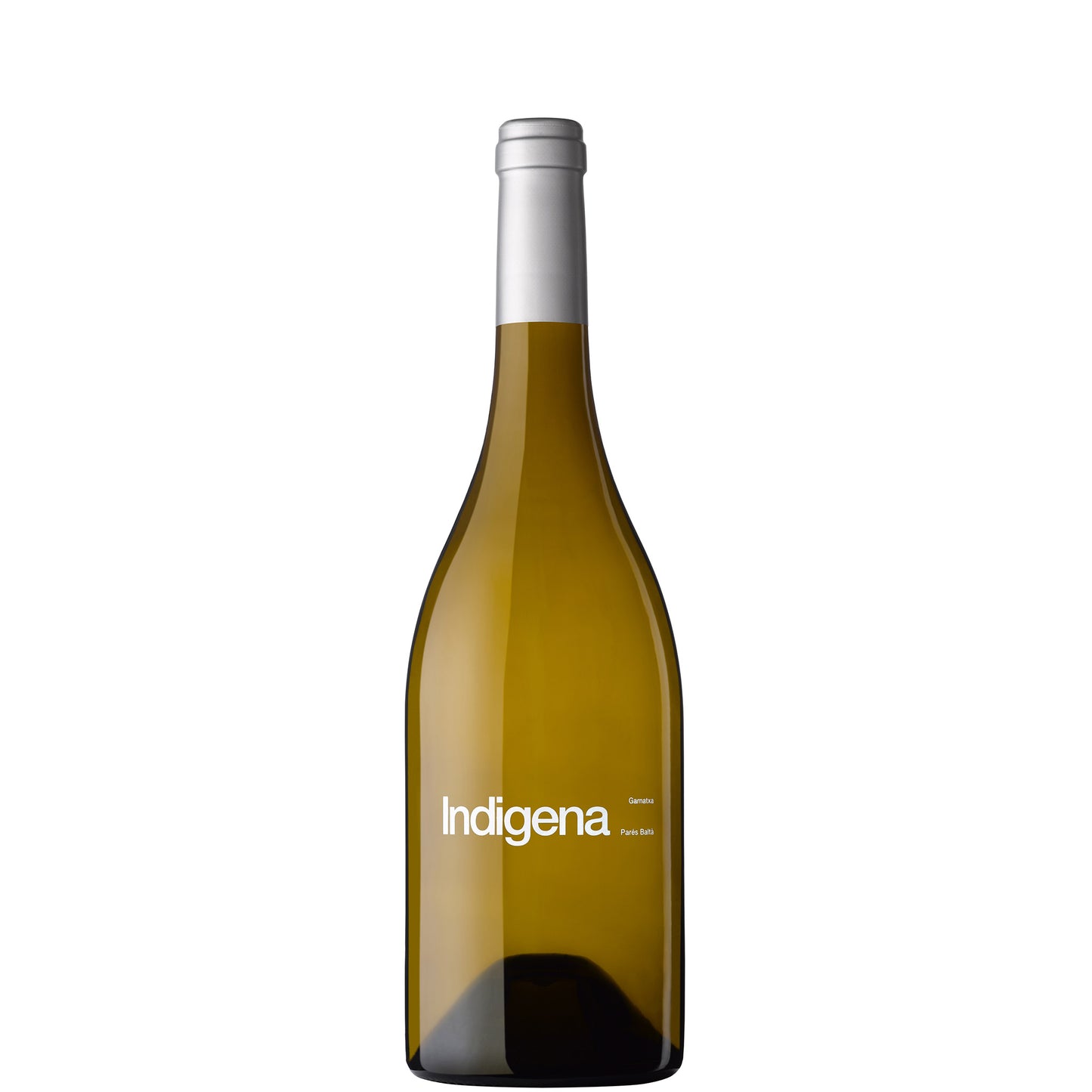
Parés Baltà, Indigena Garnatxa Blanca, 2024
Parés Baltà, Indigena Garnatxa Blanca, 2024
- 75cl
- 12.5%
- White Still
- Garnatxa Blanca
- Organic
- Biodynamic
- Vegetarian
- Vegan
Couldn't load pickup availability

Optimal drinking window: 2026 - 2029
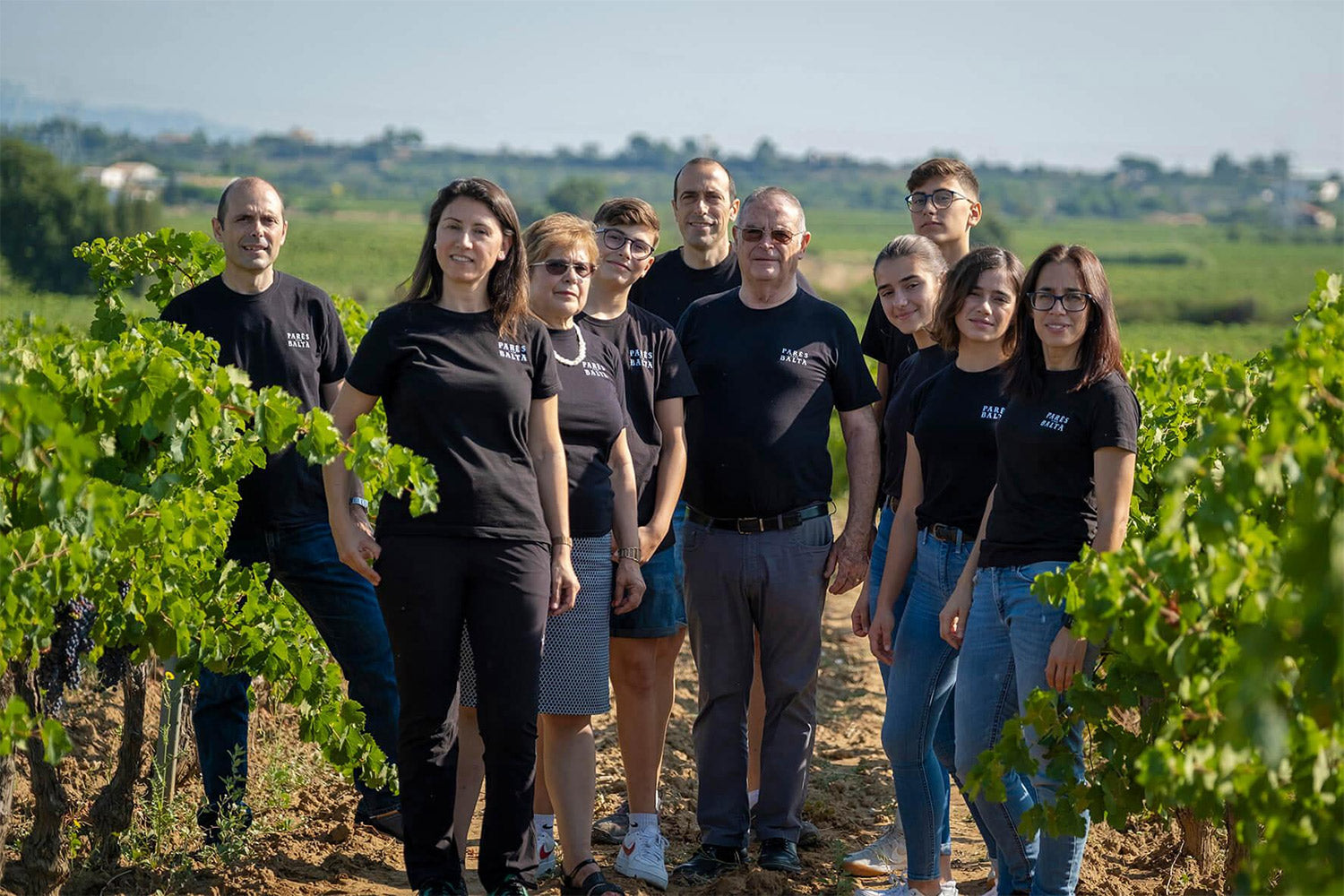
Parés Baltà is one of Penedès's most forward-thinking organic estates, and Indigena is their love letter to Catalonia's indigenous grapes. Garnatxa Blanca (that's Grenache Blanc in French) is a variety that can go either way: flabby and overblown in the wrong hands, or broad, textured, and genuinely characterful when the yields are kept honest and the soils have something to say. This sits firmly in the latter camp.
The 2024 is an aromatic, medium-bodied white with the variety's signature richness cut through by a saline, almost stony freshness. Peach, dried apricot, and a lick of beeswax give way to a palate with real presence and that characteristic bitter almond snap on the finish.
This is a wine built for the near term rather than the long haul. Right now in 2026, the primary fruit is vivid and the saline freshness is at its most appealing. Over the next year or two, the fruit will soften slightly and the waxy, textural qualities of the Garnatxa Blanca will come more to the fore, which can be very pleasurable. By 2028 or 2029 it will likely start to lose that freshness that makes it so engaging, and the acidity that holds everything together will begin to flag. Drink it while it's alive.
Tasting Notes
AppearancePale gold with a faint greenish rim and good clarity.
NoseRipe white peach and dried apricot lead, with a waxy, honeyed quality underneath. There's a subtle stony, almost saline lift that keeps it from feeling heavy, and a thread of white blossom running through.
PalateBroad and textured with real presence, the fruit richness of the variety very much in evidence but balanced by a crisp, mineral freshness. The mid-palate has weight without heaviness, and there's enough acidity to keep things moving.
FinishClean and medium-long, with a satisfying bitter almond snap that is very much Garnatxa Blanca's calling card.
Overall impressionA textured, honest white that makes a strong case for taking Catalan native varieties seriously.
Food Pairings
In Catalonia, this style of white would be a natural match for suquet de peix, the coastal fisherman's stew of potatoes, saffron, and whatever came off the boat that morning. The richness of the wine holds its own against a romesco sauce, making it excellent with grilled calcots or salt-cod dishes like esqueixada. Locals would also pour it alongside fideuà, the noodle-based cousin of paella cooked in seafood stock, where the saline edge of the wine mirrors the dish. A plate of local charcuterie, particularly fuet or botifarra, would be equally at home.
We think this wine would go well with
Serve at around 10-12°C — cold enough to be refreshing but not so cold that you lose the texture. No need to decant, but do give it 15 minutes out of the fridge if it's been sitting at full cellar temperature. A wider-bowled white wine glass will let the waxy, aromatic character open up properly rather than compressing it into something narrower.
The Garnatxa Blanca vines for Indigena are grown in the Penedès, where the estate's organic vineyards sit on a mix of limestone and clay soils at moderate altitude, benefiting from the cooling influence of sea breezes off the Mediterranean. This combination keeps acidity more lively than you might expect from a variety prone to heaviness, and gives the wine its distinctive stony, saline undercurrent. The continental influence from the interior ensures warm, sunny days balanced by cool nights, which is key to retaining aromatic clarity.
Penedès DO sits in Catalonia, southwest of Barcelona, and is one of Spain's most versatile appellations, covering still whites, reds, and rosés across an unusually wide range of altitudes and soil types. It is often overshadowed internationally by the Cava DO, which overlaps geographically, but Penedès produces some of Catalonia's most interesting still wines from both local and international varieties. The DO permits a broad range of grapes, which gives producers like Parés Baltà the freedom to champion natives such as Garnatxa Blanca, Xarel-lo, and Sumoll alongside the more familiar faces.
The 2024 vintage in Catalonia arrived after a growing season that kept growers on their toes. A dry spring put early water stress on vines across Penedès, Priorat, and Montsant, and while summer heat was persistent, cooler nights in August helped preserve the aromatic freshness that the region's better producers have been chasing for years. Yields were down in places, which concentrated what was there. The harvest came in largely healthy, and growers who had the patience to wait were rewarded with good phenolic ripeness without the jammy overreach that warmer years can bring.
Across the board, 2024 looks like a vintage of precision rather than sheer power. Garnacha and Cariñena from the older slate and granite parcels in Priorat show good structure and a taut, mineral quality that suggests real mid-term potential. Whites from Penedès, particularly those with Xarel·lo and Macabeo in the blend, are drinking well now and will reward anyone who doesn't overthink it. Reds from the higher-altitude sites probably want another year or two. We'd call most of these wines accessible from now until 2028 to 2032 depending on the producer, with the serious Priorats worth sitting on a little longer.
FAQs
What does Garnatxa Blanca taste like?
It's the Catalan name for Grenache Blanc, and it tends towards richness: white peach, dried apricot, beeswax, and a stony, saline edge. In this wine there's also a characteristic bitter almond snap on the finish that makes it feel distinctly Mediterranean.
When should I drink this wine?
Now through to around 2029. The 2024 is drinking well already, with fresh, vivid fruit and good texture. There's no benefit in holding it much longer than that, as the freshness that defines it will start to fade.
What food works well with this wine?
Anything from the sea is a natural match: grilled fish, seafood stews, salt cod. The richness also works with romesco-based dishes, Catalan charcuterie like fuet, or a good fideuà. The saline, slightly bitter finish is a brilliant foil for anything with a little oil or salt.
Is this wine worth cellaring?
Not really — this is a wine to enjoy in the near term. It's expressive and textured now, and the window until 2029 is your sweet spot. After that, the freshness starts to go and the wine loses what makes it interesting.
How should I serve it?
Around 10-12°C is ideal. Take it out of the fridge 15 minutes before you pour if it's been very cold. A wider white wine glass helps open up the aromatic character. No need to decant.
What makes Parés Baltà different from other Penedès producers?
They've been certified organic since 2007 and farm biodynamically, which is still relatively rare in the region. Their Indigena range is specifically dedicated to Catalan native grapes, which sets them apart from producers still leaning on international varieties. It's a producer with a clear point of view.
Explore related wines


What are you looking for tonight? Tell me the occasion, a grape, a region — or just try a suggestion below.
Your recommendations will appear here.
-
-
Speak to one of our Wine Gurus
Speak to a Wine GuruWith years of experience, our team can help you with all your wine buying and selling needs