

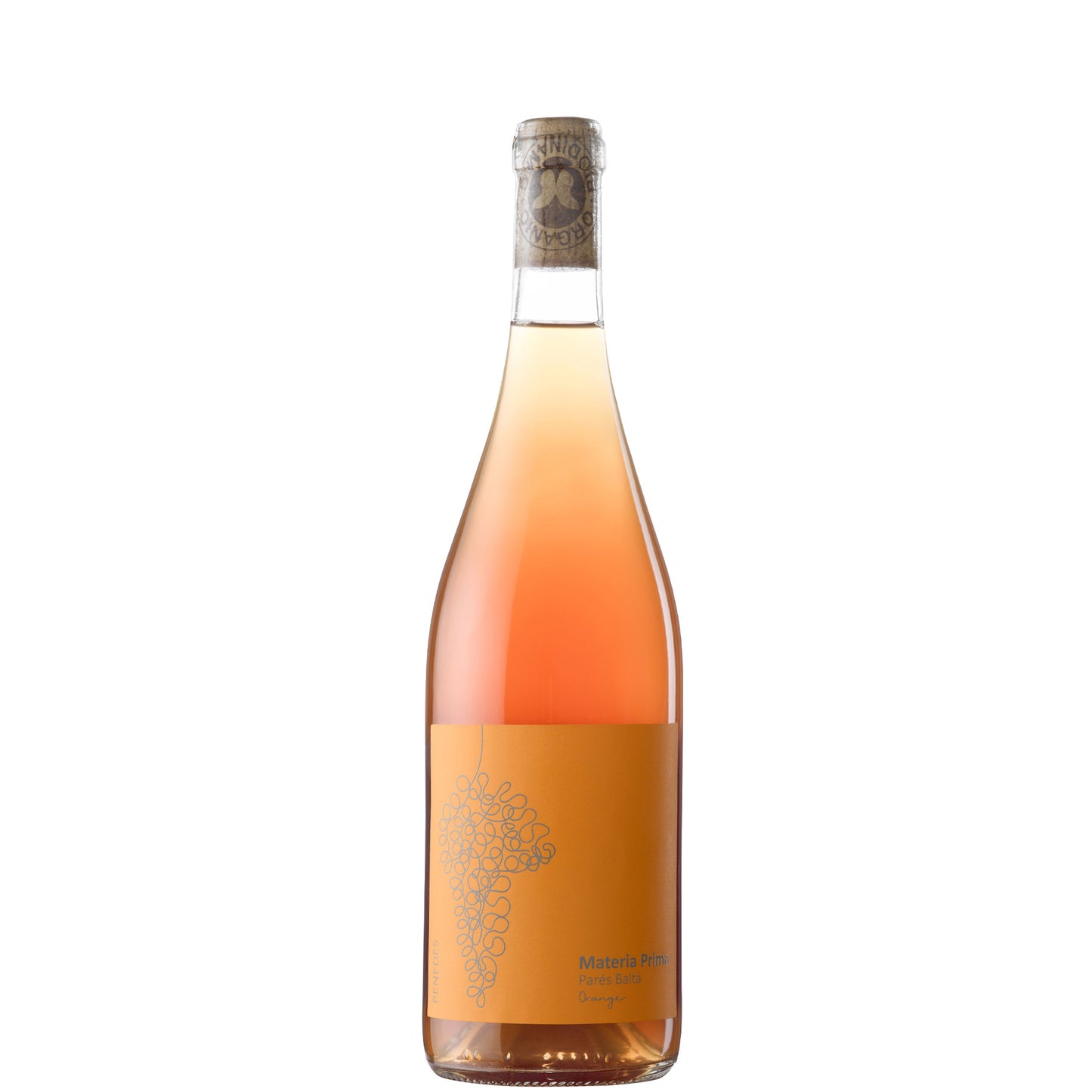
Parés Baltà, Materia Prima, Orange wine, 2025
Parés Baltà, Materia Prima, Orange wine, 2025
- 75cl
- 11.5%
- White Still
- Xarel·lo
- Organic
- Biodynamic
- Vegetarian
- Vegan
Couldn't load pickup availability

Optimal drinking window: 2026 - 2030
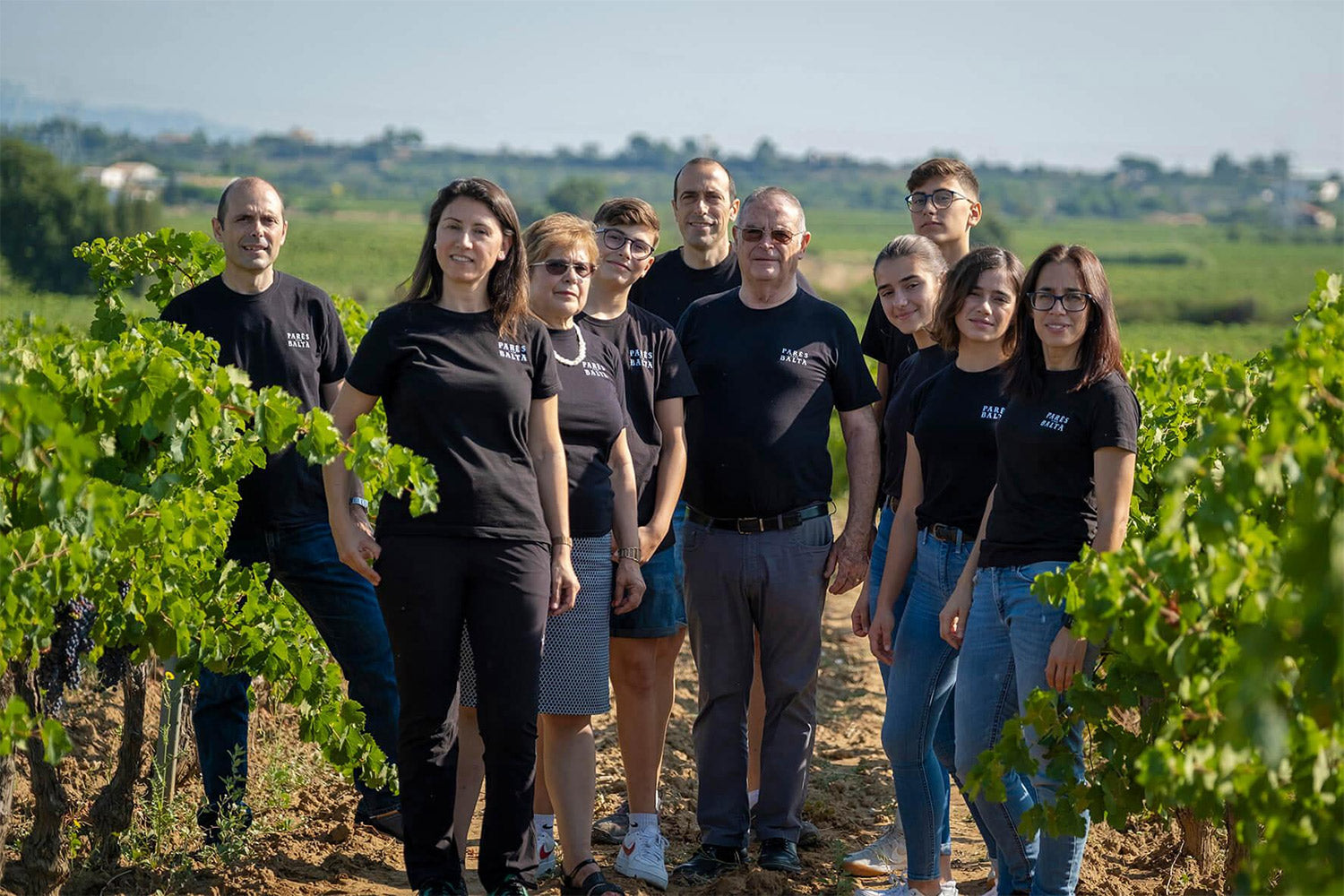
Parés Baltà are one of Penedès's most adventurous organic estates, and Materia Prima is where they really let their hair down. Made from Xarel·lo - the backbone grape of Cava, here given an entirely different life - it spends extended time on its skins, picking up that characteristic amber hue, a grippy tannin structure, and a savoury, oxidative edge that makes it unlike anything else in the Parés Baltà range. This is orange wine in its most honest form: no artifice, no trend-chasing, just an ancient winemaking technique applied to a grape that turns out to be rather well suited to it.
We find it beautifully poised between the fruity generosity of the Catalan sun and the earthy, bitter-almond complexity that skin contact brings. Dried apricot, quince, chamomile, a hint of beeswax, and that saline, mineral thread that Xarel·lo always carries.
As a 2025 vintage released in 2026, this is already in a very approachable place — the skin-contact tannins have had time to settle and the primary fruit is still vivid. Over the next two to three years the dried fruit and oxidative notes will deepen, and the saline mineral thread will become more pronounced. By around 2028-2029 it will likely hit its most complex and integrated point. Much beyond 2030 and the freshness that underpins it may start to fade, so there is no reward in waiting too long — this is a wine to enjoy with some urgency rather than squirrel away.
Tasting Notes
AppearanceDeep amber-gold with a warm copper rim and good clarity.
NoseDried apricot, quince paste, and chamomile tea sit alongside beeswax and a faint almond-skin bitterness. There is a gentle oxidative warmth — think aged fino rather than full-blown sherry — that adds depth without heaviness.
PalateMedium-bodied with a textured, slightly grippy tannin from the skin contact, balanced by lively acidity and a saline mineral thread. Flavours of preserved lemon, dried herbs, and orange pith carry through cleanly. It is more structured than most orange wines at this price, with real grip and presence.
FinishLong and resinous, with a pleasing bitter citrus pith note and lingering salinity.
Overall impressionA confident, characterful orange wine that makes a strong case for Xarel·lo beyond the Cava bottle.
Food Pairings
In Catalonia, this style of wine is a natural companion to the anchovy-rich dishes of the coast — boquerones, salt-cured anchovies from L'Escala on good bread, or a plate of escalivada with aged Manchego. Locals would also pour it alongside fideuà, the Catalan noodle paella, where its saline grip cuts through the richness of the seafood broth. Calcots with romesco sauce in spring, or a slice of pa amb tomàquet loaded with serrano ham, would both be very happy matches. The tannin structure here means it can also hold its own against aged sheep's milk cheeses in a way most whites simply cannot.
We think this wine would go well with
Serve slightly cool at around 12-14°C — cold enough to keep it fresh, warm enough to let the texture and aromatic complexity open up. No need to decant, but giving it ten minutes in the glass before you start will do no harm. A wider-bowled white wine glass, or even a light red glass, works better here than a narrow Chablis-style tulip, giving the wine room to breathe and show its savoury, textured side.
The Penedès sits between the Mediterranean coast and the Catalan pre-coastal mountain range, giving a climate that is warm and sunny but tempered by altitude and sea breezes. Parés Baltà's vineyards are planted on a mix of chalky limestone and clay soils, which lend freshness and mineral energy to what might otherwise be a rather flabby grape. These conditions suit Xarel·lo particularly well, preserving its natural acidity and saline character even in warm vintages.
Penedès DO covers a broad swathe of Catalonia south-west of Barcelona, best known as the heartland of Cava production. It is a remarkably diverse appellation in terms of altitude and soil, which allows producers to work with a wide range of grape varieties and styles. Unlike the stricter Cava DO, Penedès gives winemakers considerable latitude in how they vinify, which is precisely why estates like Parés Baltà are able to make something as rule-bending as an orange wine from Xarel·lo and still carry the appellation.
The 2025 vintage in Catalonia is, frankly, too recent for us to give you a definitive read with the confidence it deserves — harvest was only completed in autumn 2024 for the 2024s, and 2025 wines are still finding their feet in barrel and bottle as we write this. What we can say is that the broader climatic pattern across north-east Spain has continued the trend of earlier harvests and concentrated fruit driven by hot, dry summers punctuated by critical late-season rainfall. Garnacha and Cariñena, the backbone of Priorat and Montsant, tend to thrive when water stress is managed well; where yields were kept in check, the results look promising.
We will update this note properly once we have tasted more widely across the appellation and growers start releasing. For now, the 2022s and 2023s from Catalonia are drinking superbly and represent the safer bet if you want something in the glass tonight rather than in the cellar. Watch this space — we take vintage accuracy seriously enough not to fill it with educated guesswork dressed up as fact.
FAQs
What does Materia Prima taste like?
Think dried apricot, quince paste, chamomile, and preserved lemon, with a grippy, textured structure from the skin contact and a long saline finish. It is more savoury and structured than most orange wines at this price, with real presence on the palate.
What is an orange wine, exactly?
Orange wine is a white wine made like a red — the grape skins are left in contact with the juice during fermentation, rather than being removed immediately. This extracts tannins, colour, and a whole range of flavours you would never get from a conventionally made white. The result is amber in colour, grippy in texture, and often savoury and complex in character. Parés Baltà use the Xarel·lo grape, which turns out to be a natural fit for the method.
When should I drink this wine?
It is drinking very well right now in 2026 — the tannins have settled and the fruit is still vivid. We would drink it with confidence through 2029, and possibly until 2030, but there is no strong case for waiting. Open it soon and enjoy it with food.
What food should I serve it with?
Anchovies, aged sheep's milk cheese, pa amb tomàquet, escalivada, or anything with a saline, umami richness that needs a wine with some grip. It is also excellent with fideuà or any seafood dish where a conventional white might feel too thin. The skin-contact tannins mean it can handle food that would overwhelm most whites.
How should I serve it?
Slightly cool, at around 12-14°C. Too cold and you will miss the complexity; too warm and it loses its freshness. Use a wider-bowled white wine glass rather than a narrow one, and give it ten minutes in the glass before diving in.
Is Parés Baltà organic?
Yes — they have been certified organic since 2007 and biodynamic (Demeter certified) for many years. Across their Penedès vineyards they farm without synthetic pesticides or herbicides, which is reflected in the clean, mineral-driven character of wines like this one.


What are you looking for tonight? Tell me the occasion, a grape, a region — or just try a suggestion below.
Your recommendations will appear here.
-
-
Speak to one of our Wine Gurus
Speak to a Wine GuruWith years of experience, our team can help you with all your wine buying and selling needs