

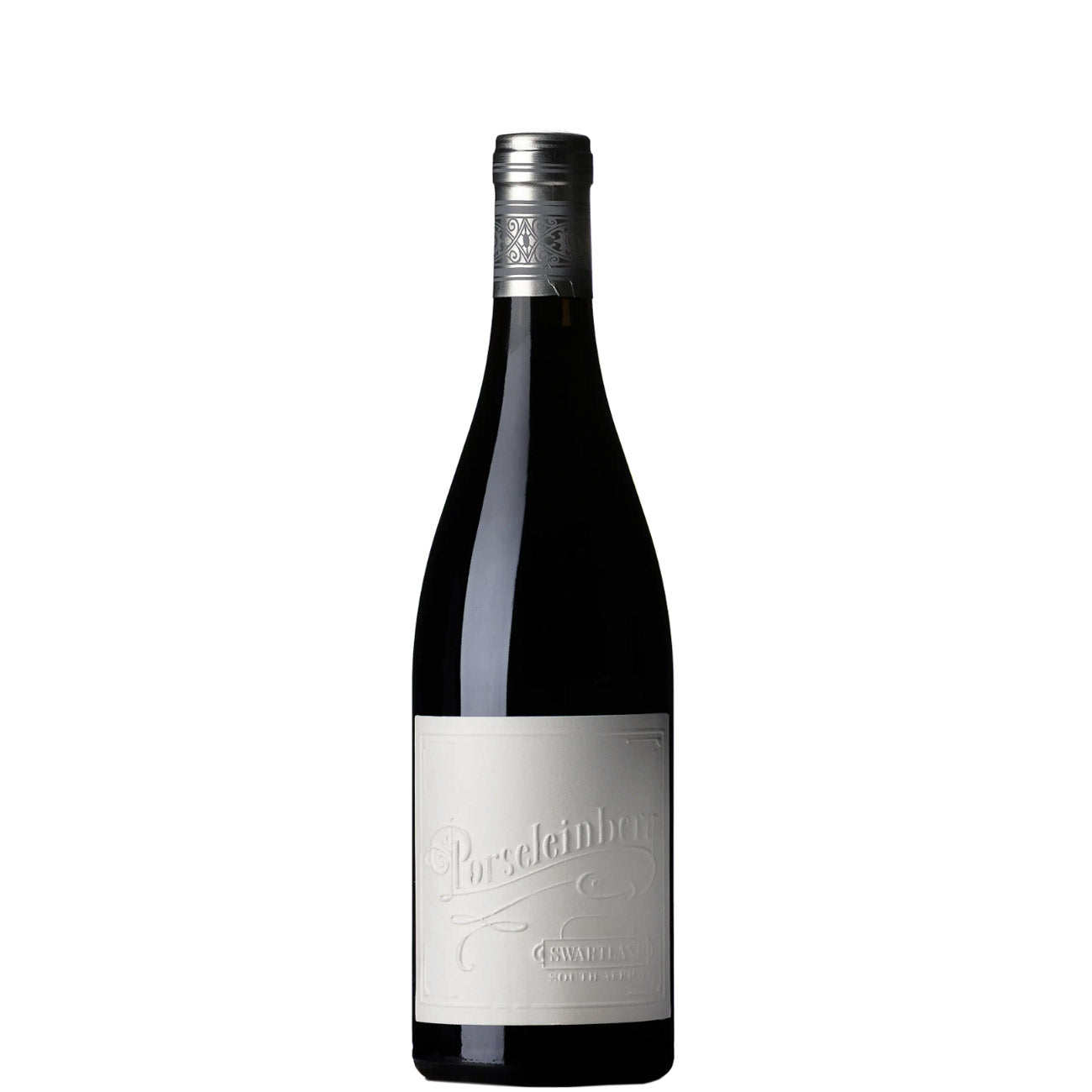
Porseleinberg, 2024
Porseleinberg, 2024
- 75cl
- 14%
- Red Still
- Syrah
- Organic
- Biodynamic
Couldn't load pickup availability

Optimal drinking window: 2028 - 2040
Est. delivery in Autumn, 2026
Porseleinberg is one of South Africa’s most distinctive wines and has quickly earned cult status. It’s made from 100% Syrah grown on a rugged hillside in the Swartland, where the soils are dominated by blue schist (the “porcelain mountain”). The site is exposed and low-yielding, giving grapes of remarkable intensity and character.
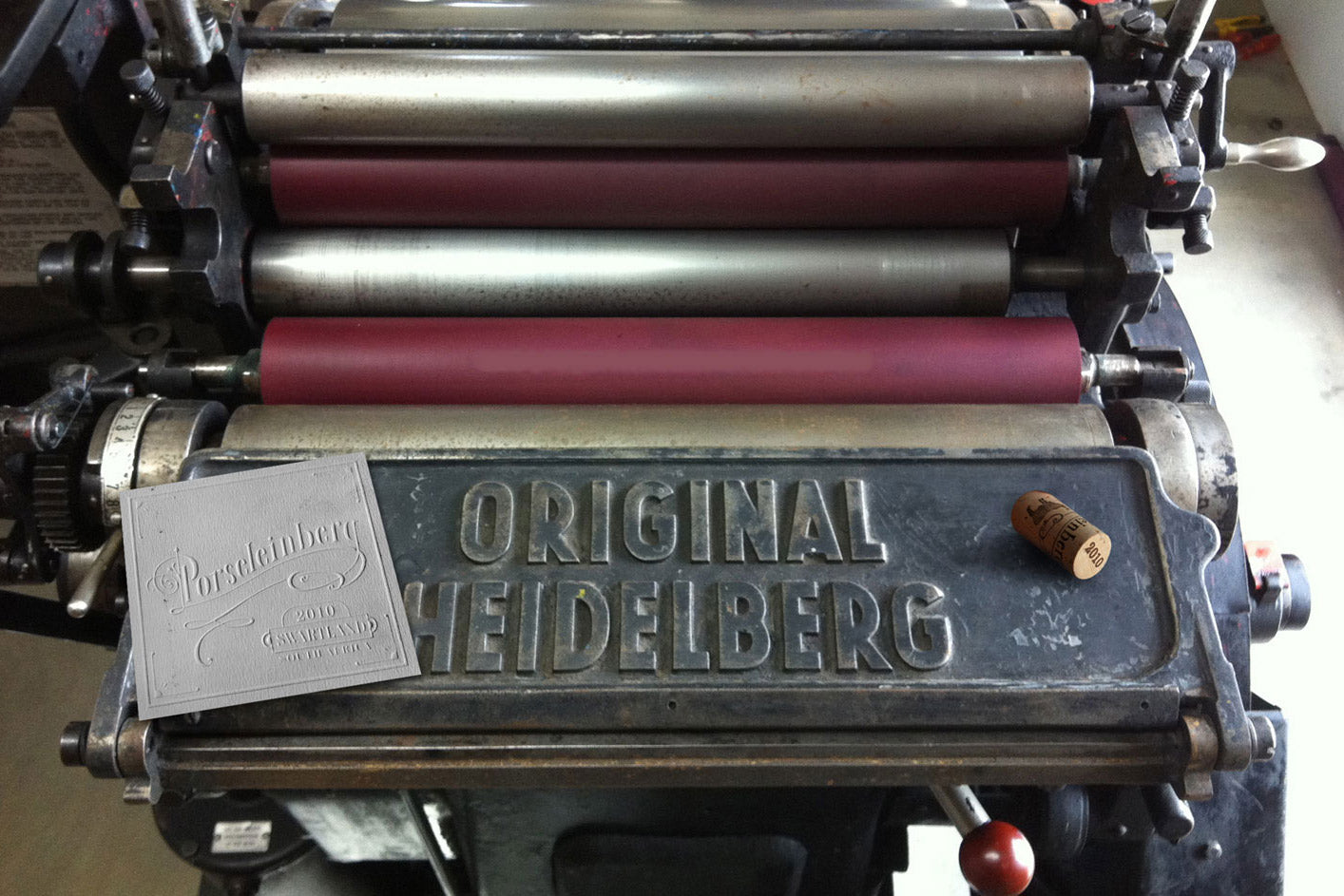
It's made in small quantities by Callie Louw, who farms and vinifies with a no-nonsense, low-intervention approach. Each release is bottled in its distinctive hand-printed paper label, a nod to its artisanal character.
What the critics say:
"Porseleinberg is one of those wines where the analytical numbers don't make sense, as it has a pH of 4.06 but retains remarkable freshness and acidity, partly from the 100% whole bunch fermentation. Aged in large Stockinger foudres and 10% concrete eggs, it’s a denser wine than the 2023 release, with stony intensity, aromas of clove, fennel and tomato leaf, blackberry and North African spice flavours and seductive tannins. One of the New World’s greatest Syrahs."
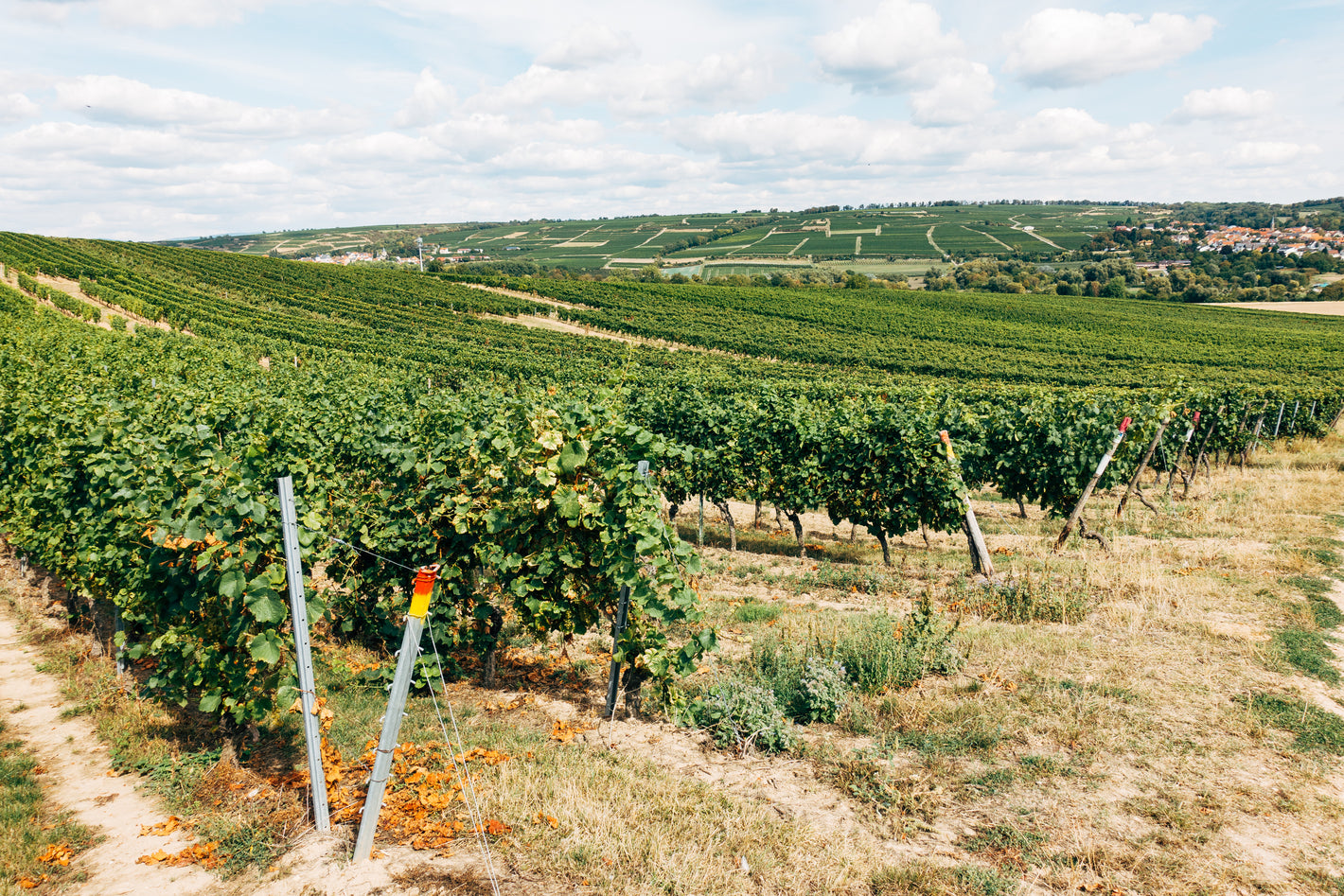
The vineyards sit on decomposed granite soils at altitude on the Paardeberg, a massif that rises sharply from the Swartland plain and creates its own cooler microclimate. The elevation tempers what would otherwise be relentless heat, preserving acidity and giving the wine its distinctive freshness and mineral grip. Old bush vines, dry-farmed without irrigation, dig deep and produce small yields of intensely concentrated fruit. The granitic bedrock is the backbone of everything here — it's what gives Porseleinberg its signature taut, stony character.
The Swartland is South Africa's most exciting wine region for serious red and white wine, built on a revolution led by a group of independent producers in the early 2000s who rejected the cooperative model and the Cape's love of international varieties. It has no formal AOC-style rules, but the Swartland Independent Producers association sets its own standards around minimal intervention and dryland farming. The region is warm and dry, dominated by old Syrah, Grenache, and Chenin Blanc, and the best wines carry a distinctly wild, savoury personality that sets them apart from anything else in the Cape.
The 2024 vintage in Swartland arrived after a growing season that kept producers on their toes. A dry winter left water reserves lower than ideal going into spring, and while the region's old-vine bush vines — the Chenin Blanc, Grenache, and Cinsault that have made Swartland's reputation — are built for exactly this kind of adversity, yields were down across the board. Cooler conditions during the critical ripening window helped growers hold onto freshness and acidity, which in a warm inland region like this is never a given. Picking decisions mattered enormously, and the producers who got the timing right were rewarded.
The wines that have come through show real energy — leaner than some of the more opulent recent vintages, with the Chenins in particular offering that precise, almost electric quality that makes the best examples so compelling. Reds from Grenache and old-vine Cinsault have real definition rather than weight, which suits the direction the region's better producers have been heading for some time. It is still an early picture, and patience will pay off with the more structured examples. Most wines are drinking well now but the better ones have several years ahead of them, with top Chenins drinking well until 2030 and beyond.
OUR GROWERS
Porseleinberg
Explore related wines


-
-
Speak to one of our Wine Gurus
Speak to a Wine GuruWith years of experience, our team can help you with all your wine buying and selling needs