

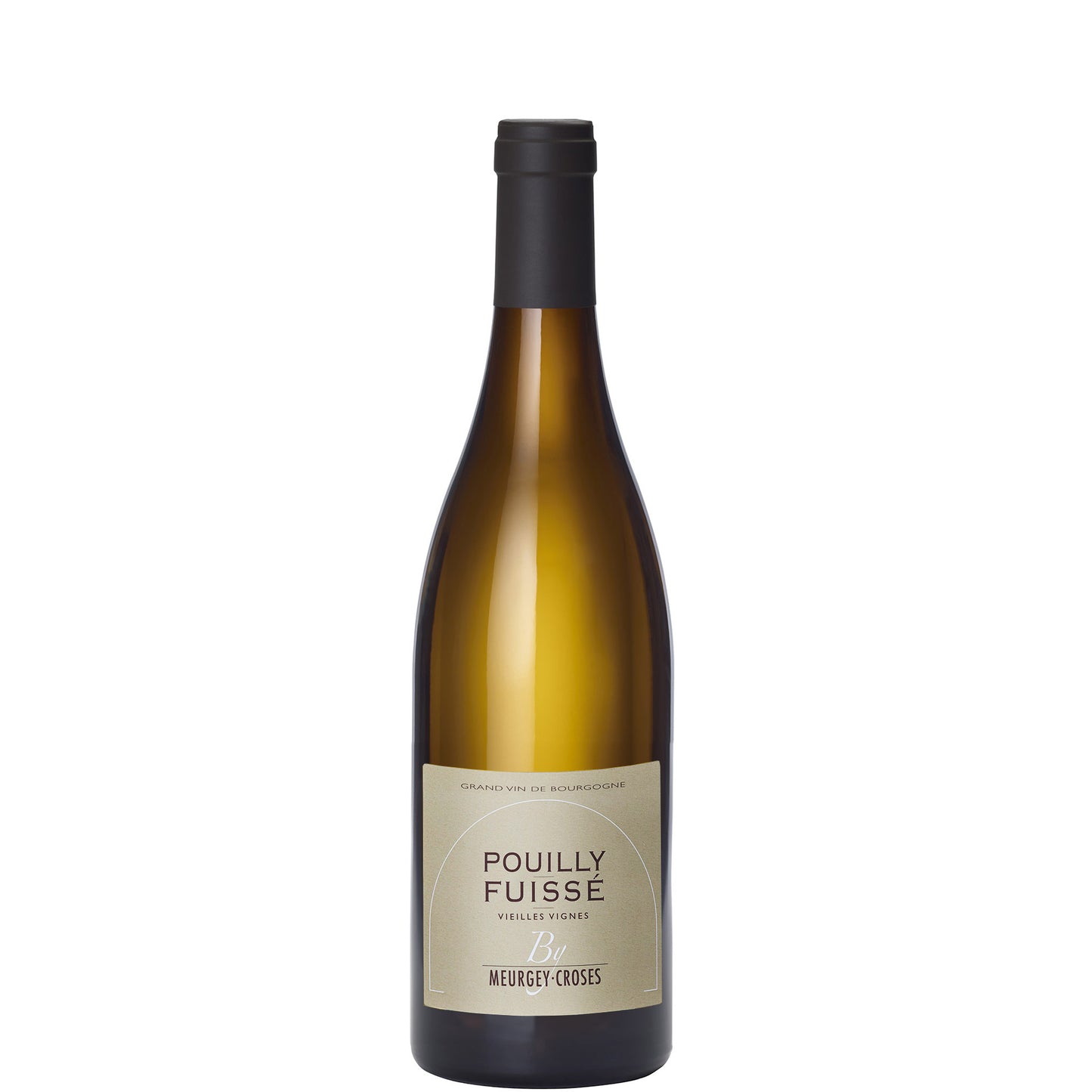
Pouilly-Fuissé Vieilles Vignes, Meurgey-Croses, 2022
Pouilly-Fuissé Vieilles Vignes, Meurgey-Croses, 2022
- 75cl
- White Still
- Chardonnay
Couldn't load pickup availability

Optimal drinking window: Now - 2034
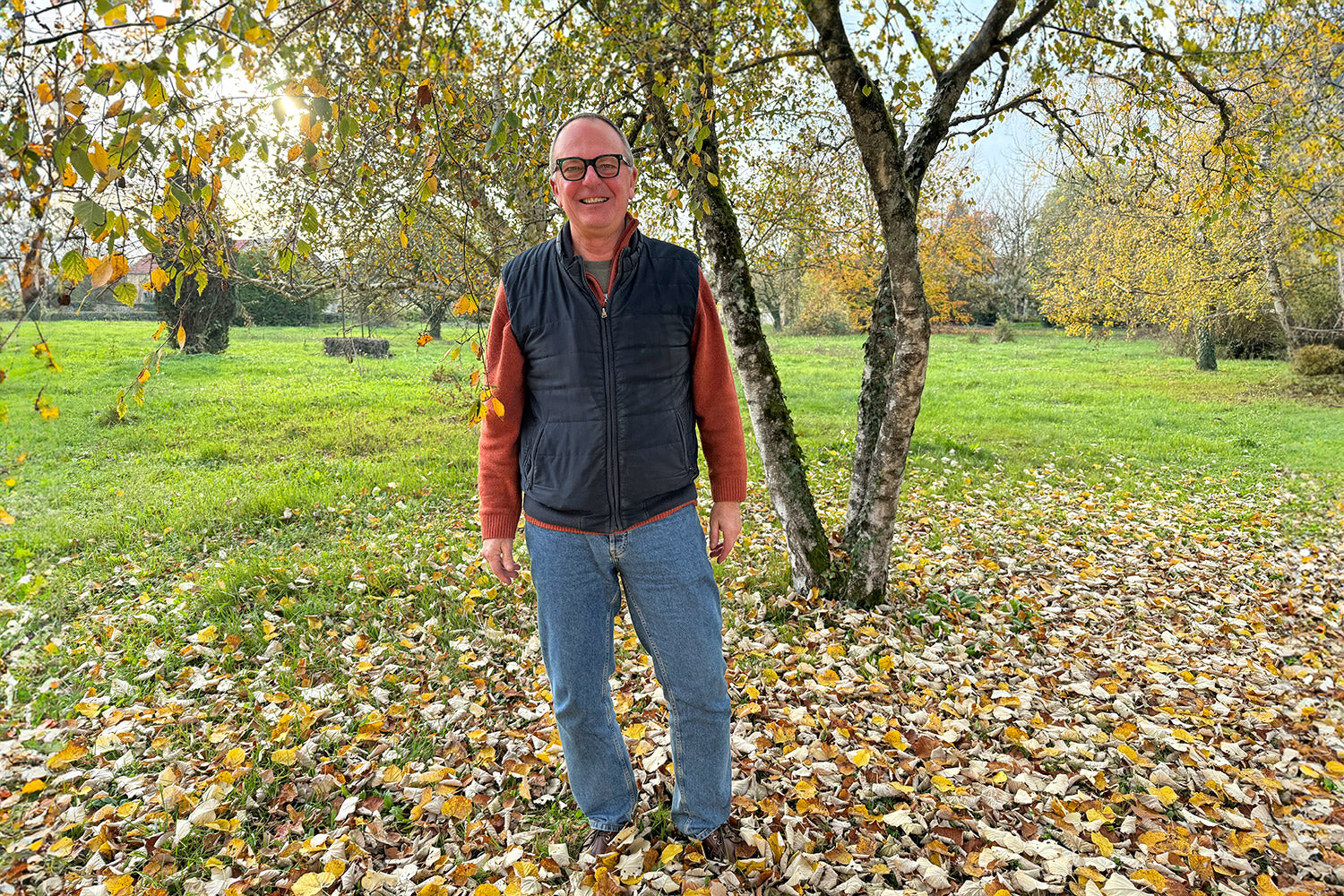
Meurgey-Croses is a small négociant-éleveur operation run by Pierre Meurgey and his partner Anne Croses, both with deep roots in Burgundy's wine trade. Pierre characterises 2022 as having “ripeness and preserved freshness". He suggests that despite the hot year the wines do not have the same concentration as 2020 - which were more forced because of the early harvest, and instead show a greater natural balance, being made from “happy fruit” as he puts it.
“From five parcels, two from higher sites with thinner soils and more limestone for finesse, and three lower down with heavier soils that impart greater richness. The average age of the vines is 75-years old. 100% aged in oak, 10% of which is new. Nose of baked apples, cereal crops, lemon sherbet, nugat and salted caramel. Generous mouth feel, rich and waxy but a good, strict line of acidity to balance the oiliness.”
Tom Harrow, Head Wine Guru
Head Wine Guru Tom's notes are a little brief as an unexpected appointment to taste the Hospices de Beaune 2023 wines at the cuverie prior to this year’s auction cut across our appointment so we raced through these wines with almost indecent haste!
We highly suggest you take your time to appreciate them more leisurely as there is plenty to enjoy here. Drink alongside roast chicken with morels or seared scallops with beurre noisette.
Right now, in 2026, the wine is drinking well — the fruit is vivid, the oak is well-integrated, and the acidity is doing exactly what it should. Over the next two to three years, the primary apple and citrus notes will give way to something richer and more complex: honeyed stone fruit, beeswax, and a deeper mineral quality. The combination of old vines and high natural acidity means this has the structure to reward another four to five years of patience.
What the critics say:
"'Outstanding'. Here the nose is dominated by smoky and toasty characters. The notably finer medium-bodied flavors also coat the palate with dry extract while exhibiting surprisingly good power on the balanced and sneaky long finish. This is a very good villages-level PF."
"All from the hamlet of Pouilly, from five plots at varying altitudes, 65-95 year old vines. Made in barrel, one new in 14, and bottled at the end of July. Mid lemon yellow. A pure white ripe apple fruit, notably more stylish than the St Véran. Long fine and fresh, some citrus, but mainly the ripe apple. This is a well-made Pouilly-Fuissé, with a light youthful bitterness which I take as a plus point."
Tasting Notes
AppearanceBright, medium gold with a faint green edge and good clarity.
NoseImmediately inviting: baked apple and cereal lead, with lemon sherbet adding freshness. Behind that, nougat and salted caramel give a subtle, appealing richness that speaks to both the old vines and the restrained oak.
PalateRich and textural from the first sip, with a waxy, almost oily mouthfeel that is the hallmark of genuinely old Chardonnay vines. The acidity is firm and disciplined, running clean through the middle of the wine and keeping the weight in check. Flavours of apple, lemon curd, and a faint hazelnut note carry long and without interruption.
FinishLong, clean, and mineral, with a faint saline quality that lingers well after the glass is down.
Overall impressionA serious, site-driven Pouilly-Fuissé that earns its texture through old vines rather than oak.
Food Pairings
In the Mâconnais, a wine like this would find its natural home alongside poulet de Bresse roasted simply with butter and tarragon — the region's most celebrated ingredient, and a pairing of legendary simplicity. Freshwater fish from the Saône, particularly pike quenelles in a cream and crayfish sauce, are another classic local match. Burgundian époisses is technically a red wine cheese, but the younger, milder version works surprisingly well here. Locals would also pair this with frogs' legs cooked in garlic and parsley butter, a dish that still appears on bistro menus throughout the Mâconnais.
We think this wine would go well with
Serve at 11-13°C — cold enough to preserve freshness, warm enough to let the texture and nougat character open up. No need to decant, but give it fifteen minutes in the glass before drinking. A wide-bowled white Burgundy glass will do it justice, encouraging the nose to develop and the palate to show its full weight.
The five parcels that make up this wine span the diversity of Pouilly-Fuissé's varied landscape. Two higher, cooler sites sit on thin, limestone-rich soils — the kind that produce wines with natural tension and mineral lift. The remaining three parcels occupy lower ground with heavier soils, contributing the wine's rounder, more generous character. The interplay between these sites is exactly what gives the wine its balance: neither too lean nor too rich.
Pouilly-Fuissé is the flagship white wine appellation of the Mâconnais, producing Chardonnay of a richness and ambition that sits somewhere between the Mâcon Villages to the south and the Côte de Beaune to the north. Long seen as offering serious quality at a fraction of Meursault prices, it received a significant upgrade in 2020 with the creation of its first Premiers Crus, which brought renewed critical attention to the appellation. The best examples, particularly those from old vines, can develop genuine complexity over five to eight years. Compared to its neighbour Saint-Véran, Pouilly-Fuissé tends to show more weight and structure.
FAQs
What does this wine taste like?
Rich and textural, with baked apple, lemon sherbet, nougat, and a whisper of salted caramel. The palate has a waxy, almost oily weight — typical of old vine Chardonnay — held in check by a firm, precise line of acidity. It is generous without being heavy.
When should I drink this wine?
It is drinking well now and will continue to do so until around 2034.
What food should I pair with this wine?
Roast chicken with morels is the classic match, but seared scallops with beurre noisette works brilliantly too. Mushroom risotto, squash gratin, or any dish built around cream, butter, and earthy vegetables will find a natural partner here. The acidity means it can handle richer preparations without the wine feeling flat.
Is this worth cellaring?
Yes, if you have the patience. The old vine concentration and firm acidity give it real structure for a Mâconnais white. We think it will reward another four to six years in a proper cellar, developing honeyed complexity and a deeper mineral character. Beyond 2034, the freshness that defines it now may start to fade.
How is this different from other Pouilly-Fuissé wines?
The key here is vine age — 75 years on average. Old vines produce smaller yields and more concentrated juice, which gives the wine its waxy texture and depth without needing heavy oak intervention. Meurgey-Croses uses only 10% new oak, so the wood is a seasoning rather than a flavour. Many Pouilly-Fuissé at this price point lean harder on new oak; this one earns its richness from the vines themselves.
How should I serve this wine?
Serve at 11-13°C in a wide-bowled white Burgundy glass. No need to decant, but allow it to open in the glass for ten to fifteen minutes before drinking. If it has been in a very cold fridge, let it warm slightly on the table — it shows far better with a little temperature.
Explore related wines


What are you looking for tonight? Tell me the occasion, a grape, a region — or just try a suggestion below.
Your recommendations will appear here.
-
-
Speak to one of our Wine Gurus
Speak to a Wine GuruWith years of experience, our team can help you with all your wine buying and selling needs