

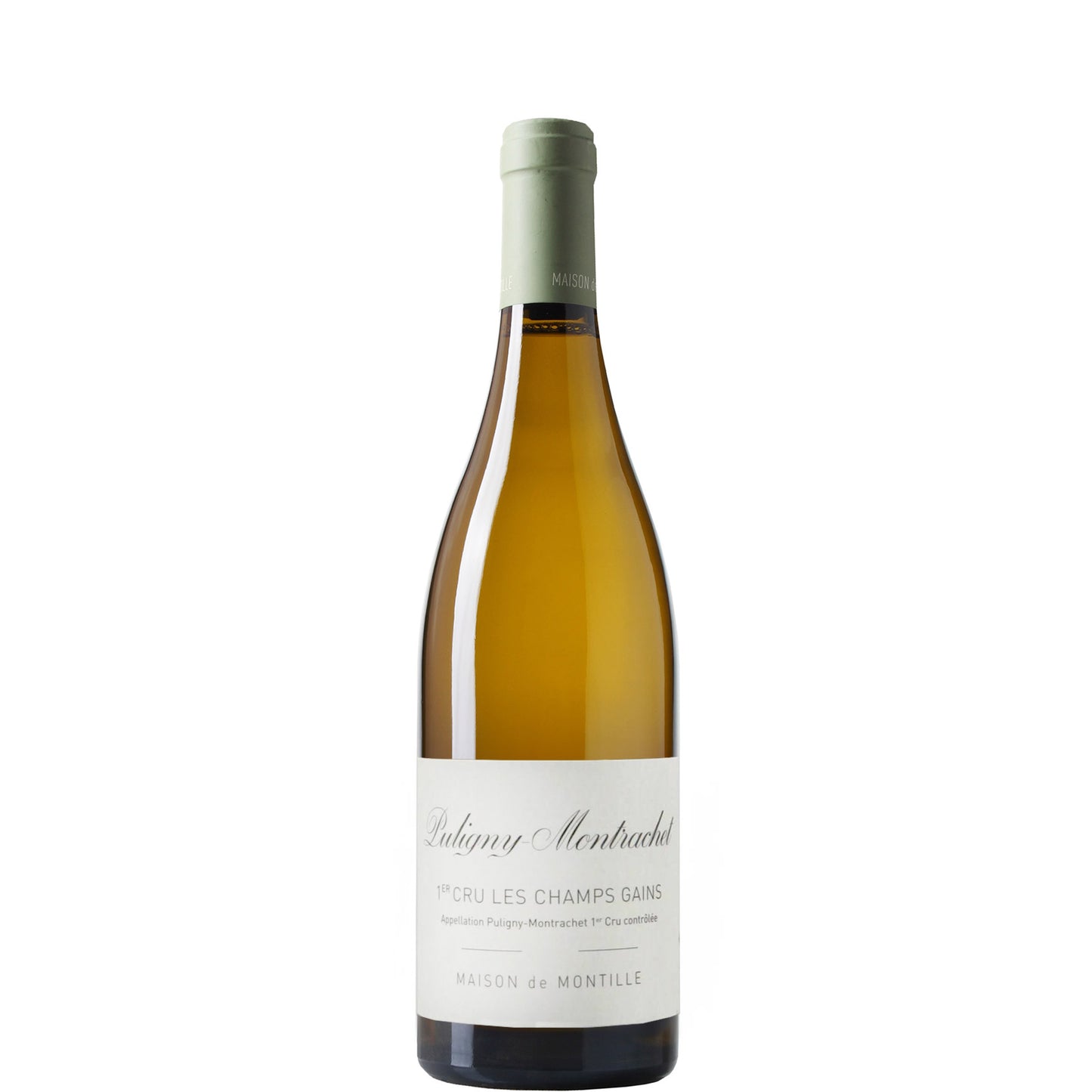
Puligny-Montrachet Premier Cru 'Les Champs Gains', Maison de Montille, 2016
Puligny-Montrachet Premier Cru 'Les Champs Gains', Maison de Montille, 2016
- 75cl
- 12.5%
- White Still
- Chardonnay
- Organic
- Biodynamic
Couldn't load pickup availability

Optimal drinking window: 2026 - 2038
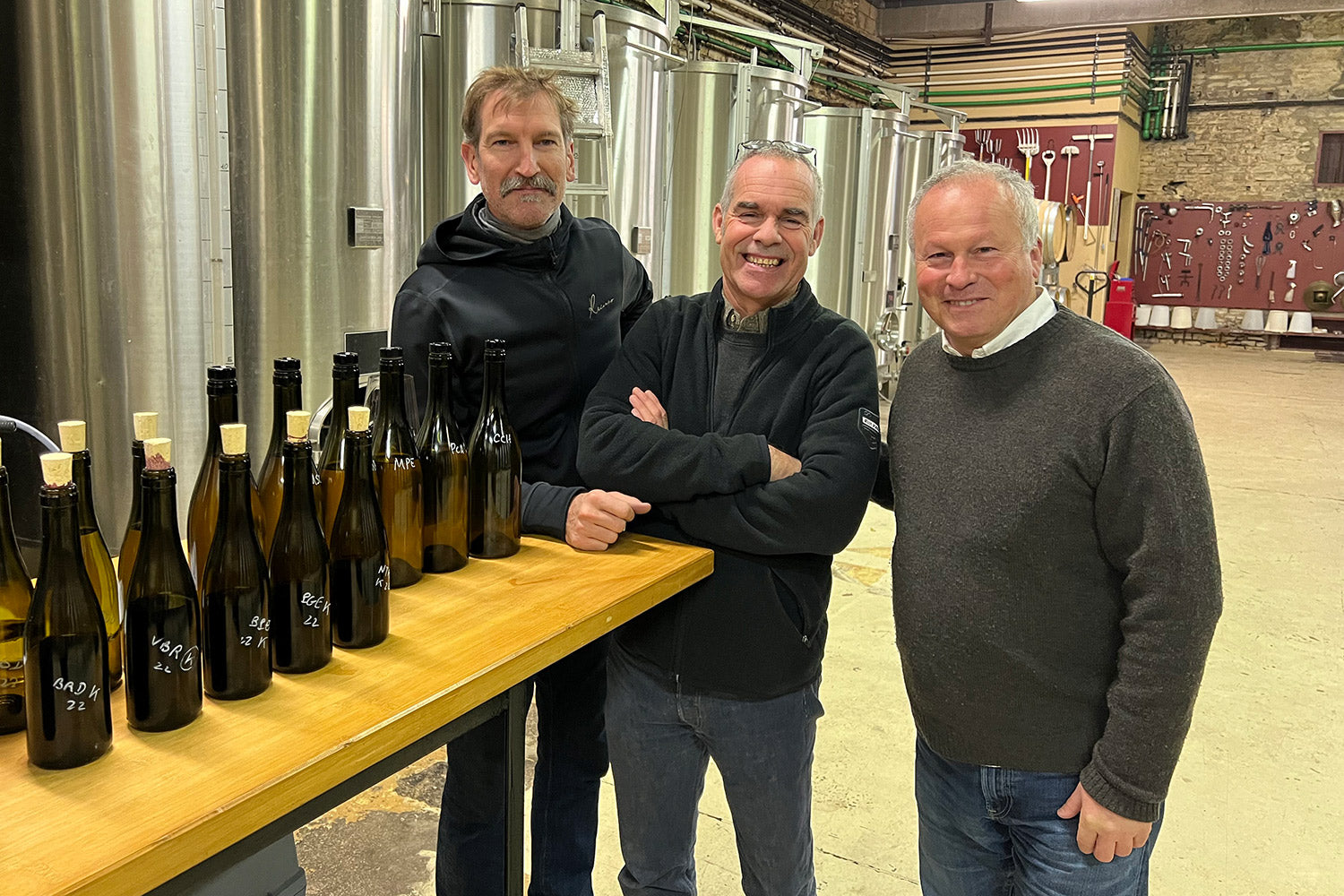
At de Montille’s cellar in Meursault, winemaker Brian Sieve led us through a tasting of the domaine’s top cuvées.
The quality of the wines and Brian’s animated and eloquent explanation of the vintage and vineyard factors that influence their character are essentials components of any trip to the region and this visit was no exception. He used fewer whole bunches and extracted 25% less during fermentation than 2015, as wanted to ensure the wines remained supple rather than angular, comparing the vintage stylistically to 2002 “with its ripe but crunchy fruit, pure but juicy tannins and bright acidity”.
In 2026, Les Champs Gains is at an interesting crossroads: the primary fruit is beginning to mellow and integrate, and the first signs of secondary complexity — hazelnut, lanolin, a waxy, almost beeswax quality — are starting to appear. Over the next three to four years, that transition will complete and the wine will enter what we'd call its sweet spot, with everything in harmony. From around 2030 to 2034, it should be at its peak, the mineral backbone fully integrated and the palate richly textured without losing its defining precision. Beyond 2038, expect a more oxidative, honeyed character to take hold, and while some drinkers love Burgundy at that stage, the freshness that makes this wine special will have begun its slow retreat.
Tasting Notes
AppearancePale gold with a faint green rim, clear and bright in the glass.
NoseWhite peach, lemon curd, and a little ripe quince sit at the centre, with hazelnut and lanolin beginning to emerge from what was once a tighter, more citrus-led profile. There's a wet stone quality underneath that is unmistakably Puligny.
PalatePrecise and taut, with bright acidity giving the wine its backbone and a mid-palate of orchard fruit and toasted almond that broadens without ever becoming heavy. The texture is silky but structured, with a chalky grip on the finish that keeps everything honest.
FinishLong, saline, and mineral, with a flinty persistence that outlasts the fruit by some distance.
Overall impressionA serious, focused Puligny premier cru that rewards attention and repays patience.
Food Pairings
In Burgundy, a wine like this would most naturally appear alongside a gratin dauphinois or a simple roast chicken with tarragon butter, where the wine's acidity can cut through richness without competing for attention. Freshwater fish from the Saône — trout meunière, perch with brown butter — are a local staple that pairs brilliantly with the mineral, citrus-edged character of Puligny. A vacherin or comté at the right age, served at the end of a meal, would work rather beautifully. More adventurously, the wine has enough texture to hold its own alongside a lightly creamed lobster or a scallop dish with a buttery sauce.
We think this wine would go well with
Serve at 12-13°C — cold enough to keep the acidity lively, warm enough to let the secondary complexity breathe. No need to decant, but give it twenty minutes in the glass before you start drinking in earnest. A wide-bowled white Burgundy glass, rather than a narrow flute shape, will do full justice to the developing aromatic complexity.
Les Champs Gains is a premier cru vineyard at the southern edge of Puligny-Montrachet, where the commune boundary meets Chassagne. The soils are Kimmeridgian limestone and clay, with good depth and a pronounced chalky, mineral character that expresses itself clearly in wines of real tension and length. The aspect is broadly east-facing, giving moderate morning sun and enough elevation to preserve the acidity that defines great white Burgundy.
Puligny-Montrachet is the white wine heartland of the Côte de Beaune, home to two of Burgundy's four grand crus — Montrachet and Bâtard-Montrachet — and sixteen premiers crus of widely varying character. The appellation rules require 100% Chardonnay, with yields and winemaking philosophy varying enormously between producers. Compared to neighbouring Meursault, Puligny tends toward greater linearity and mineral precision; compared to Chassagne, it is typically a little more lifted and less broad. Les Champs Gains, bordering both communes, sits right at the intersection of those two personalities.
The 2016 growing season in Burgundy started promisingly but turned tricky, with spring frosts causing real damage in some vineyards before a warm, dry summer rescued what remained. Hail struck parts of the Côte de Beaune particularly hard, reducing yields but concentrating what survived. The harvest began earlier than usual, with growers picking healthy, ripe grapes under ideal September conditions.
What emerged from the cellars shows real class: reds with genuine depth and structure that sidestep the over-ripeness trap of some warmer years, while the whites display that brilliant tension between richness and minerality that makes great white Burgundy so compelling. The Pinot Noirs have lovely fruit intensity without losing their sense of place, and the Chardonnays show beautiful balance. We find these wines drinking beautifully now but reckon the better examples will reward patience until the late 2020s, particularly the premier and grand crus which have the stuffing to go much longer.
FAQs
What does this wine taste like?
Taut and mineral, with white peach, lemon curd, and hazelnut on the nose, a silky but structured palate, and a long, chalky, saline finish. It's precise and focused rather than generous or opulent — a wine defined by tension and length rather than richness.
When should I drink this?
It's drinking well now, with secondary complexity beginning to emerge alongside the primary fruit. The window runs until around 2038, with the peak likely falling between 2028 and 2034. If you're opening a bottle today, give it twenty minutes in the glass first.
Is this worth cellaring?
Yes, particularly if you enjoy white Burgundy with some age on it. The 2016 vintage has the acidity and structure to develop well, and the comparison winemaker Brian Sieve drew to 2002 — ripe but crunchy, juicy but bright — suggests real longevity. Another four to six years will see it at its most complete.
What food should I serve this with?
Roast chicken with tarragon butter, trout meunière, scallops with a butter sauce, or a well-aged comté are all natural partners. The wine has enough acidity to cut through richness and enough texture to hold its own alongside something substantial.
How is this different from a village-level Puligny-Montrachet?
Les Champs Gains is a premier cru, which means greater concentration, more defined mineral character, and noticeably better aging potential than most village-level wines. The vineyard's position at the boundary with Chassagne also gives it a little more texture and weight than some of Puligny's more northerly premiers crus, without sacrificing the appellation's signature precision.
Who is de Montille and why does it matter?
Domaine de Montille is one of Burgundy's most admired estates, built by the late Hubert de Montille and now run by his son Etienne. The domaine's philosophy has always prioritised restraint and longevity over early approachability, which means their wines can seem austere when young but tend to age exceptionally well. Winemaker Brian Sieve continues that tradition with real skill.
Explore related wines


What are you looking for tonight? Tell me the occasion, a grape, a region — or just try a suggestion below.
Your recommendations will appear here.
-
-
Speak to one of our Wine Gurus
Speak to a Wine GuruWith years of experience, our team can help you with all your wine buying and selling needs