
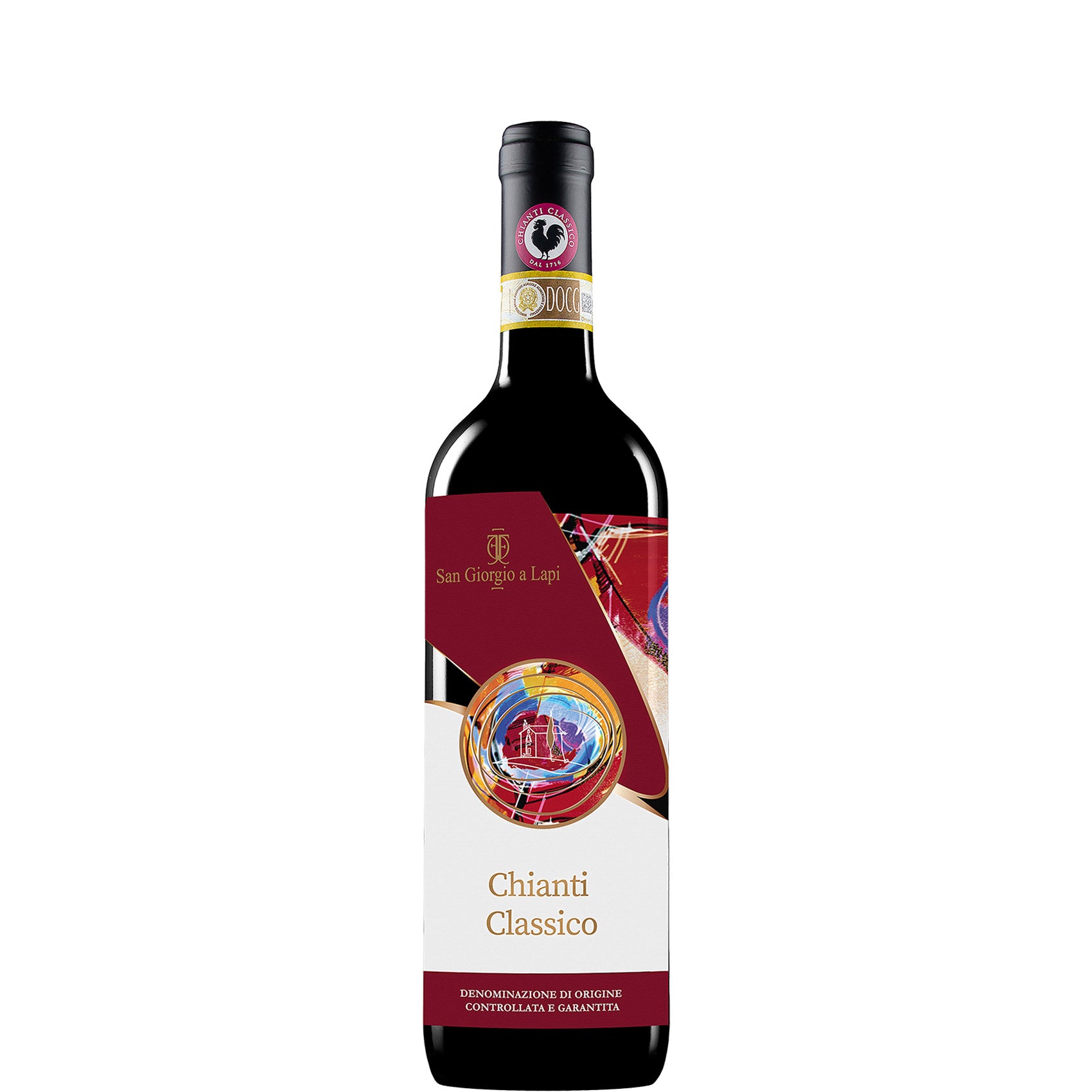
San Giorgio a Lapi, Chianti Classico, 2023
San Giorgio a Lapi, Chianti Classico, 2023
- 75cl
- 14.5%
- Red Still
- Sangiovese
Couldn't load pickup availability

Optimal drinking window: 2026 - 2030
San Giorgio a Lapi sits in the heart of Chianti Classico, and their 2023 is a proper expression of what this zone does so well: Sangiovese with energy. There's ripe red cherry up front, a flicker of violet, and behind it the earthy, spiced backbone that gives Chianti Classico its character; the sense that the wine knows where it comes from. The tannins are smooth rather than grippy, and the acidity keeps everything lively and fresh.
This is a wine for the table, not the trophy cabinet. It's generous without being soft, and structured without demanding patience. Drink it alongside something Tuscan and simple: a plate of pici, a chunk of pecorino, a good reason to open a bottle on a Tuesday.
At three years old, the 2023 is right in its prime drinking window — the fruit is vivid and expressive, the tannins have settled nicely, and there's no reason to hold back. Over the next two to three years the red fruit will deepen slightly and the earthy, spiced notes will become more prominent. It won't transform dramatically; this is an Annata-level wine built for pleasure rather than long-term cellaring.
Tasting Notes
AppearanceBright ruby with a translucent, slightly lighter rim — the kind of colour that signals freshness before you've even raised the glass.
NoseRipe red cherry leads, with a lift of violet and a subtle dried herb quality underneath. There's a light earthiness that grounds it — think forest floor after rain rather than anything heavy — and a faint spice, perhaps dried clove, in the background.
PalateFresh and alive on entry, with that characteristic Sangiovese acidity doing most of the work. Red fruit — cherry, a little cranberry — sits alongside a gentle savoury note, and the oak is supportive rather than intrusive. Tannins are present but smooth, giving the wine shape without any astringency.
FinishClean and medium-length, with a pleasing mineral dryness that keeps you reaching for another sip.
Overall impressionA genuinely food-friendly Chianti Classico that doesn't overthink itself — vibrant, honest, and very easy to enjoy.
Food Pairings
In Tuscany this style of Chianti Classico is practically a condiment for the local table. Pici all'aglione — thick hand-rolled pasta in a garlicky tomato sauce — is an obvious match, the acidity of the wine cutting through the richness effortlessly. Bistecca alla Fiorentina is the grander pairing, the wine's tannins finding their purpose alongside charred, well-rested beef. Locally cured meats like finocchiona, the fennel-spiked salami of the region, work beautifully at a more casual register. And don't overlook aged pecorino from nearby Pienza — the saltiness of the cheese and the wine's earthy edge make for a quietly brilliant combination.
We think this wine would go well with
Serve at around 16-17°C — cool enough to keep the acidity lively, warm enough not to suppress the fruit. A brief decant of 20-30 minutes will open it up, though it's approachable enough to pour straight from the bottle on a weeknight. A standard Bordeaux-shaped glass works fine, though a larger Burgundy bowl will reward the nose if you're paying more attention.
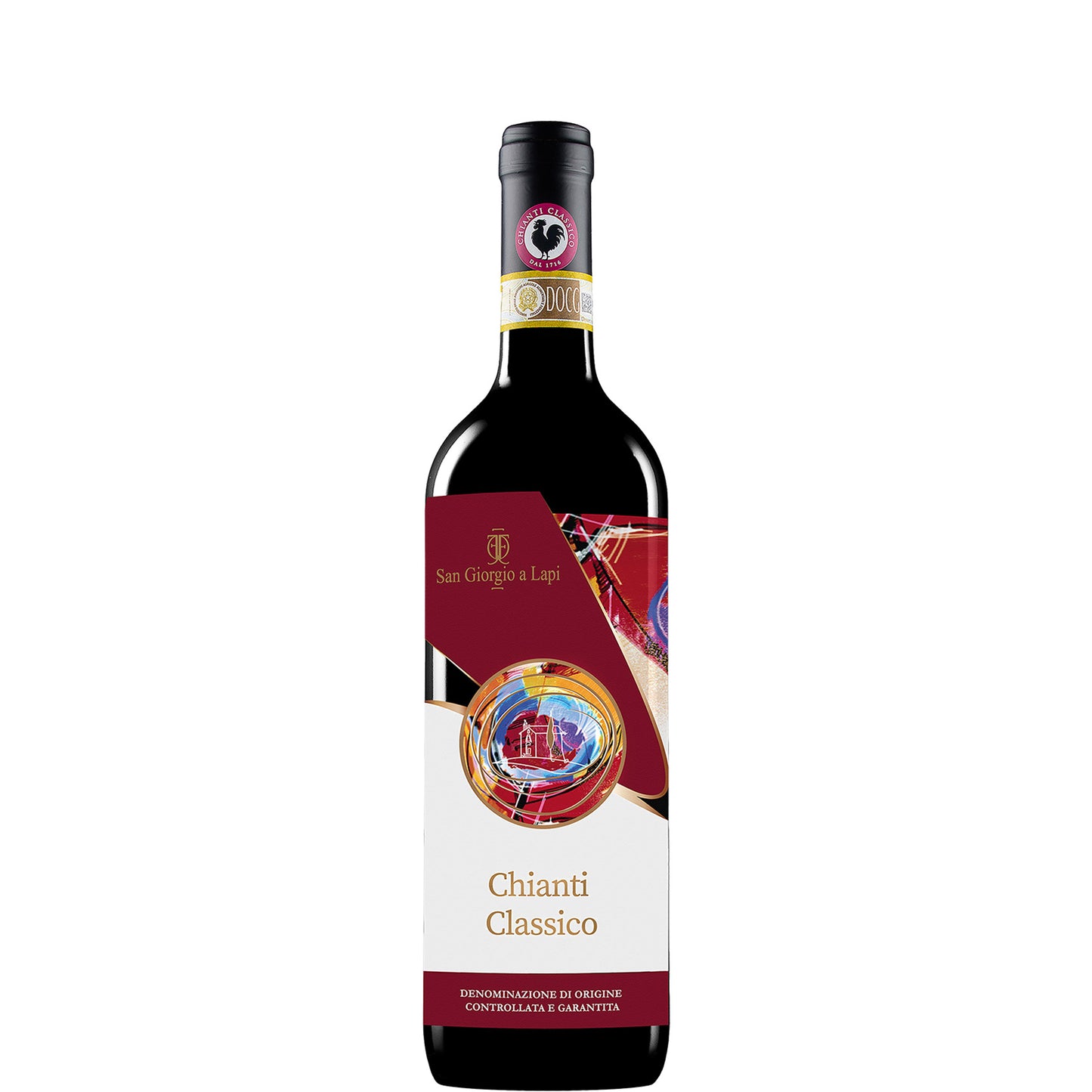
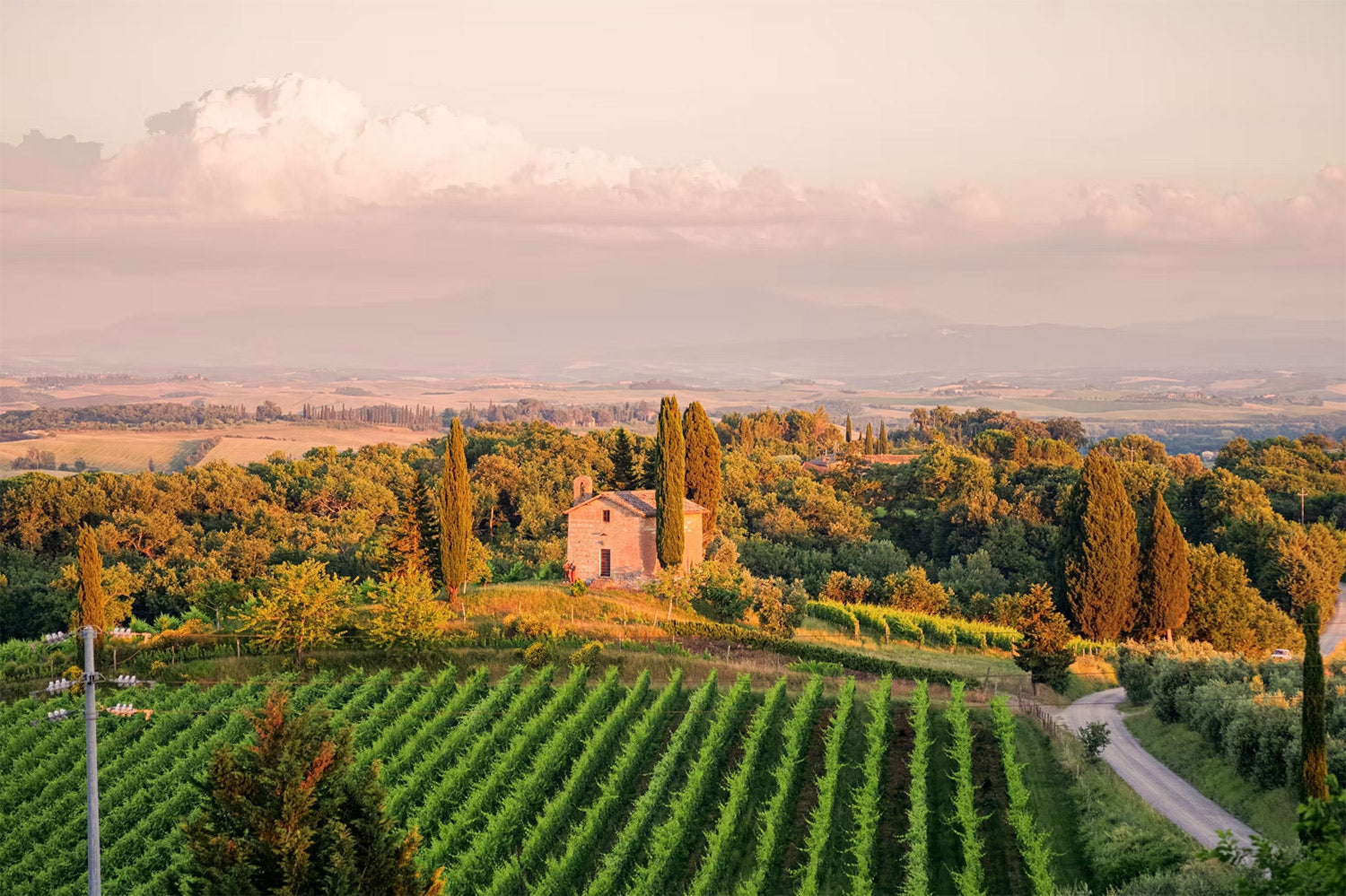
The estate sits in Castelnuovo Berardenga, the southernmost and warmest sub-zone of Chianti Classico, where the clay-rich galestro and alberese soils lend structure and a distinctive mineral edge to the wines. Altitude moderates what could otherwise be an overripe character, preserving the bright acidity that defines good Sangiovese. The combination of warm days and cooler nights in this corner of Tuscany allows the grape to ripen fully while retaining freshness. In a warm year like 2023, that diurnal shift was particularly important in keeping the wine's balance intact.
Chianti Classico is the historic heart of Chianti, a DOCG zone running between Florence and Siena in central Tuscany, distinct from the broader Chianti DOC that surrounds it. Sangiovese must make up at least 80% of any Chianti Classico blend, and the zone has its own internal classification — Annata, Riserva, and Gran Selezione — with increasingly strict rules on ageing and yield. Compared to the broader Chianti DOC, Classico tends to offer more structure, more site specificity, and considerably more age-worthiness. The black rooster on the neck label, symbol of the historic Lega del Chianti, remains one of the more recognisable marks in Italian wine.
FAQs
What does this wine taste like?
It's bright and fresh, with ripe red cherry, a touch of violet, and a savoury, earthy edge that's classic Sangiovese. The tannins are smooth and the acidity keeps everything lively. Think Chianti Classico that's approachable without being simple.
When should I drink this wine?
Now is a great time. The 2023 is in its prime drinking window and will stay there until around 2030. It's not a wine that needs or particularly rewards long cellaring — its charm is in that youthful freshness.
What food should I pair it with?
Anything Tuscan is a safe bet: pasta in tomato-based sauces, grilled or roasted meats, aged pecorino, cured meats. The acidity makes it an excellent all-rounder at the dinner table, and it's forgiving enough to work alongside a wide range of dishes.
How should I serve it?
Serve at around 16-17°C. A short decant of 20-30 minutes is helpful but not essential. A standard wine glass is perfectly adequate; a slightly larger bowl will open up the nose if you want to give it a bit more attention.
Is Chianti Classico different from regular Chianti?
Significantly so. Chianti Classico is a separate DOCG zone in the historic heart of Tuscany, between Florence and Siena, with stricter rules on grape variety, yield, and ageing. The broader Chianti DOC covers a much larger area and tends to be lighter and simpler. Classico has the black rooster on the label — look for it.
Is this wine worth cellaring?
Not especially — and that's not a criticism. This is an Annata-level Chianti Classico, made to be enjoyed over the next few years rather than squirrelled away. Open it now and drink it with something good to eat.
Explore related wines


What are you looking for tonight? Tell me the occasion, a grape, a region — or just try a suggestion below.
Your recommendations will appear here.
-
-
Speak to one of our Wine Gurus
Speak to a Wine GuruWith years of experience, our team can help you with all your wine buying and selling needs