

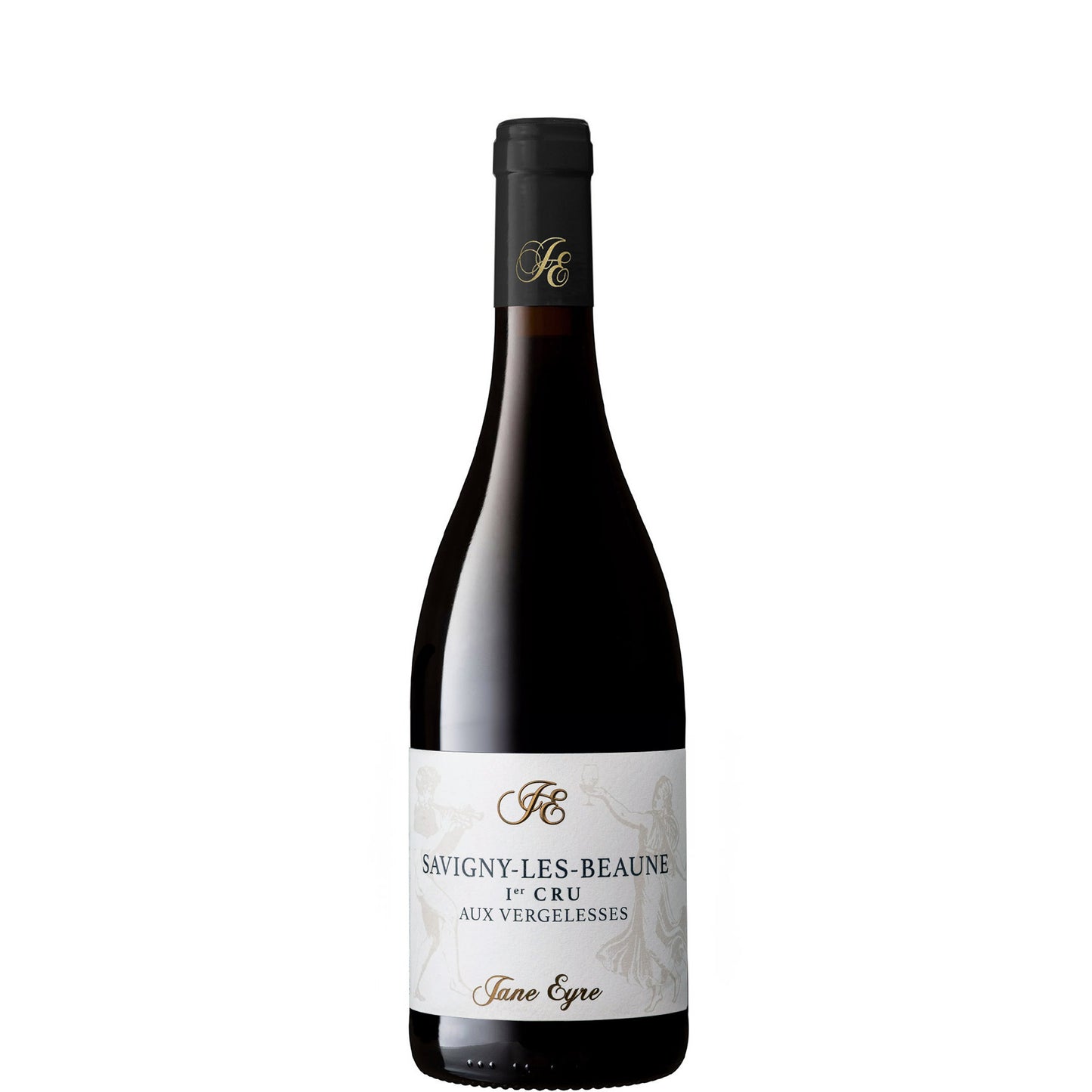
Savigny-lès-Beaune Premier Cru 'Aux Vergelesses', Jane Eyre, 2024
Savigny-lès-Beaune Premier Cru 'Aux Vergelesses', Jane Eyre, 2024
- 75cl
- 13%
- Red Still
- Pinot Noir
Couldn't load pickup availability

Optimal drinking window: 2028 - 2038
"Jane’s longest-standing contract. Always pale, even more so in 2024. Strawberry fruit, a hint of smoke, and a savoury edge on the finish. Restrained oak influence and a delicate, savoury profile."
Stewart Pryce, Honest Grapes Wine Club Manager
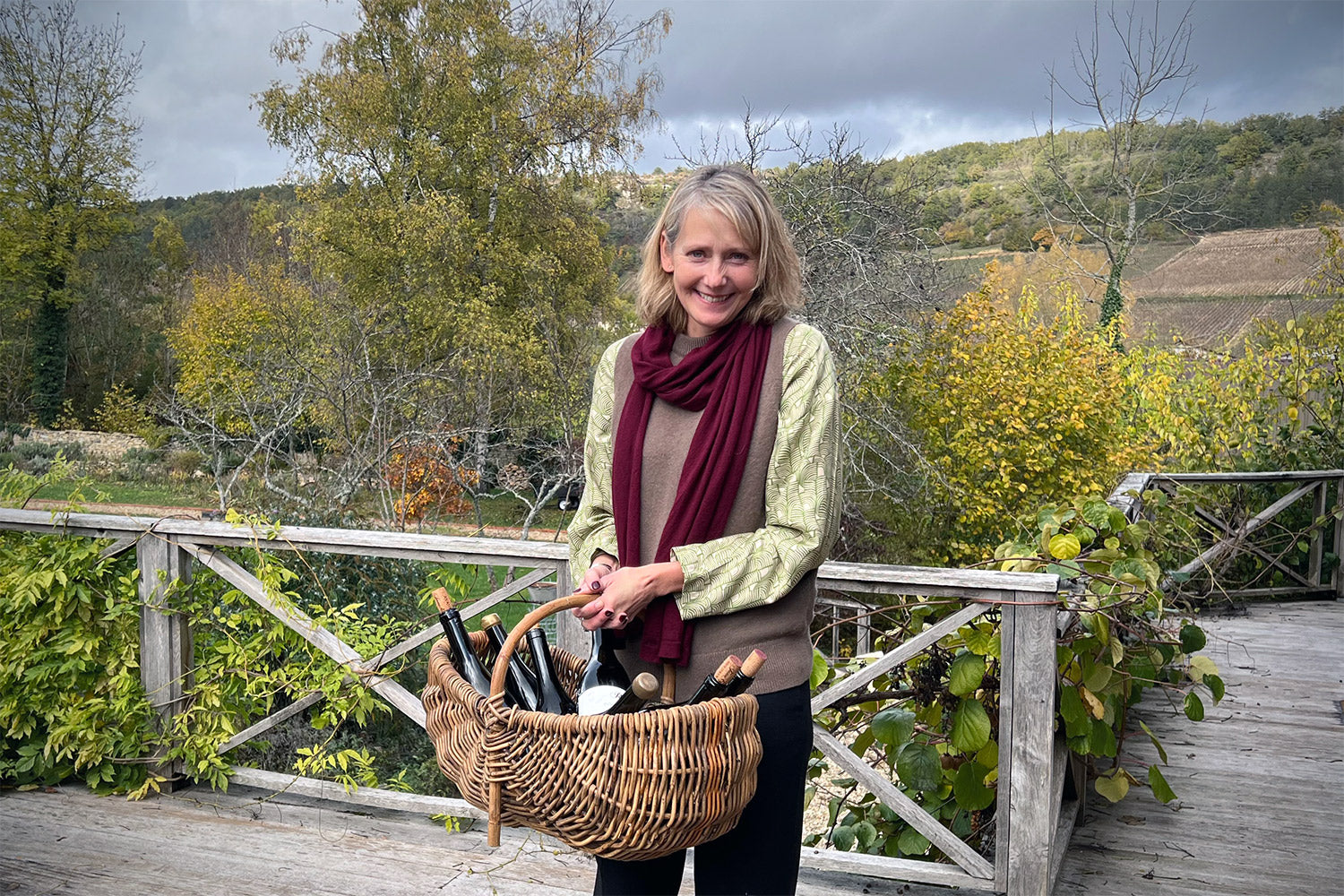
2024 could hardly suit Jane Eyre better. A cool, rain-affected year with low natural alcohols and sharply reduced volumes, it demanded obsessive sorting and restraint in the cellar. Jane delivered both. Sorting varied dramatically by site, with some parcels requiring extraordinary attention, but the results are wines of clarity, finesse, and unmistakable origin.
Les Vergelesses is one of the finest premier cru sites in Savigny-lès-Beaune, sitting on the hill that divides Savigny from Pernand-Vergelesses and sharing the same iron-rich, limestone-laced soils that give the best wines here their unmistakable combination of red-fruited charm and stony grip.
This is Savigny at its most serious without losing any of its approachability. We would give it until 2028 before pulling the cork.
Right now, the 2024 is in its early, tightly coiled phase — the red fruit is vivid but the stony grip still dominates. By 2028, when we'd suggest pulling the cork, the two should start to speak to each other properly, with the iron-laced minerality beginning to integrate and the fruit opening out beyond strawberry into something more complex and spiced. Between 2029 and 2033 or so is likely its sweet spot: the primary freshness of a cool vintage preserved, but with enough bottle age to add texture and depth. After that, it may begin to loosen and soften further, which could suit some drinkers very well. We wouldn't hold much beyond 2035 unless your cellar is impeccable.
What the critics say:
Tasting Notes
AppearanceClear, medium ruby with a bright, slightly translucent rim — youthful but not raw.
NoseRed cherry, dried rose petal, and a cool undercurrent of damp earth and iron. There is a freshness to the fruit — almost cranberry-bright — that speaks to the vintage's natural acidity, and beneath that a faint suggestion of oak that frames rather than intrudes.
PalateSilky in texture but with real structural backbone — the tannins are fine-grained and present, the acidity vibrant and persistent. Red fruit sits at the centre, edged with dried herbs and a stony, slightly saline mineral quality that is very much Les Vergelesses. It is not a big wine; it is a precise one.
FinishLong and quietly mineral, with the fruit fading slowly and the stony, earthy quality taking over — the mark of a wine with somewhere left to go.
Overall impressionA serious, composed premier cru Burgundy that rewards patience as much as it rewards attention.
Food Pairings
In the villages around Beaune, a wine like this would appear on the table alongside poulet de Bresse roasted with tarragon and cream — the kind of dish that lets Pinot Noir's acidity cut through richness without fighting it. Oeufs en meurette, poached eggs in a silky red wine sauce, is another Burgundian classic that mirrors the wine's earthiness beautifully. Further into the colder months, a terrine of duck or rabbit with cornichons would be entirely at home. The Burgundians also have a habit of drinking their lighter premiers crus with river fish — a trout meunière, for example — and it works rather better than you might expect.
We think this wine would go well with
Serve at 15 to 16 degrees Celsius — cool enough to preserve the wine's freshness, warm enough to let the nose open. If drinking in the next two years, a short decant of 20 to 30 minutes will help loosen the tannins and allow the fruit to breathe. A Burgundy-style glass with a wide bowl and a tapering rim is the right vessel here, giving the delicate aromatics room to gather before they reach you.
Les Vergelesses sits on the slope dividing Savigny-lès-Beaune from Pernand-Vergelesses, facing south to south-east at around 280 to 320 metres above sea level. The soils are a mix of red-tinged, iron-rich limestone debris and clay, which gives the wines their characteristic combination of bright acidity, mineral tension, and a faintly rustic, earthy depth that separates them from the more polished premier crus of Beaune itself. The altitude and exposure moderate heat and maintain freshness, even in warmer vintages, and the drainage here is excellent — an important quality in a year like 2024 where rain was a constant companion.
Savigny-lès-Beaune sits just north-west of Beaune, tucked into the valley of the Rhoin river, and is one of Burgundy's most underrated communes — partly because it lacks a grand cru, and partly because its best wines have always lived in the shadow of their more famous neighbours. The appellation produces both red and white, though reds dominate, and the premier crus are split between two distinct slopes: the Vergelesses side (firmer, more mineral, longer-lived) and the Marconnets side (fuller, more immediately approachable). Regulations follow standard Burgundy premier cru rules, with Pinot Noir for reds and Chardonnay for whites; yields are capped and hand-harvesting is essentially universal at this level.
The 2024 growing season in Burgundy was, frankly, a test of nerve. A wet spring brought significant mildew pressure, and vignerons who stayed sharp in the vineyard — working fast, keeping canopies open, reducing yields where necessary — came out the other side with something worth talking about. Summer brought warmer, drier conditions that helped the fruit recover composure, and harvest arrived broadly on the later side, with growers picking carefully to find phenolic ripeness without sacrificing freshness. Quantity was down across much of the Côte, which concentrates minds as much as it concentrates wine.
What emerged is a vintage that rewards those who put the work in. The Pinots we have tasted carry real precision and translucency — not because they are light, but because the acidity is lively and the fruit unforced. Chardonnays from the Côte de Beaune look particularly promising: taut, mineral, with genuine length. This is not a vintage to panic-open. Most village and premier cru reds want three to five years at minimum, with the better appellations drinking well until 2035 and beyond. The whites are more approachable now, though the best will reward patience too.
FAQs
What does this wine taste like?
Think silky red cherry, dried rose, and a faint earthiness — iron-tinged and stony on the finish. It is a precise, structured Pinot Noir with real mineral character rather than a lush, fruit-forward style.
When is the best time to drink this wine?
We would suggest waiting until at least 2028 to let the structure settle, though the most rewarding drinking will likely fall between 2030 and 2035. It should hold well until 2038 in a good cellar.
What food should I serve with this?
Classic Burgundian food is the safest answer: roast chicken, rabbit terrine, oeufs en meurette, or even a trout meunière. The wine's acidity and earthiness make it a natural partner for anything with fat, cream, or a savoury sauce.
Should I decant this wine?
A short decant of 20 to 30 minutes is worthwhile if you are drinking it young. As it ages, it will need progressively less time in the decanter — by 2030 or so, pouring straight into the glass and giving it a few minutes is probably enough.
Is Les Vergelesses worth cellaring?
Yes, with the caveat that patience is required rather than just rewarded. This is a premier cru with genuine structure and a mineral quality that builds over time. If you have a proper cellar, putting this away until 2030 makes a lot of sense.
How does Savigny-lès-Beaune compare to Beaune or Pommard?
Savigny tends to be lighter and more elegant than Pommard, and somewhat less opulent than the best Beaune premiers crus. Les Vergelesses is the exception that proves the rule — it has more grip and longevity than many people expect from Savigny, and it comes at a price that its more famous neighbours rarely manage to match.
Explore related wines


What are you looking for tonight? Tell me the occasion, a grape, a region — or just try a suggestion below.
Your recommendations will appear here.
-
-
Speak to one of our Wine Gurus
Speak to a Wine GuruWith years of experience, our team can help you with all your wine buying and selling needs