

Tagaro, Pinataro Primitivo di Manduria, 2023
Tagaro, Pinataro Primitivo di Manduria, 2023
- 75cl
- 14.5%
- Red Still
- Primitivo
Couldn't load pickup availability

Optimal drinking window: 2026 - 2030
Primitivo di Manduria is Puglia at its most unashamedly bold: ancient vines, intense sunshine, and grapes that accumulate sugar and colour like almost nothing else in Italy. Tagaro's Pinataro is a fine example of the style done with some restraint — concentrated dark fruit, dried fig, and a warm spice quality that feels baked into the wine rather than added to it, with a plush, velvety texture that makes it immediately approachable.
The tannins are firm but well-padded, and there's enough freshness to keep things lively rather than heavy. Drink it now with something substantial — a slow-cooked lamb shoulder, a slab of aged Pecorino, or anything coming off a charcoal grill.
At three years old, the 2023 is already in a very approachable place, with its primary dark fruit doing most of the talking. Over the next two to three years, expect the plum and fig to integrate further, with the savoury, tobacco-tinged quality becoming more pronounced.
Tasting Notes
AppearanceDeep, almost opaque ruby-purple with very little rim variation — classic Primitivo density in the glass.
NoseDark plum, dried fig, and blackberry preserve lead, with a warm undercurrent of cinnamon, tobacco, and a faint whiff of chocolate. There's a sun-ripened quality throughout — ripe rather than jammy, with enough definition to hold your attention.
PalateFull-bodied and generous, with plush tannins that give grip without harshness. The fruit is concentrated — stewed dark berries, a touch of prune — balanced by a savoury, slightly earthy quality that stops it from feeling sweet. Good structure for the weight.
FinishLong and warming, with spice and dried fruit lingering well past the swallow.
Overall impressionA generous, characterful Primitivo that earns its weight without losing its footing.
Food Pairings
In Puglia, a wine like this would most naturally end up alongside 'gnummareddi' — little rolls of lamb offal grilled over open coals, a Salento speciality that demands something bold enough to keep up. Slow-braised horsemeat ragù, still eaten in the Taranto area, is another natural match. Aged Canestrato Pugliese cheese, with its sharp, crumbly bite, works brilliantly with the wine's plush tannins. In summer, anything coming off a wood-fired grill — sausages, lamb chops, charred aubergine — is fair game. This is food-friendly wine in the most honest sense.
We think this wine would go well with
Serve at around 17-18°C — any warmer and the alcohol can feel heavy. This wine will benefit from 30 to 45 minutes in a decanter, which loosens the tannins and lets the fruit breathe without blowing off the more interesting savoury notes. A large-bowled red wine glass works best, giving the wine room to open up. Don't rush it.
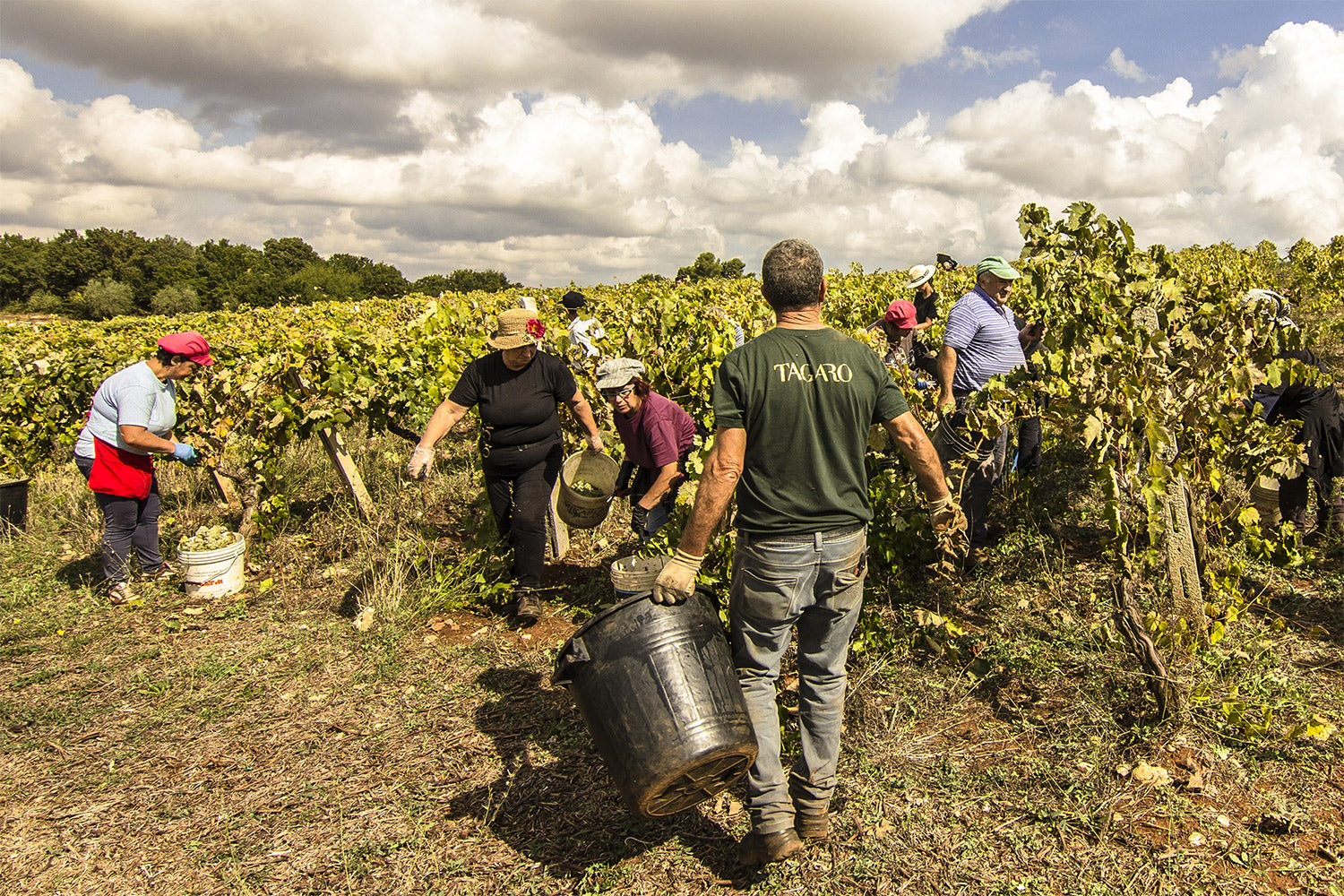
Primitivo di Manduria sits on the Salento peninsula in southern Puglia, where the soils are a mixture of red clay and limestone — locally called 'terra rossa' — that retain just enough moisture to keep the vines from stress in the fierce summer heat. Altitude is low, and the climate is unambiguously Mediterranean: long, hot, dry summers with reliable sunshine that pushes Primitivo to full phenolic ripeness almost every year. The Adriatic and Ionian Seas provide some moderating influence, but this is fundamentally warm-climate viticulture, and the wines show it.
Primitivo di Manduria received DOC status in 1974 and was elevated to DOCG for its sweet Dolce Naturale style in 2011, though the dry table wine remains a DOC. The rules require a minimum of 85% Primitivo, though most producers use 100%. Minimum alcohol is 14% for the dry style — a reflection of just how ripe these grapes get. It sits within the broader Puglia wine landscape alongside IGT Salento, but carries more specific geographic identity, centred on the town of Manduria and the surrounding communes in the province of Taranto.
FAQs
What does this wine taste like?
Rich, dark, and plush — concentrated plum, dried fig, and a warm spice character, with firm but smooth tannins and a long finish. It has weight without being heavy, and enough savoury depth to stay interesting.
When should I drink this wine?
It is drinking well now and will continue to do so until around 2030. This is not a wine that needs years in a cellar — the fruit is at its most expressive right now, and that is exactly where you want it.
What food should I pair it with?
Think bold, grilled, or slow-cooked: lamb chops, barbecued sausages, braised beef, or a substantial pasta with meat ragù. Aged cheeses — Pecorino, Manchego, or a sharp Cheddar — also work very well alongside the tannins.
How should I serve it?
Serve at around 17-18°C in a large-bowled red wine glass, and give it 30 to 45 minutes in a decanter first. It opens up considerably with a bit of air and loses none of its character in the process.
Is Primitivo di Manduria worth cellaring?
Not particularly for the long term. Primitivo from Manduria is built for pleasure rather than patience. The 2023 will hold until around 2030, but there is little to gain by waiting beyond that — drink it while the fruit still has life.
What is Primitivo di Manduria?
It is a DOC from southern Puglia in Italy, made primarily from the Primitivo grape — the same variety as California's Zinfandel, though the wines taste quite different. Manduria produces some of the most concentrated and full-bodied examples, shaped by intense sunshine, low yields, and ancient vines on red clay and limestone soils.



What are you looking for tonight? Tell me the occasion, a grape, a region — or just try a suggestion below.
Your recommendations will appear here.
-
-
Speak to one of our Wine Gurus
Speak to a Wine GuruWith years of experience, our team can help you with all your wine buying and selling needs