

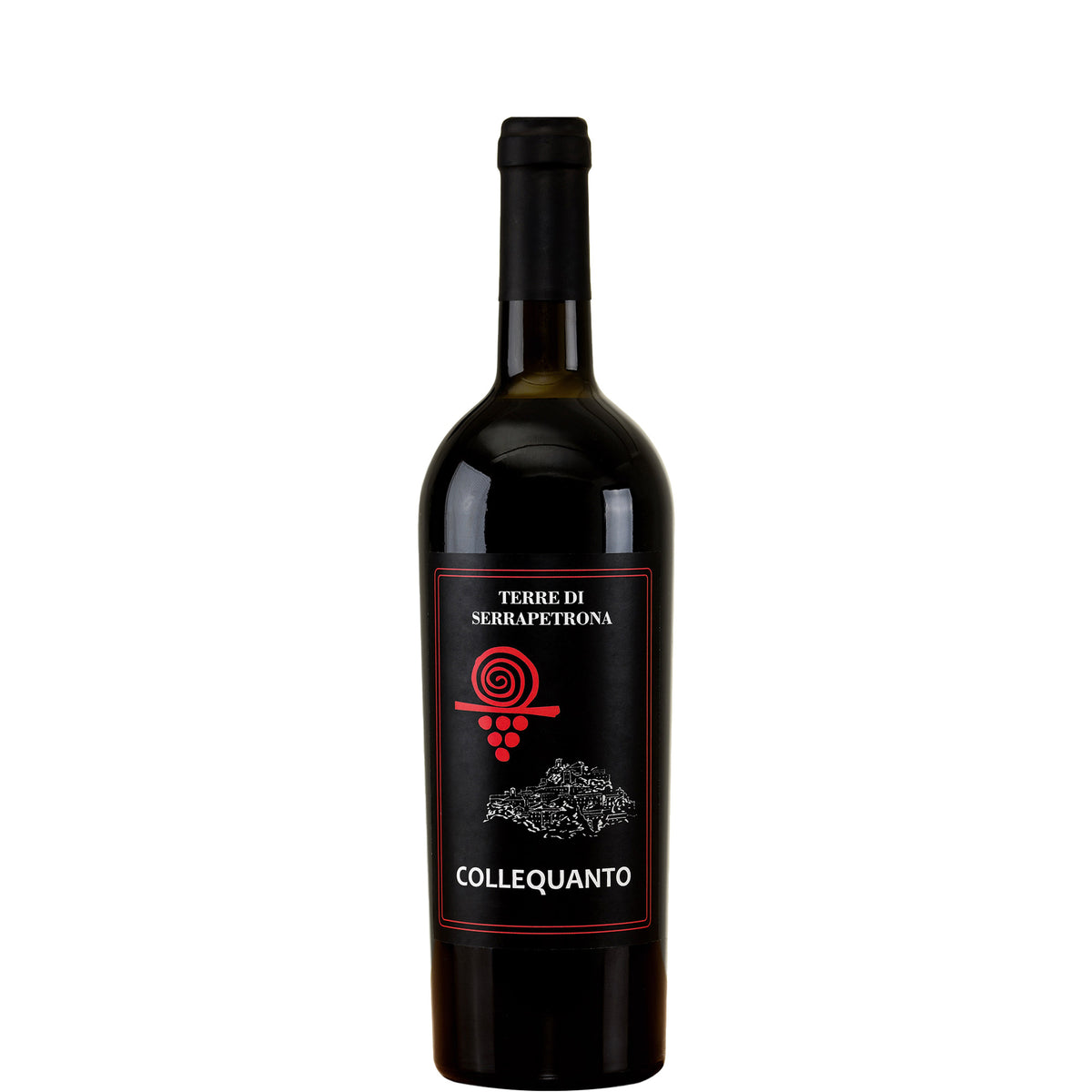
Terre di Serrapetrona, Collequanto, Serrapetrona, 2015
Terre di Serrapetrona, Collequanto, Serrapetrona, 2015
- 75cl
- 13.5%
- Red Still
- Vernaccia Nera
Couldn't load pickup availability

Optimal drinking window: 2026 - 2032
Serrapetrona is one of Italy's most obscure DOCGs, and Collequanto is one of very few wines that actually does it justice. Made entirely from Vernaccia Nera, this is a dry, still red from Terre di Serrapetrona, the estate that has done more than anyone to champion the variety. The 2015 vintage brought concentration and ripeness without losing the grape's native edge: that slightly austere, mineral backbone that makes it so compelling at the table.
This is not a wine that flatters immediately. It earns its keep over a long meal. Dark fruit, dried herbs, a whiff of tobacco, and tannins that are grippy but well-knit by now. A genuinely rare thing: a serious Italian red from a grape most sommeliers couldn't name.
By 2026, the primary fruit has largely integrated and the wine is entering a more complex, secondary phase — dried herbs, earth, and tobacco are coming forward in a way that feels earned rather than aged-out. The tannins, once quite grippy, have knitted into the structure and should remain so until around 2029 or 2030. Drink by 2032 for the best of what it has to offer.
Tasting Notes
AppearanceDeep garnet, still dense at the core with a faintly brick-tinged rim after a decade.
NoseDark cherry, dried violet, and a breath of tobacco lead the way, with wild herbs and a faint earthiness underneath. There is something almost macerated about it — concentrated and slightly brooding, but not heavy.
PalateMedium to full-bodied, with the kind of firm, chalky tannins that Vernaccia Nera makes its signature. Dark fruit — plum, blackberry — sits alongside dried herbs and a mineral, almost stony quality that runs through the mid-palate. The acidity keeps everything lifted.
FinishLong, savoury, and quietly smoky, with a dry, slightly bitter close in the best Italian tradition.
Overall impressionA wine of genuine character from a grape that deserves far more attention than it gets.
Food Pairings
In Le Marche, this would find its ideal partner on a Sunday table alongside vincigrassi — the region's rich, slow-cooked lasagne layered with offal ragù and béchamel. It is equally at home with porchetta from the local markets, seasoned with rosemary and garlic and served in thick slabs. Grilled lamb with wild herbs, or aged Pecorino dei Monti Sibillini, would both play beautifully to the wine's earthy, mineral character. Locals would not overthink it: a wood fire, good bread, something slow-cooked.
We think this wine would go well with
Serve at 17 to 18°C — any warmer and the tannins can feel a little stern. Decanting for 30 to 45 minutes will open the wine up and soften the edges; it is a wine that rewards a bit of air without needing the full hour-plus treatment of a younger Barolo. A standard Bordeaux-shaped glass works well, giving the wine enough room to breathe without diffusing the aromatics.
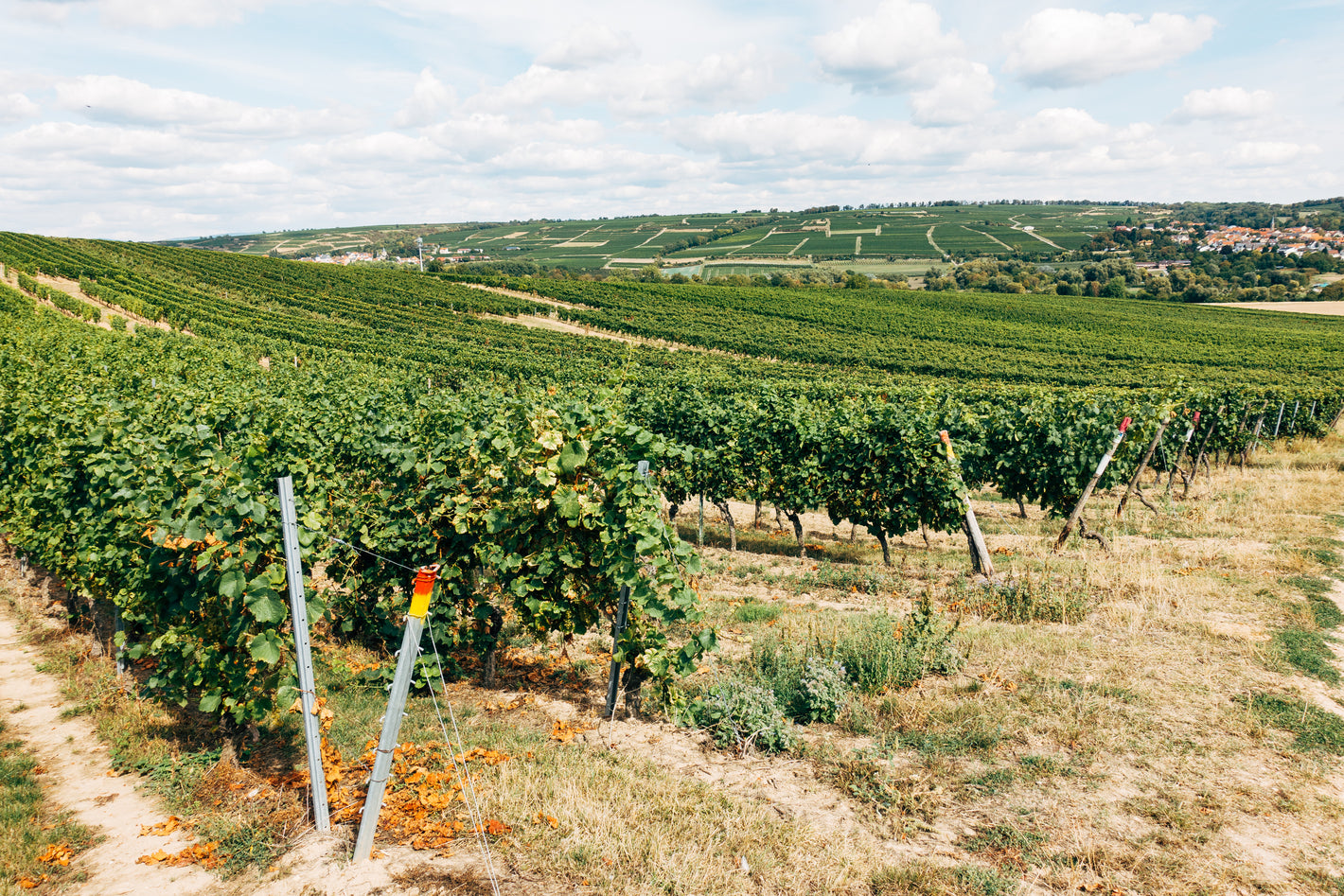
The vineyards sit in the hills of the Marche Apennines at around 400 to 500 metres elevation, where the altitude keeps temperatures in check during ripening and maintains freshness in the finished wine. Soils are predominantly clay and limestone, giving the wines their firm structure and mineral quality. The continental climate, with cold winters and warm, dry summers, encourages concentration in Vernaccia Nera's naturally thick-skinned berries.
Serrapetrona DOCG is one of Italy's smallest and least-known appellations, covering a tiny area in the province of Macerata in Le Marche. The DOCG rules permit both a sparkling wine (the more traditional style, which can be secco, amabile, or dolce) and a still dry red under the Vernaccia di Serrapetrona DOC. Collequanto falls into the latter category, made from 100% Vernaccia Nera vinified as a still wine, which is the rarer and arguably more compelling expression of the grape.
The 2015 growing season across Marche was defined by heat and drought, with a dry summer that concentrated sugars rapidly and put growers under pressure to pick at the right moment rather than the convenient one. Those who read the vintage well brought in fruit with real depth and structure; those who waited too long found alcohol running ahead of phenolic ripeness. It was a vintage that rewarded attentiveness over formula, which in a region that has been quietly overhauling its approach to the cellar for the better part of two decades, meant the results were often very good indeed.
The wines that emerged tend to be fuller-bodied and richer than the regional norm, with Verdicchio showing waxy, stone-fruit richness rather than its more typical citrus snap, and Montepulciano d'Abruzzo's close cousin in the south of the region producing reds with serious grip and dark fruit that still have plenty to give. The best reds from 2015 are drinking well now but will repay patience until 2025 to 2028; the whites are best enjoyed sooner rather than later.
FAQs
What does Collequanto taste like?
Dark cherry, dried violet, tobacco, and wild herbs, with firm chalky tannins and a long, savoury, mineral finish. It has the slightly austere, earthy quality that marks good Vernaccia Nera — this is a food wine, not a fruit-forward crowd-pleaser.
What is Vernaccia Nera?
An indigenous red grape grown almost exclusively in the hills around Serrapetrona in Le Marche, central Italy. It has nothing to do with Vernaccia di San Gimignano, which is a white variety. Vernaccia Nera is thick-skinned, naturally high in tannin and acidity, and makes wines of real structure and mineral character.
When should I drink this wine?
Now until 2032. The 2015 is in a lovely place in 2026 — the fruit has settled and secondary complexity is emerging. It will hold well for another five or six years, but there is no need to wait any longer than that.
What food should I serve with it?
Anything slow-cooked and savoury. A lamb ragù, a rich lasagne, braised pork, or aged sheep's cheese. The firm tannins and earthy character need something substantial alongside them — this is not a wine to drink on its own before dinner.
How should I serve it?
At around 17 to 18°C, with a 30 to 45 minute decant. It opens up well with air and the tannins soften without losing their shape. A standard large red wine glass is all you need.
Is this wine worth cellaring?
It is already drinking well, so cellaring is about preference rather than necessity. If you have a bottle and the patience, it will continue to develop until around 2030. The window is real but not enormous.

OUR GROWERS
Terre di Serrapetrona
Explore related wines


What are you looking for tonight? Tell me the occasion, a grape, a region — or just try a suggestion below.
Your recommendations will appear here.
-
-
Speak to one of our Wine Gurus
Speak to a Wine GuruWith years of experience, our team can help you with all your wine buying and selling needs