

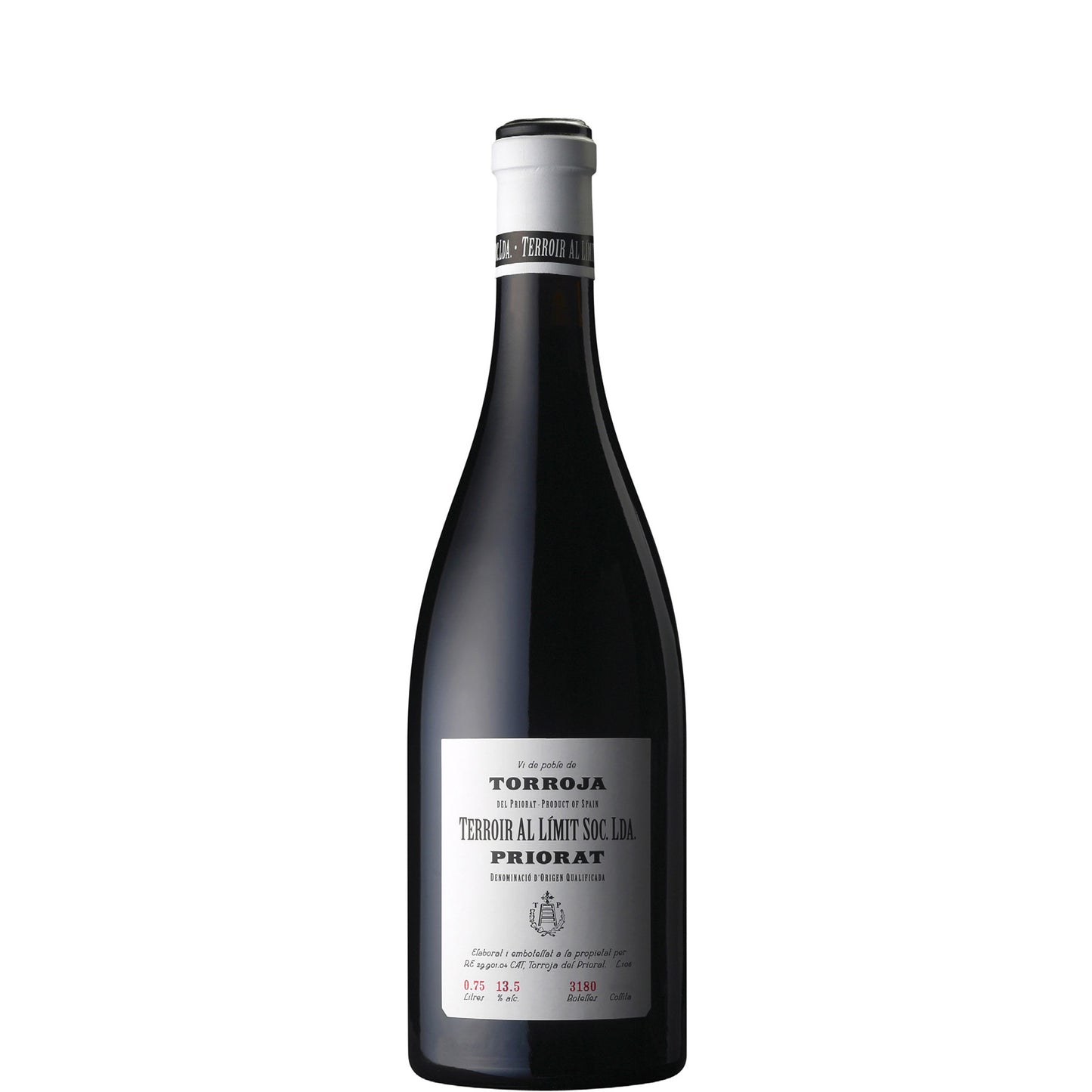
Terroir Al Limit, Torroja Vi de Vila, 2017
Terroir Al Limit, Torroja Vi de Vila, 2017
- 75cl
- 14%
- Red Still
- Garnacha, Cariñena
- Organic
- Biodynamic
- Vegan
Couldn't load pickup availability

Optimal drinking window: Now - 2035
The 2017 Torroja Vi de Vila from Terroir al Límit is a beautifully expressive Priorat red. A blend of Garnacha and Cariñena, it shows lifted aromas of red berries, herbs, and crushed stone, with subtle floral and spice notes. On the palate, it’s vibrant and refined, with fine tannins, bright acidity, and a mineral-driven finish that gives freshness and depth.
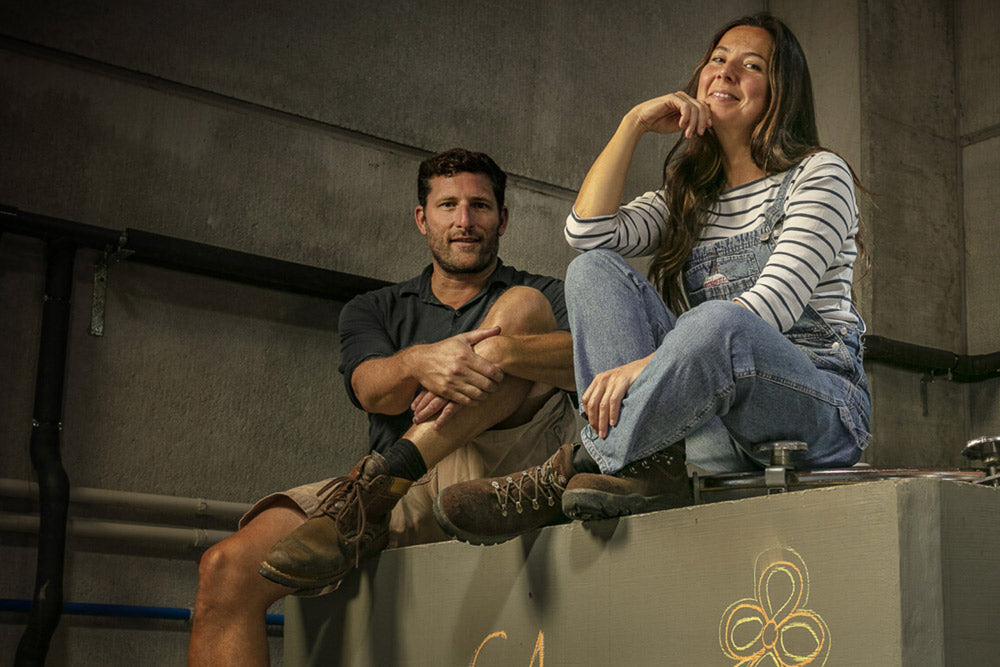
Terroir al Límit was founded in 2001 by Dominik Huber and the late Eben Sadie, and has since evolved into one of Priorat’s benchmark estates. Based in the village of Torroja del Priorat, the winery works with old-vine Garnacha and Cariñena, often from steep, schist-rich vineyards that define the region’s dramatic landscape. Huber’s vision has always been to move away from the heavy, oak-laden style that once dominated Priorat, instead pursuing balance, transparency, and elegance.
At nine years old, the 2017 Torroja Vi de Vila is in an excellent place: the primary dark fruit is still vibrant but has started to integrate with the wine's mineral and structural elements in an interesting way. Over the next three to four years, we would expect the schist-driven mineral character to become more pronounced as the fruit settles, with secondary complexity — dried herbs, iron, perhaps a little leather — beginning to emerge more clearly. Peak drinking is likely around 2027-2030, where the tannins will have fully resolved and the wine should offer the most complete picture. After 2032, it may begin to shed some of its freshness and fruit definition, though well-stored bottles could hold until 2035 without difficulty.
What the critics say:
"A dark and fruity wine with lots of blue fruit and graphite character. Lead pencil. Medium to full body. Firm tannins. A beauty. 50/50 garnacha and cariñena. Drinkable now, but will age beautifully."
Tasting Notes
AppearanceDeep ruby with a violet core, bright at the rim and clear in the glass.
NoseDark cherry and blackberry with a distinctive streak of graphite and pencil shavings. Underneath, there is crushed stone and a faint dried herb quality — wild thyme, perhaps — that speaks directly to those steep schist vineyards. It is precise and aromatic without being showy.
PalateFine-grained tannins and lively acidity give the wine a real sense of structure and drive. The fruit is dark and focused — blue plum, black cherry — with a stony, mineral backbone that runs clean through the mid-palate. It is medium to full in body but never heavy, the kind of wine that keeps you returning to the glass.
FinishLong and mineral, with a lingering graphite and dark fruit echo that fades slowly and cleanly.
Overall impressionA Priorat that earns its reputation through precision and restraint rather than brute force.
Food Pairings
In the villages around Priorat, this style of wine finds its natural home alongside slow-cooked lamb with rosemary and garlic, or a cargols a la llauna — snails cooked on a metal tray with olive oil, chilli, and romesco sauce, a Catalan staple that matches the wine's mineral edge perfectly. Grilled botifarra negra, the region's dark blood sausage, is another natural companion, its richness cut neatly by the wine's acidity. Aged Manchego or a local Garrotxa cheese with membrillo would also work well. The wine has the structure to stand up to earthy, herb-driven dishes without needing anything elaborate.
We think this wine would go well with
Serve at around 16-17°C — cool enough to keep the acidity lively, not so cold that the fruit shuts down. Decanting for thirty to forty-five minutes will open the wine up nicely; it has had nine years in bottle but benefits from a little air to fully express itself. A large-bowled Burgundy-style glass suits it well, giving the aromatic complexity room to develop without losing the wine's focus.
The vineyards around Torroja del Priorat sit on the region's defining llicorella — black and brown schist with quartz veins — a poor, rocky soil that stresses the vines into producing small, concentrated berries with naturally high acidity. Altitudes range from around 400 to 700 metres, which moderates the fierce Catalan heat and preserves the freshness that defines this estate's wines. Old vines, some over sixty years of age, have roots deep enough to find moisture through the driest summers. The combination of thin soils, altitude, and Mediterranean sun creates wines of grip and minerality rather than sheer weight.
Priorat (DOCa, Spain's second denominación de origen calificada after Rioja) sits inland from Tarragona in Catalonia, carved out of dramatic, near-vertical hillsides. It earned its elevated status largely on the back of a 1990s revolution led by a handful of producers who showed the world that Garnacha and Cariñena, properly farmed on llicorella, could produce genuinely world-class wine. The rules demand low yields and permit only Garnacha, Cariñena, and a handful of other varieties. Unlike its neighbour Montsant, which encircles it, Priorat commands significantly higher prices and produces wines with a distinctly mineral, structured character that sets them apart from the rest of Catalonia.
The 2017 growing season across Priorat was defined by heat and drought, with a dry spring accelerating vine development and a hot, arid summer that pushed sugar accumulation quickly. Yields were low — even by Priorat's already punishing standards — which concentrated the fruit further. Garnacha and Cariñena, both well adapted to stress and the region's llicorella slate soils, handled the conditions better than most varieties would. The harvest came in early, and the wines that emerged have an intensity and density that reward patience but don't punish those who are drinking them now.
The 2017s are powerful, structured wines with fruit that sits deep rather than forward. Where the best producers exercised restraint in extraction, the results are serious, long-lived bottles that are just beginning to open up. We'd say most are in a good place now with a decant, but the top expressions from producers like Álvaro Palacios or Clos Mogador have plenty of road ahead — drinking well until 2030 and beyond for the finest examples. Worth the wait. Worth buying now.
FAQs
What does this wine taste like?
Dark cherry and blackberry with a strong graphite and crushed stone character that reflects Priorat's distinctive schist soils. The palate is structured and mineral-driven, with fine tannins and bright acidity, rather than the heavy, extracted style that once defined the region. It is precise and focused rather than immediately generous.
When should I drink this wine?
It is drinking very well now, with nine years of bottle age giving it real integration and complexity. We would drink it confidently from now until around 2032, with the sweet spot likely around 2027-2030 when the tannins will be fully resolved and the mineral complexity at its most complete. Well-stored bottles should hold until 2035.
What food should I pair with this wine?
Slow-roasted lamb with herbs is the classic match, but it is equally at home with grilled botifarra sausage, Catalan romesco-dressed dishes, or aged sheep's milk cheese. The mineral acidity means it cuts through rich, fatty food well without needing anything particularly elaborate on the plate.
Should I decant this wine?
Yes, briefly. Around thirty to forty-five minutes in a decanter will open the wine up and allow the aromatic complexity to develop fully. It is not a wine that needs hours of air — it has had nine years in bottle already — but a little time away from the bottle makes a real difference.
Is this wine worth cellaring further?
If you have bottles already, there is no urgency to open them immediately. The wine has the structure and acidity to develop further until around 2030-2032, gaining more secondary complexity as it goes. Beyond that, it will hold rather than improve, so we would not cellar it indefinitely.
What makes Terroir al Límit different from other Priorat producers?
The estate was founded specifically to move away from the blockbuster, heavily oaked style that made Priorat famous in the 1990s. Dominik Huber's approach is about transparency and restraint — farming organically on steep schist slopes, keeping yields very low, and using minimal intervention in the cellar. The result is wines that feel more like fine Burgundy in their precision than the powerful Priorat of earlier generations.
OUR GROWERS
Terroir Al Limit


What are you looking for tonight? Tell me the occasion, a grape, a region — or just try a suggestion below.
Your recommendations will appear here.
-
-
Speak to one of our Wine Gurus
Speak to a Wine GuruWith years of experience, our team can help you with all your wine buying and selling needs