

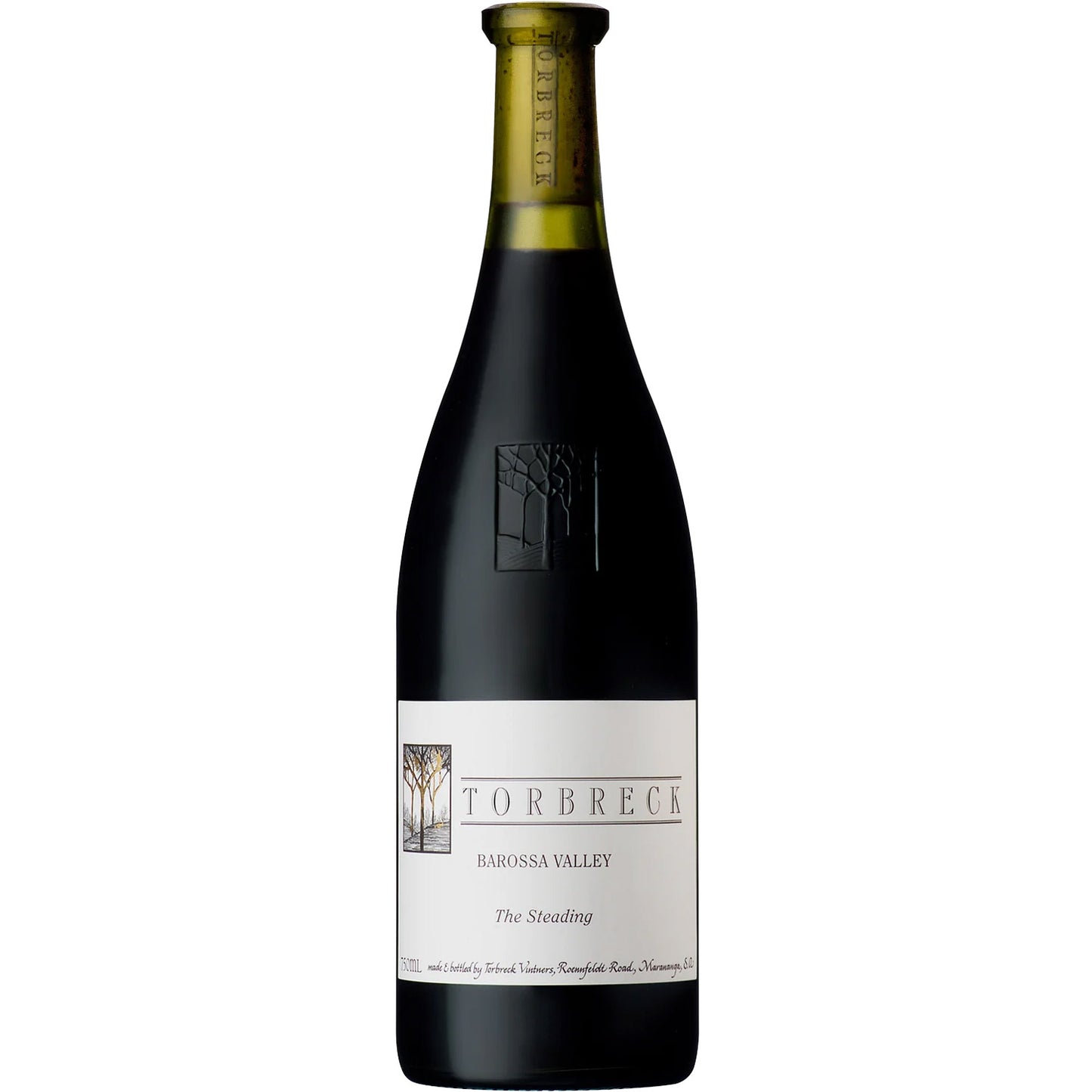
Torbreck Vintners, The Steading Red, 2024 - 3L
Torbreck Vintners, The Steading Red, 2024 - 3L
- 300cl
- 15.5%
- Red Still
- Grenache, Shiraz, Mataro
Couldn't load pickup availability

Optimal drinking window: 2026 - 2034
Est. delivery in early spring, 2027
In the Scottish Highlands, a “steading” refers to a cluster of barns and outbuildings on a farm—a fitting name for this grounded yet expressive blend. In the Barossa Valley, Grenache, Mataro (Mourvèdre), and Shiraz each bring something distinctive to the table, but when blended, they create something truly special: a rich, layered wine with earthy depth and real character.
The Steading is crafted from some of the oldest surviving vines in the region—remarkably resilient plants that made it through both the global phylloxera crisis of the 1880s and the vine-pull scheme of the 1980s. These ancient vines are at the heart of Torbreck’s mission, and this wine is a reflection of the history, resilience, and potential of Barossa’s heritage varieties.
What the critics say:
"The Steading is a 57% Grenache, 33% Shiraz, and 10% Mataro blend, and it is another vintage in a run of stellar wines under this label. With more weight, darkness and power than the beautiful 2023, this is a purple-fruit-soaked wine with an extraordinary stance on the palate, and the aura here is of a very grand wine, and it is always a bargain price! With 5000 cases made, this suave creation is absolutely extraordinary, and I cannot recommend it enough."
"The 2024 The Steading is complex and full of flavor but not weight on the palate. This is a wine that shows ripe, dense fruit, with blood plum, pomegranate, blackberry and dark chocolate in profusion, alongside notes of licorice, clove and star anise. This is very good and has fine tannins. This is a blend of Grenache (50%), Shiraz (30%) and Mataro/Mourvedre (20%). There is sweet fruit on the mid-palate. 15.5% alcohol, sealed under natural cork. Drink 2026-2034."
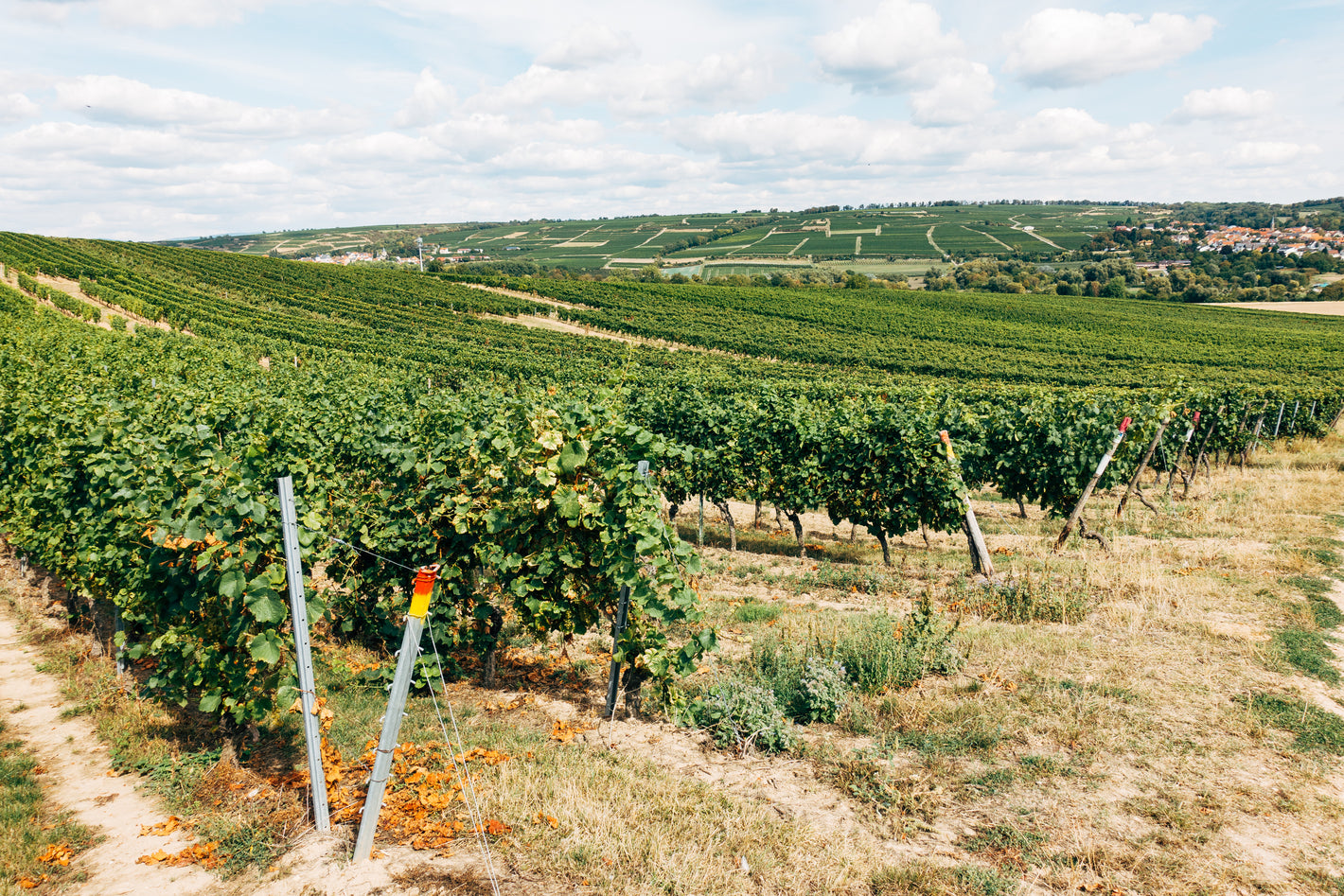
The Steading draws on fruit from across the Barossa Valley floor, where deep alluvial soils over clay and ironstone give the vines reliable moisture retention through the dry, hot summers. Old bush vines — many planted in the late 19th and early 20th centuries — yield tiny quantities of intensely flavoured fruit precisely because they've never been irrigated. The continental climate, with scorching days and cool nights, pushes ripeness quickly but preserves the aromatic lift that keeps these wines from tipping into jamminess.
The Barossa Valley GI sits in South Australia roughly 60 kilometres north-east of Adelaide and is widely regarded as Australia's most historically significant red wine region. It is particularly celebrated for old-vine Shiraz and Grenache, with some of the oldest continuously producing Grenache and Shiraz vines in the world. There are no strict blending rules within the GI, which gives producers like Torbreck freedom to work in a Rhône idiom — blending Grenache, Shiraz, and Mourvèdre — without restriction. The neighbouring Eden Valley, higher and cooler, is a separate GI; together they form what is commonly marketed as 'the Barossa', though the terroirs are quite different.
The 2024 vintage in Barossa Valley arrived after a growing season that kept growers on their toes. A relatively cool and drawn-out ripening period helped preserve natural acidity — something the Barossa doesn't always get for free — while avoiding the extreme heat events that have periodically hammered the region in recent years. Yields were broadly healthy, and the measured pace of the season gave growers time to pick at genuine flavour maturity rather than racing the thermometer. It is the kind of vintage where patience in the vineyard tends to show up in the glass.
The results lean toward wines with more precision and freshness than the region's blockbuster reputation might suggest. Shiraz, the obvious starting point, produced wines with real density but without the jammy weight that can overwhelm lesser vintages. Grenache and Mataro also look well-shaped, with Grenache in particular showing the pure red-fruited transparency that makes the variety so compelling in the right hands. These are early days, and the bigger Shiraz-based wines will reward patience — most serious examples will be drinking well from 2027 and many will hold comfortably until 2035 or beyond.

Explore related wines


-
-
Speak to one of our Wine Gurus
Speak to a Wine GuruWith years of experience, our team can help you with all your wine buying and selling needs