

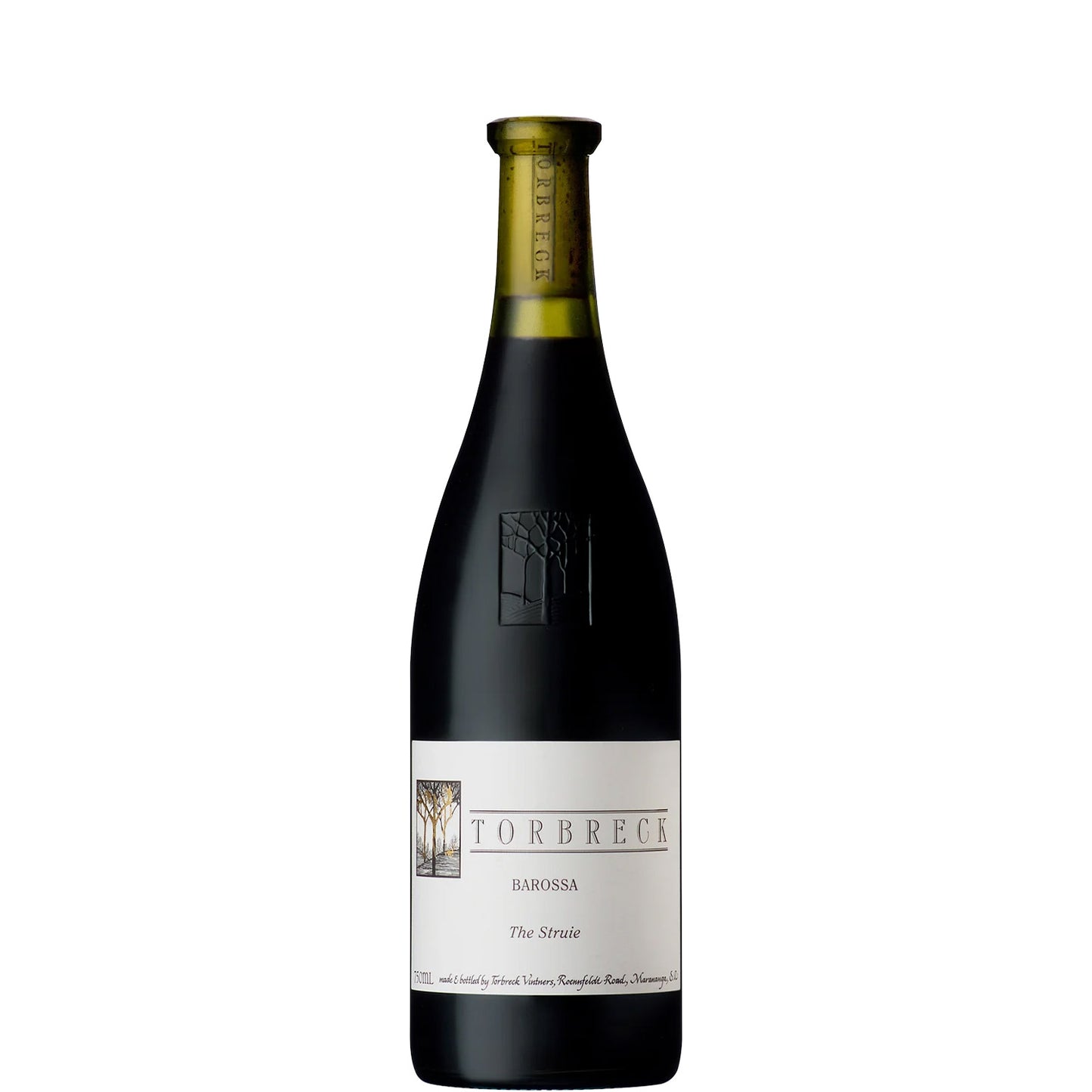
Torbreck Vintners, The Struie, 2024
Torbreck Vintners, The Struie, 2024
- 75cl
- 15%
- Red Still
- Shiraz
Couldn't load pickup availability

Optimal drinking window: 2026 - 2040
Est. delivery in early spring, 2027
Torbreck was established in 1994 from the resurrection of old vines vineyards that had fallen into disrepair on selected sites in The Barossa Valley. Twenty five years later Torbreck makes 19 different cuvées to continued acclaim, sourcing fruit from a number of old, some might say ancient, dry-farmed vines in vineyards.
It will come as no surprise to anyone who has tasted them that Torbreck’s wines have been something of a tribute to the great wines of the Rhône Valley while remaining essentially Barossa.
The Eden Valley is a cooler region, situated to the west of the Barossa Valley. It's a high-altitude area of between 400 and 500 metres, compared with the Barossa Valley’s elevation of 200 to 300 metres. This higher altitude and 1 to 2 weeks later ripening pattern results in more distinctive varietal flavour characteristics, lower pH and higher acidities.
The Struie is a skilful blend of fruit from a 40 year old Eden Valley Shiraz vineyard and an 80 year old Barossa Shiraz vineyard.
What the critics say:
"Deep, dark red-purple colour with terrestrial aromas summning dry earth, terracotta, forest underbrush on a hot day, and chocolate. Full bodied and fleshy with loads of supple ripe tannins and smooth, supple texture. There’s a subtle vegetable note that reminds us we are in Eden Valley for at least part of the wine – traces of sage and raspberry that are typical of the higher country. The wine has elegance and harmony aplenty. Drink 2026-2042."
"Made from 70% Barossa and 30% Eden Valley Shiraz, this is a stunningly deep and cool wine, with wells of dark fruit and a sleek feel throughout. The black-ink hue, with purple fruit, punctuated by dry spices, and with an incredibly long finish, this is an erudite The Struie, and the balance and class here are world-class. This is certainly one of the longest and most elegant The Struie I have tasted. While the overall theme is elegance, the finish is rigid and commanding, guaranteeing a long life ahead here."
"The 2024 The Struie is from Barossa Valley (70%) and the balance Eden Valley. The blend composition changes year to year. This is silky and dark, velvety and intense in the mouth. I love the hedonistic way of this wine – it carries the alcohol and the weight with ease. While ripe and powerful, it feels effortless and polished. The blue fruit/graphite component contributed by the Eden Valley fruit is an important part of the way this wine tastes. 15.5% alcohol, sealed under natural cork. Drink 2026-2039."
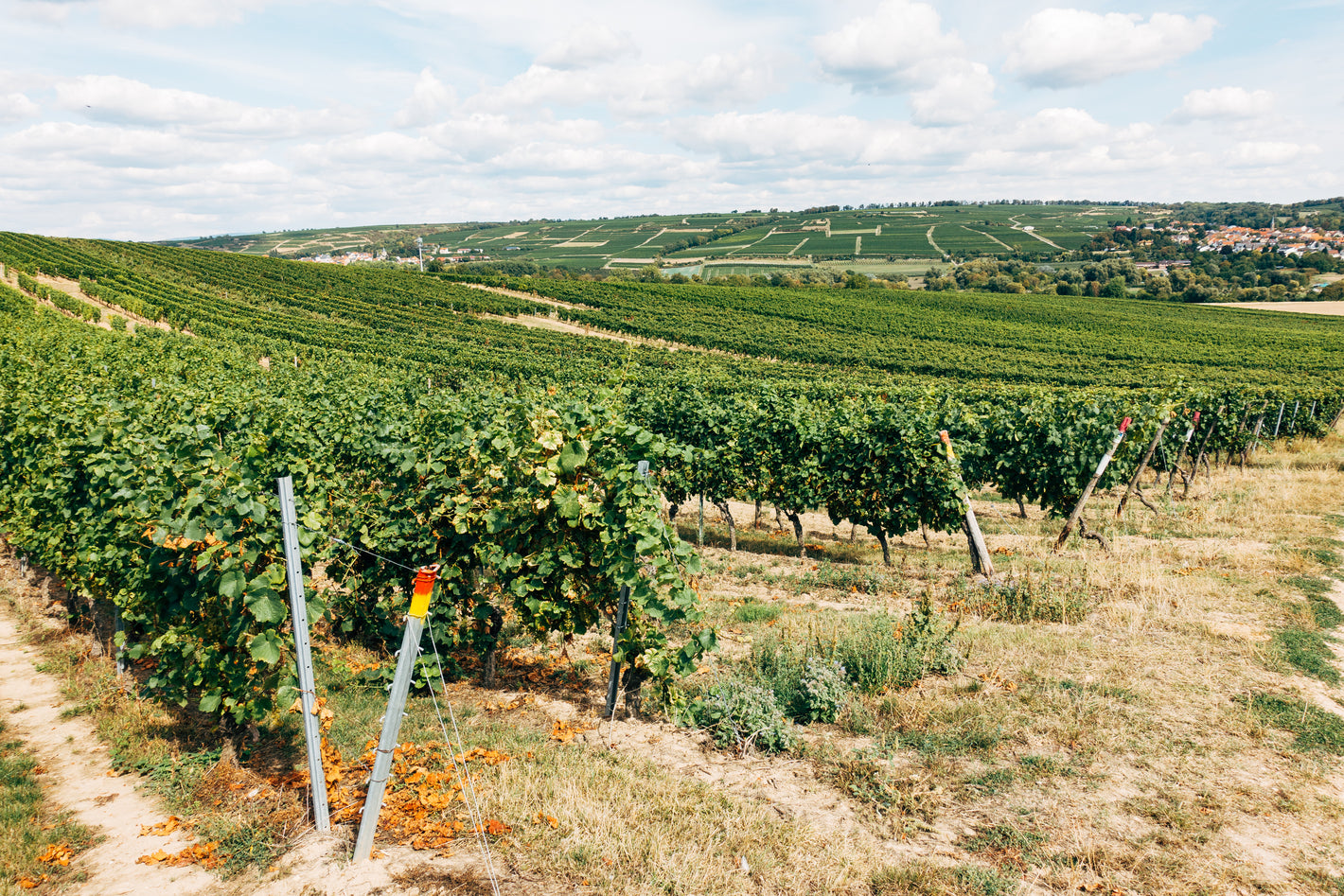
The Struie draws fruit from two distinct zones: the Barossa Valley floor, where deep alluvial and red-brown soils over clay deliver weight, richness, and that characteristic dark fruit concentration; and the Eden Valley, sitting 400 metres higher, where poorer soils and cooler nights contribute brightness, pepper, and lift. This contrast is the wine's engine — the valley gives it body, the hills give it spine. The Barossa's Mediterranean-influenced climate, hot dry summers and mild winters, means fruit ripens reliably and fully, though the Eden Valley component adds a crucial counterbalance.
The Barossa Valley GI sits north of Adelaide in South Australia and is one of Australia's most significant wine regions by both volume and reputation. It is particularly associated with old-vine Shiraz, some planted in the 1840s and 1850s by Silesian and British settlers, and has no equivalent for vine age anywhere in the world. There are no strict appellation rules governing yields or winemaking in the way European AOCs operate, giving producers freedom but also placing the burden of quality entirely on their own choices. The Barossa sits alongside the Eden Valley under the broader Barossa GI umbrella, though the two sub-regions have markedly different characters.
The 2024 vintage in Barossa Valley arrived after a growing season that kept growers on their toes. A relatively cool and drawn-out ripening period helped preserve natural acidity — something the Barossa doesn't always get for free — while avoiding the extreme heat events that have periodically hammered the region in recent years. Yields were broadly healthy, and the measured pace of the season gave growers time to pick at genuine flavour maturity rather than racing the thermometer. It is the kind of vintage where patience in the vineyard tends to show up in the glass.
The results lean toward wines with more precision and freshness than the region's blockbuster reputation might suggest. Shiraz, the obvious starting point, produced wines with real density but without the jammy weight that can overwhelm lesser vintages. Grenache and Mataro also look well-shaped, with Grenache in particular showing the pure red-fruited transparency that makes the variety so compelling in the right hands. These are early days, and the bigger Shiraz-based wines will reward patience — most serious examples will be drinking well from 2027 and many will hold comfortably until 2035 or beyond.
Explore related wines



-
-
Speak to one of our Wine Gurus
Speak to a Wine GuruWith years of experience, our team can help you with all your wine buying and selling needs