

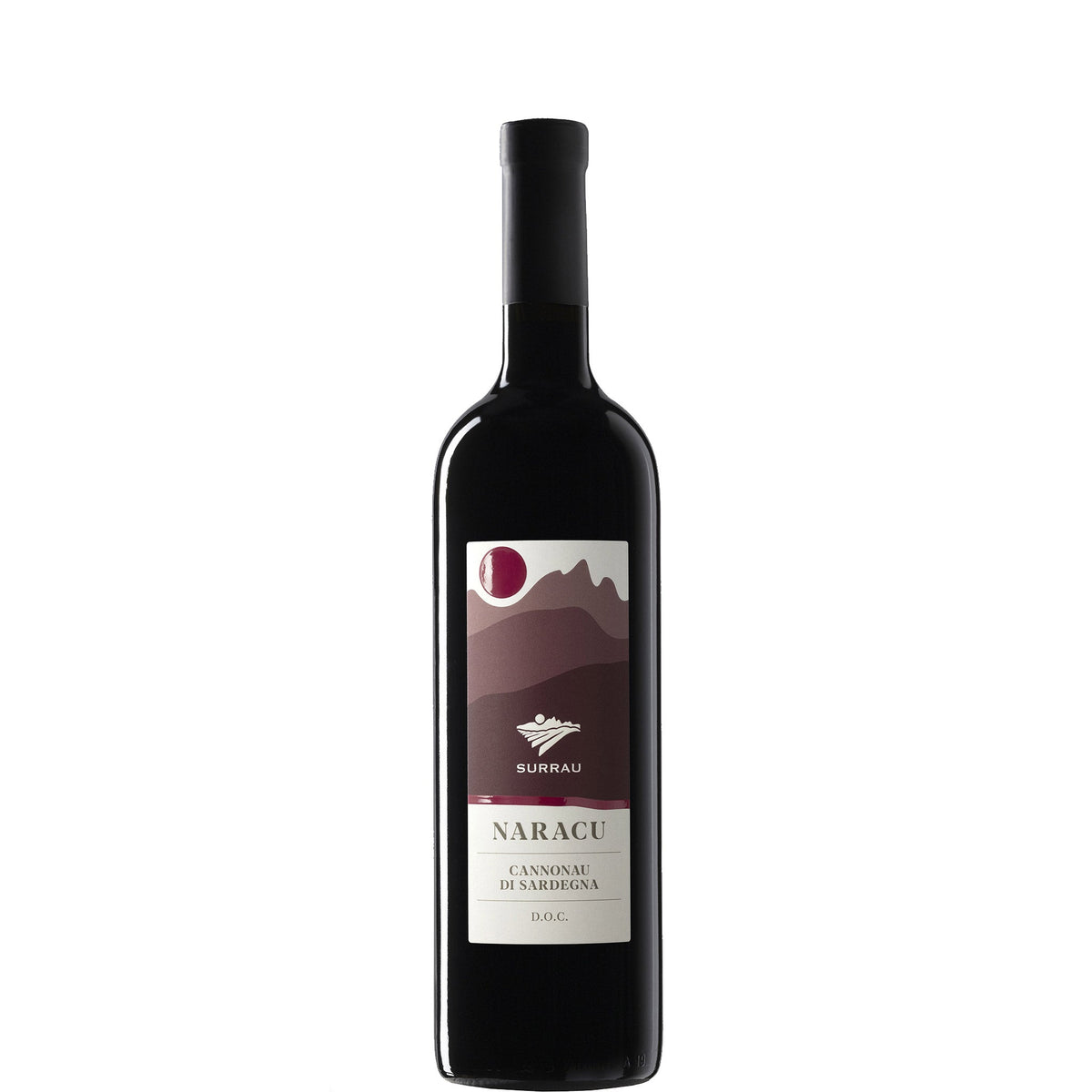
Vigne Surrau, Cannonau Di Sardegna Naracu, 2021
Vigne Surrau, Cannonau Di Sardegna Naracu, 2021
- 75cl
- 14%
- Red Still
- Grenache
Couldn't load pickup availability

Optimal drinking window: Now - 2030
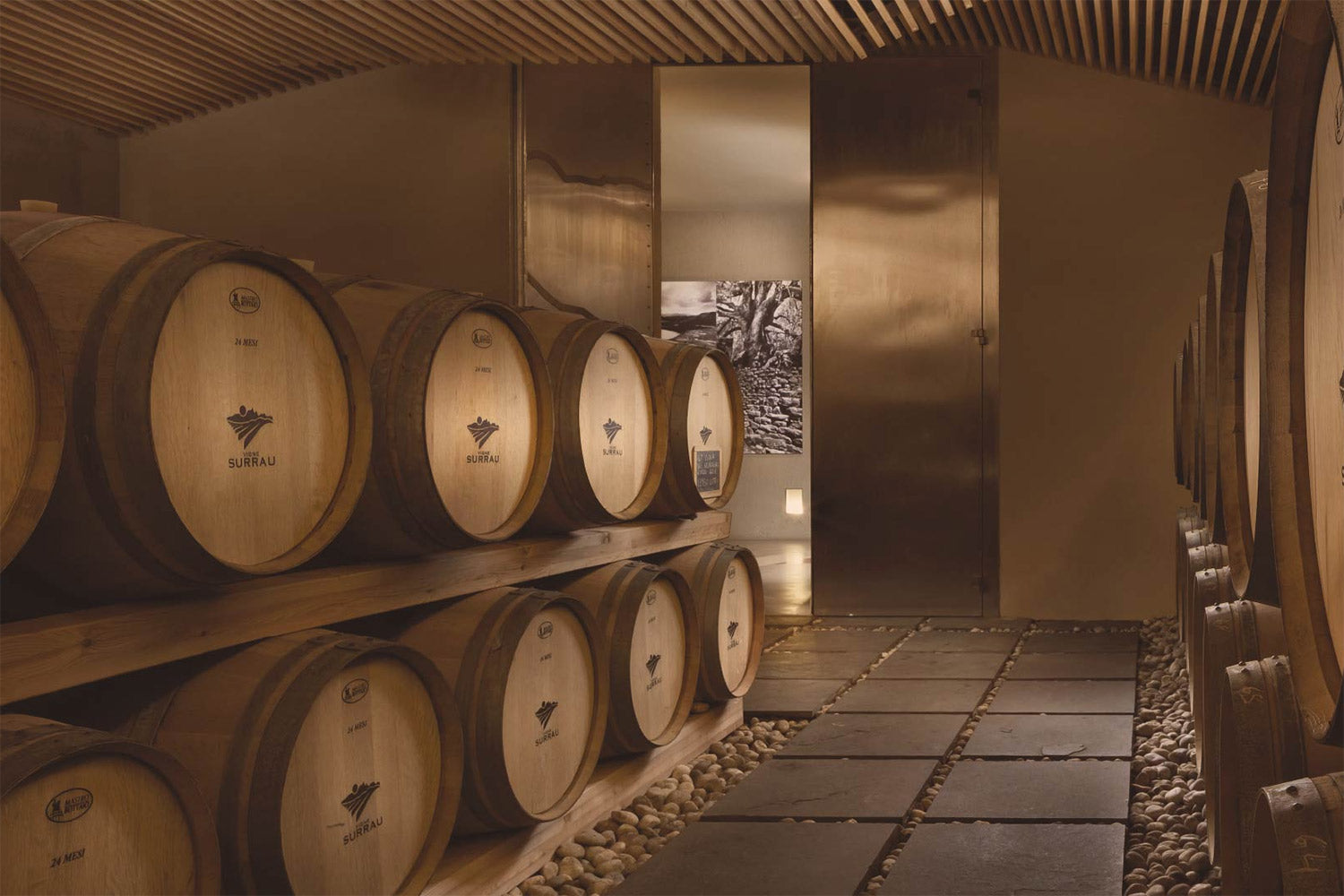
Vigne Surrau expands in northwestern Gallura, a few kilometres from the sea, a unique terroir characterised by granite rocks smoothed and shaped by the wind and water, with a dense and typical Mediterranean scrub.
Their Cannonau Naracu pairs well with a variety of Mediterranean dishes, such as grilled meats, roasted vegetables, pasta with tomato-based sauces, and hard cheeses. It also complements dishes featuring herbs like rosemary, thyme, and oregano.
Overall, Vigne Surrau's Cannonau di Sardegna "Naracu" 2021 is a delightful and expressive red wine that embodies the warmth and character of Sardinia.
The 2021 is already drinking well and does not demand patience. Over the next two to three years the primary red fruit will soften slightly and the herbal and savoury elements will become more pronounced and integrated. By 2028 or so it will be at its most harmonious, with everything in balance.
Tasting Notes
AppearanceMedium ruby with a warm garnet edge, clear and inviting in the glass.
NoseSun-warmed red cherries and dried strawberry lead, with a whisper of dried herbs, wild scrub, and something faintly smoky underneath. There is a distinctly Mediterranean quality to it, like a hillside in late summer after the heat has passed.
PalateMedium-bodied with soft, well-integrated tannins and a pleasing grip. The fruit stays in the red and dried cherry register, lifted by a savoury, herbal thread and a touch of spice that the granite soils seem to encourage. Acidity is fresh enough to keep everything lively without being angular.
FinishClean and moderately persistent, with dried herb and a light mineral echo that lingers.
Overall impressionAn honest, characterful Cannonau that wears Sardinia on its sleeve without making a fuss about it.
Food Pairings
In Sardinia, Cannonau is the default companion to porcetto, the slow-roasted suckling pig cooked over myrtle wood that is the island's great celebratory dish. It works equally well alongside agnello alla sarda, lamb braised with tomatoes, garlic, and pecorino, or with culurgiones, the stuffed pasta parcels filled with potato, mint, and aged cheese that are a Gallura staple. Hard, aged Pecorino Sardo is a natural partner. On a simpler evening, Sardinians would think nothing of opening a bottle alongside a board of local cured meats, a drizzle of good olive oil, and some carta di musica flatbread.
We think this wine would go well with
Serve at around 16-17°C, cool enough to keep the fruit fresh but not so cold it mutes the herbal character. A brief decant of 20-30 minutes will help open it up, though it is perfectly approachable straight from the bottle. A standard tulip-shaped red wine glass works well here, something that concentrates the nose without overwhelming a wine of this weight.
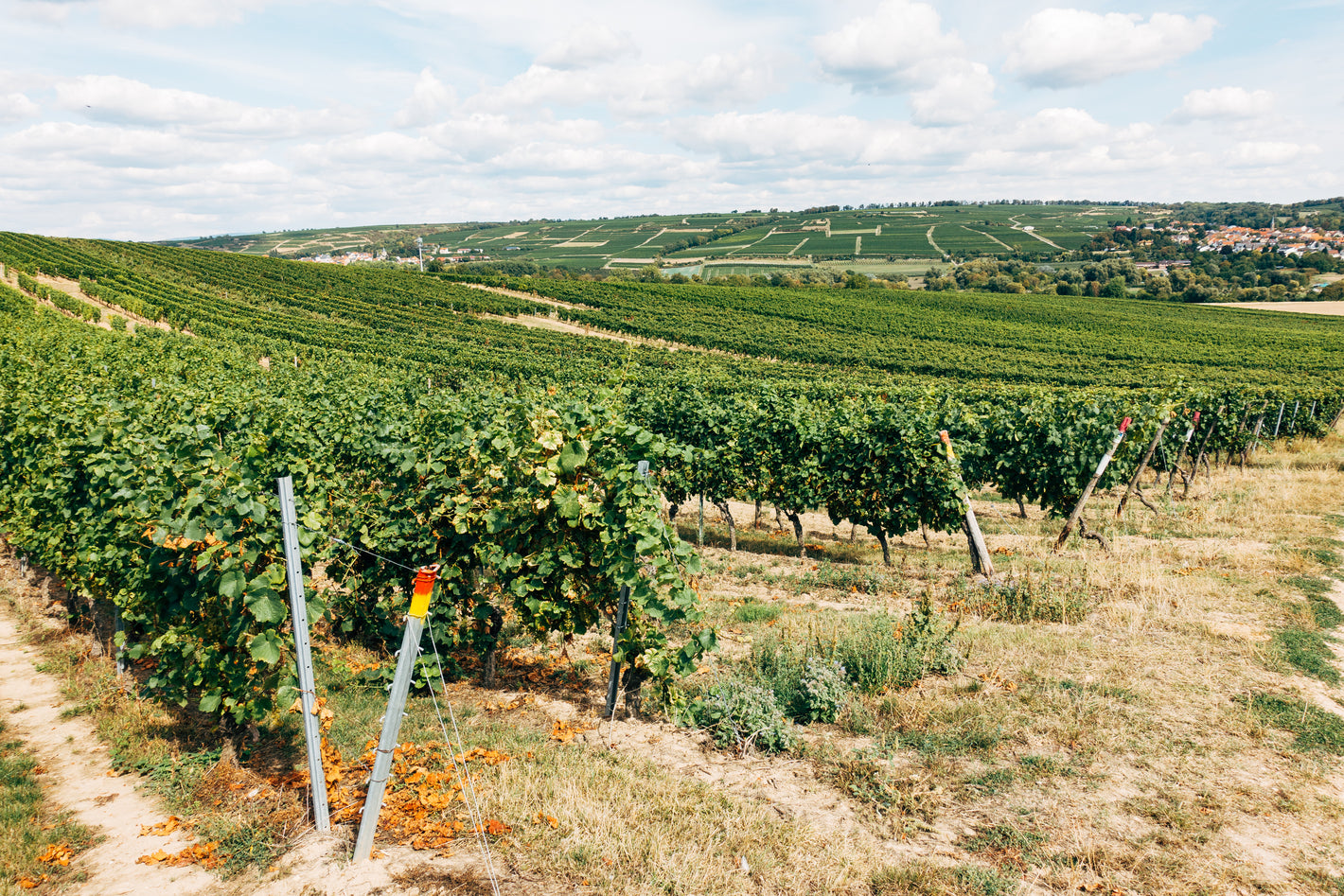
The Vigne Surrau vineyards sit in Gallura, in Sardinia's rugged northeast, just a few kilometres from the Tyrrhenian coast. The soils are ancient decomposed granite, wind-smoothed and well-draining, forcing vines to dig deep and produce concentrated, characterful fruit. The maritime influence moderates temperatures, while the dense maquis scrub of rosemary, myrtle, and wild herbs that blankets the landscape finds its way, unmistakably, into the wine. It is a landscape that does a lot of the winemaker's work for them.
Cannonau di Sardegna is the island's most celebrated red DOC, built around Cannonau, the Sardinian name for Grenache, though genetic evidence suggests the variety may actually have originated here rather than in Spain. The DOC covers the whole island and allows considerable variation in style, from robust and tannic to lighter and more aromatic, depending on where and how the grapes are grown. Gallura, in the north, tends to produce wines with more structure and aromatic lift than those from the warmer interior. Minimum alcohol is 12.5%, though most examples push well past that.
Sardinia's 2021 vintage arrived with Mediterranean drama: a hot, dry summer that pushed harvest dates earlier than usual across the island. The heat was particularly intense in August, concentrating flavours but demanding precise timing from growers who had to balance ripeness against freshness. Cannonau vines, deeply rooted in the island's granite soils, handled the stress with typical resilience, while the coastal vineyards producing Vermentino benefited from sea breezes that preserved the grape's signature mineral brightness.
What emerged was a vintage of surprising intensity and focus. The Cannonau shows ripe dark fruit with a savoury backbone that keeps things lively rather than jammy, while Vermentino delivers concentrated citrus and herb flavours with more weight than usual but still that crucial seaside lift. Quality varies by producer—those who picked early and kept yields sensible made excellent wines, while others struggled with the heat. Most 2021s are drinking beautifully now and should continue to please for another three to five years, though the best Cannonau reserves will reward patience until 2028.
FAQs
What does this wine taste like?
Think sun-warmed red cherries, dried strawberry, and a thread of wild Mediterranean herbs, with soft tannins and enough freshness to keep it lively. It is approachable and characterful without being heavy.
When should I drink it?
It is drinking well right now, in 2026, and will continue to give pleasure until around 2029 or 2030. We would not cellar it much beyond that. The enjoyment is in the fruit and freshness, and those are at their best in the near term.
What food goes well with it?
Roasted or grilled lamb, slow-cooked meats, pasta with tomato-based sauces, and aged hard cheeses are all natural partners. Anything with rosemary or thyme in the recipe will find a sympathetic companion here.
How should I serve it?
Around 16-17°C is ideal. A short decant of 20-30 minutes is helpful but not essential. A standard tulip red wine glass does the job well.
What is Cannonau and why does it matter?
Cannonau is the Sardinian name for Grenache, and there is a credible argument that it originated on the island rather than in Spain. In Sardinia it tends to produce wines with more savouriness and herbal lift than many mainland Grenache-based wines, particularly in the granite-rich north where Vigne Surrau are based.
Is this a serious wine or an everyday one?
Honestly, both. It is serious enough to reward attention and has real character and a genuine sense of place. But it is also the kind of bottle you open on a Tuesday evening with a plate of pasta and feel entirely satisfied. That combination is rarer than it sounds.


What are you looking for tonight? Tell me the occasion, a grape, a region — or just try a suggestion below.
Your recommendations will appear here.
-
-
Speak to one of our Wine Gurus
Speak to a Wine GuruWith years of experience, our team can help you with all your wine buying and selling needs