

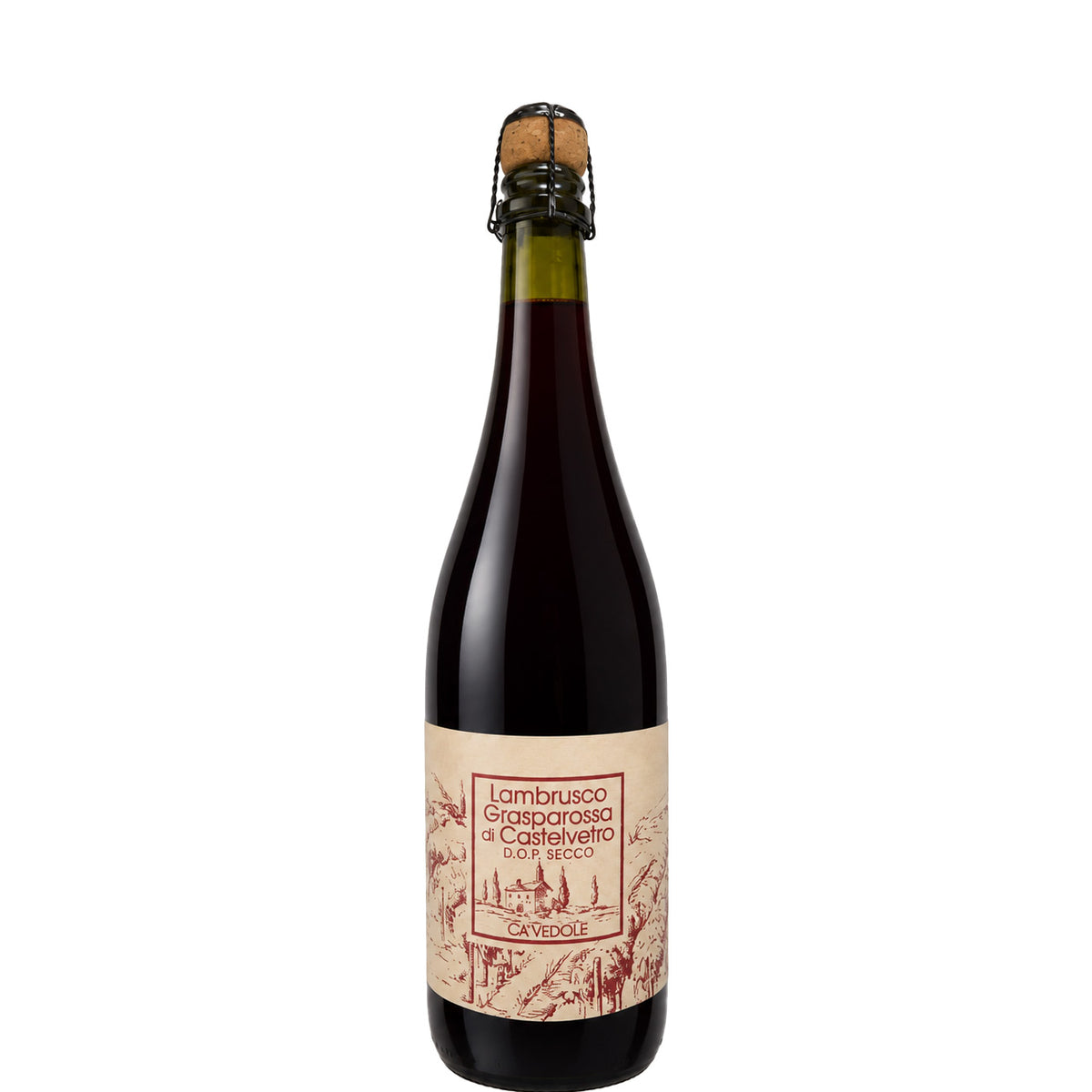
Zanasi Winery, Lambrusco Grasparossa Di Castelvetro D.O.P Secco, NV
Zanasi Winery, Lambrusco Grasparossa Di Castelvetro D.O.P Secco, NV
- 75cl
- 11.5%
- Red Sparkling
- Lambrusco Grasparossa
- Organic
Couldn't load pickup availability

Optimal drinking window: Now - 2027
This is Lambrusco as it should be: fresh, juicy and made for food rather than a sweet, fizzy novelty. Zanasi has been making wine in the hills around Castelvetro di Modena for four generations, with the family’s roots in winemaking going back to 1900. Today, the estate farms around 22 hectares, with Lambrusco Grasparossa at the heart of the operation.
The Lambrusco Grasparossa di Castelvetro D.O.P. Secco is a dry, gently sparkling red with the grape’s trademark deep ruby-purple colour and plenty of ripe cherry, blackberry and violet character. There’s a savoury edge and a touch of tannin behind the fruit, while bright acidity keeps it lively and refreshing. Zanasi uses the Charmat method for its sparkling wines, fermenting in pressurised tanks to preserve the wine’s freshness and fruit.
This is a brilliant partner for the food of Emilia-Romagna: mortadella and salumi, ragù, lasagne, roast pork or Parmigiano Reggiano. Serve it properly chilled and let the fizz do the hard work.
Lambrusco di Grasparossa secco is not a wine for patience. The primary fruit — dark cherry, violet, that earthy grip — is at its most vivid right now and will begin to lose freshness and lift within two to three years of harvest. The bubbles will soften and the colour will deepen slightly, but there's no secondary complexity waiting to emerge here; the wine's whole appeal is in its immediacy and vitality.
Tasting Notes
AppearanceDeep ruby-purple with a persistent violet foam and fine, lively bead.
NoseFresh dark cherry and blackberry up front, followed by violets and a distinct earthy note — almost like damp soil after rain. There's a faint suggestion of bitter chocolate and dried rose petal that makes it feel more serious than most fizz.
PalateThe bubbles are fine and brisk, carrying the fruit cleanly across the palate before the tannins — and yes, there really are tannins — take hold and give the wine its shape. Dry, with good acidity, cherry skin grip, and a savoury edge that cuts through rich food rather than competing with it.
FinishClean and slightly austere, with a pleasing bitterness on the close that recalls good espresso.
Overall impressionA proper dry Lambrusco built for the table, not the aperitivo trolley.
Food Pairings
In Emilia-Romagna, Lambrusco di Grasparossa secco is the default wine for the richest food culture in Italy — which is saying something. Locals pour it alongside sliced mortadella, culatello, and a board of Parmigiano-Reggiano aged at least 24 months, where the wine's acidity and tannin cut through the fat with surgical precision. It's the natural companion to tagliatelle al ragù bolognese — the real thing, all pork and beef, never bolognese sauce from a jar — and to tigelle, the small flatbreads filled with lardo and rosemary that you find in the hills around Modena. Zampone or cotechino at New Year is another classic pairing, and frankly the wine was probably invented for it.
We think this wine would go well with
Serve well chilled — around 10 to 12°C — which keeps the bubbles lively and the tannins in check. No decanting needed; this is a wine that wants to be poured straight from the bottle into a generous tulip glass or a standard red wine glass, both of which give the foam room to settle and the aromas space to open. Drink it promptly once opened.
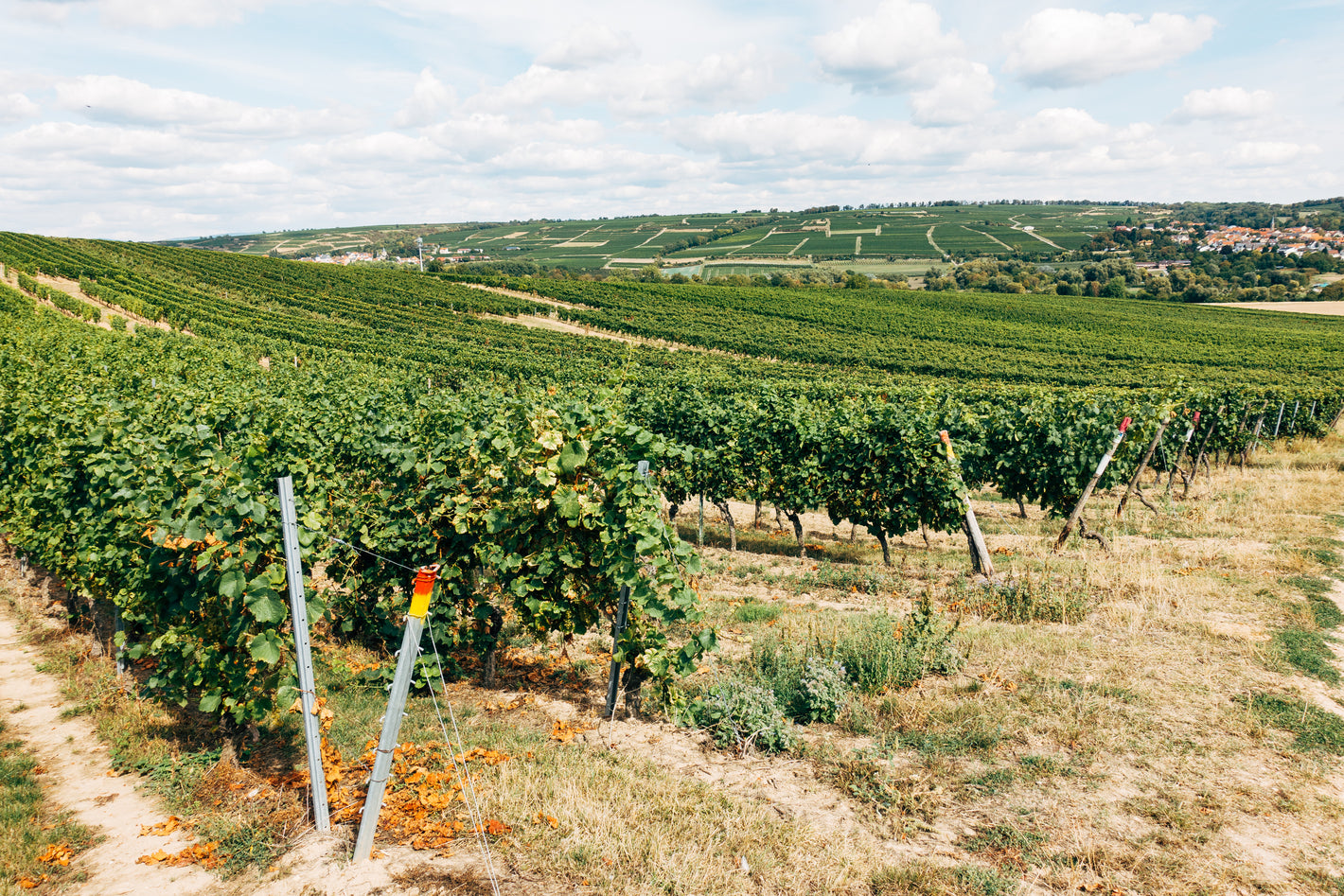
The Castelvetro hills rise south of the Po Valley, where the soils shift from the flat alluvial plains of Modena to hillside clay and limestone — giving Grasparossa deeper colour, firmer tannins, and more concentration than the lighter Lambrusco varieties grown on the flats. The elevation moderates summer heat and extends the growing season, allowing the thick-skinned Grasparossa grapes to ripen fully while retaining the acidity that makes the dry style so refreshing. This is one of the few Lambrusco subzones where serious structure feels entirely natural rather than coaxed.
Lambrusco di Grasparossa di Castelvetro DOC is the most southerly and most structured of the recognised Lambrusco appellations in Emilia-Romagna. It requires at least 85% Grasparossa grapes and can be made in secco, amabile, or dolce styles — the secco being the one locals actually drink. Compared to Lambrusco di Sorbara, which is pale, delicate, and almost rosé-like, Grasparossa is a different proposition entirely: deeper in colour, more tannic, and built for food. The wines are typically made by the Charmat method, with secondary fermentation in pressurised tanks to preserve freshness and primary fruit.
FAQs
What does Lambrusco di Grasparossa secco taste like?
Dry, structured, and genuinely tannic for a sparkling wine — think dark cherry, violets, and a streak of bitter chocolate, with lively bubbles and a clean, slightly austere finish. It is nothing like the sweet Lambrusco of the 1980s.
Should I drink this wine now or keep it?
Drink it now. This is a wine built for immediacy — the fruit and freshness are the whole point.
What food should I serve with this?
Rich, fatty food from Emilia-Romagna is the natural match: mortadella, Parmigiano-Reggiano, tagliatelle al ragù, or cotechino. The tannins and acidity do the work that you might otherwise leave to a knife.
How should I serve it?
Well chilled, around 10 to 12°C, in a tulip or standard red wine glass. No decanting required — just pour and drink.
How is Grasparossa different from other Lambrusco?
Grasparossa is the most structured and tannic of the Lambrusco family, grown in the hillier terrain south of Modena. It produces darker, more serious wines than the lighter Lambrusco di Sorbara, and the dry secco style is what locals actually drink with food.

OUR GROWERS
Zanasi Winery
Explore related wines


What are you looking for tonight? Tell me the occasion, a grape, a region — or just try a suggestion below.
Your recommendations will appear here.
-
-
Speak to one of our Wine Gurus
Speak to a Wine GuruWith years of experience, our team can help you with all your wine buying and selling needs