
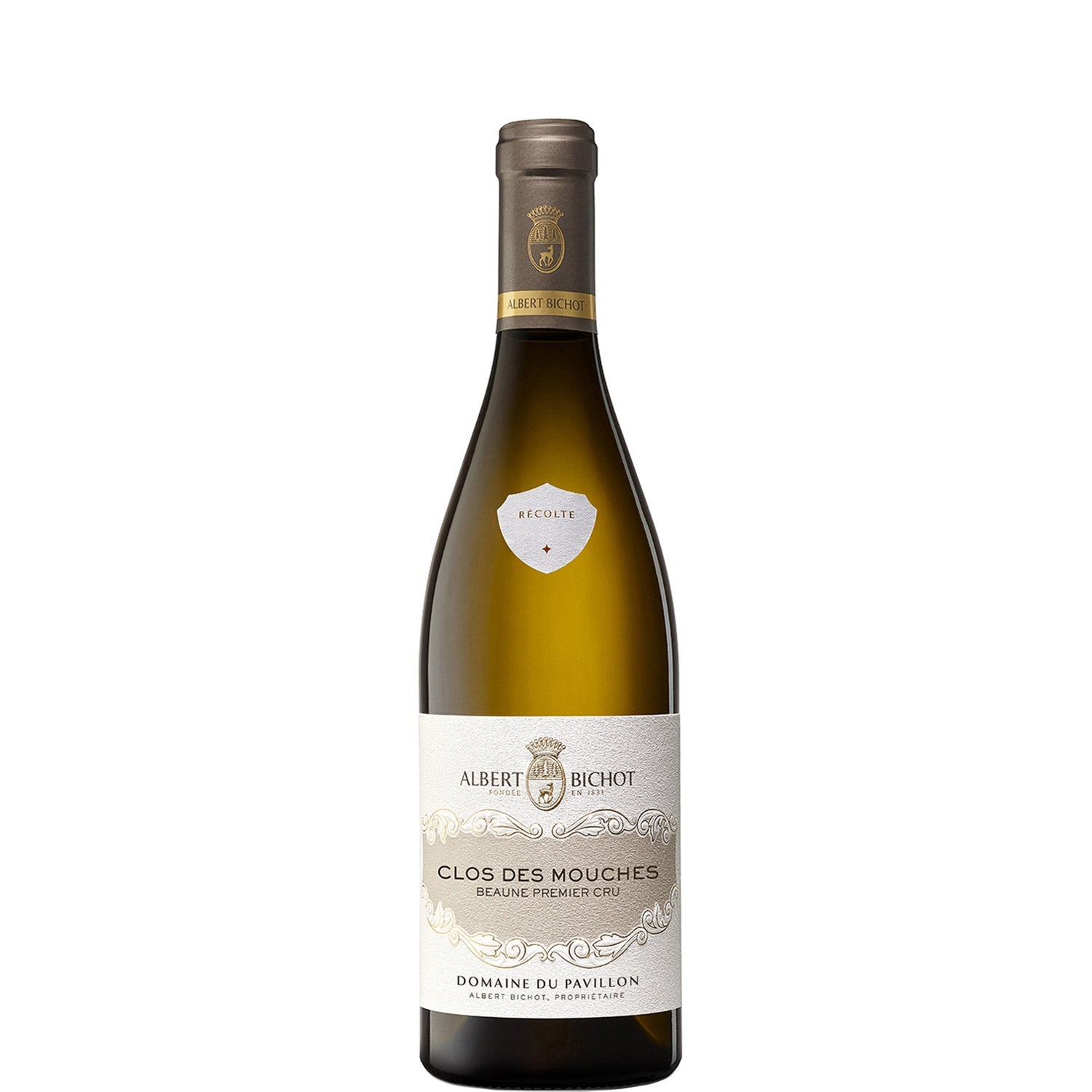
Beaune Premier Cru Clos Des Mouches Blanc, Domaine du Pavillon, 2017
Beaune Premier Cru Clos Des Mouches Blanc, Domaine du Pavillon, 2017
- 75cl
- 13%
- White Still
- Chardonnay
Couldn't load pickup availability

Optimal drinking window: Now - 2034
About Beaune Premier Cru Clos Des Mouches Blanc, Domaine du Pavillon, 2017
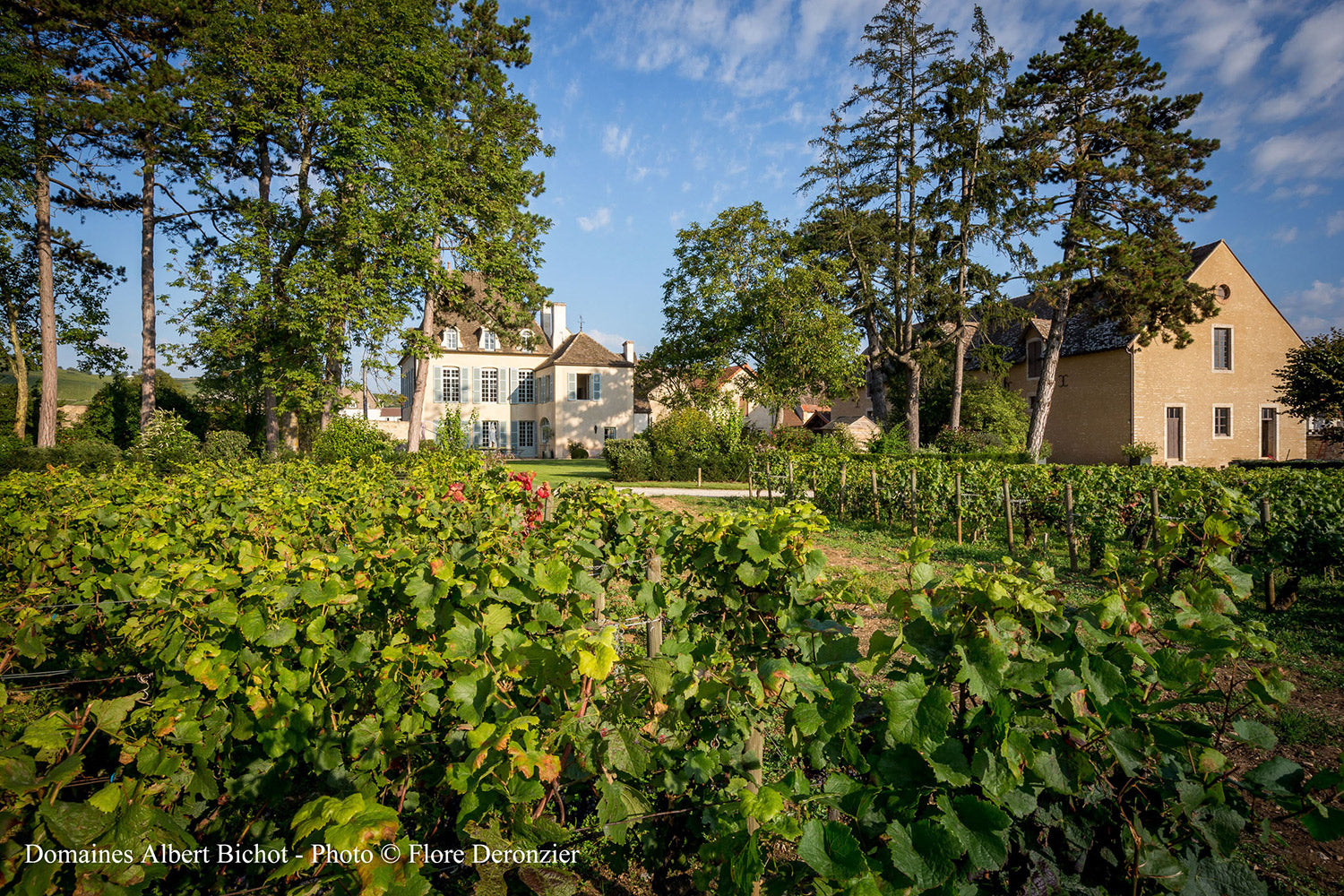
Always reliable, and well-priced, with a number of standout cuvées, the Domaines Bichot continue their good run of form.
As Neal Martin comments, Bichot can make “really quite delicious, complex wines that often surprise people in blind tastings when not swayed by the label.” Once again our selections, from AOC Bourgogne to Richebourg, all show the precision, typicity and expressive, generous fruit expected of their level and mean there is something from the portfolio to suit all tastes and budgets.
Currently showing primary citrus and oak integration beautifully, with the tannins beginning to soften and meld with the fruit. Over the next 2-3 years, expect the hazelnut character to deepen while the mineral backbone becomes more pronounced. The wine should reach its peak around 2028-2030, when the primary fruit will have integrated fully with secondary complexity. Beyond 2032, the power will gradually give way to more subtle, honeyed characteristics, though the chalk minerality will persist until the end of its drinking window.
What the critics say:
"If you like bold dry whites, then try this. Quite a tannic white Burgundy, but with richness that has a very positive impact on the wine. Plenty of citrus, plus some hazelnut and chalky character. Some real drive at the finish that promises a long life. Drink or hold."
Tasting Notes
AppearanceBright golden yellow with a hint of green at the rim, showing the wine's youth and vitality.
NoseImmediate citrus intensity leads, followed by roasted hazelnuts and a whisper of vanilla oak. There's something almost saline underneath, like chalk dust mixed with sea air. The richness builds as the wine opens, revealing layers of complexity.
PalateThis is bold white Burgundy with real grip and structure. The citrus translates to grapefruit pith and lemon oil, while the hazelnut richness provides weight and texture. What strikes us most is the tannic quality, almost red wine-like in its assertiveness. The chalky minerality runs through everything like a spine.
FinishLong and driving, with that mineral character providing persistence and promising excellent development over the next decade.
Overall impressionA white Burgundy for those who like their wines to make a statement rather than whisper.
Food Pairings
In Beaune, this style of structured white Burgundy traditionally accompanies the region's rich cuisine. Think coq au vin blanc made with the same wine, or the local speciality of escargots swimming in herb butter, where the wine's minerality cuts through the richness. Époisses cheese, aged just to the point of perfect ripeness, creates a magical pairing with the wine's hazelnut character. During harvest season, locals might serve this alongside jambon persillé, the traditional parsley-flecked ham terrine, where the wine's acidity and structure provide the perfect counterpoint to the dish's richness.
We think this wine would go well with
Serve at 10-12°C to appreciate both the wine's structure and its aromatic complexity. No need to decant, but do allow it to breathe in the glass for 15-20 minutes to let those layers unfold properly. Use a Burgundy bowl or generous white wine glass to give the wine space to express itself. If you're drinking it young, consider serving it slightly warmer than usual to emphasise the richness.
Clos des Mouches sits mid-slope on Beaune's southern boundary, where limestone-rich soils provide the backbone for both red and white wines of exceptional quality. The vineyard's eastern exposure catches morning sun while avoiding harsh afternoon heat, allowing Chardonnay to develop complexity while retaining freshness. The chalky subsoil imparts that distinctive mineral character, while the thin topsoil forces vines to dig deep, concentrating flavours and adding structure that distinguishes this site from Beaune's more generous climats.
Beaune Premier Cru represents the heart of Burgundy's white wine tradition, though the appellation produces more red than white overall. The premier cru vineyards ring the town of Beaune itself, offering diverse expressions depending on slope, exposure, and soil composition. Clos des Mouches stands apart as one of the few climats planted to both Pinot Noir and Chardonnay, with the whites showing particular distinction for their ability to combine richness with mineral precision. These wines typically offer more immediate appeal than their Puligny or Chassagne neighbours while maintaining serious ageing potential.
The 2017 vintage in Burgundy arrived after a series of weather curveballs that kept growers on their toes from spring through harvest. April frosts dealt a brutal blow across the Côte d'Or, slashing yields by up to 60% in some villages, whilst those who escaped relatively unscathed found themselves with healthier vines and more concentrated fruit. The summer that followed was warm and dry, ripening what remained on the vine beautifully, and harvest began early in late August under ideal conditions.
What emerged from this challenging year surprises us still: wines of remarkable purity and focus, where the reduced yields translated directly into intensity without heaviness. The Pinot Noirs show beautiful red fruit clarity with firm but approachable tannins, whilst the Chardonnays display precision and mineral backbone that speaks clearly of their terroir. We find the whites drinking beautifully now and will continue to reward patience over the next decade, whilst the reds are starting to show their considerable charm and should peak between now and 2030.
FAQs
What does this wine taste like?
Bold and structured, with intense citrus, roasted hazelnuts, and distinctive chalky minerality. This is white Burgundy with serious presence and grip.
When should I drink this wine?
Drinking beautifully now and will continue to develop until 2035. If you enjoy power and richness, drink it young; for complexity, wait until 2028-2030.
What food pairs well with this wine?
Rich dishes like coq au vin blanc, roasted chicken with herbs, or aged Époisses cheese. The wine's structure can handle substantial flavours and creamy sauces.
How should I serve this wine?
Serve at 10-12°C in a generous white wine glass. Let it breathe for 15-20 minutes to allow the complex aromas to develop fully.
Is this wine worth cellaring?
Absolutely. This style of structured white Burgundy rewards patience, developing honeyed complexity while maintaining its distinctive mineral character over the next decade.
How does this compare to other white Burgundies?
This is bolder and more structured than typical white Burgundy, with pronounced tannins and intensity. If you prefer delicate, ethereal styles, this might surprise you with its power.
Explore related wines


What are you looking for tonight? Tell me the occasion, a grape, a region — or just try a suggestion below.
Your recommendations will appear here.
-
-
Speak to one of our Wine Gurus
Speak to a Wine GuruWith years of experience, our team can help you with all your wine buying and selling needs