
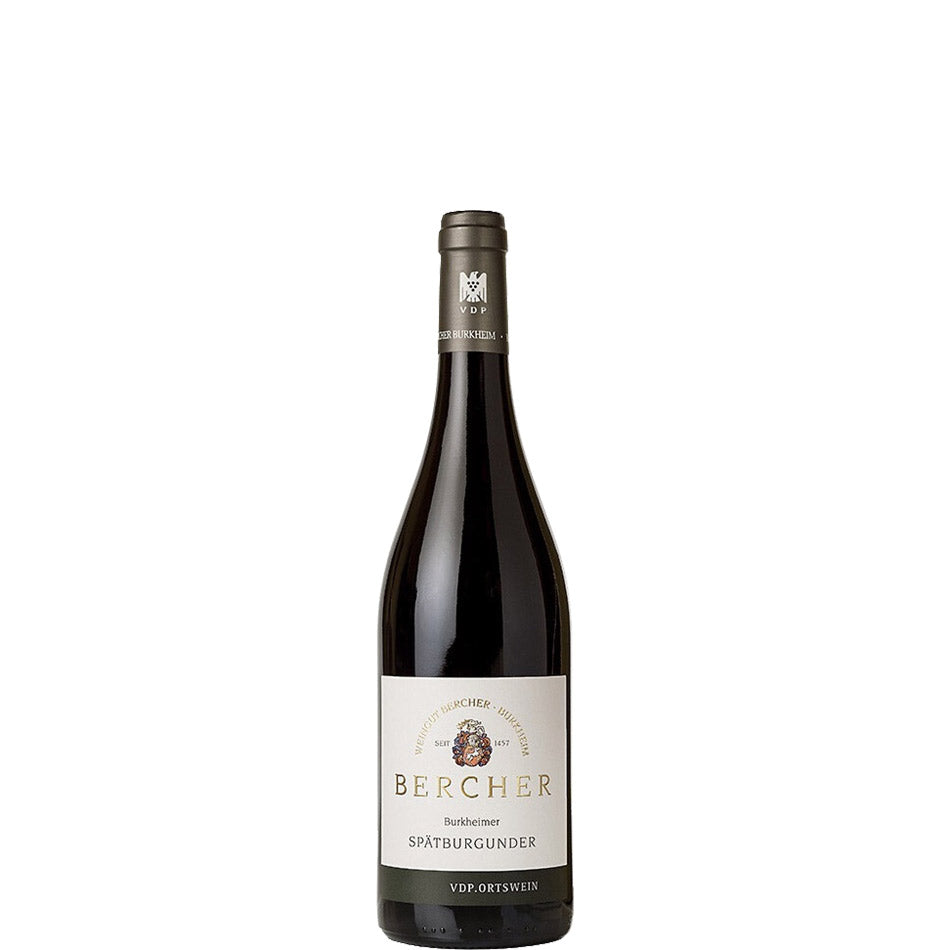
Bercher, Burkheimer Spätburgunder Village, 2017 - Half-bottle
Bercher, Burkheimer Spätburgunder Village, 2017 - Half-bottle
- 37.5cl
- 13%
- Red Still
- Pinot Noir
Couldn't load pickup availability

Optimal drinking window: Now - 2032
About Bercher, Burkheimer Spätburgunder Village, 2017 - Half-bottle
Bercher's Burkheimer Spätburgunder Village is a brilliant expression of German Pinot Noir—elegant, poised, and full of charm, with a cool-climate vibrancy that Burgundy lovers will feel right at home with.
The 2017 vintage delivers bright red cherry and raspberry fruit, gentle earthy notes, and a whisper of spice, all wrapped in sleek, silky tannins. There's a lovely lifted energy here, balanced by just the right amount of depth and maturity from a few years in bottle.
This is Spätburgunder with serious finesse and food-pairing flexibility—ideal with roast duck, mushroom risotto, or a simple charcuterie board. It’s one of those under-the-radar bottles that outperforms its price tag—thoughtful, beautifully made, and effortlessly enjoyable. A standout pick for anyone exploring the world of fine Pinot beyond the Côte d'Or.
This 2017 vintage is currently in its prime drinking window, with the primary red fruit well-integrated and secondary earthy complexity beginning to emerge. Over the next few years, expect the fruit to become more mellow while the mineral backbone becomes more pronounced. The wine should maintain its elegance and freshness until 2032, though the vibrant fruit character will gradually give way to more savoury, forest floor notes. Being a half-bottle, it will evolve slightly faster than a full-sized bottle due to the greater air-to-wine ratio.
Tasting Notes
AppearanceMedium ruby with garnet hints at the rim, showing its seven years gracefully.
NoseRed cherry and raspberry lead, followed by forest floor and a whisper of warm spice. There's a lifted quality that speaks of cool-climate breeding, with subtle floral notes emerging as it opens in the glass.
PalateMedium-bodied with silky tannins that coat rather than grip. The fruit feels precise—red cherry, cranberry, and wild strawberry—while earthy undertones add complexity. The acidity keeps everything fresh and food-friendly.
FinishClean and persistent, with lingering cherry fruit and a mineral edge that speaks of its volcanic soils.
Overall impressionElegant Spätburgunder that proves German Pinot Noir deserves a place at any serious table.
Food Pairings
In Baden, this style of Spätburgunder would traditionally accompany the region's hearty yet refined cuisine. Think wild boar with juniper and red cabbage, or the local specialty of Sauerbraten (marinated roast beef) with spätzle. Baden's proximity to France means dishes like coq au vin or duck confit with choucroute are common pairings. The wine's elegant structure also complements the region's excellent mushroom dishes, particularly Steinpilze (porcini) prepared simply with herbs from the Black Forest.
We think this wine would go well with
Serve at 14-16°C to preserve the wine's elegant fruit character and fresh acidity. No need to decant, though a brief opening of 15-30 minutes will allow the wine to express itself fully. Use a medium-sized Burgundy glass to concentrate the delicate aromatics while providing enough surface area for the wine to breathe. The half-bottle format is perfect for intimate dinners or when you want to savour this wine over a shorter period.
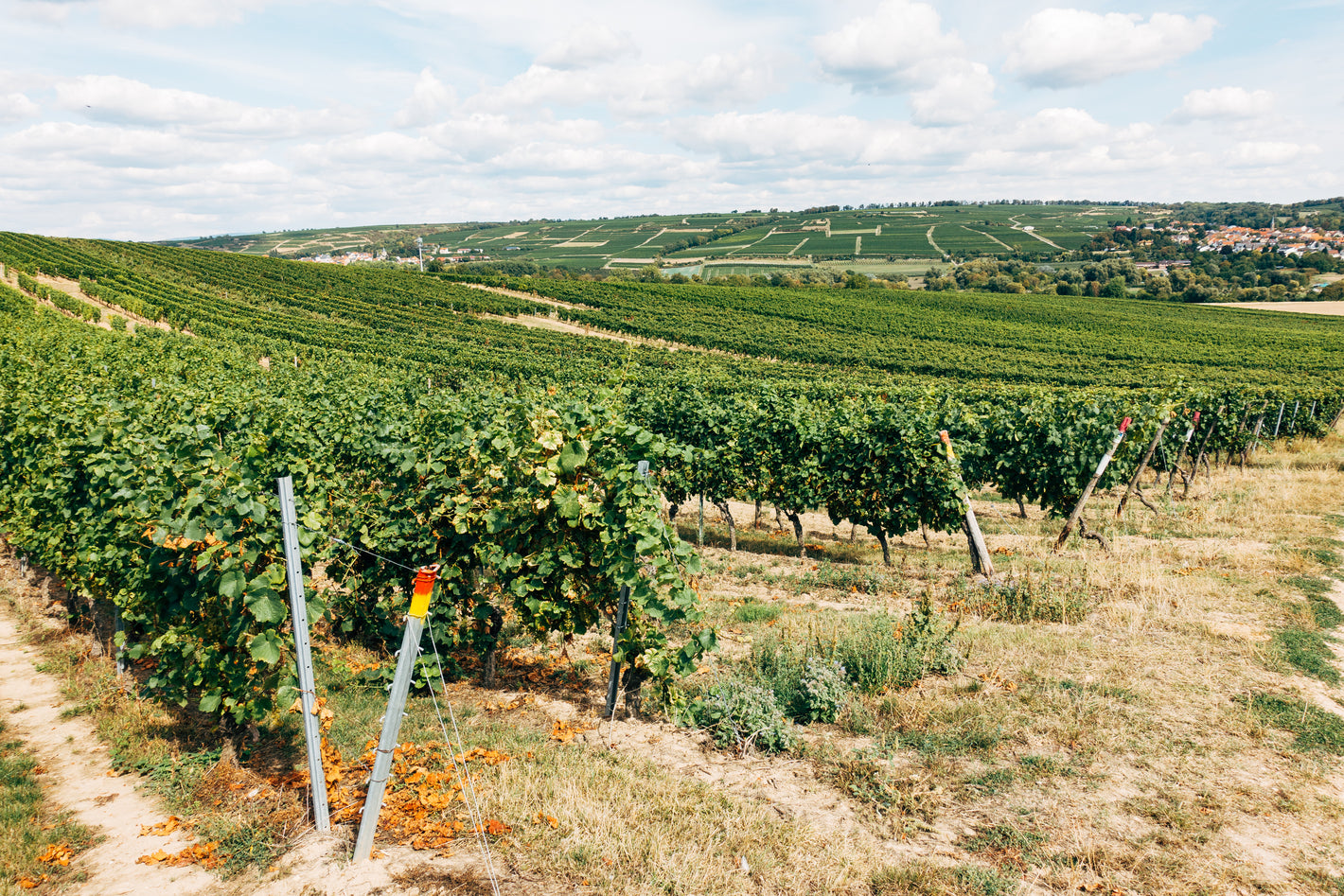
The Burkheimer vineyards sit on the volcanic Kaiserstuhl, an extinct volcano whose mineral-rich soils of weathered volcanic rock and loess provide excellent drainage while retaining enough water for the growing season. The warm, dry climate here is moderated by cooling breezes from the Black Forest, creating ideal conditions for Spätburgunder to ripen slowly while maintaining fresh acidity. These volcanic soils impart a distinctive mineral backbone that sets Burkheimer wines apart from other Baden communes.
Burkheim lies within Baden, Germany's warmest wine region, positioned along the Rhine Valley between the Black Forest and the Vosges Mountains. Baden's warm climate allows for full ripening of Spätburgunder, producing wines with more body and richness than their cooler German counterparts in Ahr or Württemberg. The region's focus on quality over quantity has elevated Baden's reputation internationally, particularly for Pinot Noir that offers compelling alternatives to Burgundy at more accessible prices.
The 2017 vintage in Baden caught everyone off guard with one of the most challenging growing seasons in recent memory. A devastating frost in late April wiped out huge swathes of vineyard, particularly in the flatter areas, whilst the steep hillside sites that survived faced a rollercoaster summer of hail storms and uneven ripening. The harvest stretched longer than anyone wanted, with growers picking around damaged fruit and dealing with drastically reduced yields across the board.
What emerged from this chaos surprised us all: wines of remarkable concentration and purity, born from the survival of the fittest. The Pinot Noirs show a taut, mineral-driven character we rarely see from Baden's typically generous sites, whilst the Rieslings display crystalline precision that speaks more to stress than abundance. These aren't the rich, immediately charming Baden wines you might expect, but rather something more cerebral and age-worthy. Most are drinking beautifully now, though the best Spätburgunders will reward patience until 2028.
FAQs
What does this Spätburgunder taste like?
Bright and elegant with red cherry and raspberry flavours, gentle earthy notes, and silky tannins. It has the finesse of good Burgundy but with its own distinctive character.
When should I drink this wine?
It's drinking beautifully now and will continue to evolve gracefully until 2032. Perfect for enjoying over the next few years while it retains its vibrant fruit character.
What food pairs well with German Pinot Noir?
Excellent with roast duck, wild game, mushroom risotto, or charcuterie. Its elegant structure and fresh acidity make it very food-friendly without overpowering delicate dishes.
How does German Spätburgunder compare to Burgundy?
It offers similar elegance and finesse but often at better value. German Pinot tends to have bright fruit character with distinctive mineral notes from the unique soils.
Why choose a half-bottle?
Perfect for intimate dinners or when you want to enjoy the wine over one sitting. The smaller format also allows you to try exceptional wines without committing to a full bottle.
How should I serve this wine?
Serve slightly cooled at 14-16°C in a medium Burgundy glass. No need to decant, though opening 15-30 minutes before serving will enhance the aromatics.
Explore related wines


What are you looking for tonight? Tell me the occasion, a grape, a region — or just try a suggestion below.
Your recommendations will appear here.
-
-
Speak to one of our Wine Gurus
Speak to a Wine GuruWith years of experience, our team can help you with all your wine buying and selling needs