

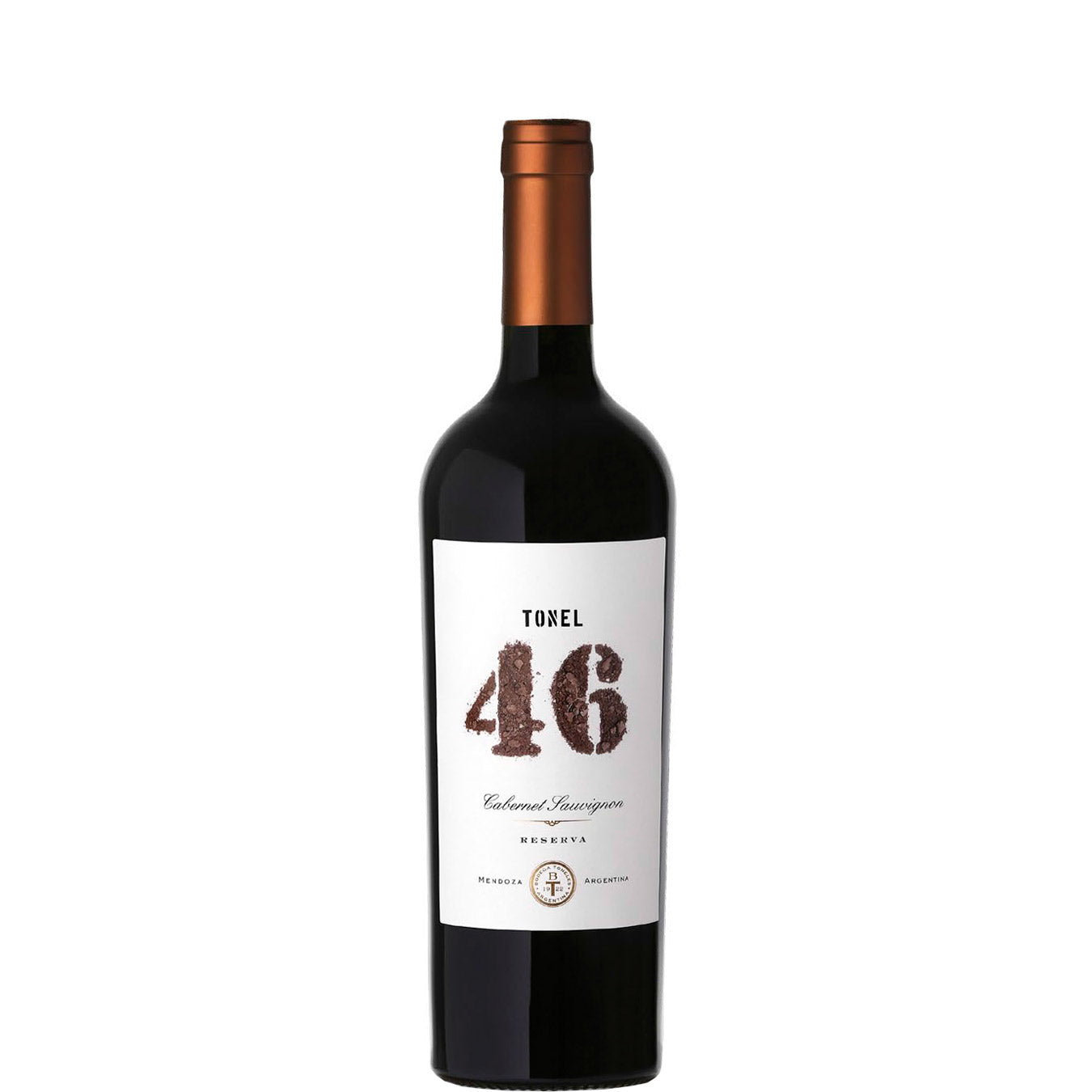
Bodega Los Toneles, Tonel 46 Cabernet Sauvignon Reserva, 2011
Bodega Los Toneles, Tonel 46 Cabernet Sauvignon Reserva, 2011
- 75cl
- 15%
- Red Still
- Cabernet Sauvignon
Couldn't load pickup availability

Optimal drinking window: 2026 - 2030
Tonel 46 Cabernet Sauvignon Reserva comes from high-altitude vineyards in La Consulta and Vista Flores in the Uco Valley, at around 1,020 and 1,150 metres respectively. The poor, well-drained soils and cool nights help retain acidity while allowing the Cabernet to develop plenty of concentration. The two vineyard parcels are co-fermented at cool temperatures, followed by nine months in new French oak.
The 2011 is a mature, full-bodied Mendoza Cabernet, with concentrated blackcurrant and dark fruit, ripe tannins and layers of vanilla, spice, liquorice and pepper from the oak.
At 15 years old, this wine is at or very close to its peak drinking window. The primary fruit has long since integrated and secondary characteristics — tobacco, leather, dried herbs, earthy complexity — are now the main event. Over the next two to three years it should hold this profile well, with the tannins continuing to soften incrementally.
Tasting Notes
AppearanceDeep garnet, still with good density at the core but a softening brick-orange rim that signals its age gracefully.
NoseDried black plum and cassis have moved into the background, giving way to tobacco leaf, leather, and sun-dried herbs. There's a subtle cedary quality from the oak ageing and, with time in the glass, a pleasing dusty earthiness that feels very much at home in old-school Mendoza Cab.
PalateMedium-to-full bodied, with tannins that have softened considerably over 15 years and now frame the wine rather than dominate it. Dark fruit, dried herbs, and a hint of dark chocolate sit alongside a firm but not aggressive acidity that keeps the whole thing lively. The oak is well-integrated at this stage, contributing structure rather than flavour.
FinishSavoury and moderately long, with a lingering note of tobacco and dried earth that trails off cleanly.
Overall impressionA genuinely evolved Argentine Cab that rewards those willing to look past the label and engage with what 15 years of quiet development actually tastes like.
Food Pairings
In Mendoza, a Cabernet of this age and weight would classically be opened alongside a proper asado — slow-cooked ribs or a whole rack of beef over hardwood coals, with chimichurri on the side. The locals would not overthink it. A dish of locro, the hearty Andean stew of white beans, maize, and cured pork, would also be a natural match, its richness standing up to the wine's tannic structure. Grilled chorizo criollo makes an excellent aperitivo pairing, and if you want something more refined, a dry-aged sirloin with very little sauce is the move.
We think this wine would go well with
Serve at 17 to 18°C — any warmer and the alcohol becomes prominent, any cooler and the nose closes up. Decant for at least 45 minutes, ideally an hour; at 15 years old this wine still benefits from the air to fully express its secondary complexity. A standard Bordeaux-shaped glass works well, giving enough bowl to let the aromas gather without dispersing too quickly.
The vineyards that supply Los Toneles sit in Mendoza's high-altitude foothills, where the combination of intense UV radiation, cool nights, and low humidity creates the conditions for slow, even ripening and naturally concentrated fruit. Soils in the region are largely sandy-loam over alluvial gravel deposited by Andean meltwater, which drains freely and keeps yields modest without irrigation stress. The diurnal temperature shift — sometimes 20°C between day and night — is the key driver of acidity and aromatic freshness in a climate that could otherwise tip into overripeness.
Mendoza is Argentina's dominant wine region, accounting for around 70% of the country's total production, and Cabernet Sauvignon has been planted here since the late 19th century — long before Malbec claimed the international spotlight. The region operates under Argentina's Denominación de Origen Controlada (DOC) framework, though labelling laws are less prescriptive than European equivalents, giving producers latitude on blending and ageing decisions. Reserva designations in Argentina are not legally defined at national level but conventionally imply extended oak ageing, typically a minimum of 12 months, though individual bodegas set their own standards.
Mendoza in 2011 sits in the shadow of the more celebrated 2010 and 2013 vintages, and it's worth being straight about that. A warmer-than-average growing season brought harvest forward, and while conditions were broadly favourable, the heat put pressure on growers who weren't managing canopy and irrigation with real care. Those who were attentive got lovely concentration without the jamminess that can dog hot-year Malbec; those who weren't ended up with wines that felt heavy and short. It was, in other words, a vintage that rewarded the diligent.
The wines that came through well are Malbec-led, with dark fruit and firm but ripe structure — the sort of profile that has aged better than the vintage's middling reputation might suggest. Most bottles from conscientious producers are drinking well now, with good fruit still sitting against that characteristic Mendocino backbone. We wouldn't rush to cellar anything further; the window is open and worth climbing through.
FAQs
What does Tonel 46 taste like?
This is a mature, savoury Argentine Cabernet Sauvignon with 15 years of bottle age. Expect dried plum, tobacco, leather, cedar, and dried herbs rather than bright primary fruit. The tannins are well-integrated and the finish is earthy and clean.
When should I drink this wine?
Now is an excellent time. The wine is at or very close to its peak, with secondary complexity fully developed. We'd drink it over the next three to four years, ideally before 2030, while the fruit still has enough presence to balance the structure.
What food should I pair it with?
Grilled or slow-cooked red meat is the classic match — think Argentine asado, dry-aged beef, or lamb. A rich bean and pork stew would also work well. Keep sauces simple; the wine has enough going on without competing with complex flavours.
Does this wine need decanting?
Yes, and it will thank you for it. Pour it into a decanter at least 45 minutes to an hour before serving. At this age the wine opens up noticeably with air, and the nose becomes significantly more expressive.
What makes Tonel 46 different from other Mendoza Cabernets?
The name refers to the specific barrel — tonel number 46 — in which the wine was aged, which reflects a traditional, almost artisanal approach to winemaking at Los Toneles. This is old-school Mendoza: not polished for international export markets, but honest, characterful, and with genuine bottle-aged depth that most modern releases simply do not have.
Is this wine worth buying to cellar further?
Honestly, no. This wine is best enjoyed over the next few years rather than cellared further. It has reached its secondary complexity and that is where the pleasure lies right now. Holding it much beyond 2030 risks the fruit fading ahead of the structure, which would leave it tasting austere.

OUR GROWERS
Bodega Los Toneles
Explore related wines


What are you looking for tonight? Tell me the occasion, a grape, a region — or just try a suggestion below.
Your recommendations will appear here.
-
-
Speak to one of our Wine Gurus
Speak to a Wine GuruWith years of experience, our team can help you with all your wine buying and selling needs