
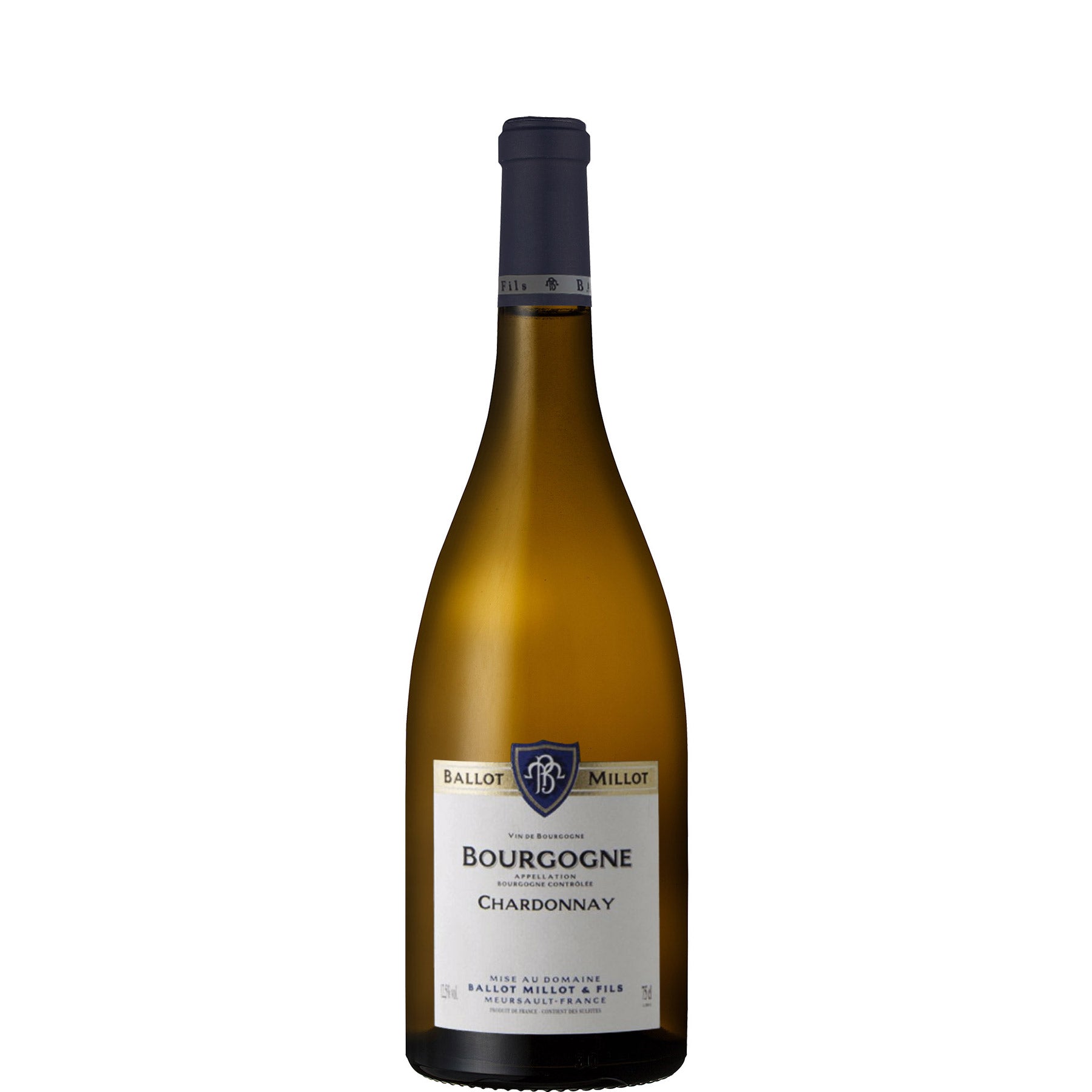
Bourgogne Chardonnay, Domaine Ballot-Millot, 2020
Bourgogne Chardonnay, Domaine Ballot-Millot, 2020
- 75cl
- 13%
- White Still
- Chardonnay
- Organic
Couldn't load pickup availability

Optimal drinking window: Now - 2027
Domaine Ballot-Millot, now under the skilled stewardship of the 17th-generation vintner Charles Ballot, remains one of Meursault’s leading estates.
Charles farms the vineyards organically, whilst in the cellar, he follows the lunar cycle, allowing nature's rhythms to guide his winemaking. His guiding principle is let the terroir do the talking, and the wines are always beautifully expressive and elegant. The 2020 vintage in Burgundy was excellent, producing wines with ripe fruit, good acidity, and balance. This vintage is expected to yield wines that are both approachable in their youth and capable of aging.
At six years old in 2026, this is drinking very well right now, the primary fruit still fresh and the oak fully integrated. Over the next two to three years, the wine will likely develop a richer, more honeyed character as the fruit evolves from fresh to dried. We'd expect it to plateau somewhere around 2028-2030, when the mineral and nutty secondary qualities are at their most expressive. After 2031, the freshness will start to fade and the wine will lose some of its charm, so there's no great reason to hold on beyond that point.
Tasting Notes
AppearancePale gold with a bright, clear edge.
NoseWhite peach and ripe pear lead, with a light toasty note from restrained oak ageing. There's a chalky, almost stony quality underneath that tells you exactly where this wine comes from.
PalateThe 2020 ripeness comes through in a generous, rounded mid-palate, but the acidity keeps everything lively and focused. Think baked apple, a squeeze of lemon, and a faint nuttiness that nods to the Meursault DNA running through the estate.
FinishClean and medium-length, with a pleasant mineral dryness that lingers.
Overall impressionA serious regional Burgundy that earns its place at the table rather than merely filling it.
Food Pairings
In Burgundy, a wine like this is the natural companion to gougères fresh from the oven, the kind that appear without ceremony at the start of a Sunday lunch in a farmhouse kitchen. Locals would pour it alongside a simple roast chicken with tarragon butter, or a trout from one of the region's chalk streams, meunière-style with brown butter and capers. A slice of Époisses at room temperature, if you can handle the assertiveness, is a classic local pairing that the wine's acidity handles surprisingly well. Even a modest jambon persillé, the Burgundian jellied ham terrine, makes perfect sense here.
We think this wine would go well with
Serve at around 11-12°C, cool enough to keep the acidity bright but not so cold that the fruit closes in on itself. No need to decant, though giving it ten minutes in the glass to open up does no harm at all. A tulip-shaped white Burgundy glass works best, giving the wine enough room to breathe without losing the delicate aromatic detail.
The Bourgogne Chardonnay vineyards at Ballot-Millot sit on the limestone-rich soils that run along the Côte de Beaune, though at the regional level these tend to be lighter, better-drained plots on the periphery of the great village sites. The combination of Jurassic limestone and clay gives the wine its characteristic freshness and subtle mineral quality. Altitude and aspect vary across the blend, but the cool continental climate of Burgundy ensures natural acidity is preserved even in warm years like 2020.
Bourgogne Chardonnay is the entry-level white Burgundy appellation, covering vineyards across the entire region that don't qualify for a more specific village or premier cru designation. The rules are straightforward: 100% Chardonnay, and yields capped higher than the grands crus, which means quality varies enormously by producer. In less careful hands it can be anonymous; in the hands of a serious Meursault domaine like Ballot-Millot, the same appellation can punch well above its station, offering a genuine window into the producer's house style at an accessible price.
We'll be honest: 2020 in Burgundy was a vintage that kept everyone on their toes. A warm, dry spring brought early budbreak, then summer turned properly scorching with temperatures hitting 40°C in August. The saving grace came from perfectly timed August rains that rescued the vines from serious drought stress, followed by ideal September weather that allowed for unhurried picking. Yields were mercifully normal after several years of frost-ravaged harvests, and crucially, the heat never tipped into the jammy territory that can plague warmer vintages here.
What emerged were wines with surprising freshness despite the heat, showing ripe fruit balanced by good acidity and lovely mineral precision. The reds have more immediate charm than the structured 2019s, with silky tannins and generous Pinot Noir character, whilst the whites display beautiful richness without losing that crystalline Burgundian tension we adore. This isn't a legendary vintage like 2005 or 2010, but it's thoroughly delicious and more approachable in youth than many Burgundy vintages. The village wines are drinking beautifully now, Premier Crus are just hitting their stride, and the Grands Crus will reward patience for another five to ten years.
FAQs
What does this wine taste like?
Ripe white peach and pear with a light toasty edge and a stony, mineral freshness underneath. The 2020 vintage gives it a generous, rounded quality, but the acidity keeps it focused and lively rather than soft. Think of it as having the hallmarks of a serious Meursault producer at a regional appellation price.
When should I drink this wine?
It's drinking really well right now and will continue to do so until around 2030. The primary fruit is still fresh and vivid in 2026, so there's no need to wait, but it will develop more honeyed, nutty complexity over the next few years if you can hold on.
What food should I pair it with?
Roast chicken with tarragon butter is the classic match. It's also very happy alongside simply cooked fish, a mushroom risotto, or a soft, washed-rind cheese. Anything with butter or cream in the recipe tends to work well.
How should I serve it?
Serve at around 11-12°C. Pull it from the fridge 20 minutes before you plan to pour, rather than serving it straight from cold. No need to decant, but give it a few minutes in the glass before drinking.
Is it worth cellaring?
It will hold until around 2030 and develop some interesting secondary character along the way, but this isn't a wine that demands patience. At the regional Bourgogne level, the pleasure is mostly in the freshness, and that's at its best right now.
What makes Ballot-Millot worth seeking out at this level?
Because the regional wine reflects the same organic farming and lunar-cycle winemaking that goes into their Meursaults and premier crus. You're getting a genuine expression of a serious Côte de Beaune domaine at a fraction of the village wine price. That's a fairly compelling argument.

Explore related wines


What are you looking for tonight? Tell me the occasion, a grape, a region — or just try a suggestion below.
Your recommendations will appear here.
-
-
Speak to one of our Wine Gurus
Speak to a Wine GuruWith years of experience, our team can help you with all your wine buying and selling needs