
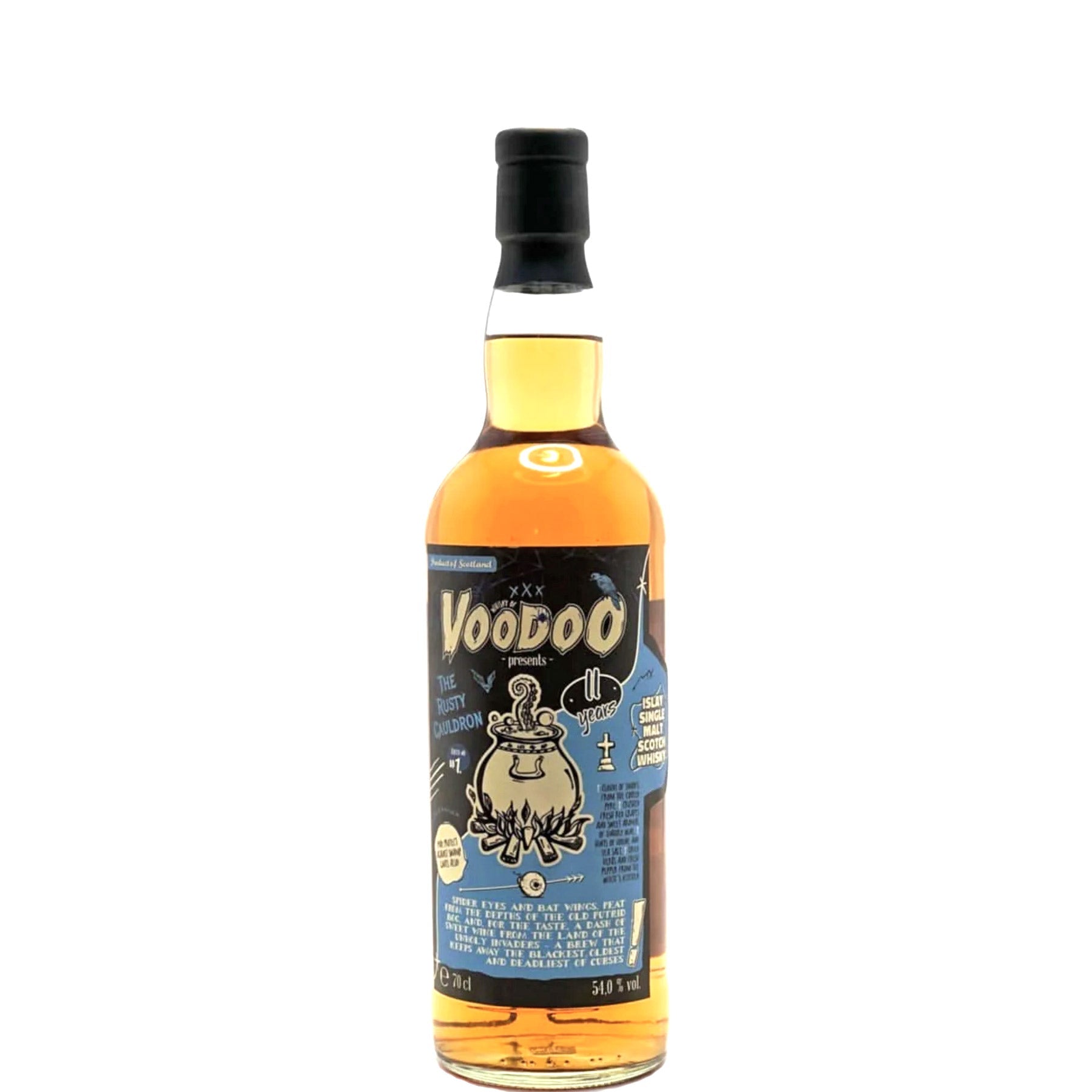
Brave New Spirits, The Rusty Cauldron, Coal Ila Islay 11yo, 2011 - 70cl
Brave New Spirits, The Rusty Cauldron, Coal Ila Islay 11yo, 2011 - 70cl
- 70cl
- 54%
- Spirits
- Barley
Couldn't load pickup availability

Optimal drinking window: 2026 - 2035
About Brave New Spirits, The Rusty Cauldron, Coal Ila Islay 11yo, 2011 - 70cl
Working with some of Scotland’s most revered (and sometimes secretive) distilleries, Brave New Spirits bottle limited-edition single malts and blends that celebrate the full spectrum of what Scotch can be - from peaty powerhouses to elegant, orchard-fruited drams. What sets Brave New Spirits apart is their sense of adventure: unusual cask finishes, expressive flavour profiles, and labels that nod to the fantastical, all without losing sight of tradition or craftsmanship.
Each bottling is a snapshot in time, always small-batch, and always with a story to tell. With just two to three releases every year, we are lucky to have such a range of the Voodoo products.
The Rusty Cauldron 11YO has matured in refill sherry butts and first fill Lafitte wine barriques. It "combines maritime peat smoke with herbal and sweet grape notes."
At 11 years old and already showing the integration you'd hope for, The Rusty Cauldron is in a good place right now. The primary peat and spirit character has settled, and the sherry and Lafitte cask influence has had time to weave itself in rather than sit on top. Over the next three to five years the dried fruit and herbal notes will continue to deepen and the smoke may soften a little further.
Tasting Notes
AppearancePale gold with a warm amber tint, clear and bright in the glass.
NoseSea air and medicinal peat arrive first, classic Caol Ila, but give it a moment and sweet dried grape, dark raisin, and a faint whiff of salted caramel come through from the sherry and wine casks. There's a herbal lift in the background, almost like dried thyme or heather.
PalateSmoke is the spine of this, clean and maritime rather than aggressive, with the Lafitte barrique lending a soft dark-fruit sweetness and a faint tannic grip that adds structure. The interplay between peat and grape is genuinely interesting, neither one dominating the other.
FinishLong and smoky with a lingering sweetness, sea salt on the very end.
Overall impressionA Caol Ila with something extra to say, and the cask combination gives it a character you won't find on the standard distillery range.
Food Pairings
On Islay, this kind of dram is drunk with what the island provides: smoked salmon or hot-smoked trout, aged Isle of Mull cheddar, or a bowl of cullen skink on a grey afternoon. The sherry-wine cask influence makes it more food-friendly than most Caol Ila expressions, and it works particularly well alongside anything with a sweet or caramelised edge, think glazed pork belly or a dark chocolate square as an after-dinner companion. The smoke and brine also make it a surprisingly good match for oysters, a pairing that has long been part of Islay drinking culture.
We think this wine would go well with
Serve at room temperature, around 18-20C, in a tulip-shaped nosing glass rather than a tumbler, which will help concentrate the aromatic interplay between smoke and sweet grape. A few drops of still water can open the nose considerably and soften the palate, so don't be shy about experimenting. No need to chill it and no need for ice, which would mute the more delicate cask-derived notes.
Islay is the southernmost of the Inner Hebrides and, for many whisky lovers, the most emotionally charged island in Scotland. The distilleries here, eight in all, are defined by proximity to the sea and access to rich local peat, which gives Islay malts their characteristic coastal smoke, iodine, and brine. Caol Ila sits on the east coast of the island overlooking the Sound of Islay, which gives it a slightly more restrained peating character than its southern neighbours Ardbeg and Laphroaig, though it remains unmistakably of the island.
Islay in 2011 sits in that honest middle ground — not a vintage that had the wine world clamouring, but not one to dismiss either. The growing season across Scotland that year was marked by a cool, unsettled summer that kept yields modest and ripening cautious, with the Atlantic doing what the Atlantic does best: arriving uninvited. What warmth there was came in patches rather than sustained runs, meaning growers had to be patient and selective at harvest. For a whisky island, of course, the conversation is really about barley rather than vines, and the cooler conditions produced grain with good starch conversion and a character that suits the long game.
The whiskies distilled from the 2011 harvest — those now old enough to show their hand — tend to have a lean, focused quality rather than the fuller, richer profile you get from warmer years. The peat sits clearly defined rather than softened by sweetness, and there is a saline backbone running through the better expressions that feels very true to Islay's windswept Atlantic character. If you have bottles in the cellar, they are drinking well now and will continue to do so until the late 2030s, though the more delicate single casks may be at or approaching their peak.
FAQs
What does The Rusty Cauldron taste like?
It leads with Caol Ila's signature maritime peat smoke and iodine, but the refill sherry butts and first-fill Lafitte wine barriques add dried dark fruit, sweet grape, and a subtle herbal quality. The result is smoky and coastal but with a softness and sweetness that makes it approachable even if you don't normally reach for heavily peated whiskies.
When should I drink this?
It's drinking well right now and there's no pressing reason to wait. If you do want to hold it, it will remain at its best until around 2032-2035, after which the wine-cask character may begin to fade ahead of the peat. Enjoy it sooner rather than later to catch that cask interplay at its most vivid.
What food should I pair it with?
Smoked salmon, aged cheddar, oysters, or cullen skink are all natural partners. The sherry and wine cask influence also means it works well alongside caramelised or lightly sweetened dishes, dark chocolate, or glazed meats. A good dram for the table as much as for the armchair.
How should I serve it?
Room temperature in a tulip nosing glass. Add a few drops of still water if you want to open the nose and soften the palate. Avoid ice, which will close down the more delicate cask-derived aromatics.
What makes Brave New Spirits different from other independent bottlers?
They release just two or three expressions a year, which keeps things genuinely small-batch and considered. The Rusty Cauldron is a good example of their approach: an unusual cask combination, a producer not always easy to source from, and a label with personality. There's a sense of adventure to what they do, without losing respect for the distillery at the heart of each bottling.
Is this a good whisky for someone new to peated Scotch?
Yes, actually. The Lafitte wine barrique influence means the smoke is cushioned by sweetness and fruit, which makes the peat feel more integrated than confrontational. If you've been curious about Islay malts but found Ardbeg or Laphroaig too intense, The Rusty Cauldron is a well-judged entry point.
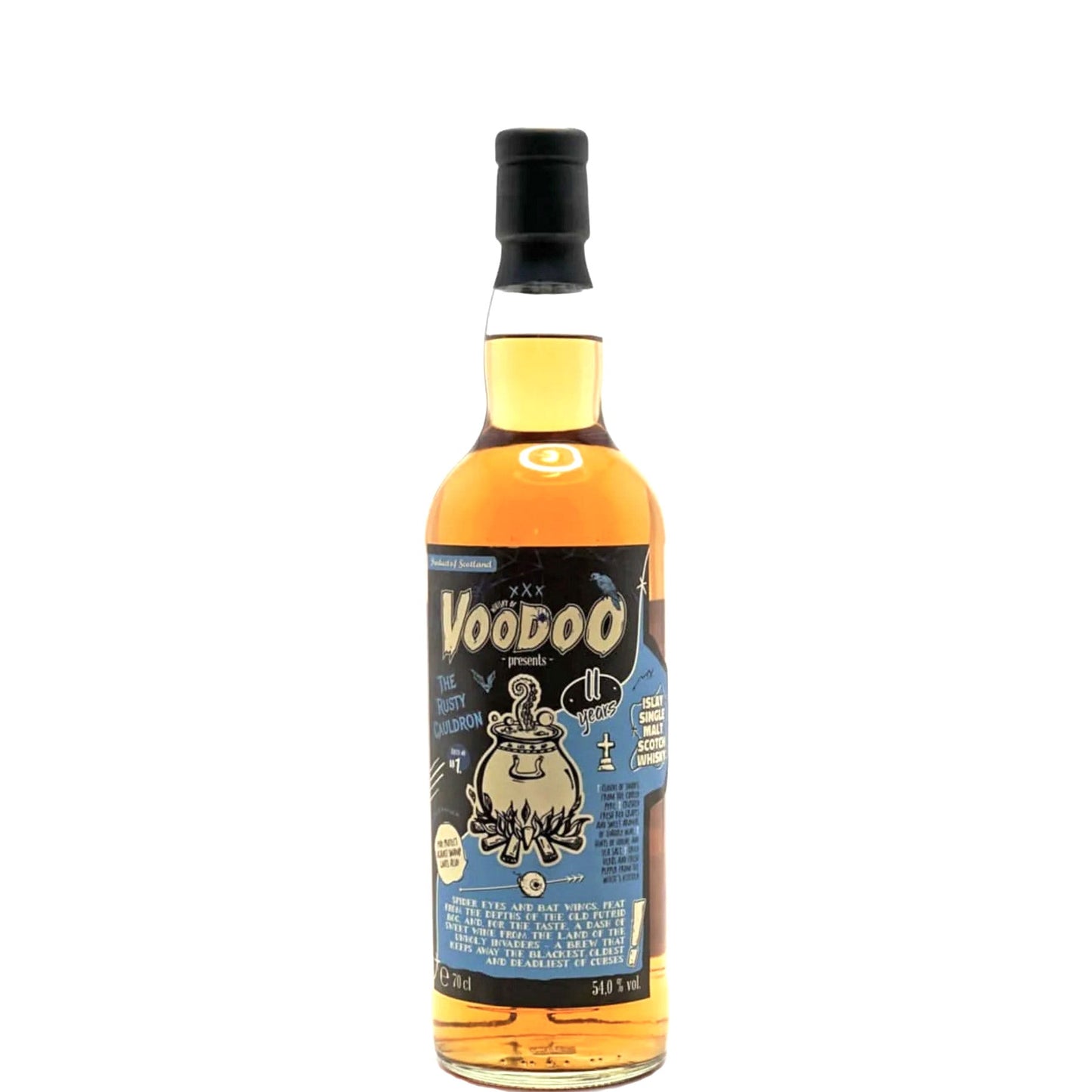

OUR GROWERS
Brave New Spirits


What are you looking for tonight? Tell me the occasion, a grape, a region — or just try a suggestion below.
Your recommendations will appear here.
-
-
Speak to one of our Wine Gurus
Speak to a Wine GuruWith years of experience, our team can help you with all your wine buying and selling needs