
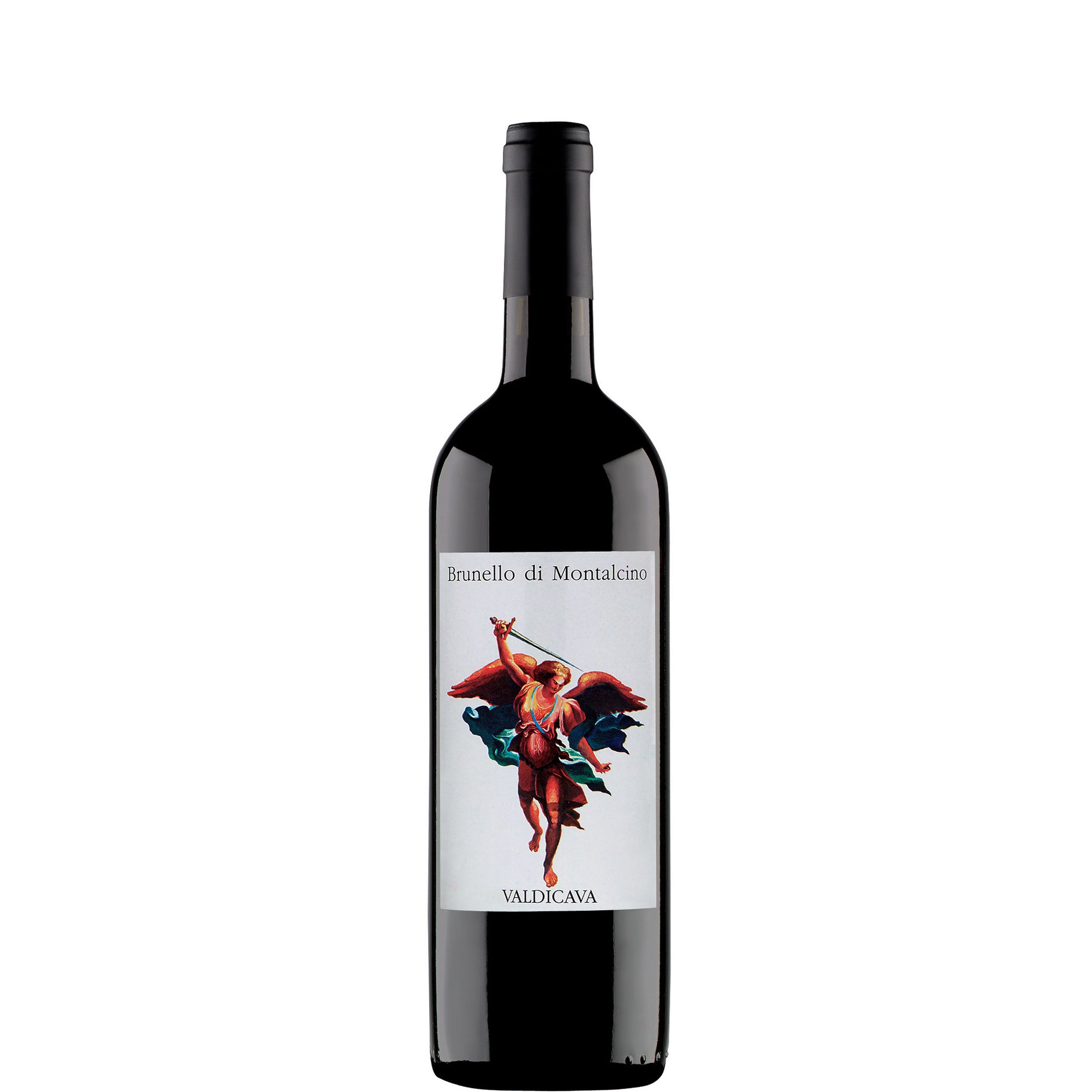
Brunello di Montalcino, Valdicava, 2007
Brunello di Montalcino, Valdicava, 2007
- 75cl
- 13.5%
- Red Still
- Sangiovese
Couldn't load pickup availability

Optimal drinking window: Now - 2030
Brunello di Montalcino, Valdicava, 2007 is one of those bottles that reminds you why people fall in love with Brunello in the first place.
With time in bottle, those firmer 2007 tannins have softened into something silky and enveloping, but there’s still plenty of structure holding everything together.
This is Brunello in full stride; powerful, polished and deeply satisfying. Perfect with slow-braised beef, wild boar ragù, or just a quiet evening when you want something truly special in the glass.
At nearly nineteen years old, the 2007 Valdicava is in a deeply satisfying drinking window right now, the vintage's famously polished tannins having found a harmony with the fruit that makes opening a bottle a genuine event. The primary plum and cherry fruit is integrating gracefully into leather, tobacco, and dried floral notes — the signature of well-aged Brunello from a ripe year. We would expect this to remain at peak for another five to eight years, plateau gently through the mid-2030s, and only begin to soften into tertiary, more fragile territory from around 2033 onwards.
What the critics say:
"What beautiful clear fruit here, with plums and spices and hints of flowers. Class. Full- bodied and luscious, this Brunello fills your mouth, with polished velvety tannins and gorgeous fruit. So wonderful and gorgeous. Irresistible. Better than 2006. Best after 2016."
"The 2007 Brunello di Montalcino is gorgeous. Dark red cherries, plums, spices, leather and tobacco wrap around the palate as this dense, powerful wine starts to open up. Expressive aromatics are woven throughout, giving the 2007 a measure of polish and sophistication that is not always present in this wine when it is young. Finessed, suave tannins reinforce an impression of elegance. The 2007 can be enjoyed with minimum cellaring, but it will also age gracefully for many years. Readers who want to try the 2007 today should give the wine plenty of air, as the more refined qualities only emerge over time. When tasted next to the 2006, the 2007 shows redder tonalities of fruit and less sheer muscle. Hints of tobacco, crushed flowers and spices wrap around the sensual finish."
Tasting Notes
AppearanceDeep garnet with a translucent ruby rim, the colour beginning to show just a hint of brick at the edge after nearly two decades.
NoseDark cherry and dried plum lead, shifting with air into something more complex — leather, dried roses, tobacco leaf, and a thread of sweet spice. There is real aromatic generosity here, the kind that only comes with proper bottle age on a genuinely great vintage.
PalateFull-bodied but wonderfully composed, with velvety tannins that still carry structure without any of the austerity that marked the 2007 in its youth. The fruit is redder and more refined than the 2006, framed by warm spice and a savoury, tobacco-tinged undercurrent that keeps things honest.
FinishLong, mineral, and gently drying — the tannins having the last word, as any serious Brunello should.
Overall impressionBrunello at its most seductive: powerful without brutality, polished without being soft.
Food Pairings
In Montalcino and the broader Sienese countryside, Brunello is the wine you open for the serious meat dishes that define the cucina of southern Tuscany. Slow-braised wild boar with black olives and rosemary is the classic pairing — the game's richness meeting the wine's tannin with exactly the right kind of force. Bistecca di Chianina, grilled over wood with nothing more than salt and olive oil, is another natural partner: the simplicity of the dish lets the wine do the talking. In autumn, pappardelle with hare ragù is a staple that works brilliantly here, as does a plate of aged Pecorino di Pienza, the local sheep's cheese that cuts through the tannin with its salty, crumbly intensity.
We think this wine would go well with
Serve at around 17-18°C — cool enough to keep the wine fresh, warm enough to let the aromatics open properly. Despite nineteen years in bottle, this wine will still benefit from decanting; give it at least an hour, ideally two, and watch what happens in the glass as the air works its way in. A large-bowled Burgundy-style glass gives the wine the space it needs to breathe and lets those more delicate secondary aromas — the dried flowers, the tobacco, the faint mineral thread — come forward rather than being lost.
Valdicava's vineyards sit in the northern sector of Montalcino at around 400 metres above sea level, where cooler temperatures slow ripening and give the wines their characteristic lift and aromatic finesse. The soils here are predominantly galestro — a crumbly, schist-like limestone — which drains freely, keeps vine stress at productive levels, and lends the wines a mineral backbone that underpins all that Sangiovese fruit. The altitude also means wider diurnal temperature swings than you find lower down, which preserves freshness and perfume without sacrificing the concentration Montalcino is known for. It all adds up to wines of real elegance rather than sheer weight.
Brunello di Montalcino is one of Italy's most important DOCG appellations, built entirely on Sangiovese Grosso — locally called Brunello — grown around the hilltop town of Montalcino in southern Tuscany. The rules are demanding: minimum five years ageing before release (six for Riserva), of which at least two must be in oak and four months in bottle, making this one of the longest mandatory ageing regimes in Italy. The result is wine that arrives at market already with some development, though the best examples from top producers are built to go much further. Montalcino's warmer, drier climate compared to Chianti Classico to the north gives Brunello more flesh and tannin, but the best sites — particularly at altitude — add elegance to the power.
The 2007 vintage in Tuscany arrived with a curious contradiction: a hot, dry summer that should have produced concentration, followed by September rains that threatened to undo months of careful vineyard work. Many producers faced the sort of harvest-time decisions that separate the committed from the merely commercial, with those willing to declassify portions of their crop ultimately crafting wines that captured the vintage's essential character whilst avoiding its pitfalls.
What emerged were Sangiovese-based wines with more immediate charm than the structured, age-demanding vintages that bookended this period, though the best estates still produced wines with serious backbone. The vintage rewards patience without demanding it—most Chianti Classico and Brunello from 2007 hit their stride around 2015 and continue drinking beautifully until 2025, offering that sweet spot where primary fruit and developed character exist in harmony. We find ourselves drawn to 2007 precisely because it doesn't shout about itself; it simply delivers pleasure without the premium that the more celebrated vintages command.
FAQs
What does this wine taste like?
Dark cherry, dried plum, leather, and tobacco, with warm spice and a mineral thread running through to a long, structured finish. The 2007 vintage gave Brunello real polish and red-fruit elegance — less muscular than some years, more refined and aromatic, and absolutely in its stride now.
When should I drink this wine?
It is drinking wonderfully right now and has been for a few years. The tannins have softened into something silky without losing their grip, and the secondary complexity is in full bloom. We would drink it with confidence until 2030.
Do I need to decant it?
Yes — even at this age, decanting makes a real difference. Give it at least an hour, ideally two. The wine opens up considerably with air, the more delicate aromas emerging gradually. Pour into a large-bowled glass and let it breathe before you commit to the first pour.
What food works best with this wine?
Think slow-cooked, rich, and savoury: braised wild boar, a proper beef ragù, bistecca Fiorentina, or pappardelle with hare. Aged Pecorino also works a treat. This is not a wine for delicate fish — it wants something with enough weight to push back.
Is Valdicava considered a top producer?
Very much so. Valdicava is one of the most respected names in Montalcino, consistently producing wines of real refinement from a relatively small estate. Scores in the high 90s from the world's leading critics are not unusual, and the 2007 in particular drew extraordinary praise — James Suckling awarded it 98 points and rated it higher than the 2006.
Is this wine worth cellaring further?
If you have the conditions and the patience, yes — though there is a strong argument for drinking it over the next five to eight years while it is at its most expressive. Great Brunello from a top estate and a fine vintage like 2007 will hold, but the window of peak pleasure is wide open right now.
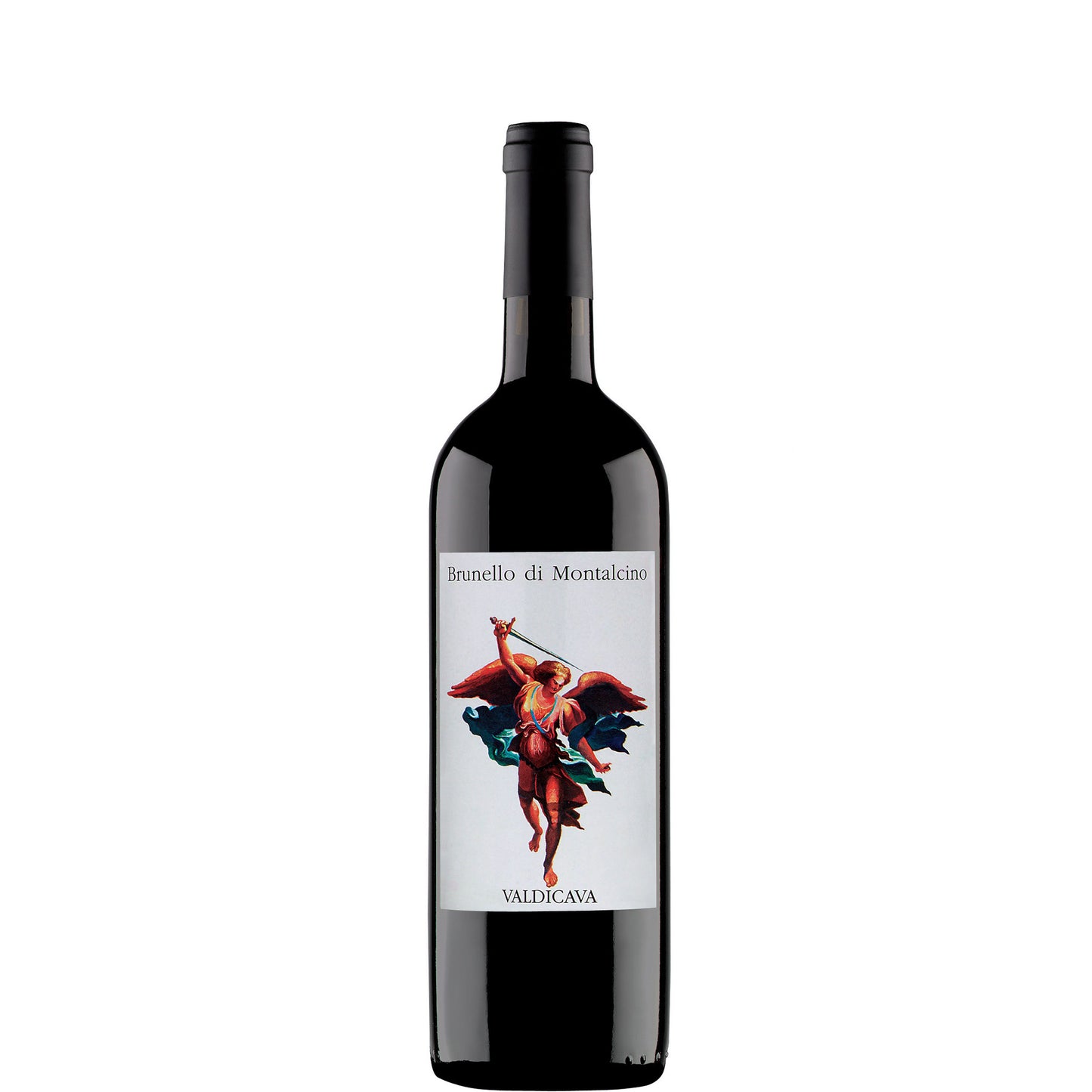

Explore related wines


What are you looking for tonight? Tell me the occasion, a grape, a region — or just try a suggestion below.
Your recommendations will appear here.
-
-
Speak to one of our Wine Gurus
Speak to a Wine GuruWith years of experience, our team can help you with all your wine buying and selling needs