

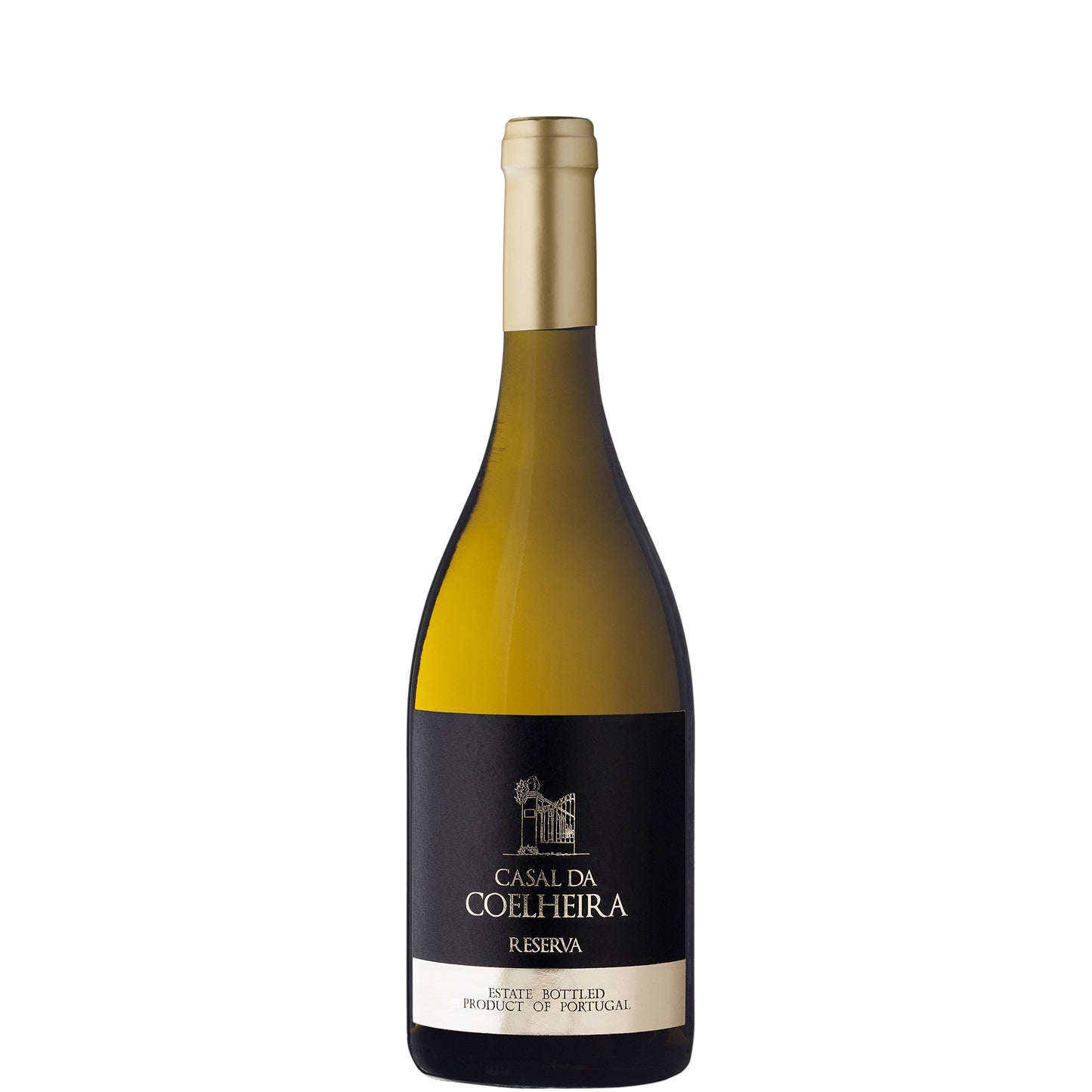
Casal da Coelheira, Reserva White, 2022
Casal da Coelheira, Reserva White, 2022
- 75cl
- 13%
- White Still
- Arinto, Chardonnay
Couldn't load pickup availability

Optimal drinking window: 2026 - 2029
Casal da Coelheira sits in the Tejo, one of Portugal's most compelling white wine regions, where Atlantic breezes keep the heat honest and the grapes hold on to their freshness.
The 2022 vintage gave Portugal warm, dry conditions with good diurnal range, and you can taste that balance here — ripe fruit without excess, acidity without austerity. It's in a lovely place right now, with just enough freshness to keep things lively through 2029. Pour it alongside a whole roast sea bass or a plate of creamy bacalhau à brás and it will repay you handsomely.
The 2022 is drinking well right now, with its primary citrus and stone fruit at full brightness. Over the next year or two, expect the waxy, honeyed qualities to integrate further and the wine to feel slightly more seamless. By 2027-2028 it may develop a little more nutty, oxidative complexity, which can be charming in this style.
Tasting Notes
AppearanceBright, mid-gold with a pale green rim and good clarity.
NoseOpens with ripe lemon, white peach, and a thread of blossom honey. There's a subtle waxy, lanolin quality that suggests some lees contact, and a faint saline lift that keeps it from feeling heavy.
PalateFull and rounded on entry, with stone fruit and preserved citrus giving way to a creamy mid-palate. The acidity is well-judged — present enough to keep things lively, but the overall impression is of generosity rather than tension.
FinishClean and moderately long with a fresh, citrus-pith edge that cuts through the richness neatly.
Overall impressionA confident, food-ready white that punches above its price point.
Food Pairings
In the Tejo, this style of rich, textured white finds its natural partner in bacalhau — salt cod — whether baked with cream and potato or flaked through a brás. Enguias fritas, crispy fried river eels once ubiquitous on Tejo tables, would be a traditional and rather brilliant match. Grilled freshwater fish, particularly the region's prized shad, is another classic pairing. For something more everyday, a plate of queijo fresco with good olive oil and bread would let the wine's honey and citrus do all the talking.
We think this wine would go well with
Serve at around 10-12°C — cold enough to preserve freshness, but not so cold that the texture and aromatics close up. No need to decant; just give it a few minutes in the glass to open. A standard white wine tulip or a wider-bowled Burgundy-style glass will both serve it well, the latter if you want to coax out more of the honeyed, waxy mid-palate.
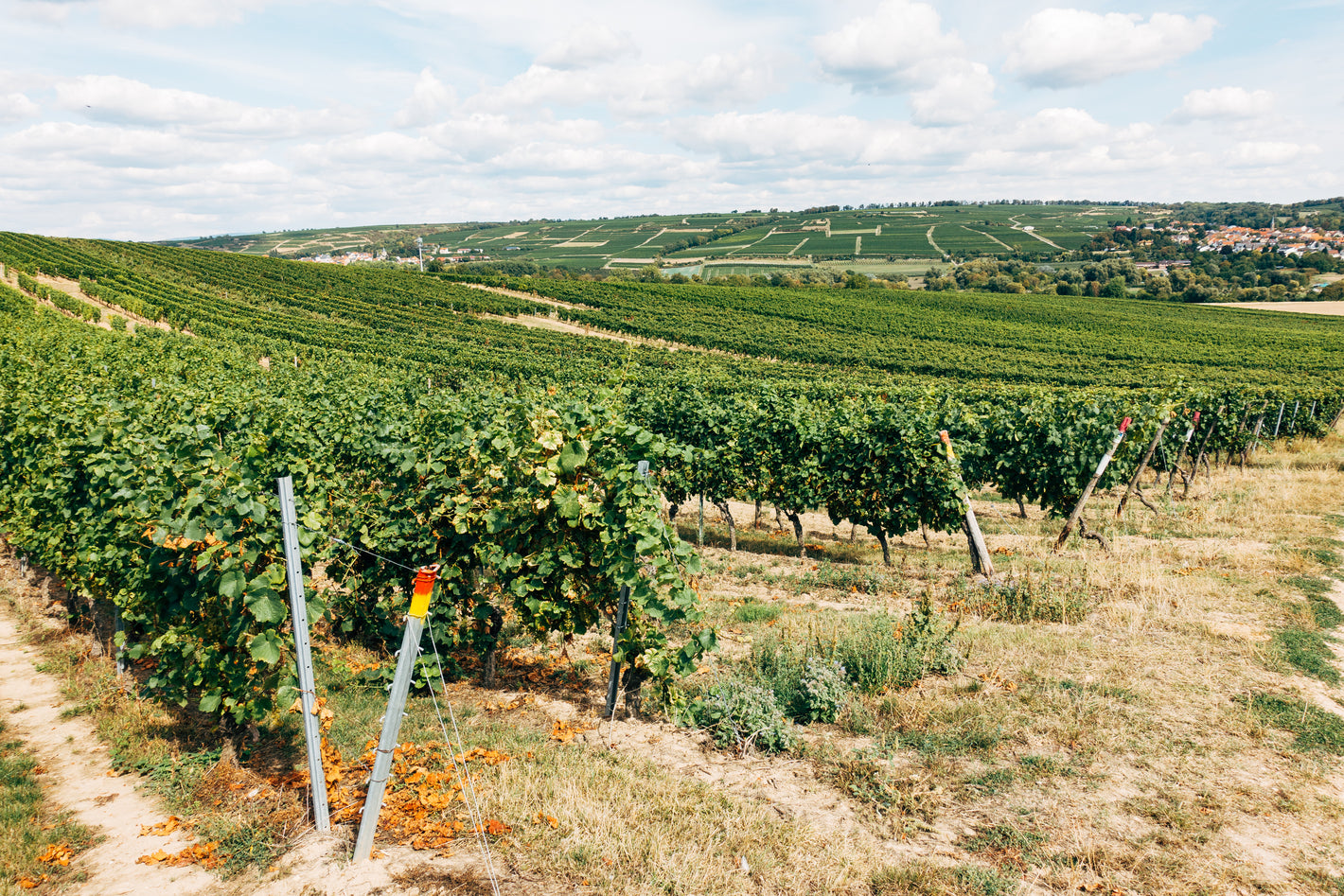
The Tejo's vineyards occupy the alluvial plains and gentler slopes around the Tagus River, with soils ranging from sandy loams to heavier clay. This combination helps retain moisture through the warm, dry summers that characterise the region's continental climate, tempered by Atlantic influence from the west. The result is grapes that ripen fully but maintain acidity — essential for white wines with genuine freshness and ageing potential.
The Tejo DOC (formerly Ribatejo) stretches along the Tagus River in central Portugal and produces wines from both indigenous and international varieties. It sits between the warm, powerful wines of the Alentejo to the south and the more mineral, Atlantic-influenced styles of Lisbon and Setúbal to the west. The region's rules allow for a broad range of grape varieties and styles, from easy-drinking whites to serious, oak-aged Reservas. It is still finding its critical footing internationally, which makes it one of Portugal's better-value hunting grounds.
The 2022 growing season in Tejo brought the kind of heat that makes winemakers grateful for those Atlantic breezes rolling up the Tagus valley. Summer temperatures soared well above average, creating genuine stress for the vines, but the region's experienced growers managed the challenge with careful canopy work and judicious irrigation where possible. Harvest came early and fast, with picking crews working dawn shifts to capture fruit before the day's heat could sap the natural acidity that keeps these wines lively.
What emerged from the cellars shows Tejo's knack for turning challenging years into characterful ones. The reds, particularly Touriga Nacional and Castelão, show concentrated fruit wrapped in firm tannins that will need a couple of years to settle down properly. The whites fared better than expected, with Arinto keeping enough backbone to age gracefully. We're drinking the whites now with real pleasure.
FAQs
What does this wine taste like?
Rich and rounded, with ripe citrus, white peach, and a honeyed quality balanced by fresh acidity and a saline lift on the finish. It's generous without being heavy.
When is the best time to drink it?
It's drinking well right now and will remain at its best until around 2029. No need to hold on to it — the freshness is part of the appeal.
What food should I pair it with?
It's a natural with seafood — particularly salt cod dishes, grilled fish, or anything with a creamy sauce. It's also good alongside soft cheeses, roast chicken, or a simple pasta with butter and herbs.
How should I serve it?
Serve at 10-12°C. There's no need to decant — just open, pour, and give it a minute or two in the glass. A standard white wine tulip works well.
Is it worth cellaring?
There's modest cellaring potential here, but not a strong case for it. The wine is at its most vibrant now. If you want to hold a bottle or two until 2028 out of curiosity, you won't be disappointed — but you also won't be rewarded with dramatic transformation.
What grape varieties are used?
The exact blend isn't always declared, but this style from the Tejo typically relies on Arinto for freshness and structure, and Chardonnay for aromatic richness and texture.


What are you looking for tonight? Tell me the occasion, a grape, a region — or just try a suggestion below.
Your recommendations will appear here.
-
-
Speak to one of our Wine Gurus
Speak to a Wine GuruWith years of experience, our team can help you with all your wine buying and selling needs