
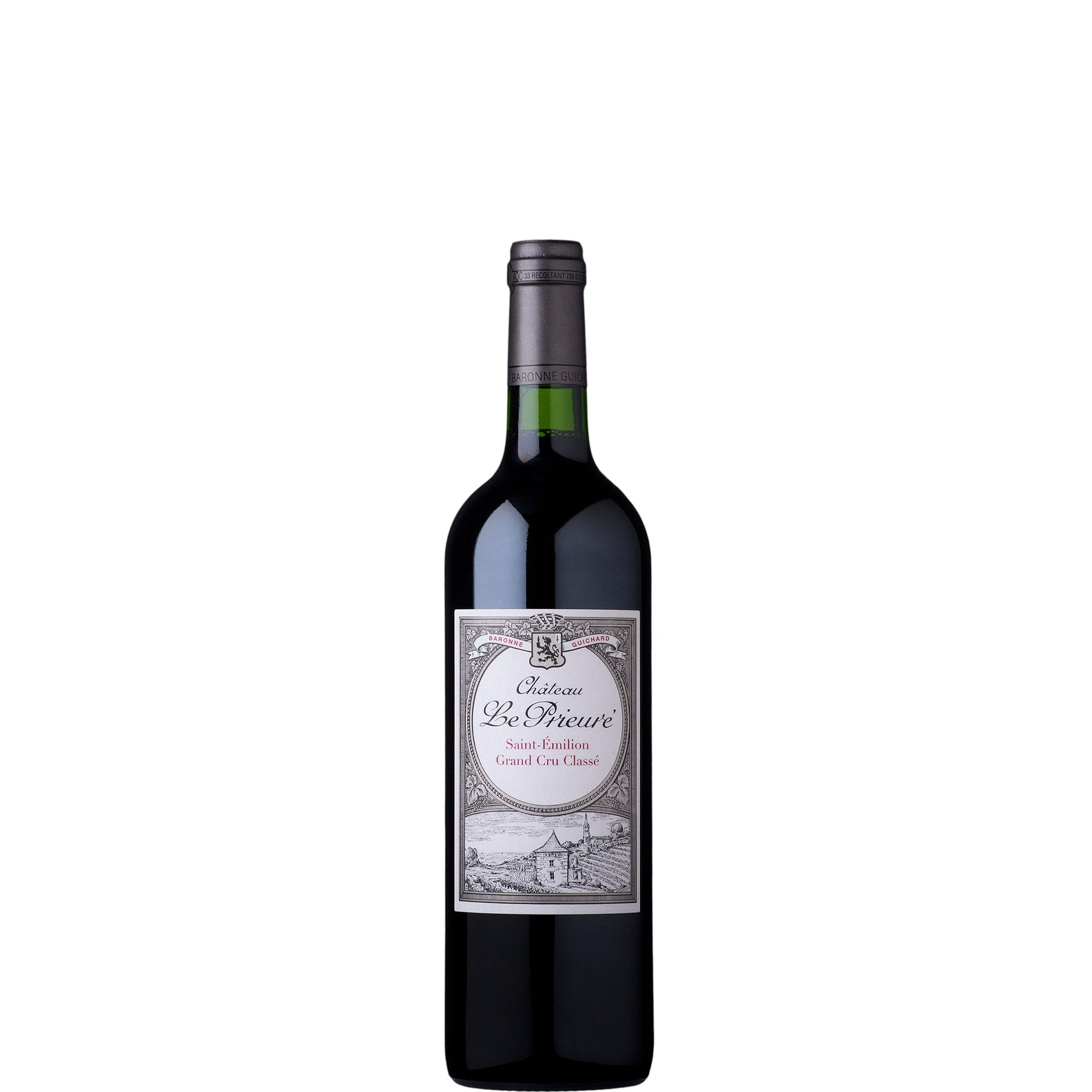
Château Le Prieuré, 2015 - Half-bottle
Château Le Prieuré, 2015 - Half-bottle
- 37.5cl
- 14.5%
- Red Still
- Merlot, Cabernet Franc
Couldn't load pickup availability

Optimal drinking window: 2026 - 2040
About Château Le Prieuré, 2015 - Half-bottle
The Château Le Prieuré is a beautifully crafted Saint-Émilion Grand Cru, showcasing the elegance and structure of Bordeaux’s Right Bank. Located on Saint-Émilion’s limestone plateau, this estate’s vines benefit from excellent drainage and mineral-rich soils, resulting in a wine that combines depth, power, and refined finesse.
The 2015 vintage, characterised by warm and dry conditions, has produced particularly ripe and concentrated fruit, contributing to this wine’s luxurious profile.
This 2015 is currently in its early maturity phase, with the primary fruit still vibrant but secondary complexity beginning to emerge. Over the next 3-4 years, expect the dark fruit to become more integrated while leather, tobacco, and earth notes develop further. It should reach its peak around 2030-2035, when the fruit and savoury elements achieve perfect harmony. The limestone terroir will help preserve freshness well into the 2040s, though the most exuberant fruit will have faded by then in favour of more contemplative, mineral-driven pleasures.
Tasting Notes
AppearanceDeep garnet with a brick edge starting to show its eleven years.
NoseRich blackberry and plum fruit layered with cedar, tobacco leaf, and that distinctive Saint-Émilion limestone minerality. There's a hint of leather and dried herbs emerging as it opens in the glass. The oak is now beautifully integrated, providing structure rather than dominating.
PalateMedium to full-bodied with silky tannins that have lost their youthful grip. The Merlot shows in the plush dark fruit, while Cabernet Franc adds spice and structure. The limestone terroir provides a mineral thread that runs from attack to finish, preventing the wine from becoming too soft or generous.
FinishLong and savoury with graphite, cedar, and a touch of dark chocolate lingering.
Overall impressionA Saint-Émilion that's found its balance between power and elegance.
Food Pairings
In Saint-Émilion, this wine would traditionally accompany the rich, rustic cuisine of southwestern France. Think slow-braised beef daube with herbs de Provence, confit duck leg with garlic and thyme, or a côte de bœuf grilled over vine cuttings. The local specialty of entrecôte à la bordelaise, with its shallot and red wine reduction, would be perfect. Aged hard cheeses from the region, particularly those made from sheep's milk, complement the wine's mineral backbone beautifully.
We think this wine would go well with
Serve at 17-18°C to allow the fruit and tannins to show their best. At eleven years old, decanting for 30-45 minutes will help it open up fully, though it's not strictly necessary. Use large Bordeaux glasses to concentrate the aromatics. The half-bottle format means it will evolve more quickly in the glass, so don't rush it.
The vineyards sit on Saint-Émilion's famous limestone plateau, where the thin topsoil over deep limestone bedrock provides excellent drainage and forces the vines to dig deep for nutrients. This geology imparts the distinctive mineral backbone that runs through all great Saint-Émilion wines. The elevated position catches cooling breezes that help preserve acidity during hot summers, while the limestone reflects heat back up to the grapes, aiding ripening. These conditions create wines with both power and finesse, combining rich fruit with structural elegance.
Saint-Émilion Grand Cru represents the upper tier of this UNESCO World Heritage appellation on Bordeaux's Right Bank. Unlike the Left Bank's focus on Cabernet Sauvignon, Saint-Émilion's clay and limestone soils favour Merlot, creating wines that are generally more approachable in youth than their Médoc counterparts. The Grand Cru classification requires stricter yields and longer élevage than basic Saint-Émilion, resulting in wines with greater concentration and ageability. The appellation's unique terroir produces wines that combine the power of great Bordeaux with a more supple, sensual character.
We absolutely adore 2015 Bordeaux, and frankly, we think it might be the most underrated vintage of the decade. The growing season was a fairy tale: a warm, dry summer with just enough rain in September to plump up the grapes before a gloriously sunny harvest. The Right Bank had a particularly brilliant time of it, with Merlot ripening to perfection, whilst the Cabernet Sauvignon on the Left Bank achieved that magical balance between power and elegance that makes collectors weak at the knees.
What emerged were wines of remarkable concentration and finesse – think 2010's structure with 2009's generosity, but with their own distinct personality. The tannins are silky rather than muscular, the fruit is pure and focused, and there's an underlying freshness that keeps everything in perfect harmony. We find these wines utterly charming already, drinking beautifully now with a few hours in the decanter, but the best will happily cellar for another 15-20 years. If you're looking for Bordeaux that combines immediate pleasure with serious ageing potential, 2015 is your vintage.
FAQs
What does this Saint-Émilion taste like?
Rich and elegant with dark berry fruit, cedar, and distinctive limestone minerality. The tannins are silky and integrated after eleven years of ageing.
When should I drink this 2015?
It's drinking beautifully now but will continue to develop until 2040. We'd drink it over the next decade for the best balance of fruit and complexity.
What food pairs well with this wine?
Classic choices include roast beef, lamb, or duck. The mineral backbone also works brilliantly with aged hard cheeses or mushroom dishes.
Should I decant this wine?
A brief 30-45 minute decant will help it open up, though it's not essential. Serve at 17-18°C in large Bordeaux glasses.
Why choose a half-bottle?
Perfect when you want proper aged Bordeaux without committing to a full bottle. Ideal for intimate dinners or when you want to compare it alongside another wine.
How does Saint-Émilion differ from Left Bank Bordeaux?
Saint-Émilion tends to be more Merlot-based and approachable, with a distinctive mineral character from limestone soils rather than the gravel of the Left Bank.
OUR GROWERS
Château Le Prieuré


What are you looking for tonight? Tell me the occasion, a grape, a region — or just try a suggestion below.
Your recommendations will appear here.
-
-
Speak to one of our Wine Gurus
Speak to a Wine GuruWith years of experience, our team can help you with all your wine buying and selling needs