
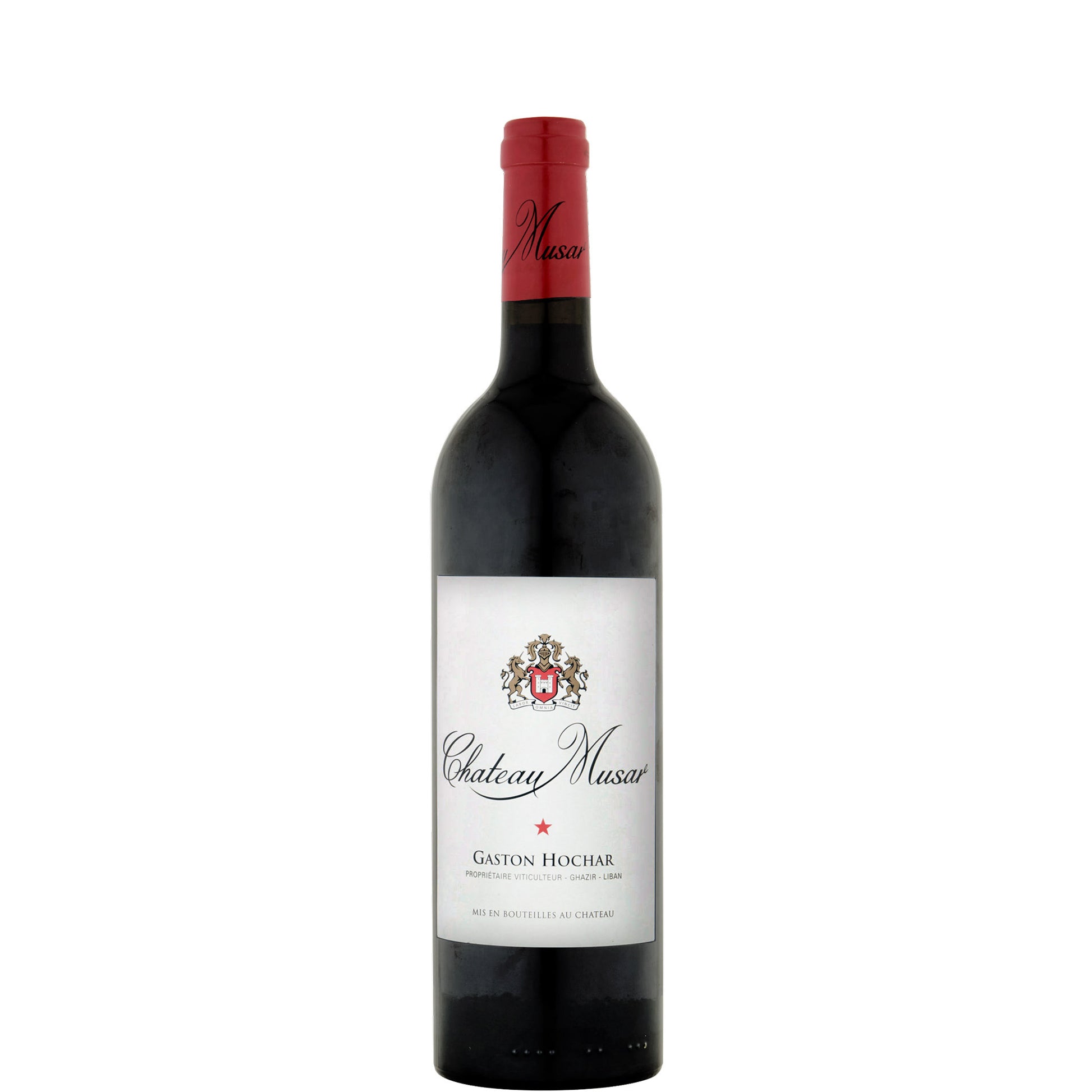
Château Musar Red, 2019
Château Musar Red, 2019
- 75cl
- 13.5%
- Red Still
- Cabernet Sauvignon, Cinsault, Carignan
- Organic
Couldn't load pickup availability

Optimal drinking window: Now - 2045
"My wines are my legacy. When I have finished talking, they will talk for me."
Serge Hochar
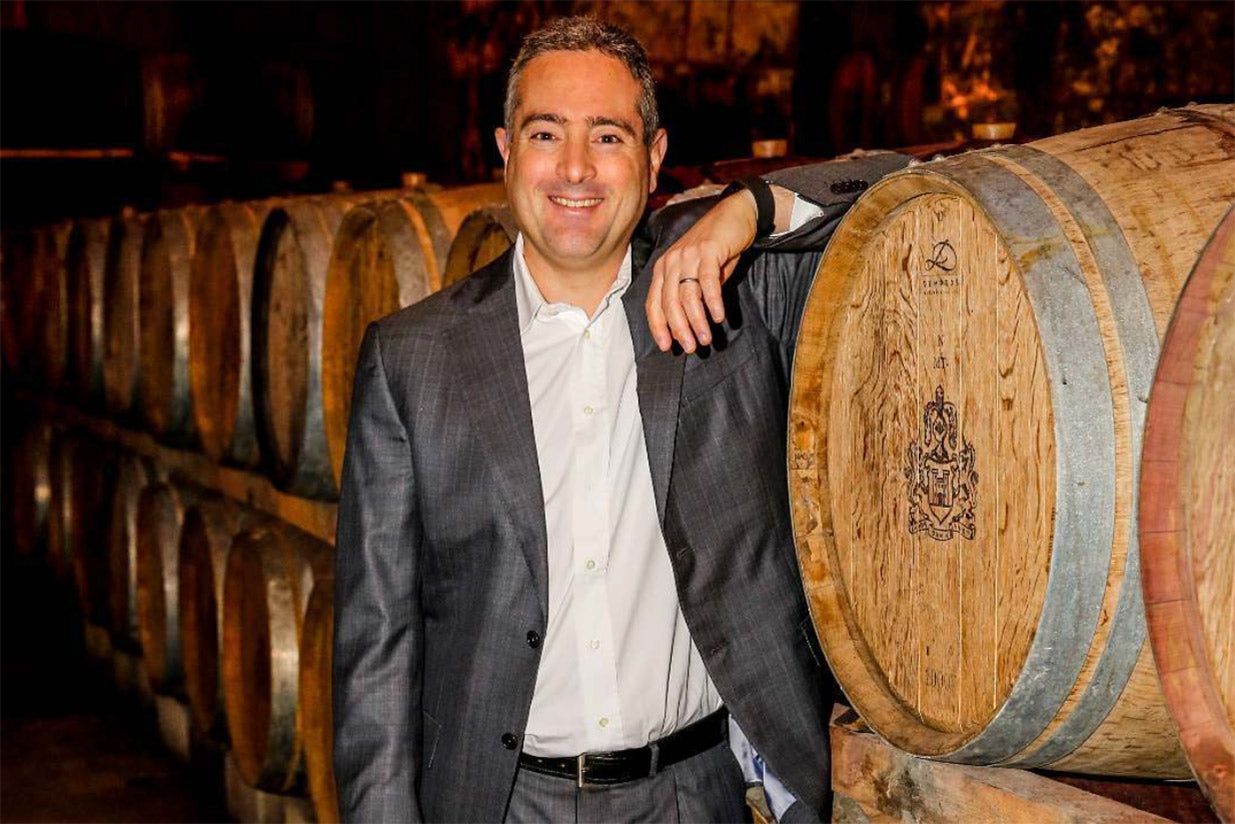
Our Wine Director Tom Harrow has been lucky enough to visit Musar in Ghazir several times, tasting through young and ancient vintages with Ronald Hochar, his nephew Gaston, and winemaker Tarek Sakr. Neal Martin, writing for Vinous, put it well: Musar is "a remarkable estate" whose wines gained prominence thanks to Serge Hochar — "an irrepressibly joyful man with limitless energy" — and whose reputation was cemented by Michael Broadbent, one of the great champions of the domaine.
2019 was a remarkable year — record rainfall after years of drought, delivering real concentration and precision. Equal parts Cinsault, Cabernet Sauvignon and Carignan, fermented in concrete with natural yeasts, twelve months in French Nevers oak, bottled without fining or filtration. It has impressive depth, a real thread of salinity, genuine architecture from the tannin and acidity. Ready now, but built for the long haul.
"The 2019 is one of the best young Musars I can remember opening. There's a thread of salinity running through it that's immediately distinctive — this is a wine that tastes of somewhere specific, the Bekaa Valley heat held in check by the altitude and that record rainfall giving real precision to the fruit. The Cinsault brings a lifted, almost silky quality to the red fruit; the Carignan the spine and the grip; the Cabernet the architecture. Twelve months in Nevers oak, unfined, unfiltered — you can feel the lack of interference. It's serious without being severe, and there's a generosity here that tells you it will reward patience as much as it rewards opening now. Drink from 2025 to 2045, though I suspect many bottles won't make it that far."
Tom Harrow
At seven years old, the 2019 is still in its primary phase, with the fruit sitting forward and the wine's structural elements not yet fully integrated. Over the next two to three years the tannins will soften and the dried fruit, tobacco, and earthy complexity that defines mature Musar will begin to assert themselves more clearly. The plateau, where everything is in balance, is likely to fall somewhere between 2028 and 2034. After that the wine will start moving into a more tertiary, dried-flower-and-autumn-leaf phase that many Musar devotees consider its finest hour. It will still be drinking well in 2045, and possibly beyond.
Tasting Notes
AppearanceDeep ruby with garnet edges, still youthful but with the first signs of evolution at the rim.
NoseOld roses and dried cherries open first, followed by tobacco leaf and a faint whiff of the Bekaa's wild thyme and garrigue. There is something almost Rhône-like in its warmth, but the aromatic quality is entirely its own.
PalateMedium-full in body with ripe, dusty tannins and dark plum fruit sitting alongside dried figs and a streak of iron-edged earthiness. The Cinsault brings a lifted, almost floral quality that stops the wine from feeling heavy despite its warmth.
FinishLong, dry, and savoury with dried herbs and a faint smokiness that lingers well past the swallow.
Overall impressionA wine that rewards patience and always rewards curiosity.
Food Pairings
In Lebanon, this would find its natural home alongside a mezze table that has gone on long enough to reach the slow-cooked meat dishes: kafta bil saniyeh, kibbeh baked in lamb fat, or a whole leg of lamb with seven spices. The wine's earthiness and dried herb character make it a natural companion to dishes built around sumac, allspice, and cinnamon. Equally good with aged Halloumi or the kind of robust mountain cheeses that Lebanese hill villages still produce. The local instinct is always to eat generously with it, and that instinct is right.
We think this wine would go well with
Serve at around 17°C. Decanting is worthwhile and we would give it at least an hour, ideally two; the wine tends to shut down briefly on opening before expanding considerably in the glass. A large-bowled red wine glass suits it well, giving the aromatic complexity room to develop as it opens up.
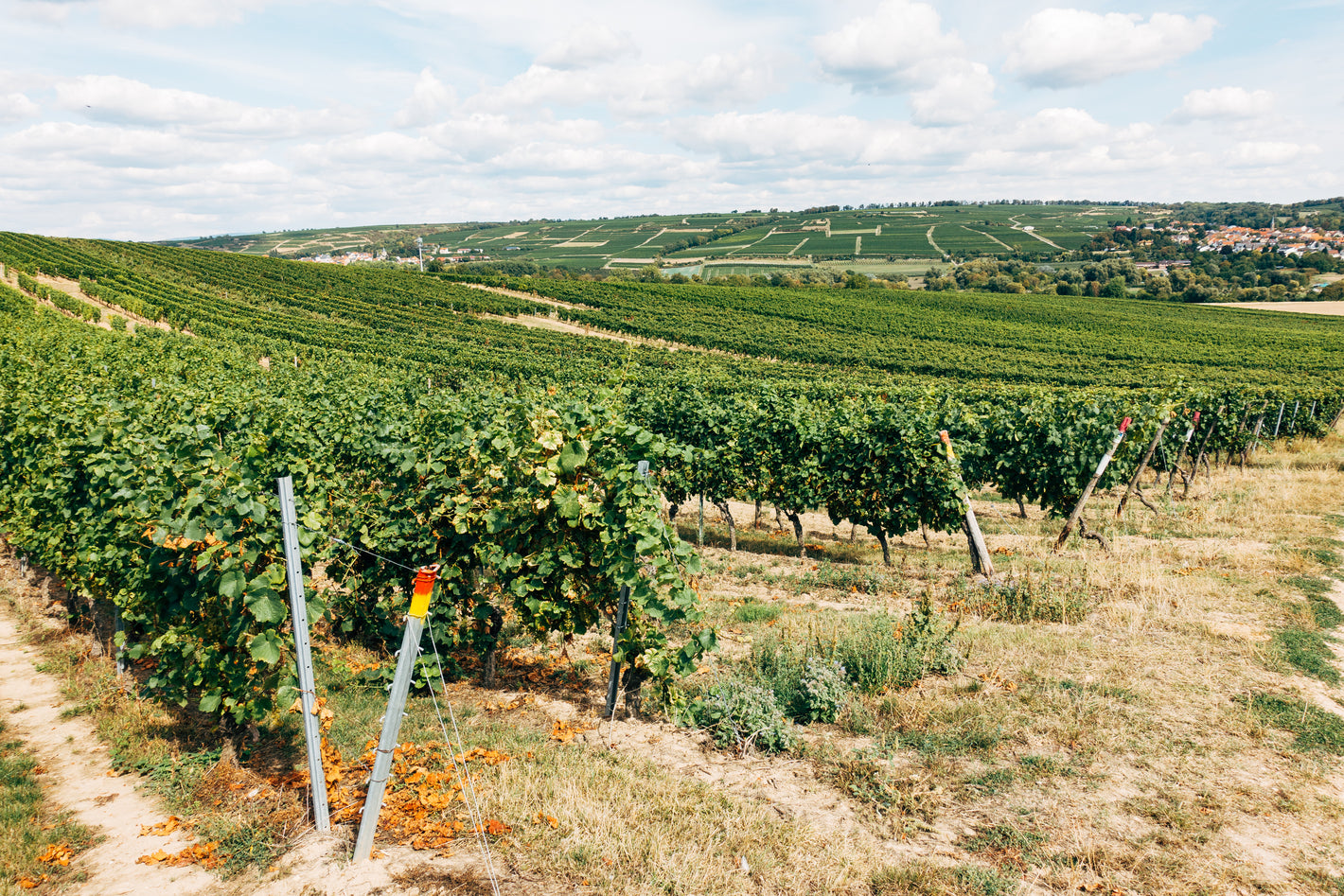
The vineyards sit in the northern Bekaa Valley at altitudes between 1,000 and 1,450 metres above sea level, where the elevation brings cool nights that preserve acidity and freshness despite the ferocious daytime heat. Soils are predominantly chalk and limestone, giving the wines a mineral backbone and the kind of lift that pure sunshine alone could never produce. The continental climate here is extreme by any measure, with very low rainfall and wide diurnal temperature swings that concentrate flavour and slow ripening in equal measure.
Lebanon does not have an appellation system comparable to France's AOC or Italy's DOC, though the Bekaa Valley is widely recognised as the country's most important wine-growing region. Producers operate without the formal regulatory framework that governs European wines, giving families like the Hochars considerable freedom in grape selection and winemaking. This absence of rules has, if anything, encouraged a diversity of styles and varieties that more tightly regulated regions might have ironed out long ago.
Lebanon's 2019 growing season was broadly favourable across the Bekaa Valley, with warm, dry conditions through the summer months and a harvest that came in at good ripeness levels without the punishing heat stress that can strip freshness from the fruit. The valley's altitude does a lot of the heavy lifting here — vineyards sitting above 1,000 metres hold onto diurnal temperature swings even in hot years, and 2019 was no exception. The result was grapes that arrived at the winery in sound condition, with natural acidity intact.
The wines that came out of 2019 reflect that balance: reds from Cabernet Sauvignon, Syrah, and the Cinsault blends that define the region's character show fruit concentration alongside a freshness that stops them feeling heavy. It is a vintage where the better producers have made wines with real shape and definition. Most are drinking well now, and the top reds have another five to eight years in them comfortably — we would not rush them.
FAQs
What does Château Musar Red taste like?
It is earthy, aromatic, and unlike most other wines you will encounter. Think dried roses, tobacco, dark plum, wild herbs, and a long savoury finish with a warmth that speaks clearly of its high-altitude desert origins. It has more in common with a serious Rhône or an old Rioja than with anything from Bordeaux, despite the Hochar family's original inspiration.
When should I drink the 2019?
It is drinkable now, but we think patience will be rewarded. The wine is still in its primary phase and will be significantly more interesting from 2028 onwards. It should drink well until around 2040, and Musar has a track record of ageing gracefully well beyond what most people expect.
What food should I serve with it?
Slow-cooked lamb with Middle Eastern spices is the obvious answer and it is obvious because it works brilliantly. Kibbeh, kafta, roasted aubergine with lamb, or aged hard cheeses are all excellent companions. Avoid anything too delicate; this wine wants food with some weight and savouriness to it.
Do I need to decant it?
Yes, and generously. Give it at least an hour in a decanter before serving, ideally two. The wine tends to be fairly closed on first opening and opens up considerably with air. It also benefits from being served slightly cooler than you might expect, around 17°C rather than room temperature.
Is Château Musar worth cellaring?
Absolutely, and it is one of the more reliable cellaring propositions outside the classic European regions. Musar ages slowly and gracefully, and the Hochar family already releases the wine later than most producers, so you are not starting from zero. The 2019 has at least fifteen more years of interesting development ahead of it.
What makes Château Musar so unusual?
Almost everything. It is made in Lebanon from a blend of varieties more associated with the southern Rhône and Bordeaux, grown at high altitude in a semi-arid valley, with minimal intervention and a long period of ageing before release. The Hochar family continued making wine through Lebanon's civil war. The wine itself is deliberately oxidative in style, which divides opinion but creates a character that is completely its own.
Explore related wines


What are you looking for tonight? Tell me the occasion, a grape, a region — or just try a suggestion below.
Your recommendations will appear here.
-
-
Speak to one of our Wine Gurus
Speak to a Wine GuruWith years of experience, our team can help you with all your wine buying and selling needs