
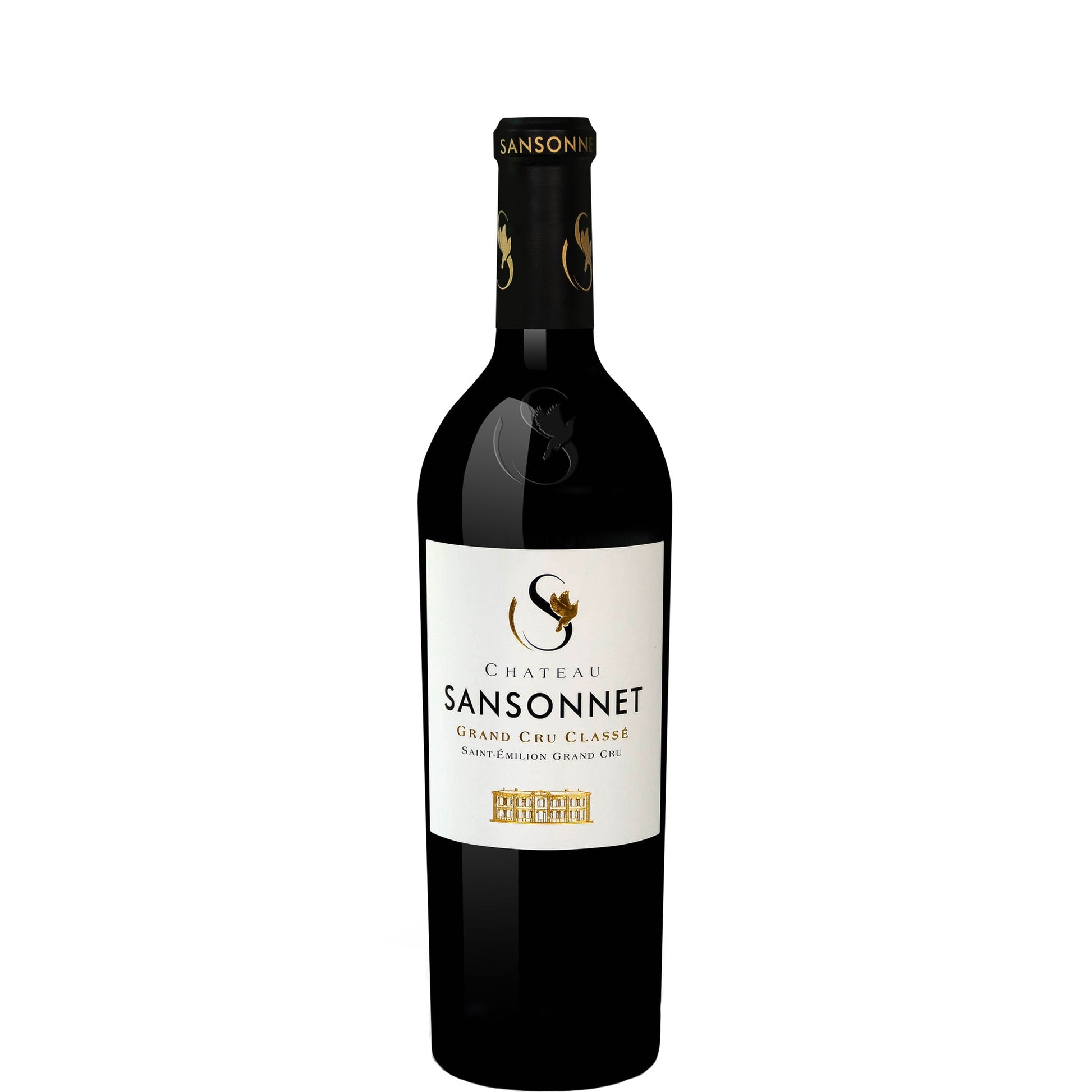
Château Sansonnet, 2014
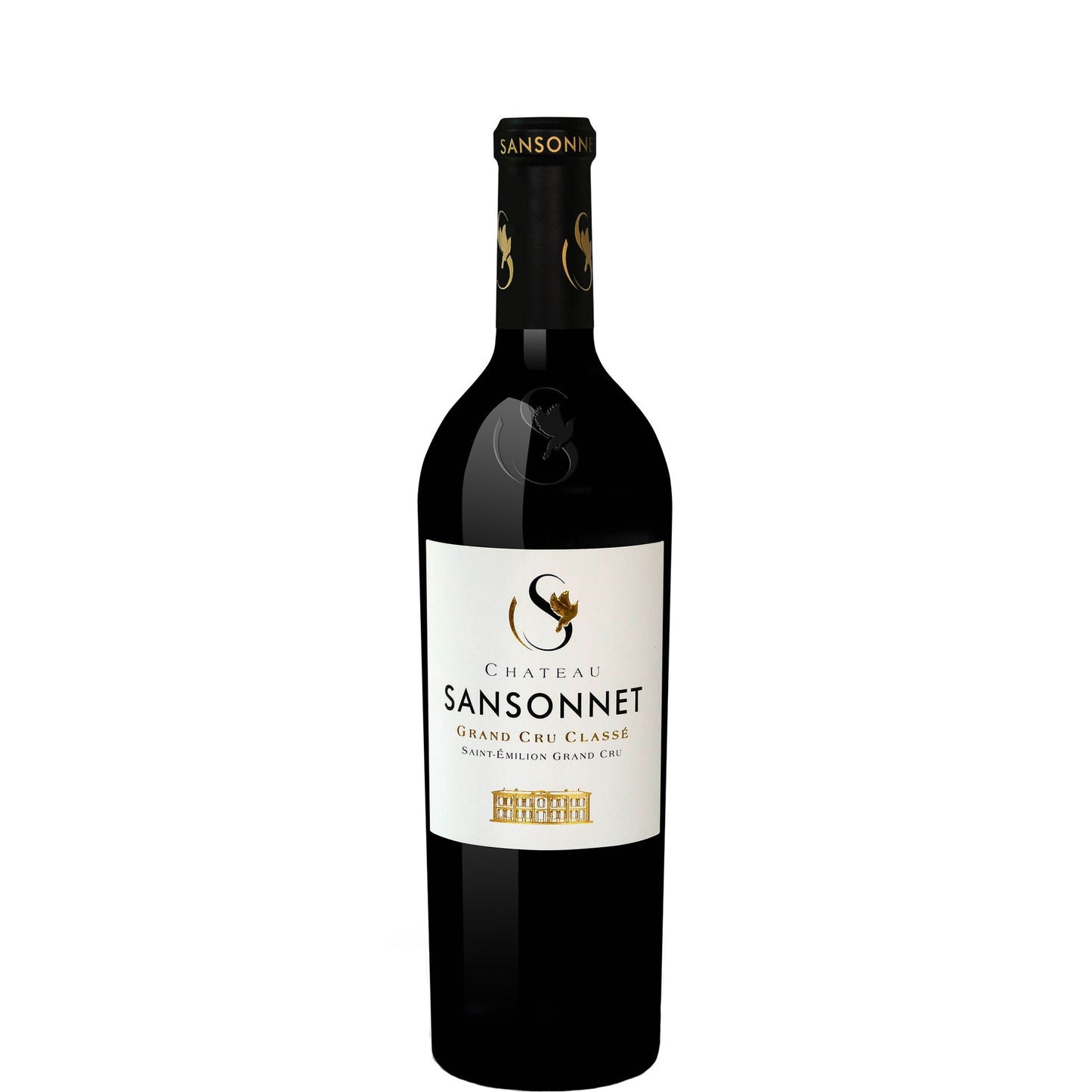
Château Sansonnet, 2014
- 75cl
- 14.5%
- Red Still
- Merlot, Cabernet Franc
Couldn't load pickup availability

Optimal drinking window: Now - 2029
About Château Sansonnet, 2014
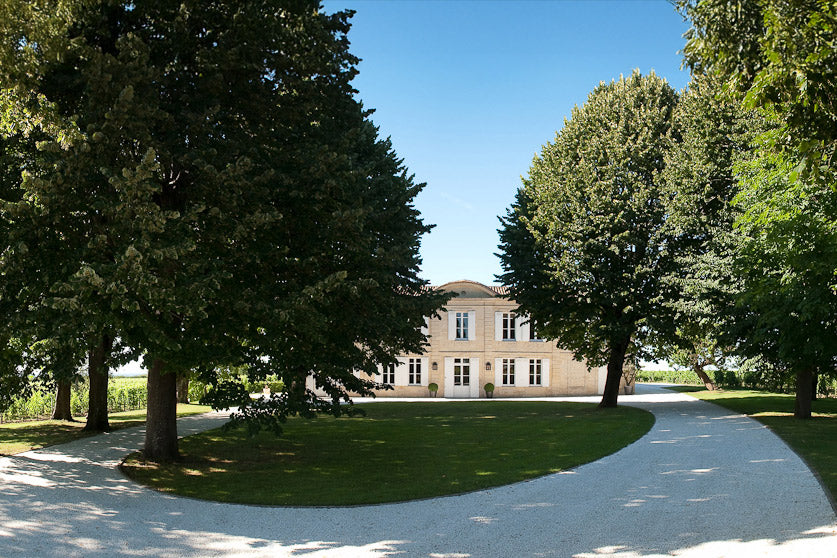
Château Sansonnet is situated on a remarkable clay limestone plateau in Saint-Émilion. Its 2014 vintage is a high-quality Bordeaux blend consisting of 90% Merlot and 10% Cabernet Franc.
An absolute belter with a decade of maturity – we would still suggest decanting to bring out the best of this classically opulent and silky St. Émilion Grand Cru.
At twelve years old, this wine has moved beyond its primary fruit phase and is now showing the secondary complexity that makes mature Bordeaux so compelling. The tannins have softened considerably from their youthful firmness, whilst the oak has fully integrated. Over the next five years, expect further development of leather, tobacco, and earthy complexity whilst the fruit remains concentrated. The wine should plateau around 2030 and hold at peak until 2040, after which the fruit may begin a graceful decline whilst tertiary aromas of forest floor and truffle emerge.
What the critics say:
"One of the real surprises of the vintage, the 2014 Sansonnet has turned out beautifully. Specifically, the firm tannins and notable oakiness have integrated very nicely. A rush of black cherry, plum, chocolate and leather give the wine its bombastic, flamboyant personality. Large and ample to its core, the 2014 is seriously opulent and extracted, and yet all the elements are fused together beautifully. The 2014 will appeal most to readers who enjoy the bolder side of Saint-Emilion. I tasted the 2014 twice and it was equally impressive on both occasions. Consulting winemaker Jean-Philippe Fort has done a terrific job. The blend is 90% Merlot and 10% Cabernet Franc."
"A savory and rich red with ripe tannins and sweet fruit. Dark chocolate and walnuts, too. Medium-to full-bodied, extremely long and beautiful. Lovely finish. Needs at least three or four years to soften."
"The 2014 Sansonnet comes from the namesake lieu-dit less than one kilometer east of Saint-Emilion. It has a ripe, quite powerful bouquet with layers of dark berry, cedar fruit and a touch of apricot. The palate is medium-bodied with fine structure, linear in style with an attractive bitter cherry edge on the graphite-tinged finish. This is very classy, just as it was in barrel and now in bottle. Go seek out this beautifully made Saint Emilion."
Tasting Notes
AppearanceDeep garnet with a brick rim showing its twelve years of age.
NoseRich and immediately appealing with black cherry, plum, and dark chocolate dominating. Underneath, leather, cedar, and a hint of dried apricot add complexity. The oak has integrated completely, leaving just a whisper of vanilla.
PalateMedium to full-bodied with a linear structure that keeps the wine focused despite its power. Ripe tannins provide backbone without aggression, whilst bitter cherry and graphite minerality add sophistication to the rich fruit core. The mouthfeel is opulent yet controlled.
FinishLong and satisfying with dark chocolate, walnut, and graphite lingering on the palate.
Overall impressionA wine that has successfully tamed its youthful power whilst retaining its bombastic personality.
Food Pairings
In Saint-Émilion, this would traditionally accompany the rich cuisine of the Dordogne: confit de canard with roasted garlic, magret de canard aux cèpes, or the local speciality of entrecôte à la bordelaise with its classic shallot and red wine reduction. The wine's power and chocolate richness make it perfect for game dishes like sanglier aux pruneaux or the region's famous walnut-crusted lamb. Local cheese pairings would include aged Roquefort or the softer cow's milk cheeses from nearby Périgord.
We think this wine would go well with
Serve at 17-18°C in large Bordeaux glasses to allow the wine's power and complexity to express itself fully. Decant for at least one hour, or two if you're feeling patient, to integrate the tannins and allow the leather and chocolate characters to emerge. The wine benefits from breathing time, so open it well before your meal.
The vineyards sit on the famous clay-limestone plateau that defines Saint-Émilion's best sites, with deep clay soils over limestone bedrock providing excellent water retention and mineral complexity. This terroir naturally suits Merlot, which thrives in the clay's coolness whilst the limestone adds structure and longevity. The plateau's elevation and drainage create ideal conditions for producing wines with both power and finesse.
Saint-Émilion Grand Cru represents the upper tier of this Right Bank appellation, requiring lower yields and stricter quality controls than basic Saint-Émilion. The appellation is dominated by Merlot, which flourishes in the clay-rich soils, producing wines that are generally more approachable and voluptuous than their Left Bank Cabernet Sauvignon-based counterparts. Saint-Émilion's classification system, unique in Bordeaux, is reviewed every decade and based purely on wine quality rather than historical precedent.
The 2014 vintage in Bordeaux caught many off guard with its surprising quality after a challenging growing season. A cool, wet summer had growers worried, but September delivered exactly what was needed: warm, dry conditions that allowed the grapes to ripen properly and concentrate. The harvest stretched well into October, demanding patience from producers who picked selectively rather than rushing to beat the weather.
What emerged were wines with a freshness that many riper vintages lack, built on firm tannins and bright acidity that gives them genuine aging potential. The Merlot performed particularly well on the Right Bank, whilst the Cabernet Sauvignon struggled more in cooler sites but excelled where producers waited for full ripeness. These wines are drinking beautifully now but will reward cellaring until 2030 and beyond for the better examples. We find 2014 offers tremendous value precisely because it didn't grab headlines like its neighbours.
FAQs
What does this wine taste like?
Rich and powerful with black cherry, plum, and dark chocolate flavours, supported by leather and graphite minerality. It's opulent but structured, with the bold personality Saint-Émilion is famous for.
When should I drink this wine?
It's drinking wonderfully now after twelve years of maturity, but will continue to develop until 2040. We'd suggest enjoying it over the next decade whilst it's at its peak.
What food pairs well with this wine?
Perfect with rich red meats like duck confit, lamb, or game dishes. The wine's power and chocolate richness also make it excellent with aged hard cheeses or dark chocolate desserts.
Should I decant this wine?
Absolutely. Decant for at least an hour to allow the tannins to integrate and the wine's full personality to emerge. Two hours isn't excessive if you have the patience.
Is this wine worth cellaring?
If you have bottles, yes. This 2014 will continue developing complexity until 2040, though it's also drinking superbly now. It's reached that sweet spot where power meets elegance.
How does this compare to Left Bank Bordeaux?
This Saint-Émilion is more immediately approachable and voluptuous than most Left Bank wines, with softer tannins and richer fruit character. It's Merlot-based rather than Cabernet Sauvignon-led, giving it a more generous, less austere personality.


What are you looking for tonight? Tell me the occasion, a grape, a region — or just try a suggestion below.
Your recommendations will appear here.
-
-
Speak to one of our Wine Gurus
Speak to a Wine GuruWith years of experience, our team can help you with all your wine buying and selling needs