

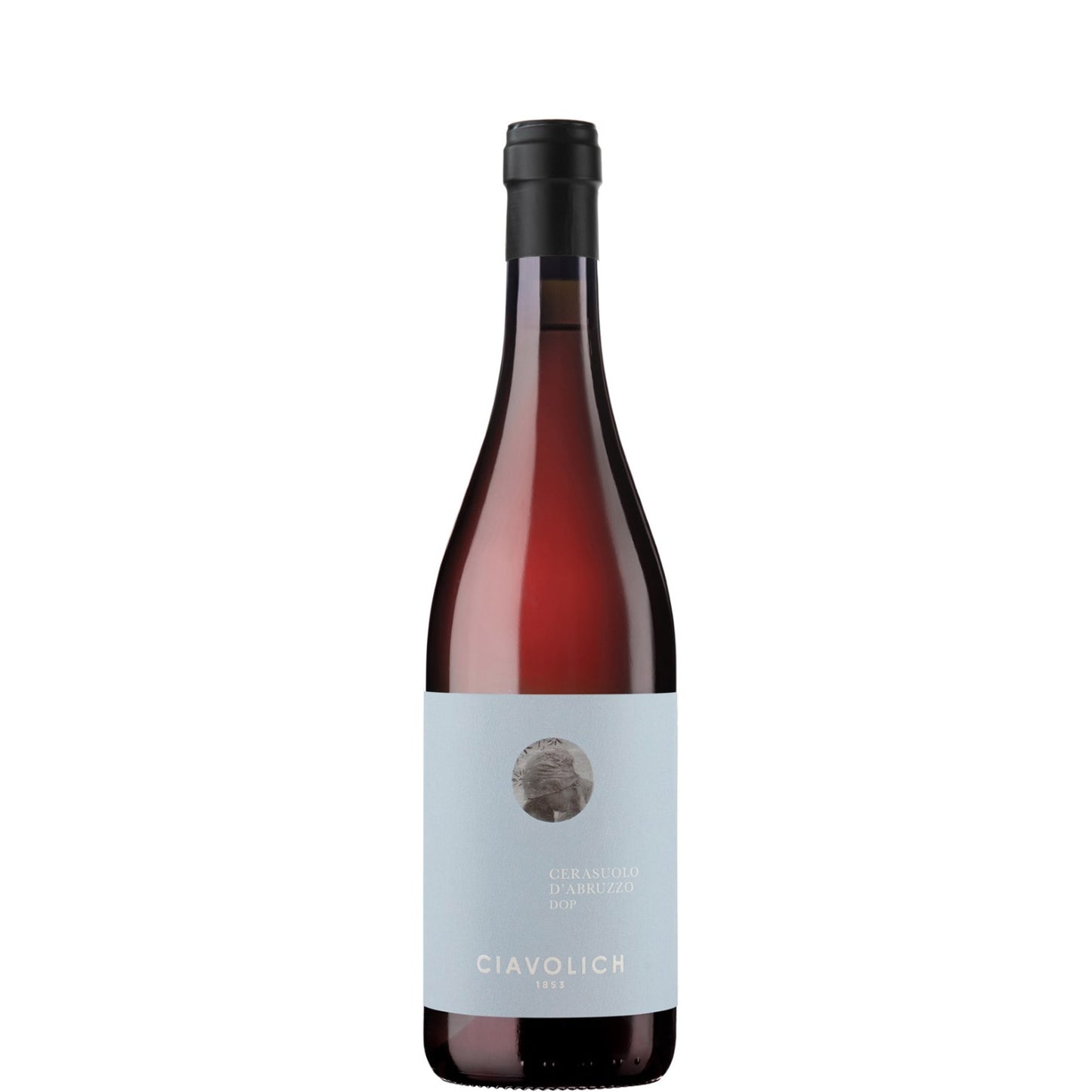
Ciavolich, Cerasuolo d’Abruzzo, 2024
Ciavolich, Cerasuolo d’Abruzzo, 2024
- 75cl
- 13%
- Rosé Still
- Montepulciano d'Abruzzo
Couldn't load pickup availability

Optimal drinking window: 2026 - 2028
Cerasuolo d'Abruzzo is one of Italy's most misunderstood wine styles — it is not a rosato by accident or by surplus, but a deliberate, proud expression of Montepulciano made with serious intent. Ciavolich, one of the oldest estates in Abruzzo with roots going back to 1853, makes theirs with the confidence of a family who knows exactly what they're doing. The colour alone - that vivid cherry-cerise that gives the appellation its name - tells you this is something different from a pale Provençal blush.
On the palate, it delivers bright red fruit, a clean saline mineral quality, and a dry, focused structure that makes it extraordinarily versatile at the table.
Cerasuolo d'Abruzzo is fundamentally a wine of primary freshness, and the 2024 is right in its window now. Over the next twelve to eighteen months the fruit will remain vibrant and the acidity will keep everything in balance. Push it to 2028 and it may still be pleasant, but the brightness that makes it so appealing will start to soften and the wine will lose some of what makes it distinctive. Unlike Tavel or a more structured southern Italian rosato, there is little secondary complexity waiting to emerge — this is a wine built for presence rather than patience, and we'd treat it accordingly.
Tasting Notes
AppearanceVivid cherry-cerise with real depth of colour — unmistakably Cerasuolo, and proud of it.
NoseFresh and inviting, with sour cherry, wild strawberry, and a faint floral lift that recalls dried rose petals. There is a clean, almost briny quality underneath that gives it a Mediterranean sense of place.
PalateDry and precise, with lively acidity carrying the red fruit through to a clean, focused mid-palate. The texture has more weight than you might expect — this is not a wispy rosé — with a subtle grip that gives it real presence with food.
FinishRefreshing and saline, with a lingering mineral note that keeps you reaching for the next sip.
Overall impressionA serious rosé that doesn't take itself too seriously — exactly what Cerasuolo should be.
Food Pairings
In Abruzzo, Cerasuolo is considered a genuine table wine rather than an aperitivo, and locals would drink it alongside arrosticini — those small skewers of mutton grilled over charcoal that are practically the regional dish. It is also a natural partner for brodetto alla pescarese, the rich Adriatic fish stew made with tomato, vinegar, and whatever the morning's catch brought in. Further inland you'd find it with lamb ragu on pasta, or with a plate of salumi and aged pecorino from the Gran Sasso highlands. The wine's acidity and saline character make it one of the most food-adaptable styles in central Italy.
We think this wine would go well with
Serve at around 12-14°C — cool enough to keep the freshness lively, but not so cold that it mutes the fruit and mineral character. No need to decant; this is a wine for pouring straight from the bottle. A standard white wine glass works well, though a wider-bowled glass will let the nose open up a little more if you want to linger on the aromatics before eating.
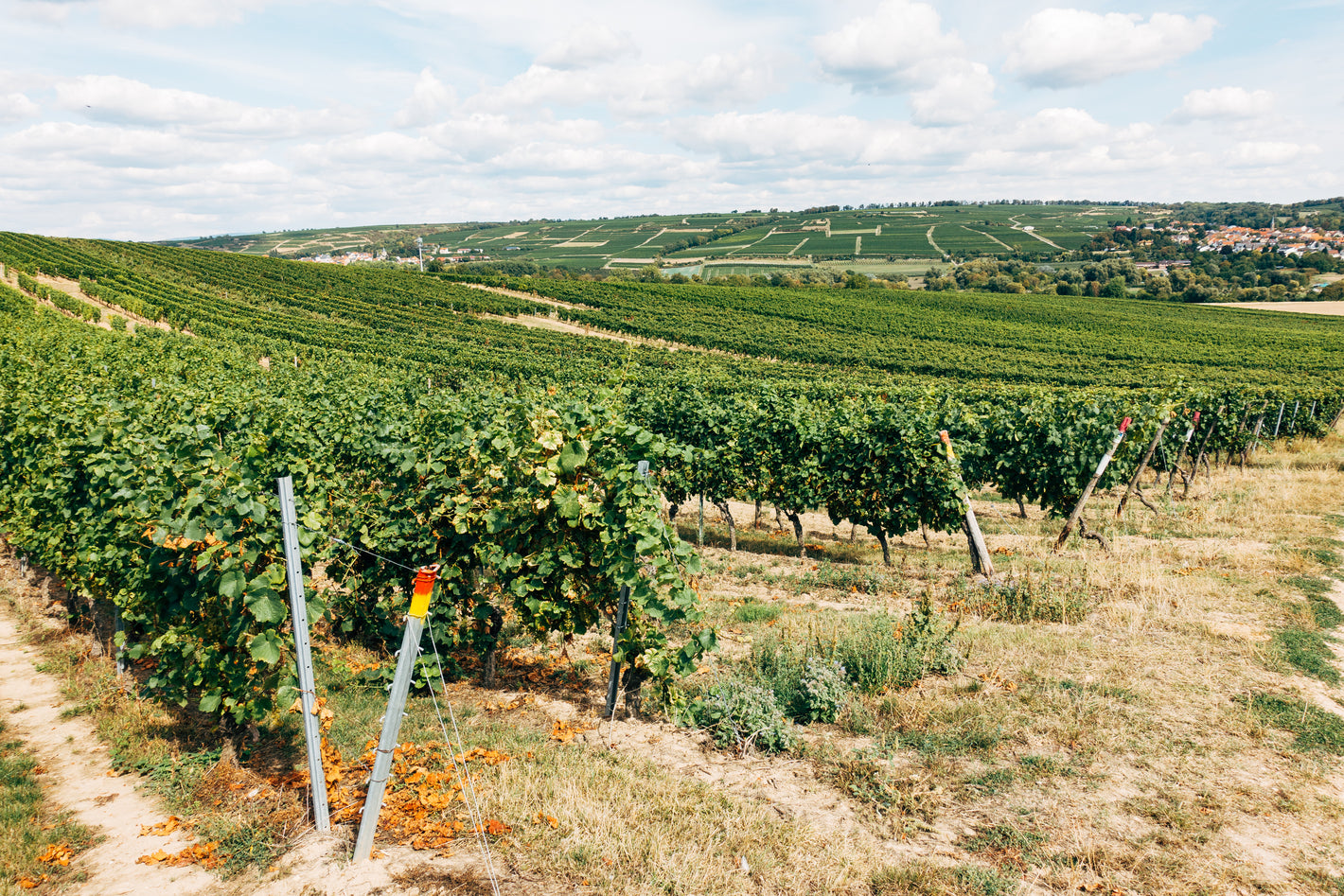
Ciavolich's vineyards sit in the Pescara hills at altitude, where the Apennine mountains to the west and the Adriatic Sea to the east create a climate of warm days and cool nights — ideal for preserving the natural acidity that makes Cerasuolo so distinctive. Soils are predominantly clay and limestone, lending structure and that characteristic mineral edge to the wines. The diurnal temperature shift is a defining influence on the style, keeping aromatics lifted and freshness intact even in warmer vintages.
Cerasuolo d'Abruzzo received its own DOC status in 2010, having previously been classified simply as a rosato under the broader Montepulciano d'Abruzzo DOC. It must be made from at least 85% Montepulciano d'Abruzzo and is defined by its deep cherry-red colour — 'cerasuolo' means 'cherry-like' in Italian — which sets it apart visually and stylistically from lighter rosés. The rules require a dry style, and the appellation sits firmly in the tradition of serious southern Italian rosato rather than anything meant to imitate Provence. It is often compared to Tavel in the Rhône in terms of its ambition, depth, and its suitability for the table rather than the pool.
The 2024 growing season in Abruzzo was shaped by the kind of climatic whiplash that has become increasingly familiar across central Italy: a wet spring that built good reserves in the soil, followed by a warm, dry summer that demanded careful canopy management and, in some cases, earlier picking decisions than producers had originally planned. The Adriatic influence kept things fresher along the coast, but the heat pushed hard through the interior. Overall, yields were down in places, which tends to concentrate minds as well as fruit.
It is still early days for 2024, and we are cautious about grand pronouncements, but what we have tasted is promising rather than epoch-making. Montepulciano d'Abruzzo shows the variety's characteristic grip and dark fruit with good freshness holding the structure honest, while Pecorino continues its quiet run of reliable, characterful form. Most reds will reward patience and are probably best approached from 2026 onwards, though the whites are drinking well now.
FAQs
What does Cerasuolo d'Abruzzo actually taste like?
Think dry, precise, and full of character rather than the pale, neutral rosé you might be imagining. Ciavolich's version leads with bright sour cherry and wild strawberry, backed by a saline mineral edge and clean, moreish acidity. It has more texture and presence than most rosés, which is exactly the point.
Is this a serious wine or just a summer sipper?
Both, in the best possible way. Cerasuolo d'Abruzzo has its own dedicated DOC precisely because it is taken seriously as a wine style rather than an afterthought. Ciavolich's version is structured enough to work well with food but refreshing enough to drink on its own without ceremony. Do not let the pink colour fool you into treating it lightly.
When should I drink this?
Now, and over the next couple of years. The 2024 is in its prime in 2026, and the freshness and mineral lift that define it will be at their most vivid right now. We would not hold onto it much beyond 2028.
What food works best with this wine?
It is remarkably versatile at the table. Grilled lamb or arrosticini are the classic Abruzzese pairing, but it is equally good with fish dishes, antipasti, aged pecorino, or a simple plate of charcuterie. The acidity handles fat and the saline quality loves anything from the sea.
How should I serve it?
Serve at around 12-14°C — colder than a red, warmer than a bone-dry white. No need to decant. A standard white wine glass is fine, though something with a slightly wider bowl will open up the nose nicely.
Is Ciavolich organic?
Yes. Ciavolich is certified organic and has been farming without synthetic pesticides or herbicides for a number of years. It is part of a broader commitment to low-intervention viticulture and indigenous Abruzzese varieties.

Explore related wines


What are you looking for tonight? Tell me the occasion, a grape, a region — or just try a suggestion below.
Your recommendations will appear here.
-
-
Speak to one of our Wine Gurus
Speak to a Wine GuruWith years of experience, our team can help you with all your wine buying and selling needs