
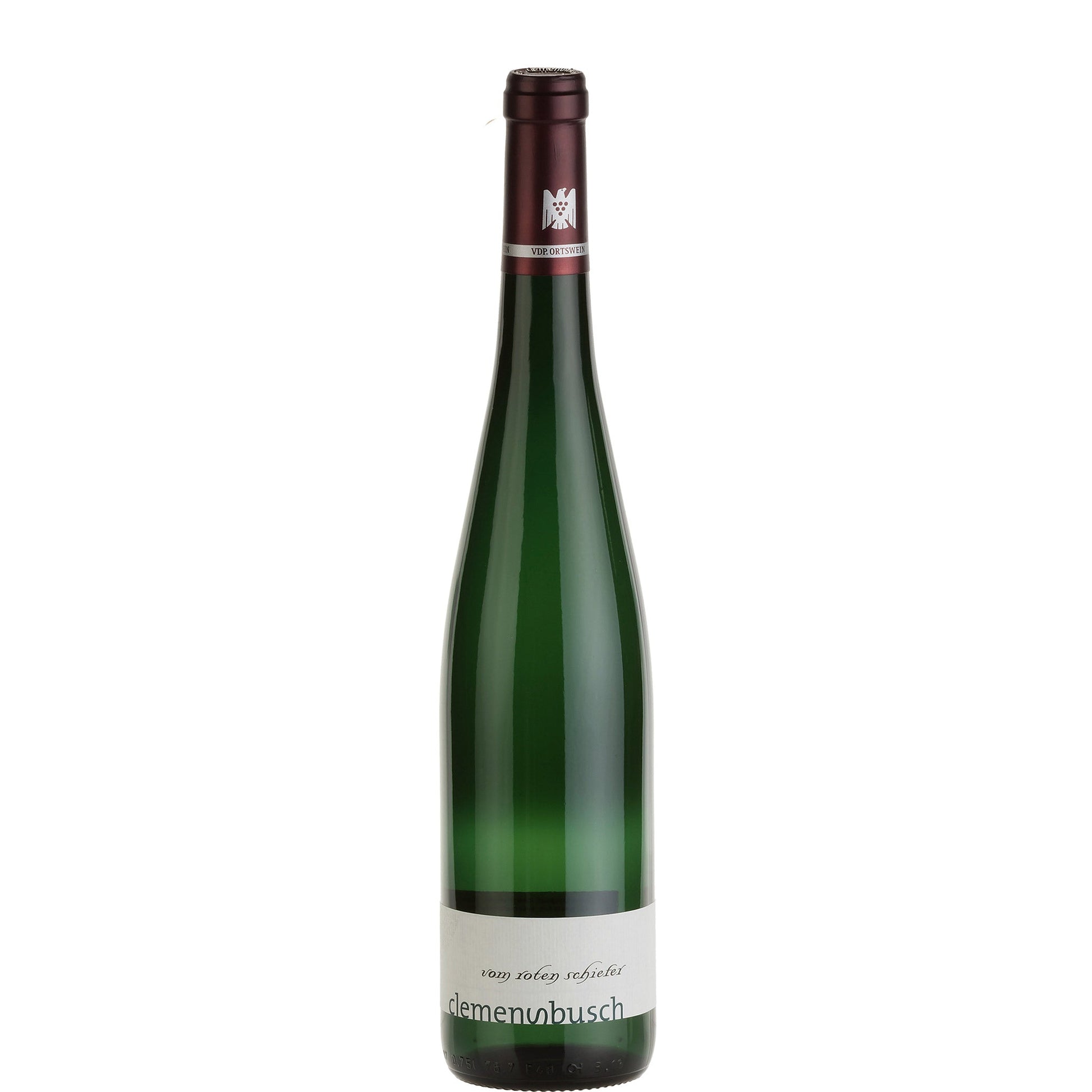
Clemens Busch, Riesling Trocken Vom Roten Schiefer, 2020
Clemens Busch, Riesling Trocken Vom Roten Schiefer, 2020
- 75cl
- 11%
- White Still
- Riesling
- Organic
- Biodynamic
- Vegetarian
- Vegan
Couldn't load pickup availability

Optimal drinking window: Now - 2035
Clemens Busch crafts some of the Mosel's most compelling dry Rieslings from his biodynamically farmed vineyards. This 2020 comes from the region's famous red slate soils, which give these wines their distinctive mineral backbone and spicy edge that sets them apart from their blue slate cousins downstream.
We love how Busch captures the essence of his terroir here: ripe stone fruit and wild strawberry flavours dance with wet-stone minerality, all held together by the crisp acidity that makes Mosel Riesling so food-friendly. At just 11% alcohol, it's got the elegance and precision that comes from perfect ripeness without excess.
Currently showing its primary fruit character beautifully, with stone fruit and mineral elements in perfect harmony. Over the next 2-3 years, we expect the wine to develop more complex secondary aromas of honey and petrol, while the red slate spiciness becomes more integrated. The wine should reach its peak drinking window around 2028-2030, maintaining its freshness and mineral drive throughout. After 2035, the fruit may begin to fade, though the mineral backbone will likely keep it interesting for several more years.
What the critics say:
"The expressive nose with ripe stone fruit, wild strawberry and a touch of mint pulls you into this juicy and well-structured dry riesling that all has the spiciness we associate with Mosel rieslings from red-slate soils. Wet-stone minerality at the very harmonious finish. Just 11% alcohol. From biodynamically grown grapes with Respekt certification. Drink or hold."
Tasting Notes
AppearancePale gold with brilliant clarity and a slight green tinge.
NoseExpressive aromas of ripe white peach and apricot meld with wild strawberry and a hint of fresh mint. The red slate minerality emerges as wet stone and crushed rock, adding complexity to the fruit-forward bouquet.
PalateJuicy and well-structured with excellent weight for its modest alcohol level. Stone fruit flavours are complemented by the distinctive spiciness of red slate soils, while crisp acidity keeps everything fresh and vibrant. The wine shows remarkable depth and concentration despite its elegance.
FinishLong and harmonious with persistent wet-stone minerality and a gentle spicy warmth.
Overall impressionA masterful expression of red slate terroir that combines immediate appeal with serious structure.
Food Pairings
In the Mosel valley, this style of dry Riesling would traditionally accompany the region's renowned freshwater fish dishes, particularly trout from the river served with herbs and butter. Local game birds like partridge or pheasant pair beautifully with the wine's spicy mineral character, while the acidity cuts through rich pork dishes such as Sauerbraten. The wine's elegance also complements the delicate white asparagus that grows in the valley's lower slopes, often served with ham and hollandaise during spring season.
We think this wine would go well with
Serve well-chilled at 8-10°C in a traditional Riesling glass or white Burgundy bowl to concentrate the aromatics. No decanting required, but do allow the wine to warm slightly in the glass to fully appreciate its mineral complexity. The wine benefits from being opened 15-20 minutes before serving to let the fruit and stone elements integrate fully.
The red slate soils of the Mosel's middle reaches are distinctly different from the blue slate found elsewhere in the valley, imparting a characteristic spiciness and warmth to the wines. These steep, south-facing slopes capture maximum sunlight while the river's thermal mass moderates temperature extremes, creating ideal conditions for slow, even ripening. The iron-rich red slate retains heat during the day and radiates it back to the vines at night, contributing to the wine's distinctive mineral complexity and spicy finish.
The Mosel is Germany's most famous wine region, renowned for producing the world's greatest Rieslings from impossibly steep vineyard slopes along the meandering river valley. The region's slate soils and cool climate create wines of extraordinary elegance and longevity, with a perfect balance of fruit, acidity, and minerality. While traditionally known for off-dry styles, producers like Busch have shown that the Mosel can produce exceptional dry Rieslings that rival those from the Rheingau and Pfalz.
The 2020 Mosel vintage caught everyone off guard with its sheer abundance after a string of smaller harvests. A warm, dry summer pushed ripeness levels higher than usual across the slate slopes, whilst September rains arrived just in time to refresh the vines before a lengthy, sunny harvest period. Growers who held their nerve and waited were rewarded with fully ripe fruit that retained the acidity essential for proper Riesling balance.
What emerged from the cellars surprised even the most optimistic producers: wines with more immediate fruit sweetness than the region typically delivers, yet still unmistakably Mosel in their mineral backbone and citrus precision. The vintage produced exceptional kabinett and spätlese wines that drink beautifully now but will cellar confidently until 2035, whilst the dry rieslings show a rare combination of richness and freshness that makes them particularly appealing to newcomers. We find ourselves reaching for these wines constantly—they capture everything we love about Mosel riesling whilst wearing their considerable charms rather more openly than usual.
FAQs
What does this wine taste like?
Ripe stone fruit flavours with distinctive spicy minerality from red slate soils, balanced by crisp acidity and a long, wet-stone finish.
When should I drink this wine?
Drinking beautifully now but will develop more complexity over the next 5-9 years, reaching peak maturity around 2028-2030.
What food pairs well with this Riesling?
Excellent with freshwater fish, roast chicken, pork dishes, and German cuisine. The acidity makes it particularly good with rich or creamy sauces.
How should I serve this wine?
Serve well-chilled at 8-10°C in a white wine glass. No decanting needed, but let it warm slightly in the glass to appreciate the full aromatics.
Is this wine worth cellaring?
Absolutely. While delicious now, it will reward patience and develop beautiful secondary complexity over the next decade.
What makes red slate Riesling different?
Red slate soils give the wine a distinctive spiciness and warmth that sets it apart from blue slate Rieslings, creating more body and mineral complexity.


What are you looking for tonight? Tell me the occasion, a grape, a region — or just try a suggestion below.
Your recommendations will appear here.
-
-
Speak to one of our Wine Gurus
Speak to a Wine GuruWith years of experience, our team can help you with all your wine buying and selling needs