

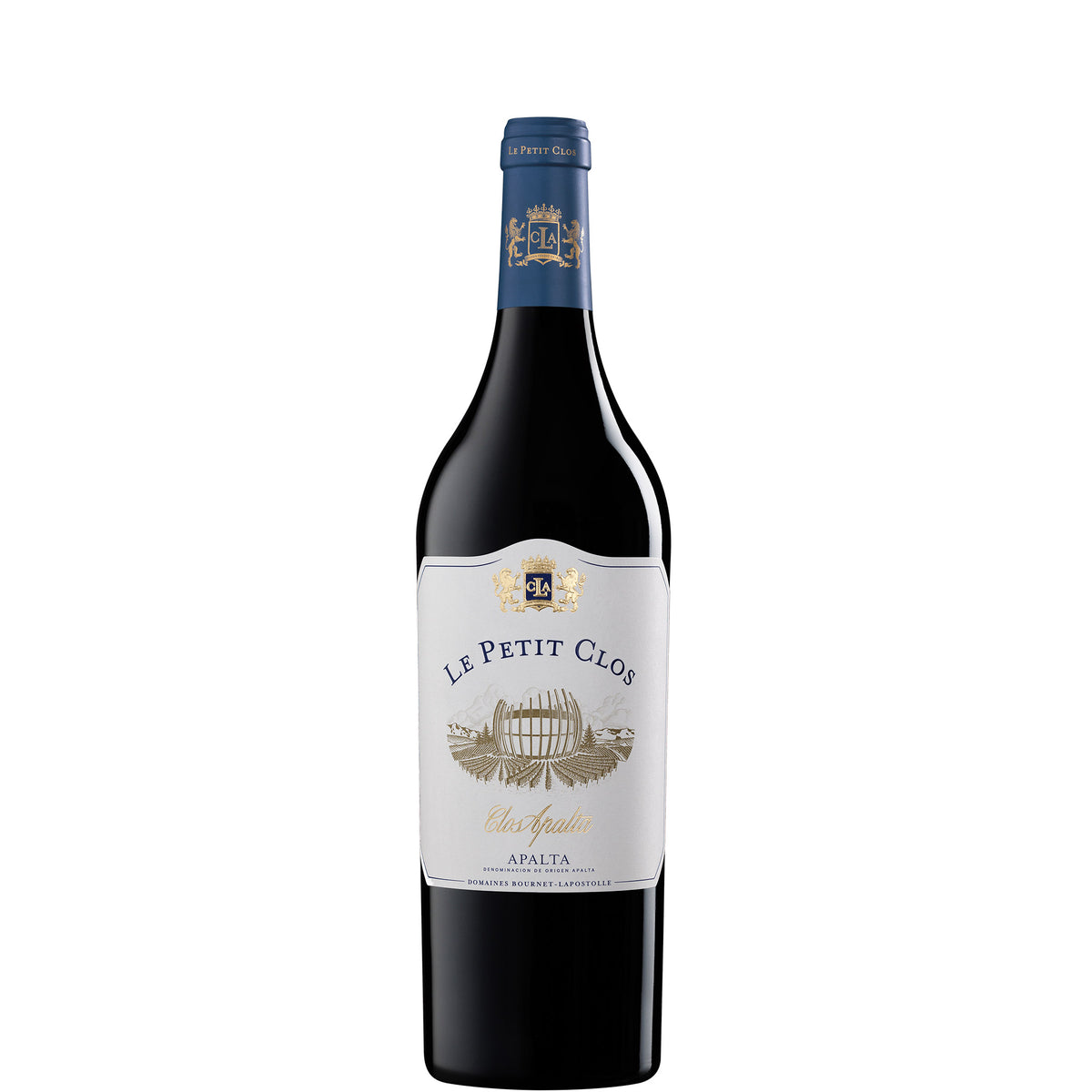
Clos Apalta, Le Petit Clos, 2023
Clos Apalta, Le Petit Clos, 2023
- 75cl
- 14.5%
- Red Still
- Carmenère, Cabernet Sauvignon, Merlot, Cabernet Franc, Petit Verdot
- Organic
- Biodynamic
Couldn't load pickup availability

Optimal drinking window: 2026 - 2034
Est. delivery in Autumn, 2026
Le Petit Clos is the second wine of Clos Apalta, one of the most celebrated estates in Colchagua Valley and the project that put Chile firmly on the fine wine map. Where the grand vin demands patience and ceremony, Le Petit Clos is built for earlier pleasure: a Carmenère-led blend with Cabernet Sauvignon, Merlot, and Petit Verdot that brings the same hillside fruit and careful winemaking at a more approachable moment.
The 2023 vintage delivered a warm, even-ripening season, and the result is a wine of real generosity — ripe dark fruit, warm spice, and polished tannins that carry the Apalta signature without asking you to wait a decade for it. A genuinely delicious introduction to what Clos Apalta does: wines that feel confident and complete.
What the critics say:
"Aromas of rich cassis, carmenere spiciness, tobacco and a touch of chocolate. Nicely fluid, with fine-grained tannins and a long finish. Supple at the end. 45% carmenere, 41% cabernet sauvignon, 11% merlot, 2% cabernet franc and 1% petit verdot. Drink or hold."
"The warmest vintage on record here and the driest too. Intense, compact in form but very lifted, bright in its acidity and vertical in presentation. Pink rose peppercorns and the freshness they convey, the value of altitude in a vintage like this. There is concentration from the near drought conditions, but no sense of stress conveyed to the wine itself. This is dynamic in the mouth, sinuous across the palate and radiant in its sheer fruit intensity. It feels solar on the finish, but retains its freshness all the length of the palate."
"The 2023 Le Petit Clos (45% Carmenère, 41% Cabernet Sauvignon, 11% Merlot, 2% Cabernet Franc and 1% Petit Verdot) from Apalta was aged 18 months in French oak 35% new. It opens with ripe plum, a touch of violet and soft blackberry, with oak in the background. The palate is smooth and fruit-driven, with a fine texture that is slightly lighter than the previous vintage due to an earlier harvest. It retains depth and a clear, lively expression."
The Apalta hillside sits within a natural bowl in the Colchagua Valley, oriented to capture morning sun and catch cooling afternoon breezes from the Pacific via the Tinguiririca River corridor. Soils are a mix of decomposed granite, clay, and alluvial deposits, draining well on the slopes while retaining just enough moisture to avoid stress in warm years. Altitude within the estate varies but the hillside parcels sit high enough to extend the growing season and sharpen the wines' acidity relative to valley-floor neighbours. This combination of warmth, drainage, and cool air at night is what gives Apalta fruit its particular ripeness with freshness.
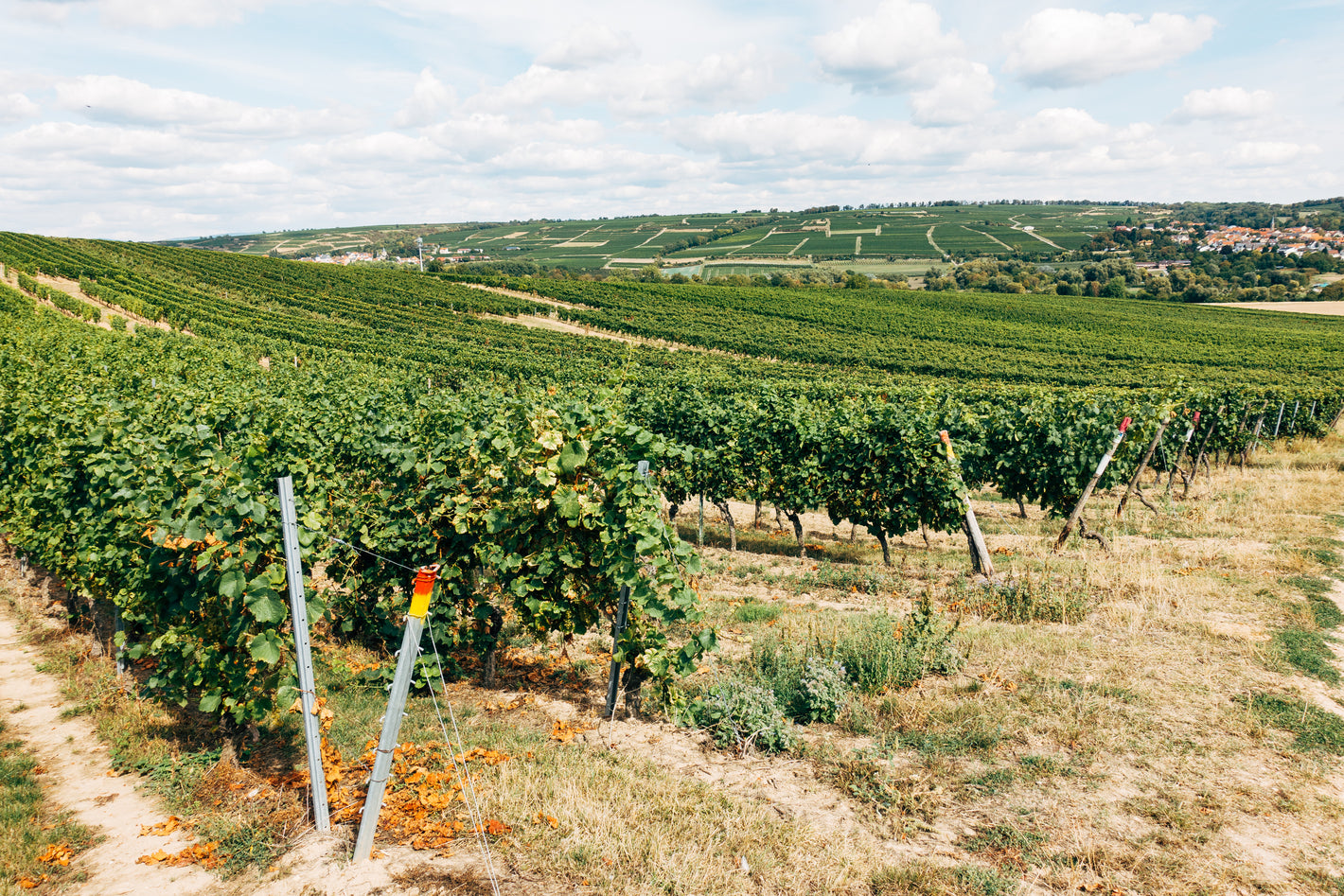
Colchagua Valley is one of Chile's most prestigious red wine appellations, sitting within the broader Rapel Valley region south of Santiago. It has built its reputation largely on Carmenère, the variety rescued from near-extinction in France that found an unlikely second home in Chilean soils, alongside powerful expressions of Cabernet Sauvignon and Syrah. Compared to Maipo Valley to the north, Colchagua tends to produce wines with more body and plush fruit, though estates on higher slopes and hillside sites can achieve real freshness and structure. There are no strict varietal or yield regulations in the manner of Bordeaux or Burgundy, giving growers considerable freedom in blending.
The 2023 growing season in Colchagua Valley was defined by a drier-than-average summer with well-regulated temperatures that allowed grapes to ripen steadily rather than in fits and starts. The valley's continental conditions — hot days, cool nights — did their usual good work, preserving freshness without compromising ripeness. Harvest came in at a measured pace, with fruit arriving in good condition and without the pressure of racing against autumn rains. Not the sort of vintage that writes itself into legend through drama, but sometimes the quiet ones deliver the most honest expression of the terroir.
Cabernet Sauvignon and Carménère, the region's twin pillars, both performed well — the Cab showing firm, well-resolved tannins and the kind of dark fruit concentration Colchagua does reliably, while Carménère hit a particularly good stride, with the freshness that separates the best examples from the overripe style the variety spent years trying to shake. We think the mid-range bottles are drinking well now, and the better-structured reds will reward patience until 2028 or beyond.
OUR GROWERS
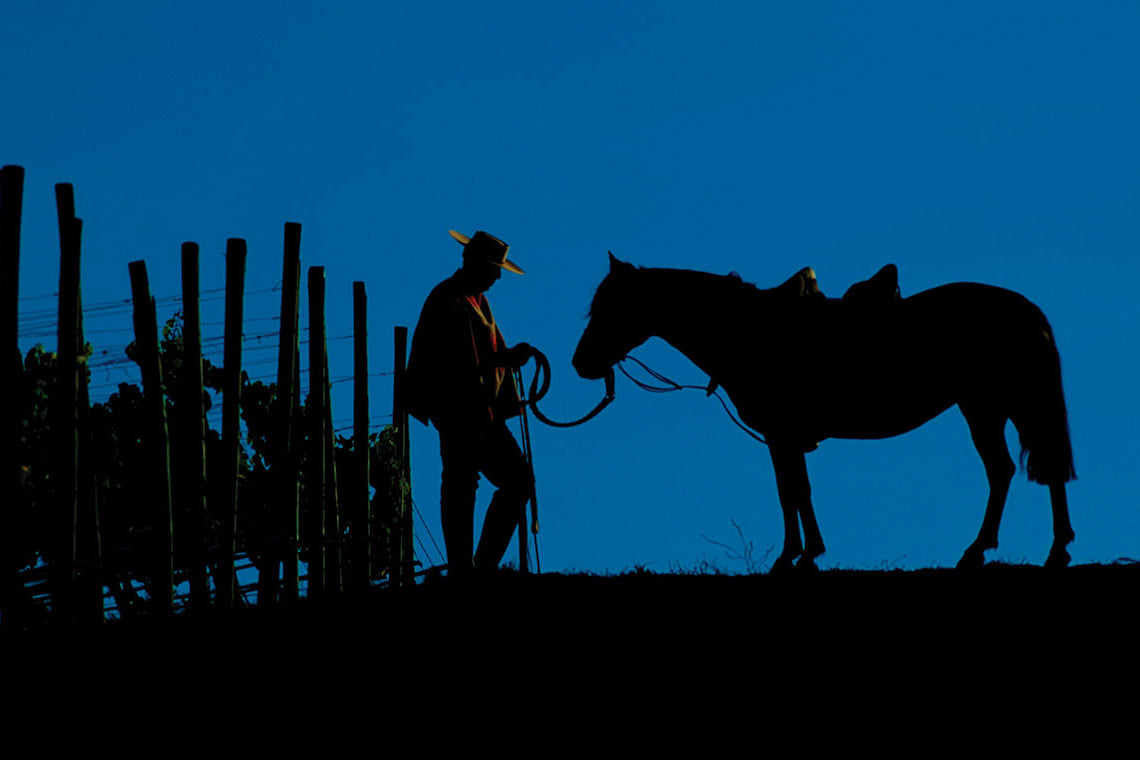
Clos Apalta
Explore related wines



-
-
Speak to one of our Wine Gurus
Speak to a Wine GuruWith years of experience, our team can help you with all your wine buying and selling needs