

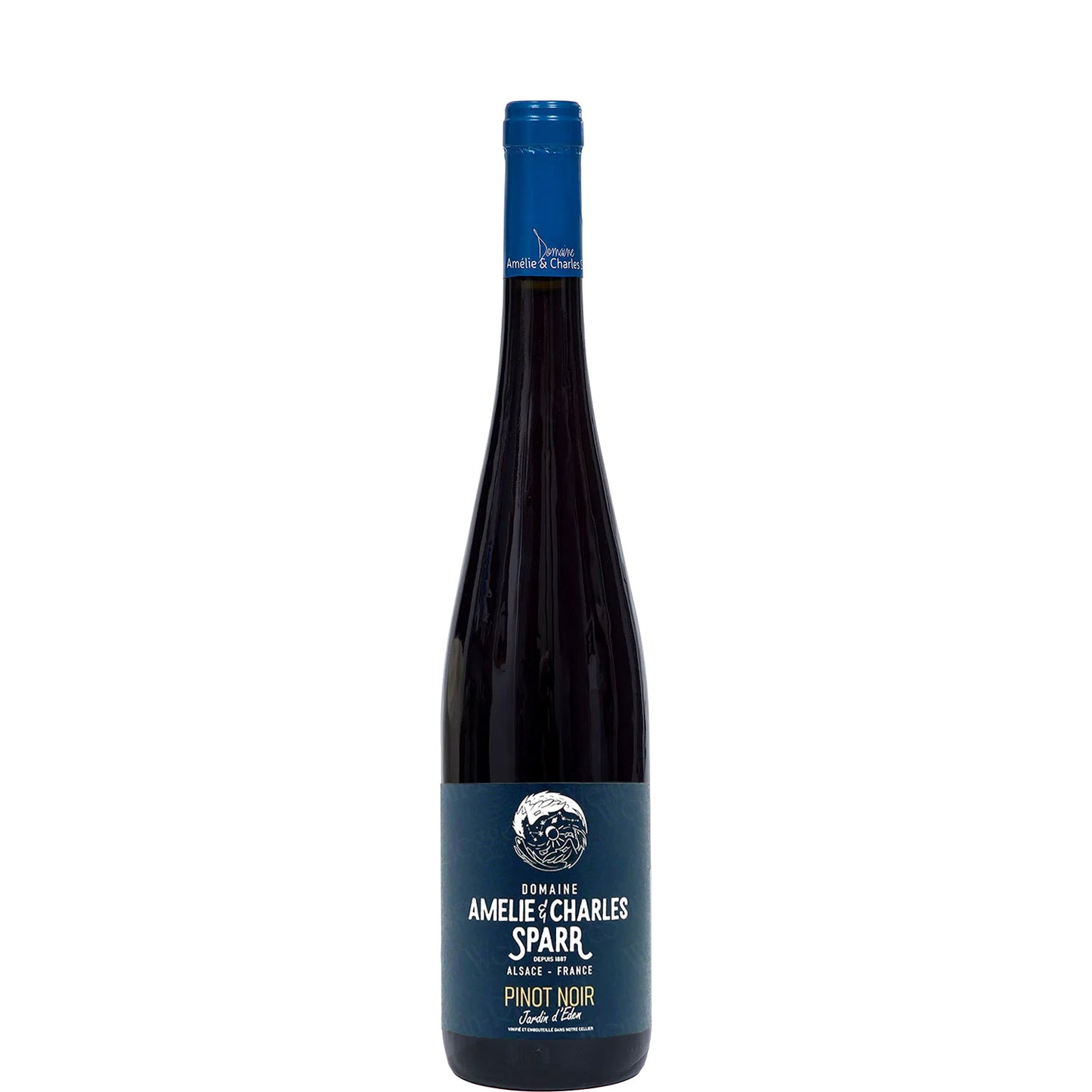
Domaine Amelie et Charles Sparr, Jardin d'Eden Pinot Noir, 2024
Domaine Amelie et Charles Sparr, Jardin d'Eden Pinot Noir, 2024
- 75cl
- 13%
- Red Still
- Pinot Noir
- Organic
- Biodynamic
Couldn't load pickup availability

Optimal drinking window: 2026 - 2036
Special Offer: Spend £250 or more for a 10% discount
Domaine Amélie et Charles Sparr have been making wines in Alsace since 1680, and their 'Jardin d'Eden' Pinot Noir shows exactly why this region's love affair with Burgundy's grape runs so deep. From vineyards around their Sigolsheim base, this 2024 captures all the bright fruit and mineral precision that makes Alsatian Pinot Noir such a joy.
We love how this wine balances the variety's inherent elegance with Alsace's distinctive minerality. The fruit is pure and expressive rather than heavy, with just enough structure to carry the flavours through a satisfying finish. It's the sort of Pinot Noir that reminds you why this grape travels so well beyond Burgundy's borders.
This 2024 is drinking beautifully now in its primary fruit phase, with the cherry and strawberry flavours at their most vibrant. Over the next 2-3 years, we expect the wine to integrate further, with the mineral elements becoming more prominent and the fruit developing more complexity. The wine should reach its optimal drinking window between 2027-2034, after which the primary fruit will begin to fade whilst the mineral character becomes more pronounced. By 2036, it will still be pleasant but past its peak of balance and freshness.
What the critics say:
"The 2024 Pinot Noir Jardin Eden contains all the fruit from Vogelgarten, Rosenberg and Amour lnterdit that were not produced in 2024. Slight smokiness, translucency and tenderness define the nose. The slender palate is filigree, bright, ever so slightly crunchy and so juicy. This is absolutely svelte, capturing the freshness of 2024 with absolute elegance and vivacity. (Bone-dry)"
Tasting Notes
AppearanceBright ruby red with good clarity and a youthful rim.
NoseFresh red cherry and wild strawberry lead, followed by subtle hints of rose petals and white pepper. There's an underlying mineral quality that speaks to the limestone soils, with just a whisper of oak spice in the background.
PalateMedium-bodied with silky tannins that frame the bright red fruit beautifully. The cherry and strawberry flavours are pure and focused, supported by crisp acidity and a distinctive chalky minerality. The texture is elegant rather than powerful, with excellent balance throughout.
FinishClean and mineral-driven with lingering red fruit and a gentle spice that invites the next sip.
Overall impressionAn elegant expression of Alsatian Pinot Noir that prioritises finesse over power.
Food Pairings
In Alsace, this style of Pinot Noir would traditionally accompany the region's famous charcuterie, particularly the smoky bacon and saucisse de Strasbourg that feature in so many local dishes. The wine's bright acidity and gentle tannins make it perfect with coq au Riesling, where the mineral precision complements the wine-braised chicken beautifully. Local cheeses like Munster, with their creamy texture and earthy character, also pair wonderfully, as does the region's wild game during autumn hunting season.
We think this wine would go well with
Serve at 14-16°C, slightly cooler than most red wines to preserve the delicate fruit aromatics. No need to decant - this wine is best appreciated for its immediate charm and elegance rather than hidden complexity. Use Burgundy-style glasses to concentrate the aromatics whilst allowing the wine to breathe gently in the glass.
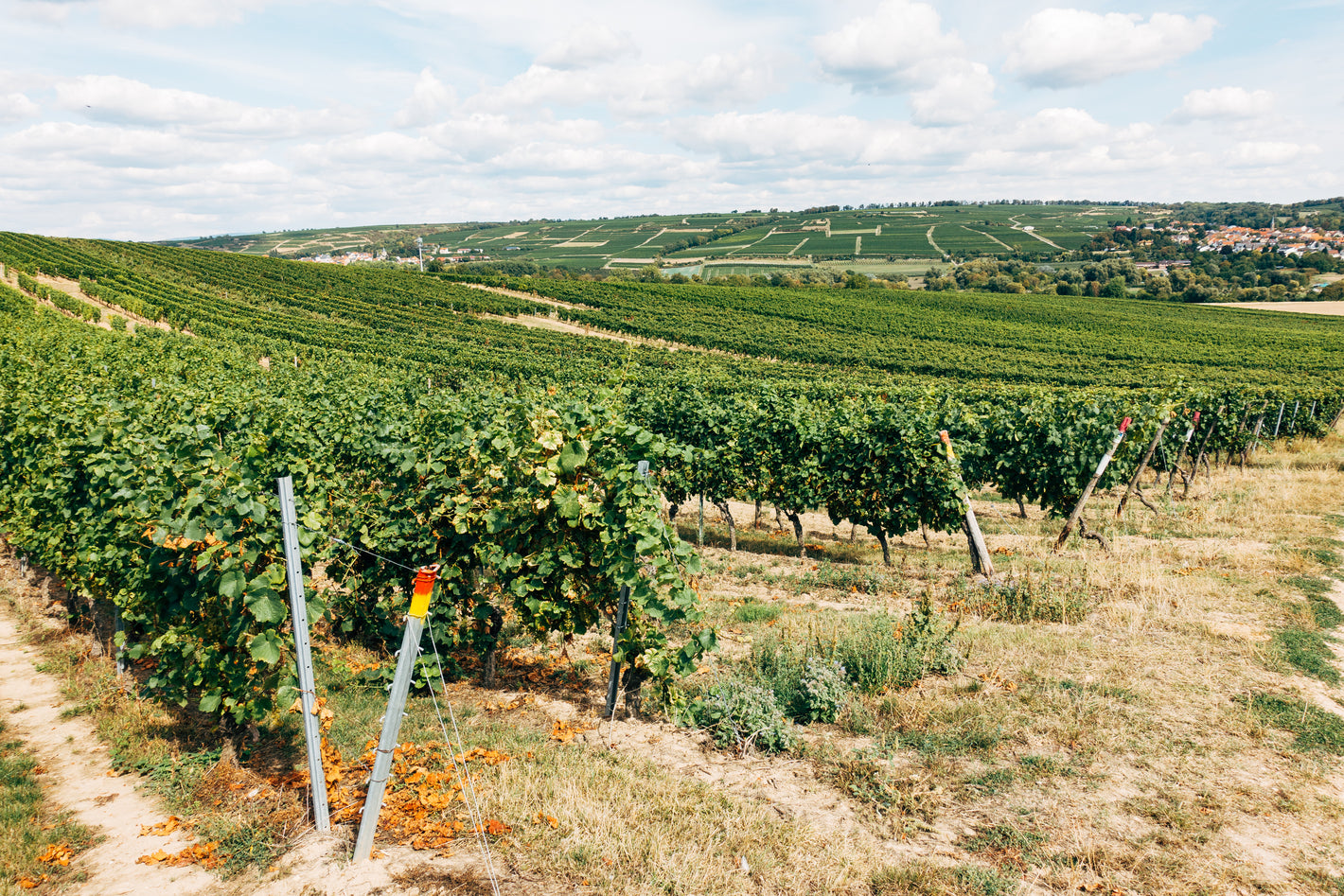
The vineyards around Sigolsheim sit on limestone-rich soils with excellent drainage, typical of the better sites in the Haut-Rhin. The continental climate provides warm, dry summers ideal for ripening Pinot Noir, while the limestone contributes the mineral backbone that defines Alsatian wines. These conditions allow the grape to develop aromatic complexity whilst retaining the fresh acidity that keeps the wine elegant.
Alsace AOC allows for both varietal bottlings and blends, with strict rules about grape varieties and minimum alcohol levels. Unlike most French regions, Alsace wines are typically labelled by grape variety rather than place, reflecting the region's focus on varietal expression. The appellation covers the entire wine-growing area of Alsace, from simple regional wines to the most prestigious Grand Cru sites, with Pinot Noir being the region's primary red grape variety.
The 2024 vintage in Alsace delivered exactly what vignerons hoped for after a string of challenging years. Spring arrived gently without late frosts, summer brought enough warmth to ripen everything properly, and crucially, September stayed dry when it mattered most. We find ourselves with one of those vintages that reminds you why Alsace sits where it does, tucked against the Vosges mountains with just enough protection to let the grapes ripen slowly and completely.
What landed in the cellars shows remarkable purity and balance across the board. The Rieslings have that crystalline precision we love, with acidity that cuts like a laser but never shouts about it. Gewürztraminer managed to be expressive without turning into perfume, while Pinot Gris struck that perfect middle ground between richness and freshness that makes you reach for another glass. These wines are drinking beautifully now if you fancy them young and bright, but the best will reward patience until 2030 and beyond.
FAQs
What does this Pinot Noir taste like?
Bright and elegant, with fresh red cherry and strawberry flavours, gentle spice, and a distinctive mineral finish that's typical of Alsace.
When should I drink this wine?
It's lovely now and will be at its best between 2026-2032, whilst the fruit remains vibrant and the mineral character develops complexity.
What food pairs well with this wine?
Try it with roasted chicken, pork tenderloin, or salmon. The wine's elegance and acidity also make it perfect with charcuterie and soft cheeses.
How should I serve this wine?
Serve slightly chilled at 14-16°C in Burgundy-style glasses. No need to decant - it's ready to drink immediately.
Is this wine worth cellaring?
It will develop but is made for relatively early drinking. Buy it to enjoy over the next 10 years rather than for long-term cellaring.
How does Alsatian Pinot Noir differ from Burgundy?
Alsatian Pinot Noir tends to be more immediately approachable with brighter fruit and distinctive mineral character, whilst Burgundy often has more complexity and age-worthiness.

Explore related wines


What are you looking for tonight? Tell me the occasion, a grape, a region — or just try a suggestion below.
Your recommendations will appear here.
-
-
Speak to one of our Wine Gurus
Speak to a Wine GuruWith years of experience, our team can help you with all your wine buying and selling needs