

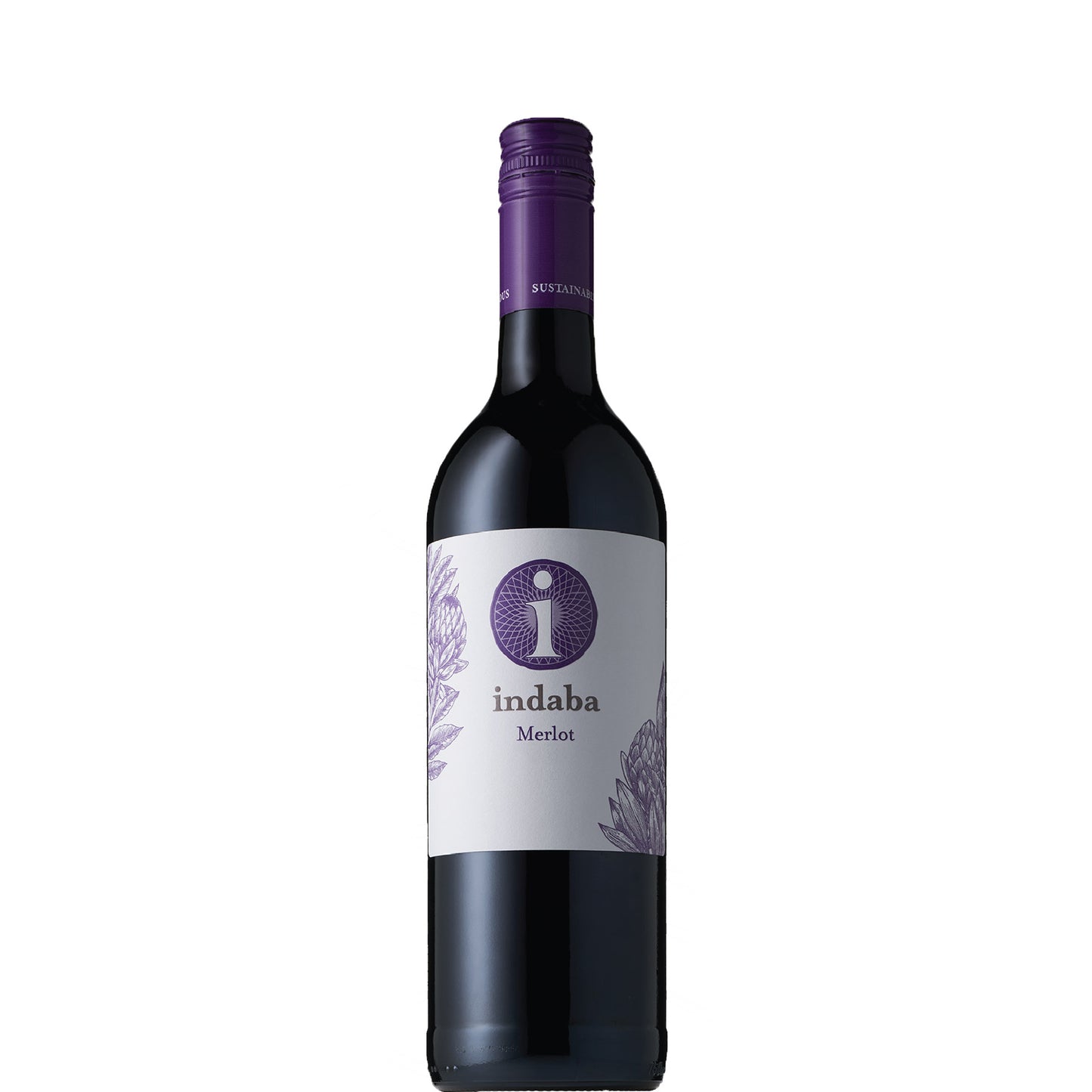
Indaba Merlot, 2022
Indaba Merlot, 2022
- 75cl
- Red Still
- Merlot
Couldn't load pickup availability

Optimal drinking window: Now - 2027
Soft, juicy and effortlessly approachable, the Indaba Merlot 2022 opens with ripe plum, cherry and dark berry fruit, followed by subtle mocha, herbal notes and a touch of minerality. Velvety on the palate, with supple tannins and a gentle richness, it finishes fresh and inviting. A thoroughly easy-going South African Merlot that delivers plenty of fruit and character without ever becoming heavy.
Perfect with grilled meats, burgers, roast chicken or a hearty mushroom pasta.
At four years old, this wine is right in its sweet spot. The fruit is at its most vibrant now, with the soft tannins already fully integrated. Drink it up while it's bright and cheerful.
Tasting Notes
AppearanceBright, medium ruby with a clean, youthful rim.
NoseStraightforward and inviting: ripe plum and morello cherry lead, with a faint backdrop of milk chocolate and dried herbs. It's open and undemanding from the off — no need to coax anything out of this one.
PalateSoft, rounded tannins make this an easy mouthful, with dark cherry fruit and a gentle dusting of warm spice. There's enough freshness to keep it lively, though the emphasis is firmly on approachability rather than structure.
FinishShort-to-medium, clean, with a faint chocolatey warmth at the close.
Overall impressionExactly what it sets out to be: a crowd-pleasing, no-fuss Merlot for midweek drinking.
Food Pairings
In the Cape Winelands, a wine like this would sit happily alongside a braai — South Africa's beloved tradition of grilling over wood or charcoal, with boerewors sausages, lamb chops, and sosaties (spiced skewers of marinated lamb). It would also do well with a Cape Malay curry, where the gentle spice of the wine echoes the fragrant, mildly sweet sauces typical of that cuisine. Closer to home, think pasta with a slow-cooked tomato and beef ragù, or a simple grilled chicken with roasted peppers.
We think this wine would go well with
Serve at around 16°C — slightly below a warm room, which keeps the fruit bright and stops the alcohol feeling heavy. No need to decant; just open and pour. A standard Bordeaux-style glass works perfectly well here, giving the fruit room to open up without over-aerating a wine this light on its feet.
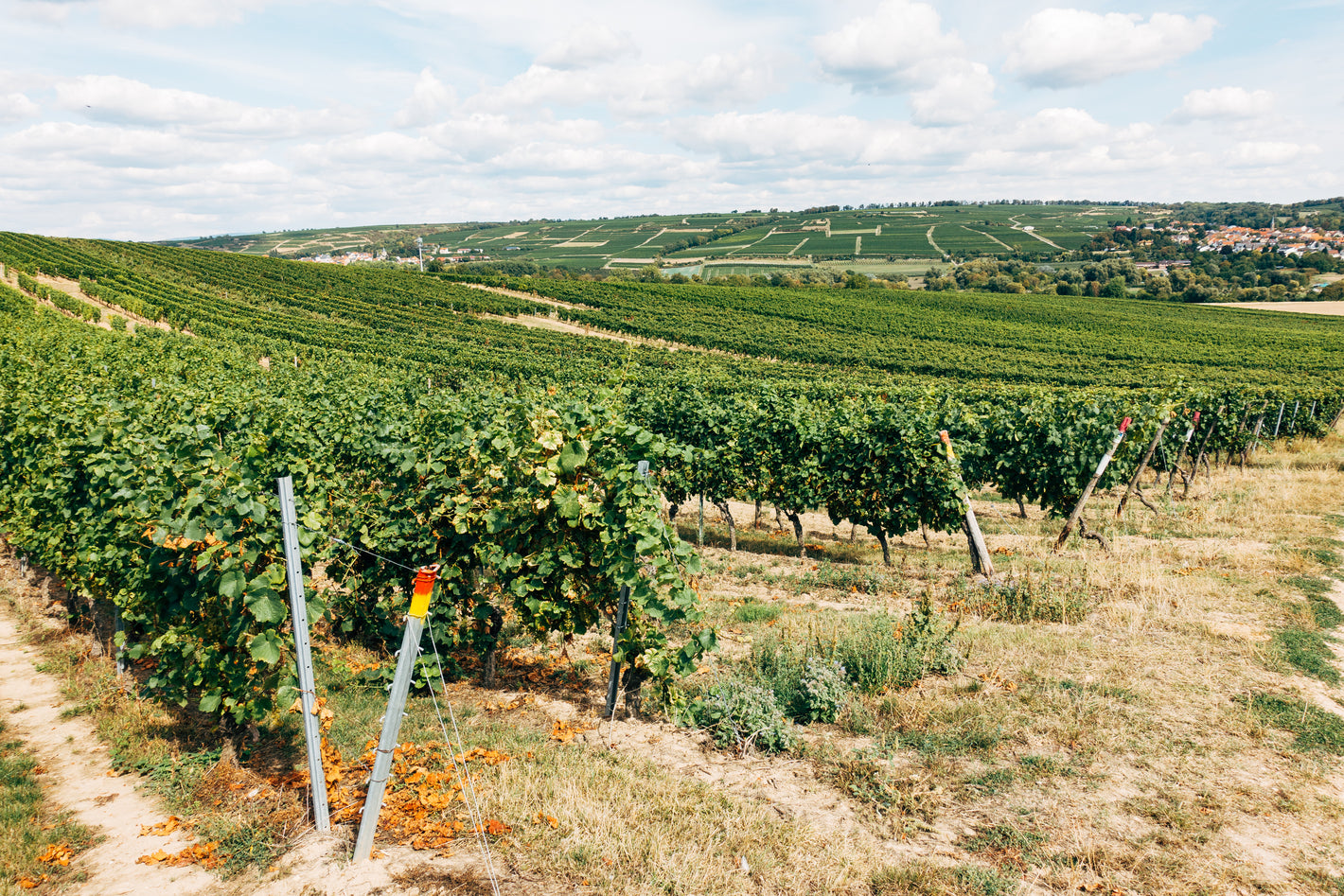
Indaba sources fruit from the Western Cape, South Africa's great viticultural melting pot, drawing on vineyards across Stellenbosch, Paarl, and beyond. The Cape's Mediterranean climate — warm, dry summers moderated by the cold Benguela Current off the Atlantic — gives Merlot the ripeness it needs without cooking out the freshness. Soils vary from decomposed granite to clay-rich valley floors, and it's the blend of sites that gives the wine its consistent, rounded character rather than any single patch of ground.
The Western Cape Wine of Origin designation covers the entire Cape wine-producing region and allows producers to blend across a wide area, which suits a brand like Indaba perfectly. It's the broadest geographic designation in South African wine law, sitting above more specific districts like Stellenbosch or Swartland. This flexibility means producers can chase quality and consistency across vintages rather than being tied to one site's performance. The trade-off is less sense of place, but for a wine at this price point, that's a reasonable bargain.
The 2022 Western Cape vintage feels like a return to form after several years of curveballs. We saw a relatively calm growing season without the dramatic weather swings that have kept winemakers on their toes lately, though water remained tight in many areas. The harvest stretched longer than usual, giving producers the luxury of picking when they wanted rather than when circumstances forced their hand.
What emerged from the cellars shows remarkable freshness and balance across the board. The Chenin Blanc has that mineral backbone we adore, while the reds from Stellenbosch and Paarl show excellent colour and structure without the jammy richness that can overwhelm in hotter years. Pinotage lovers will find particular joy here—the variety seems to have hit its stride with wines that are both characterful and food-friendly. Most 2022s are drinking beautifully now, though the better Cabernet blends will reward patience until 2026 and beyond.
FAQs
What does Indaba Merlot taste like?
Think ripe plum and dark cherry with a soft chocolatey edge and a gentle hint of warm spice. The tannins are smooth and the whole thing is designed to be easy-going — this is a wine for pleasure, not analysis.
When should I drink this wine?
Now, honestly. It's in great shape through 2027, but there's nothing to be gained by waiting. Open it tonight with dinner and enjoy it while the fruit is at its most vivid.
What food works best with this Merlot?
It's a flexible companion. Pasta with a hearty meat sauce, grilled lamb, roasted vegetables, or even a mild curry all work well. The soft tannins and ripe fruit mean it won't clash with much — it's the kind of wine you can pour for a table of mixed tastes without any drama.
Do I need to decant it?
No need at all. Just open the bottle, pour, and go. It's fully ready the moment the cork comes out.
Is it worth cellaring?
We'd say no. Indaba Merlot is built for drinking young, and it will lose more than it gains with further age. The fruit will fade and there isn't the structure underneath to compensate. Enjoy it now, at its best.
How should I serve it?
Around 16°C is ideal — slightly cool, which keeps the fruit fresh and lively. A standard red wine glass is all you need. If your bottle has been sitting in a warm room, give it ten minutes in the fridge before pouring.

Explore related wines


What are you looking for tonight? Tell me the occasion, a grape, a region — or just try a suggestion below.
Your recommendations will appear here.
-
-
Speak to one of our Wine Gurus
Speak to a Wine GuruWith years of experience, our team can help you with all your wine buying and selling needs