

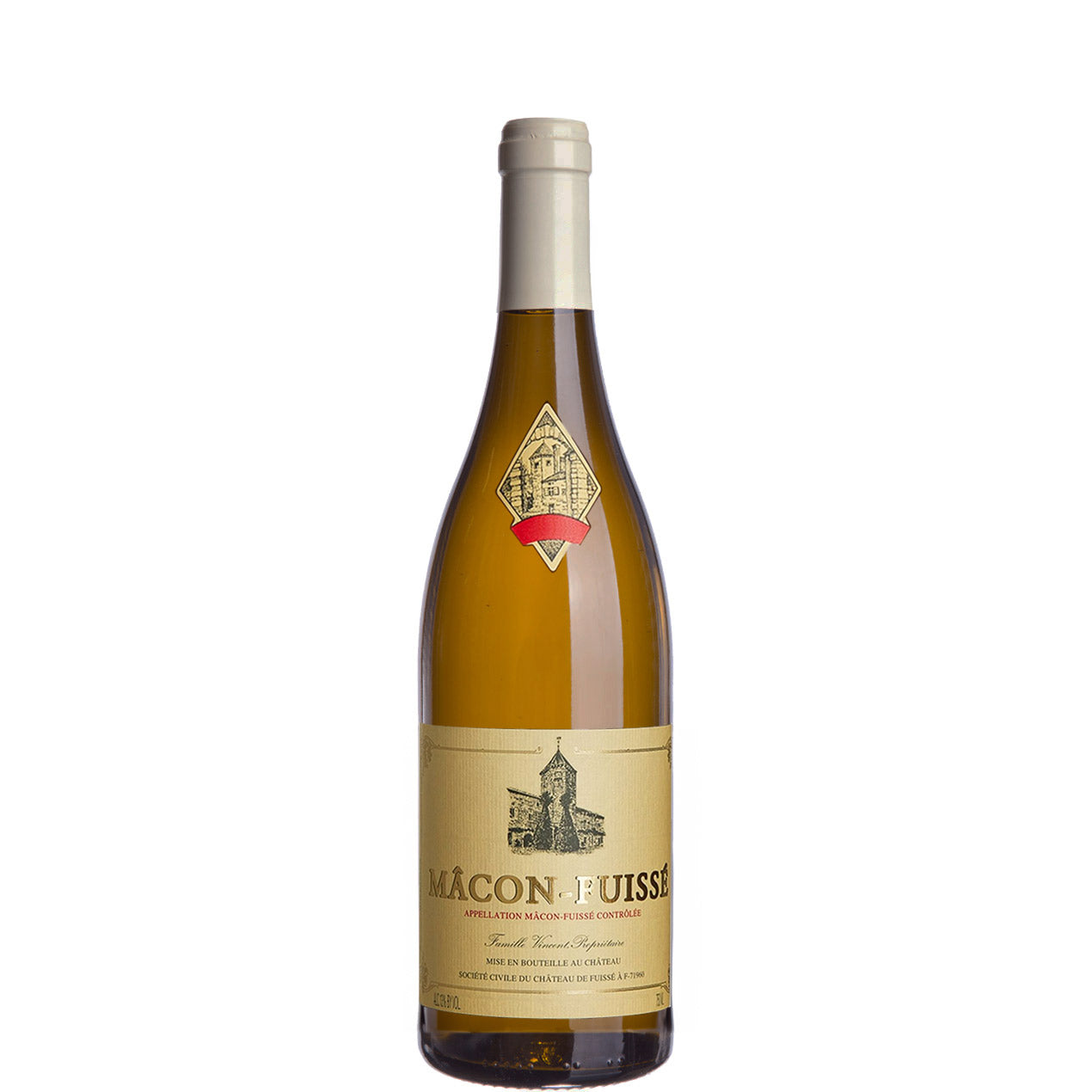
Mâcon-Fuissé, Château-Fuissé, 2023
Mâcon-Fuissé, Château-Fuissé, 2023
- 75cl
- 13.5%
- White Still
- Chardonnay
Couldn't load pickup availability

Optimal drinking window: 2026 - 2030
Château-Fuissé is one of the most respected names in the Mâconnais, and this Mâcon-Fuissé is the estate's entry point, though entry point is relative here. Made entirely from Chardonnay grown around the village of Fuissé, it sits just below the Pouilly-Fuissé appellation boundary but shares much of the same limestone-rich character.
There is a generosity to the fruit — ripe stone fruit, a hint of toasted hazelnut — balanced by a clean, mineral cut. Drink it alongside something rich from the kitchen.
At three years old, this is already in a lovely drinking window where the primary fruit is expressive and the oak fully absorbed. Over the next year or two, it may pick up a little more honeyed depth and secondary complexity — think roasted nuts and dried apricot alongside the fresh stone fruit.
Tasting Notes
AppearancePale gold with a bright, clear gleam and faint green highlights.
NoseWhite peach and ripe pear upfront, with a warm undercurrent of toasted hazelnut and a touch of fresh cream. There is a quiet stony quality underneath that keeps it grounded and precise.
PalateMedium-bodied and well-balanced, with stone fruit giving way to a flinty, almost chalky mid-palate texture. The oak has been used with a light touch — you feel the structure rather than the wood — and the acidity is clean and refreshing without any sharpness.
FinishMedium-length, finishing dry and mineral with a pleasant persistence of hazelnut and citrus zest.
Overall impressionA confident, well-made village Chardonnay that punches above its appellation level.
Food Pairings
In the Mâconnais, this sort of wine would be on the table with quenelles de brochet — those silky pike dumplings served in a rich beurre blanc that are a local obsession. Poulet de Bresse, roasted simply with butter and tarragon, is a natural partner too, given the region sits right on the border of Bresse. Locally caught river fish, grilled or pan-fried with brown butter and capers, works wonderfully. Closer to home, a warm Comté tart or a simple cheese board anchored by aged Comté or Saint-Nectaire would suit it just as well.
We think this wine would go well with
Serve at around 11 to 12 degrees Celsius — cool enough to keep the acidity fresh but not so cold that you lose the stone fruit character. No need to decant; just a simple 30-minute rest out of the fridge if it has been chilling. A standard white Burgundy glass with a slightly wider bowl than a Chablis glass works well here, giving the wine enough room to open without dissipating too quickly.
The vineyards around Fuissé sit on limestone and clay soils over a bedrock of Jurassic limestone, which gives the wines their characteristic mineral edge and keeps them fresh despite the relatively warm Mâconnais climate. Altitudes are modest — around 250 to 350 metres — with the best sites on south and south-east facing slopes that catch morning sun without overheating. The limestone drains well and keeps vine stress low, contributing to the consistent ripeness and natural balance Château-Fuissé achieves across vintages.
Mâcon-Fuissé is a village-level appellation within the Mâconnais, the southern tip of Burgundy where Chardonnay rules entirely. It is one step above generic Mâcon-Villages and shares its name with the village of Fuissé, which also sits at the heart of the more prestigious Pouilly-Fuissé AC immediately above it. The wines tend to be rounder and more approachable than their Côte de Beaune cousins, with less intensity but excellent value for the quality on offer. At their best, as here, they offer a genuinely satisfying expression of Burgundian Chardonnay without the anxiety-inducing price tag.
The 2023 growing season in Burgundy unfolded like a cautionary tale about climate change, then pulled off a last-minute redemption that left everyone rather stunned. After a warm, early spring pushed budbreak ahead of schedule, the vines endured a thoroughly miserable summer of persistent rain and cool temperatures that had growers muttering darkly about rot and dilution. Just when things looked dire, September arrived with glorious sunshine and dry winds that concentrated the fruit and saved the harvest—though not without some frantic sorting in the cellars.
What emerged from this meteorological rollercoaster are wines that wear their vintage on their sleeve: Pinot Noirs with bright, singing acidity and red fruit that feels almost crystalline in its purity, whilst the Chardonnays show remarkable tension and mineral drive. The reds are drinking beautifully now if you fancy immediate pleasure, but we suspect the better villages and premiers crus will reward patience over the next decade. It's not a powerhouse vintage, but there's something genuinely charming about these wines—they remind us why we fell for Burgundy in the first place.
FAQs
What does this wine taste like?
Ripe white peach and pear with a warm note of toasted hazelnut, a creamy mid-palate texture, and a clean, stony finish. It is generous without being heavy, and the acidity keeps everything lively.
When should I drink this wine?
It is drinking very well right now and will continue to do so until around 2029 or 2030. There is no real case for ageing it further — the pleasure is in the freshness.
What food goes well with this wine?
It is a natural partner for fish and seafood — think pan-fried sole, grilled scallops, or a classic fish pie. It also works brilliantly with roast chicken, creamy pasta dishes, or a board of aged Comté. Simple, well-made food rather than anything too heavily spiced.
How should I serve it?
Around 11 to 12 degrees Celsius is ideal. If it has been in the fridge, take it out 30 minutes before serving. No need to decant. A standard white Burgundy glass is perfect.
How does this compare to Pouilly-Fuissé?
It shares the same village, the same soils, and the same winemaking team — but Mâcon-Fuissé sits just outside the Pouilly-Fuissé boundary and is priced accordingly. The character is very similar, though Pouilly-Fuissé from the same estate tends to have more concentration and longer ageing potential. Think of this as the honest, no-ceremony version of the same idea.
Is Château-Fuissé a reliable producer?
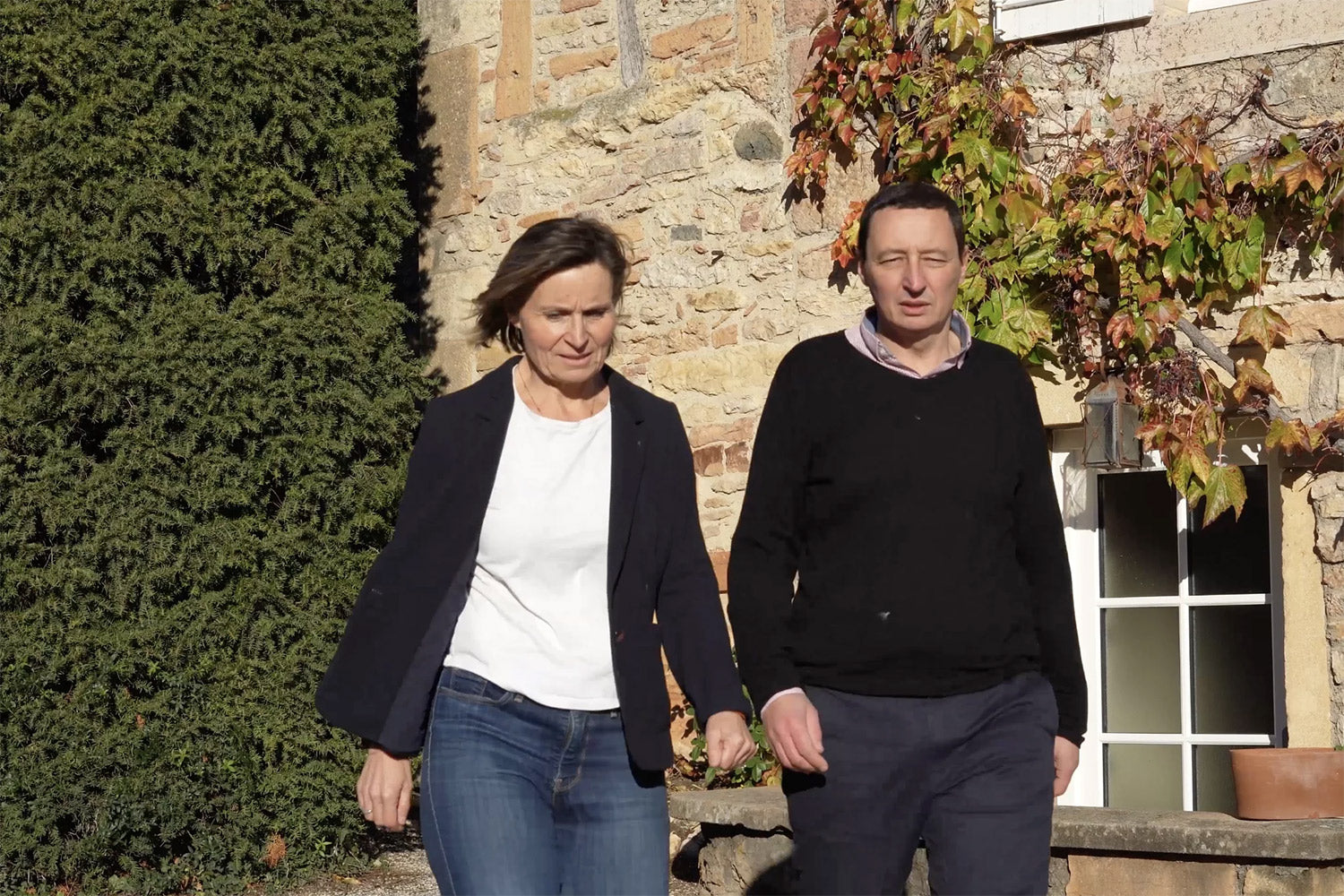
One of the most reliable in the Mâconnais, without question. The Vincent family has been farming here since 1862 and their wines, at every level, are consistently well-made. If you enjoy this, their Pouilly-Fuissé bottlings are well worth exploring too.
Explore related wines


What are you looking for tonight? Tell me the occasion, a grape, a region — or just try a suggestion below.
Your recommendations will appear here.
-
-
Speak to one of our Wine Gurus
Speak to a Wine GuruWith years of experience, our team can help you with all your wine buying and selling needs