
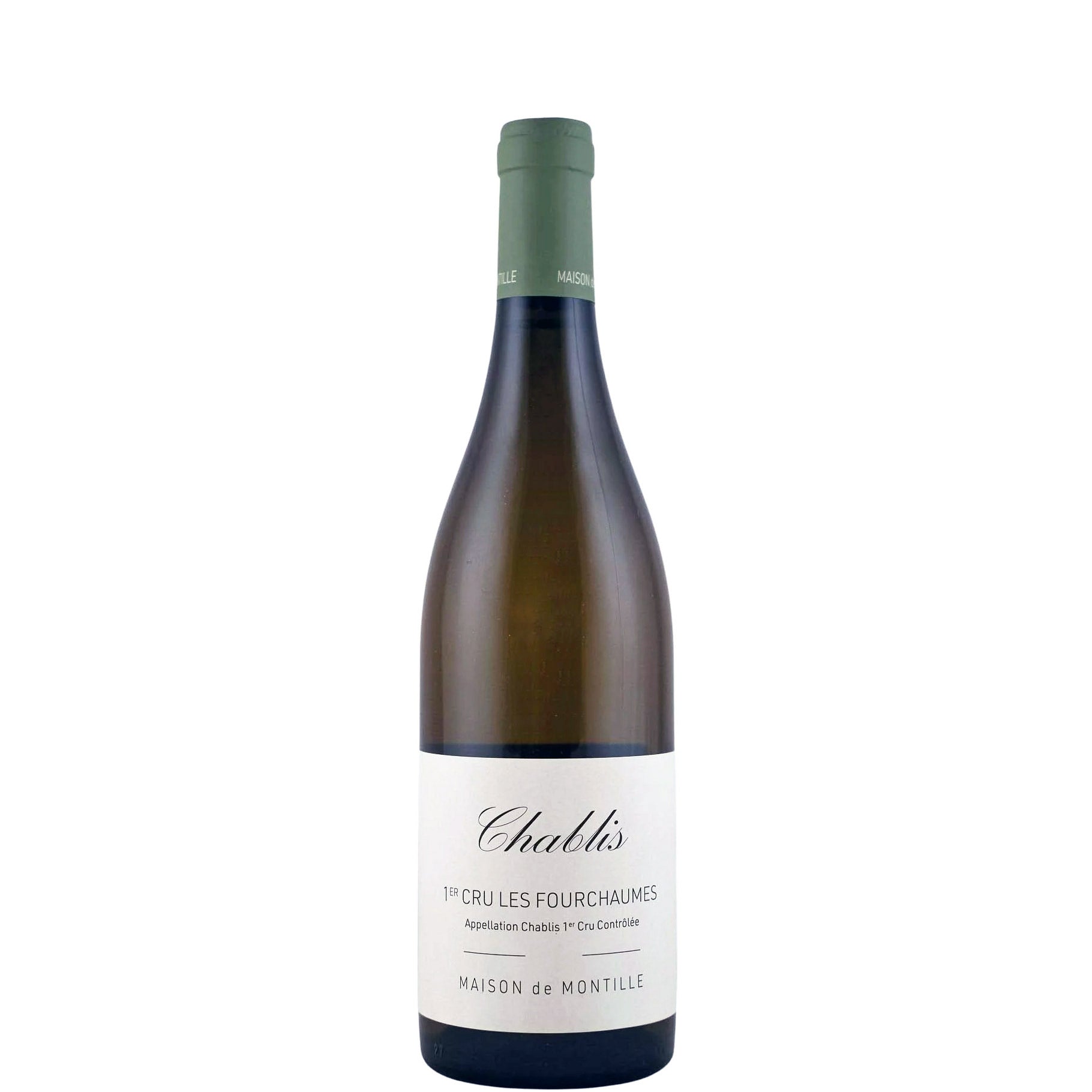
Maison De Montille, Chablis Premier Cru 'Les Fourchaumes', Domaine de Montille, 2022
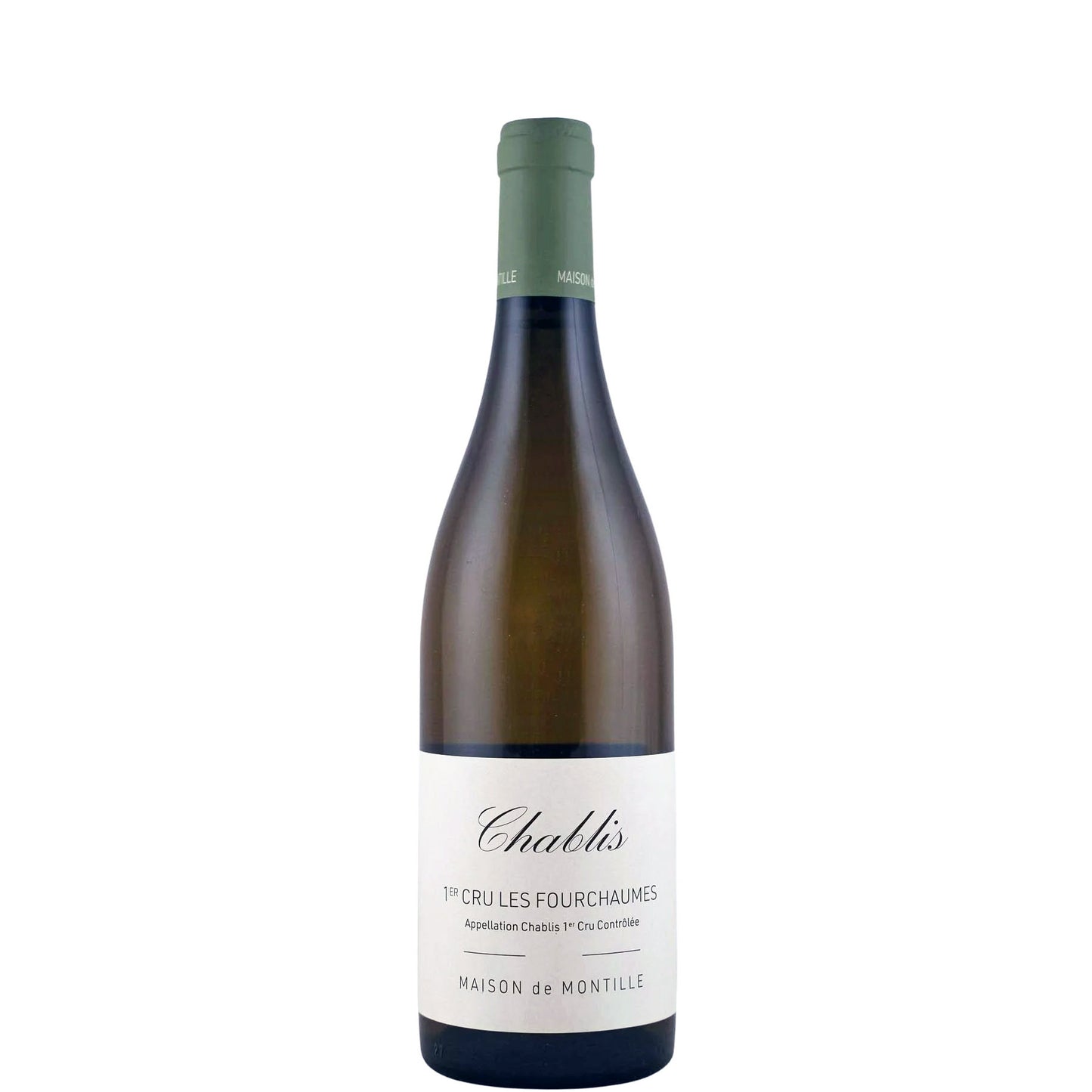
Maison De Montille, Chablis Premier Cru 'Les Fourchaumes', Domaine de Montille, 2022
- 75cl
- 13%
- White Still
- Chardonnay
- Organic
- Biodynamic
Couldn't load pickup availability

Optimal drinking window: Now - 2034
About Maison De Montille, Chablis Premier Cru 'Les Fourchaumes', Domaine de Montille, 2022
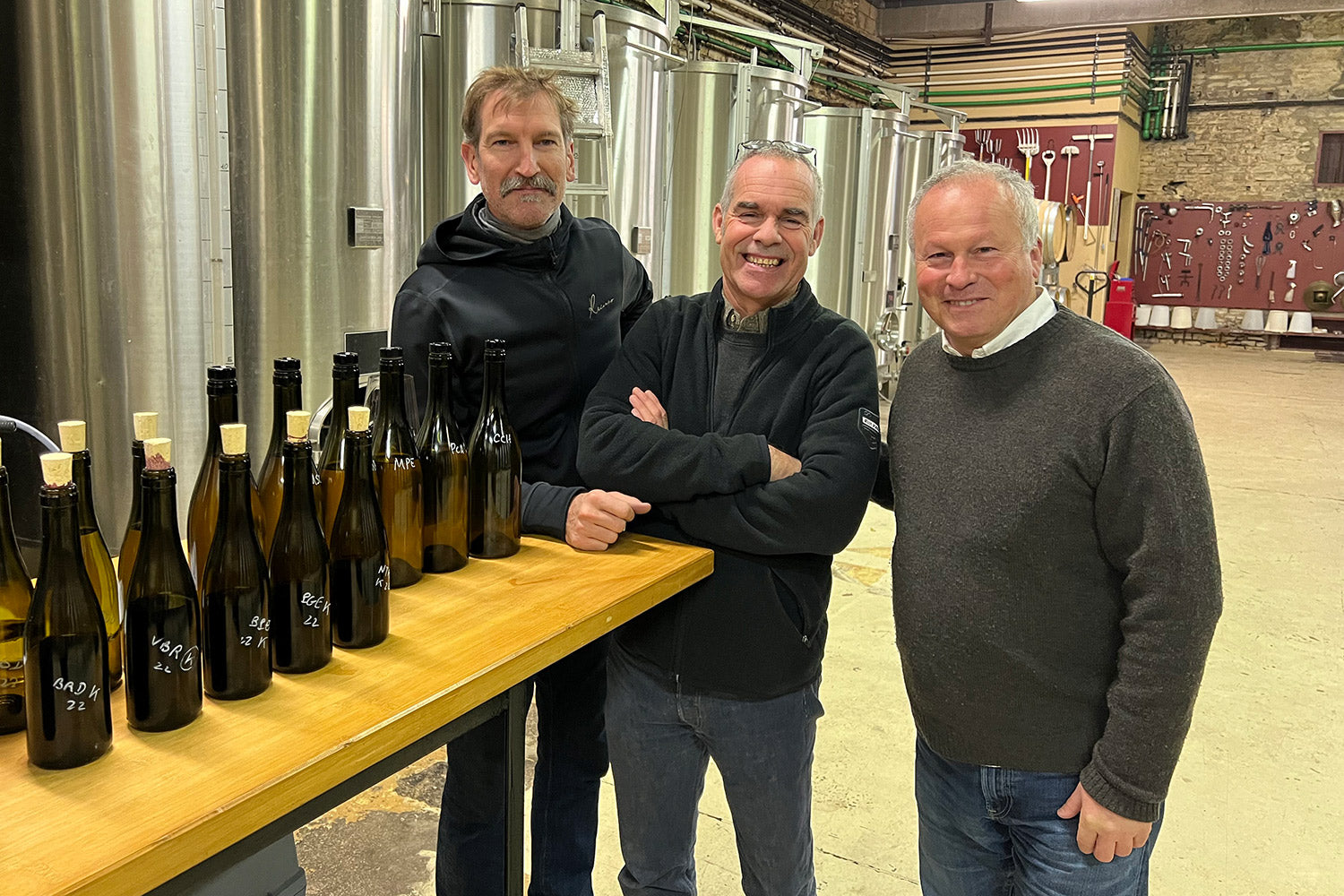
Domaine de Montille is one of Burgundy’s most revered estates and this burgeoning family property is very much at the top of its game, producing wines of exceptional quality: scintillating, proper Burgundies, unusually across both reds and whites.
Features as one of the Top 10 Côte de Beaune Red Wine Producers and Top 10 Côte de Beaune White Wine Producers in Tim Atkin's Burgundy 2022 Special Report.
Self-confessed ‘acid freak’ Brian Sieve was especially careful with battonage and lees-stirring of the Chardonnays in 2022, to maintain freshness and verve, noting that it was not a high acid vintage. A little less new oak (not that there is ever more than just enough) and whole bunches in the reds than in the previous solar vintages, plus the gentler acid profile means the wines have a charm and immediacy to rival any vintage we’ve tasted from the domaine.
The 2022 vintage's more generous acid profile means this is already lovely to drink now — the fruit is vivid, the texture is plush, and there's no awkward closed phase to wait out. Over the next two to three years, the lees-derived texture will integrate further and the primary citrus and stone fruit will start giving way to something more complex: toasted almond, lanolin, and a deeper mineral quality. Peak drinking is probably somewhere between 2027 and 2031, when the wine should hit a sweet spot of richness and freshness. Hold it much beyond 2033 and you risk losing the brightness that makes Fourchaumes so satisfying.
Tasting Notes
AppearancePale gold with a faint green tinge and good clarity.
NoseThere's a cool, almost wintry freshness at first — white peach, lemon zest, and that chalky, oyster-shell quality that good Chablis does better than anywhere. Sit with it a moment and something a little more generous opens up: ripe pear, white blossom, and a whisper of warm brioche from the lees work Brian Sieve was so careful about in this vintage.
PalateThe 2022 warmth is evident in the weight and texture — this is rounder and more immediately approachable than many Fourchaumes vintages, with a silky mid-palate and ripe citrus fruit that fills the mouth generously. But the Kimmeridgian limestone does its work: there's a clean, saline, almost electric line of acidity running through it that stops the wine tipping into softness and keeps everything honest.
FinishLong and chalky, with a squeeze of lemon and that characteristic Chablis mineral persistence that lingers well after the glass is empty.
Overall impressionA 2022 that earns its generosity without losing the northern edge that makes Chablis worth the argument.
Food Pairings
In and around Chablis, this is fish country — and the wine's saline, oyster-shell quality makes pairing almost embarrassingly obvious. Locals would eat it with Burgundy's freshwater fish: quenelles de brochet with a beurre blanc, or pan-fried perch from the Serein river. Further afield in Burgundy proper, it's wonderful with a simple poulet à la crème or a gratin d'écrevisses, where the wine's texture and acidity cut through the richness with precision. The rounder, riper quality of the 2022 vintage also makes it a surprisingly good match for dishes with a little more body — think roasted sea bass or a creamy mushroom risotto.
We think this wine would go well with
Serve at around 11-12°C — cold enough to keep the acidity lively, but not so cold that you lose the texture and lees character that make this interesting. No need to decant, though giving it 20-30 minutes in a slightly warmer room after opening will help it open up. A wider-bowled white Burgundy glass is ideal: it gives the wine enough room to breathe while focusing the aromatic detail.
Les Fourchaumes sits on the right bank of the Serein river, on slopes that face south and south-west — unusually sunny for Chablis, which gives the wine a little more ripeness and roundness than you'd find in the cooler, more austere premiers crus on the left bank. The soils are Kimmeridgian limestone and clay, the same ancient seabed that defines great Chablis: full of fossilised oyster shells (Exogyra virgula) that lend the wines their characteristic chalky, saline cut. That combination of warmth and limestone gives Les Fourchaumes a generous, almost honeyed quality in ripe vintages, without ever losing its mineral spine.
Chablis Premier Cru is a step up from straight Chablis and a step below the seven grands crus that crown the hill above the town. There are 40 premier cru vineyard sites in total, though many are grouped under 17 principal names for labelling — Les Fourchaumes being one of the most prestigious and widely recognised. The appellation demands 100% Chardonnay and typically produces wines with more structure, concentration, and ageing potential than village Chablis, while retaining the cool-climate acidity and stony minerality that sets Chablis apart from the richer, oakier whites of the Côte de Beaune. At its best, premier cru Chablis sits in that sweet spot between Burgundy's creamy richness and something altogether more austere and northern.
The 2022 growing season in Burgundy began with a worryingly dry spring that had vignerons checking soil moisture levels weekly, followed by a summer that alternated between intense heat and welcome rainfall. The vines handled the stress remarkably well, producing smaller berries with concentrated flavours, though yields dropped significantly across both the Côte d'Or and Chablis. Harvest began earlier than usual, with many producers picking in late August under bright skies.
What emerged from the cellars shows a vintage of surprising finesse given the challenging conditions. The Pinot Noirs display vivid fruit and firm tannins without the jammy weight you might expect from a hot year, whilst the Chardonnays retained their mineral backbone alongside ripe stone fruit flavours. We're finding the village-level wines particularly compelling right now, drinking beautifully with just a year or two of bottle age, though the premier and grand crus will reward patience until the late 2020s.
FAQs
What does this wine taste like?
Think ripe white peach and lemon zest on the nose, then a palate that's rounder and more generous than classic Chablis but with that unmistakeable chalky, saline backbone running through it. The 2022 vintage gives it a little extra warmth and texture, making it immediately appealing without sacrificing its northern edge.
When should I drink this wine?
It's drinking well right now — the 2022's charm and immediate fruit make it hard to resist. That said, we'd give it until 2027-2031 for peak complexity, when the lees character and mineral depth really start to sing. Enjoy it until around 2033.
What food should I pair it with?
Oysters are the obvious answer and they're obvious for good reason. Beyond that, think fish dishes with a creamy or buttery element — pan-fried sole, a classic beurre blanc, or a simple roast chicken with cream sauce. The wine's texture handles richness well without losing its freshness.
How should I serve it?
Around 11-12°C is ideal. There's no need to decant, but letting it warm slightly in the glass for the first 20-30 minutes after opening will reward you. Use a wider-bowled white Burgundy glass if you have one.
Is Domaine de Montille a reliable producer for Chablis?
Domaine de Montille is one of Burgundy's most respected estates, better known for its Côte de Beaune reds and whites, but its Maison de Montille arm has applied the same obsessive quality focus to Chablis. Brian Sieve's meticulous approach to lees work and freshness in 2022 makes this a very serious bottle from a producer that takes nothing for granted.
Is this worth cellaring?
Yes, if you can resist it. The 2022 is charming now, but it has the structure and mineral depth to develop meaningfully over five to seven years. If you're buying more than one bottle, open the first now and sit on the rest until at least 2028.
Explore related wines


What are you looking for tonight? Tell me the occasion, a grape, a region — or just try a suggestion below.
Your recommendations will appear here.
-
-
Speak to one of our Wine Gurus
Speak to a Wine GuruWith years of experience, our team can help you with all your wine buying and selling needs