

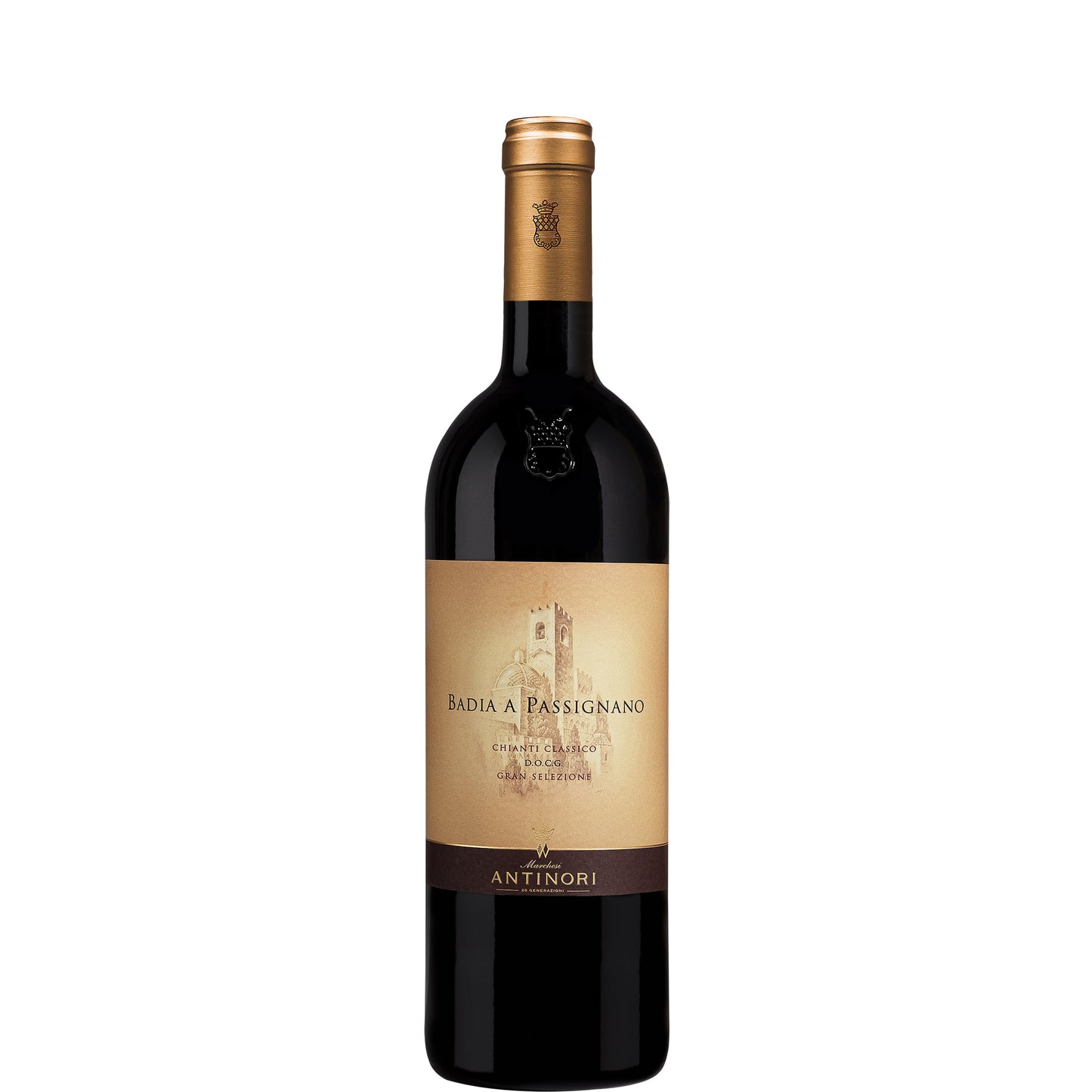
Marchesi Antinori, 'Badia a Passignano' Chianti Classico Gran Selezione, 2021
Marchesi Antinori, 'Badia a Passignano' Chianti Classico Gran Selezione, 2021
- 75cl
- 14%
- Red Still
- Sangiovese
Couldn't load pickup availability

Optimal drinking window: Now - 2040
Est. delivery end of October, 2026
Badia a Passignano is Antinori's monastic jewel in the heart of Chianti Classico, a single-vineyard Gran Selezione made entirely from Sangiovese grown around an 11th-century abbey that the monks themselves once farmed. This is the top of the Chianti Classico pyramid, and it shows: dense, structured, and built with real seriousness, yet never losing the savoury, bright-fruited soul that makes Sangiovese so good at the table.
The 2021 is classically cut, dark cherry and redcurrant laced with dried thyme, leather, and a whisper of espresso, carried on tannins that mean business. A wine for slow Sunday lunches and long conversations.
By 2025 the structure should start to loosen, revealing more of the dried herb and leather notes that define mature Sangiovese. Expect a long plateau of complexity from the early 2030s through to around 2040, after which it will likely hold rather than improve. Given the pedigree of the site and vintage, there's no rush at all.
What the critics say:
"Wow. This shows a beautiful shift in character towards freshness and brightness, with lots of dried flowers and hints of sandalwood. Medium to full body with firm, fine tannins. Energetic finish. Lots of fresh herbs and pine to the fruit at the end. Pure sangiovese. Give this a couple of years, but already top-quality Chianti Classico. Best ever?"
"I had previously reviewed this vintage closer to its commercial release. Tasted seven months later, the Marchesi Antinori 2021 Chianti Classico Gran Selezione Badia a Passignano has fleshed out nicely and has successfully shedded its oak signature. What you get now is a pretty mouthful of rich, ripe black fruits with background notes of green spice and smoked bacon. There is a hint of fragrant rose that emerges beautifully at one specific point a few minutes in. This expression from the San Donato in Poggio UGA delivers bright and lively fruit overall. With a storied winemaking tradition and first produced in 1988, you could say that this wine is the control sample against which the three new UGA expressions are measured."
Tasting Notes
AppearanceDeep garnet with a bright ruby rim.
NoseDark cherry and redcurrant meet dried thyme, leather, and a touch of espresso, with an undercurrent of violet.
PalateFull-bodied and taut, with fine, grippy tannins and a savoury core of sour cherry and tobacco leaf running through the middle.
FinishLong, dry, and mineral, with a lingering note of dark chocolate and herbs.
Overall impressionA serious, age-worthy Sangiovese that rewards patience.
Food Pairings
In Chianti, this would land beside bistecca alla fiorentina, that vast T-bone char-grilled over embers, or a rich peposo stew simmered for hours with black pepper and red wine. Wild boar ragu over pappardelle is a local favourite too, the tannins cutting clean through the fat. Aged pecorino with a drizzle of chestnut honey makes a fine finish to the meal, matching the wine's savoury, slightly rustic edge.
We think this wine would go well with
Serve at 16-18°C, properly cool rather than warm, to keep the tannins in check. Decant for a good hour if opening within its first five years; less necessary once it has ten years on it. A large Bordeaux-style glass gives the aromatics room to unfurl.
The vineyard surrounds the Badia a Passignano abbey in the Chianti Classico hills near Tavarnelle Val di Pesa, planted at around 350 metres on galestro and alberese, the flaky schist and limestone soils that give Sangiovese its mineral backbone and lift. The site enjoys good diurnal temperature swings, cooling breezes keeping acidity fresh even in warm vintages like 2021. South-facing slopes ensure full ripening of what is a notoriously late and fussy variety.
Chianti Classico Gran Selezione sits atop the appellation's hierarchy, introduced in 2014 to recognise wines of single-vineyard or estate-grown origin, minimum 30 months' ageing, and stricter quality controls than Chianti Classico Riserva. It must be at least 80% Sangiovese, and the best examples, like this one, lean towards 100%. The designation was created precisely to showcase producers like Antinori who were already farming and vinifying at this level of ambition.
Tuscany's 2021 growing season began with a soggy spring that had growers muttering into their espressos, followed by a summer that swung between scorching heat and welcome August rains. The real drama came at harvest time when many producers had to pick fast and choose wisely, dancing around September downpours that separated the meticulous from the merely hopeful. Those who waited too long paid the price, but the estates that timed it right caught fruit with lovely ripeness and crucially intact acidity.
What emerged feels like Tuscany with its shirt sleeves rolled up — wines that are more approachable and less brooding than the powerhouse vintages we've grown used to. The Sangiovese shows bright red fruit and genuine charm rather than the dense, muscular character of recent years, whilst the international varieties like Cabernet Sauvignon and Merlot retained surprising freshness despite the heat. We're finding these wines drink beautifully now with a few years of bottle age, though the best Chiantis and Super Tuscans will happily cellar for another decade if you can resist them that long.
FAQs
What does this wine taste like?
Dark cherry, dried herbs, tobacco, and firm, savoury tannins typical of top-tier Sangiovese.
When should I drink this wine?
It's approachable from 2025 but will reward cellaring until 2040.
What food should I pair it with?
Classic Tuscan fare: grilled steak, wild boar ragu, or aged pecorino.
Should I decant it?
Yes, especially in its youth. An hour's decanting helps open up the aromatics.
Is this wine worth cellaring?
Absolutely. This is Antinori's flagship Chianti Classico site and it has the structure to age gracefully for two decades or more.
What grape is it made from?
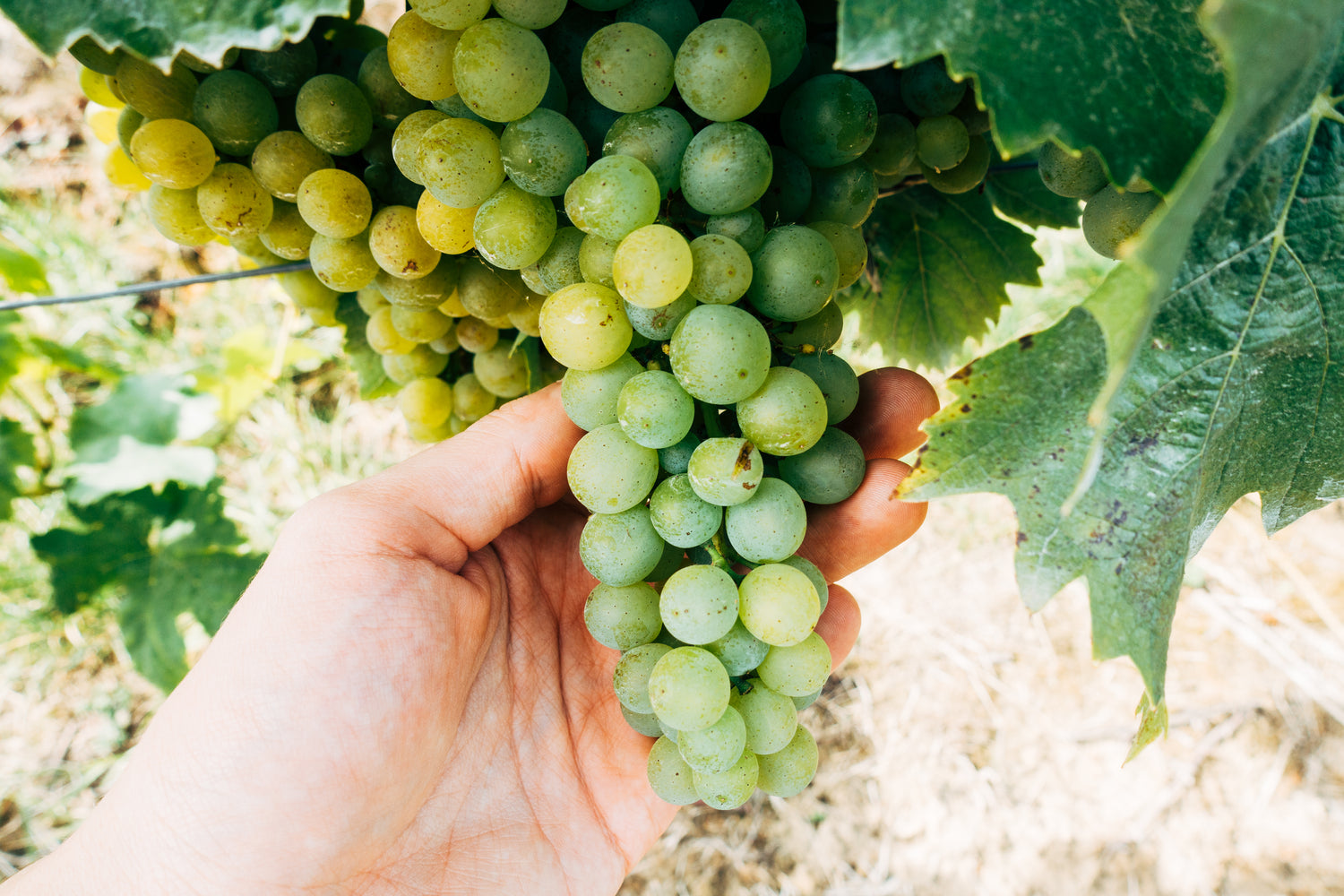
100% Sangiovese, grown on a single historic vineyard around the Badia a Passignano abbey.
Explore related wines


What are you looking for tonight? Tell me the occasion, a grape, a region — or just try a suggestion below.
Your recommendations will appear here.
-
-
Speak to one of our Wine Gurus
Speak to a Wine GuruWith years of experience, our team can help you with all your wine buying and selling needs