

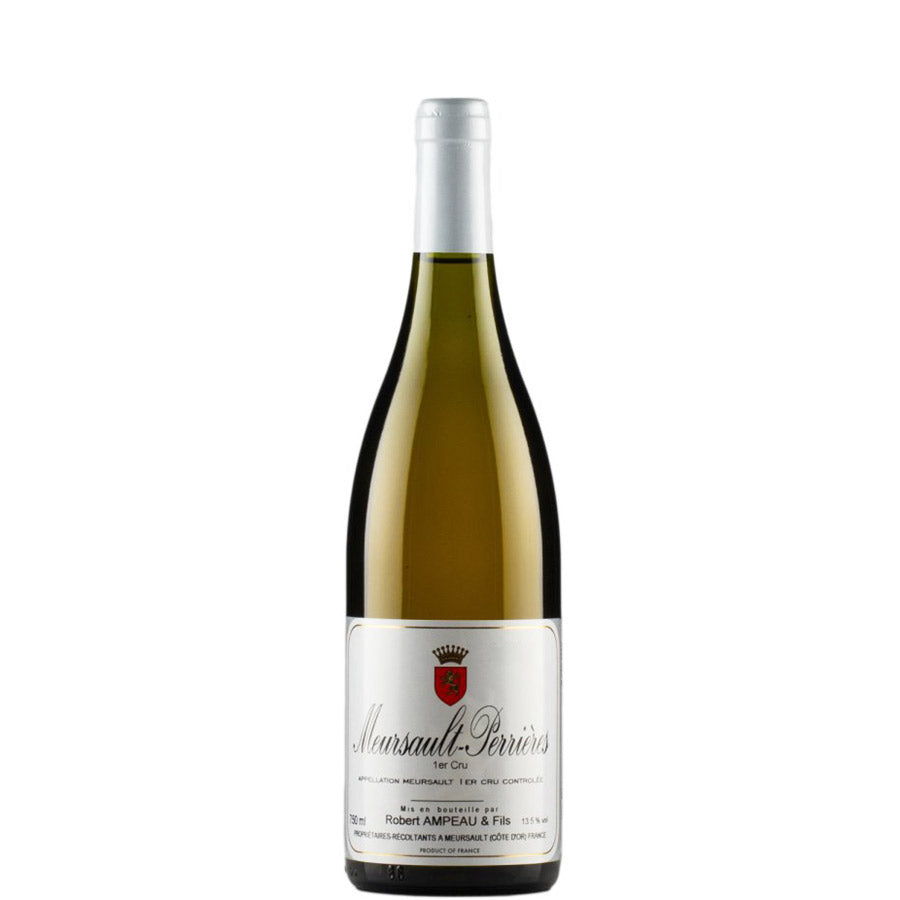
Meursault Premier Cru 'Perrières', Domaine Robert Ampeau et Fils, 1999
Meursault Premier Cru 'Perrières', Domaine Robert Ampeau et Fils, 1999
- 75cl
- 13.5%
- White Still
- Chardonnay
Couldn't load pickup availability
Enquire about this item

Drinking window: 2026 - 2035
Est. delivery in late autumn 2026
One of Puligny's top Premier Crus that shares a border with Meursault and the wines are typically rounder and more generous as you might expect. This is fresh and aromatic with magnificent, mature aromas and a lingering, mineral finish. Simply stunning.
This release of mature vintages straight from the cellars of Domaine Robert Ampeau gives a very rare opportunity to enjoy Premier Crus back to 1990, at prices that are practically at the level of recent En Primeur releases. For such venerable bottles ex-estate, the following cuvées should prove very attractive indeed.
As these wines have remained unmoved in the cold cellars at Ampeau since bottling, the conditions for a very slow, undisturbed ageing are perfect. Given the nature of the wines, we are unable to offer credit for corked/out of condition bottles, but our experience with these bottles is that the condition and ex-cellar provenance is impeccable.
Les Perrières sits on the southern boundary of Meursault's premier cru belt, adjacent to Puligny-Montrachet. The soils are predominantly white Bathonian limestone with very little topsoil, which forces vine roots deep and produces wines of extraordinary mineral tension and vertical drive. The name itself refers to the old quarries — perrières means stone quarries — and the rocky, thin-soiled character of the site comes through plainly in the wine's texture. Altitude is modest but the orientation and drainage ensure cool, even ripening, preserving acid and focus even in warmer years.
Meursault is the Côte de Beaune's most celebrated white wine village, producing Chardonnay of a distinctively rich, nutty, and textured character that sets it apart from the more precise, mineral style of neighbouring Puligny-Montrachet. Unlike Puligny and Chassagne, Meursault has no grand cru vineyards, but its best premier crus — Perrières, Charmes, and Genevrières — are considered among Burgundy's finest white wine sites. Perrières is generally regarded as the most grand-cru-like of the three: structured, mineral, and built for the long haul. Wines must be made from Chardonnay and are governed by Burgundy's AC rules on yields and viticulture.
The 1999 growing season in Burgundy was generous almost to a fault. Warm, dry conditions through the summer built excellent ripeness, but a wet September introduced the familiar anxiety of rot, particularly on Pinot Noir where thin skins offer little resistance. Producers who picked decisively, before the rains did their worst, made wines of real depth and concentration. Those who hesitated paid the price. The harvest was large — unusually so — which means quality is genuinely variable, and provenance matters more here than in many years.
At its best, 1999 produced Pinot Noirs with a lovely combination of fruit density and freshness: not the brooding power of 2005, but wines with real substance and enough acidity to age gracefully. Chardonnay fared well too, with the better Côte de Beaune whites still holding firm. Most village and premier cru reds are drinking well now, with the finest premiers and grands crus ideally suited until 2030 or so — provided you're buying from a reliable source.

OUR GROWERS
Robert Ampeau & Fils


