

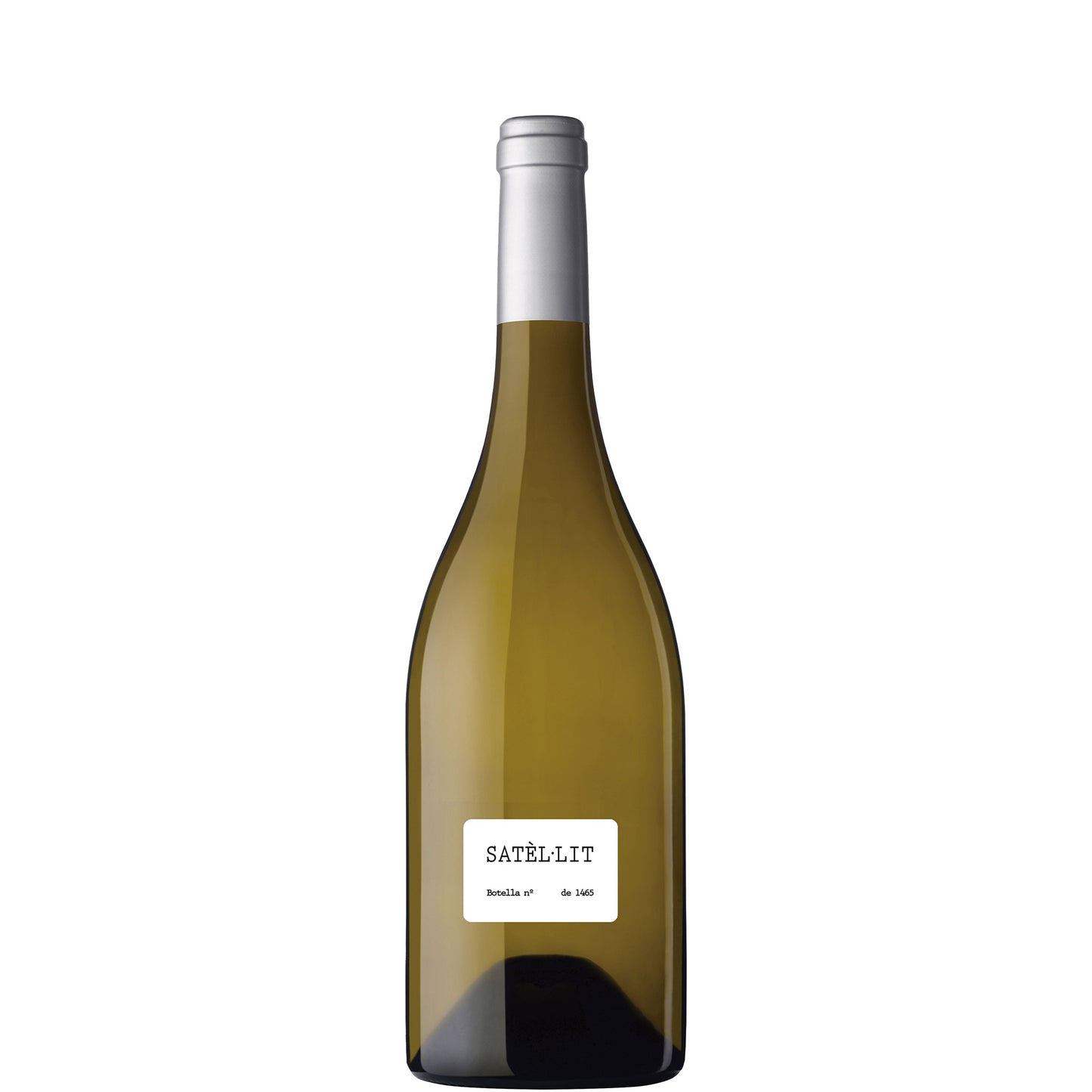
Parés Baltà, Satèl·lit Carinyena Blanca, 2023
Parés Baltà, Satèl·lit Carinyena Blanca, 2023
- 75cl
- 12%
- White Still
- Carignan Blanc
- Organic
- Biodynamic
- Vegetarian
- Vegan
Couldn't load pickup availability

Optimal drinking window: 2026 - 2029
White Carignan is one of those grapes that makes you do a double-take. Parés Baltà, one of Penedès most progressive organic estates, has bottled this rare mutation of the Carignan vine under their Satèl·lit label — a range dedicated to exploring the Catalan fringe. It's a wine that rewards curiosity: bright, saline, and alive with a stony mineral energy that feels more Atlantic than Mediterranean.
The 2023 is in fine form right now. There's white peach and bitter citrus pith on the nose, then the palate delivers a satisfying grip and a slightly waxy texture before a long, herb-tinged finish. It's a white for people who find most whites a bit too polite.
*Amongst Tim Atkin's Best Catalunyan Whites of the Year*
White Carignan is not a grape that benefits from extended cellaring, and the 2023 is at its most vivid and expressive right now. The primary fruit — peach, pear, citrus — is fresh and singing, and the saline mineral quality is at its most precise. Over the next year or two, that brightness may settle into something slightly rounder and more integrated, which won't be unwelcome, but the crispness that makes it exciting will begin to soften by 2028. We'd drink it before 2029 and not look back.
What the critics say:
Tasting Notes
AppearancePale gold with a faint green shimmer, clear and lively in the glass.
NoseWhite peach and pear skin open things up, followed by crushed stone and a squeeze of grapefruit pith. There's a dried herb quality — thyme, perhaps — that gives it a distinctly Catalan character.
PalateMedium-bodied with a pleasing textural grip, almost waxy, and a salinity that runs through from entry to finish. The acidity is bright without being sharp, and there's enough fruit weight to keep it generous rather than austere.
FinishClean, mineral, and longer than you'd expect from a wine at this price — the stony, slightly bitter citrus note lingers in a very satisfying way.
Overall impressionA genuinely rare white grape handled with quiet confidence — precise, food-friendly, and full of personality.
Food Pairings
In Catalonia, a wine like this would be exactly what you'd pour alongside esqueixada — the classic salt cod salad dressed with olives, tomato, and good olive oil, where the wine's salinity mirrors the dish beautifully. Grilled razor clams or cloïsses a la marinera, the local clams cooked with garlic and white wine, would be another natural fit. Calcots with romesco in spring, or simply a plate of anchovies from the Costa Brava with bread and tomato — pa amb tomàquet — would ask nothing more of this wine than it can comfortably give.
We think this wine would go well with
Serve well chilled at around 10-11°C, though allow it to warm slightly in the glass as it opens up and the texture becomes more apparent. No need to decant — this is a wine for pouring straight and drinking with attention. A tulip-shaped white wine glass works well, something with a slightly narrower bowl that concentrates the mineral and herbal aromatics rather than letting them dissipate.
The Satèl·lit Carinyena Blanca is grown on limestone and clay soils in the Penedès, at altitude sufficient to preserve the acidity that makes this style work. The Penedès sits between the sea and the Catalan pre-coastal range, giving a Mediterranean warmth tempered by cooling upland breezes that are vital for aromatic freshness in white varieties. Carignan Blanc responds well to this kind of stress — calcareous soils that limit vigour and push the vine to produce small, concentrated berries with a naturally saline mineral quality.
The DO Penedès is Catalonia's most versatile appellation, spanning everything from sparkling Cava base wines to structured reds and increasingly exciting whites. It covers a broad swathe of country south-west of Barcelona, from the coastal lowlands up to the high Penedès plateau above 500 metres. Unlike neighbouring Priorat, it doesn't carry the same prestige cachet, but that freedom from expectation is precisely what allows producers like Parés Baltà to experiment with unusual varieties such as Carignan Blanc without commercial pressure. Rules are relatively permissive on permitted varieties, which suits estates working with heritage and rare grapes.
Catalonia in 2023 sat within a broader Iberian pattern of heat and drought, though the region's coastal and elevated sites — Penedès climbing towards the Serra de l'Ancosa, Priorat's llicorella terraces, Montsant's altitude — offered more insulation from the worst of it than the Spanish interior. Rainfall was scarce through the growing season, stressing younger vines but concentrating flavours in old-bush Garnatxa and Cariñena that were already accustomed to pushing roots deep for moisture. Harvest came early, and growers who picked with precision rather than waiting for phenolic ripeness that the heat had already delivered found the freshness they were after.
The resulting wines lean towards structure and intensity rather than sheer volume — Priorat in particular produced reds with real density and grip, while white Garnatxa and Xarel·lo from higher Penedès sites retained the kind of saline, mineral cut that keeps the glass interesting. It is not a vintage that demands patience across the board: the whites and lighter reds are drinking well now, and the serious Priorats and Montsants will reward three to five years in the cellar, with the best drinking until 2030 and beyond.
FAQs
What does Carignan Blanc taste like?
It's not a grape many people have encountered before, which is part of the fun. Expect white peach, citrus pith, and a stony, saline mineral quality — think somewhere between a Picpoul and a lean Roussanne, but with its own distinct character. There's texture here, a slight waxiness, that gives it more presence than a light white has any right to.
When should I drink this wine?
Now is the right answer. The 2023 is fresh, precise, and expressive, and that's exactly how it should be drunk. It will hold until 2029 without drama, but this isn't a wine that gains much from waiting — it's built for pleasure, not patience.
What food should I serve with this?
Anything briny, fresh, or herb-driven works well. Salt cod, grilled clams, anchovies on toast, or simply good cheese and olives. The salinity in the wine is its greatest asset at the table — it makes everything taste more alive.
Is this wine worth cellaring?
Honestly, no — and that's not a criticism. This is a wine made to be drunk young, when its citrus freshness and mineral energy are at their peak. Open it within the next two to three years and you'll get the best of it.
How should I serve it?
Serve it cold — around 10-11°C — straight from the fridge, and let it warm slightly in the glass. No decanting needed. A narrower-bowled white wine glass will keep the aromatics focused and stop the mineral quality from getting lost.
Who is Parés Baltà?
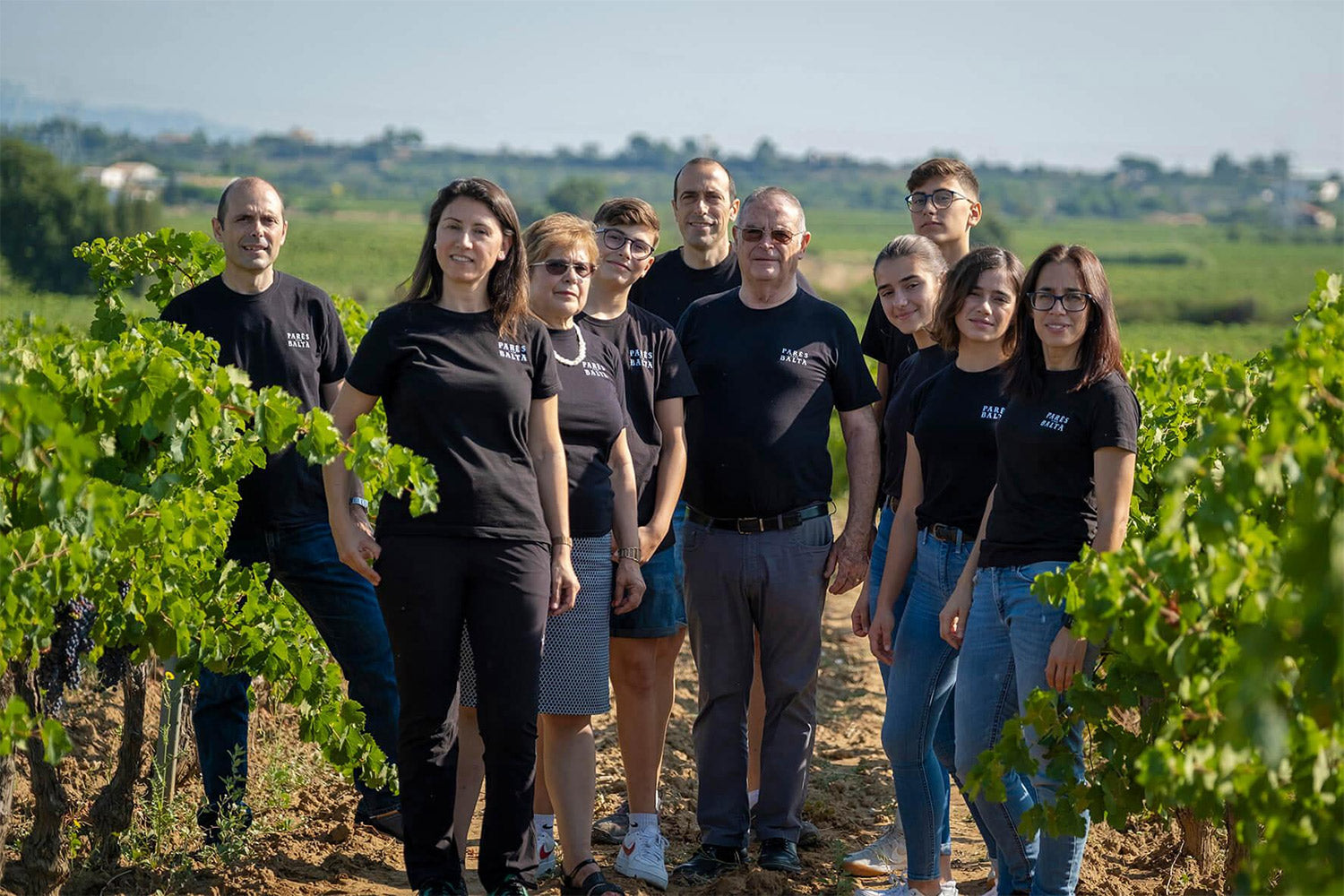
One of Catalonia's most forward-thinking organic and biodynamic estates, farming the Penedès since 1790 but very much a modern force. The Satèl·lit range is where they explore the more unusual corners of Catalan viticulture — rare varieties, unconventional styles, and wines with a real sense of place and personality.
Explore related wines


What are you looking for tonight? Tell me the occasion, a grape, a region — or just try a suggestion below.
Your recommendations will appear here.
-
-
Speak to one of our Wine Gurus
Speak to a Wine GuruWith years of experience, our team can help you with all your wine buying and selling needs