

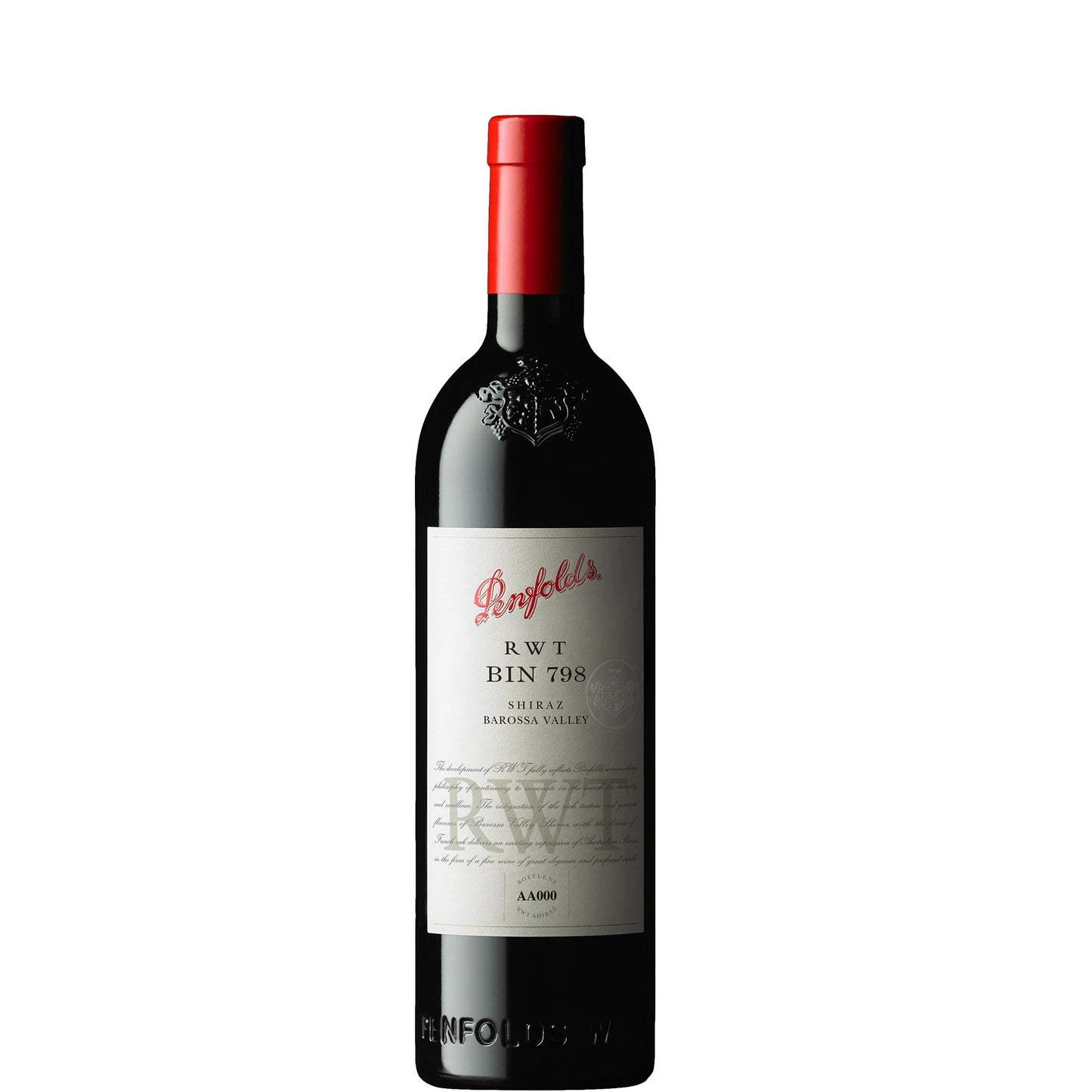
Penfolds RWT, Bin 798, 2024
Penfolds RWT, Bin 798, 2024
- 75cl
- 14.5%
- Red Still
- Shiraz
Couldn't load pickup availability
Enquire about this item

Drinking window: 2027 - 2045
Est. delivery in 2027
RWT — Red Winemaking Trial — began as an experiment in 1997 and never stopped being one of Australia's most authoritative Shirazes. Penfolds took the Barossa's natural generosity and ran it through French oak rather than the American barrels that define Grange, and the result is a wine with considerably more structural tension than its pedigree might suggest. The 2024 is deep, serious, and built to age.
What the critics say:
"There's an immediate feel of class and intensity here with a high level of sophistication. Aromas of blood plum, blackberries, bitter chocolate, walnut, mint and violets. The palate balances freshness and intensity with firm yet silky tannins, bright acidity and an unctuous, velvety mouthfeel packed with dark fruits, spice, coffee bean, ash and a ferric earthy undertone. Decades ahead here, although it's hard not to love it right now. Drink or hold."
"The 2024 RWT Bin 798 was sourced exclusively from the Barossa Valley, where the 2024 vintage performed exceptionally. The initials RWT stand for "Red Winemaking Trial," the name given to the project internally when developmental work began in the early 1990s. Now no longer a "trial," RWT Shiraz was launched in May 2000 with the 1997 vintage. Aromatically, the wine leads with a profusion of gravelly, earthy red and purple fruit, loads of tannins, pencilly oak and, just generally, loads of everything—lashings. I tend to respect the confidence of this cuvée; it is ever this way—muscly and structural, with an abundance of fruit but just as much tannin. It feels like the place more than the house. It matured for 14 months in French oak hogsheads (82% new, 18% one-year-old). 14.5% alcohol, sealed under natural cork."
"Poised intensity, slow and steady unroll of cola, liquorice, coffee beans, espresso, peony, raspberry, cherry bud, everything just so sleek and skilful, carved tannins. Peter Gago winemaker, Tom King director."
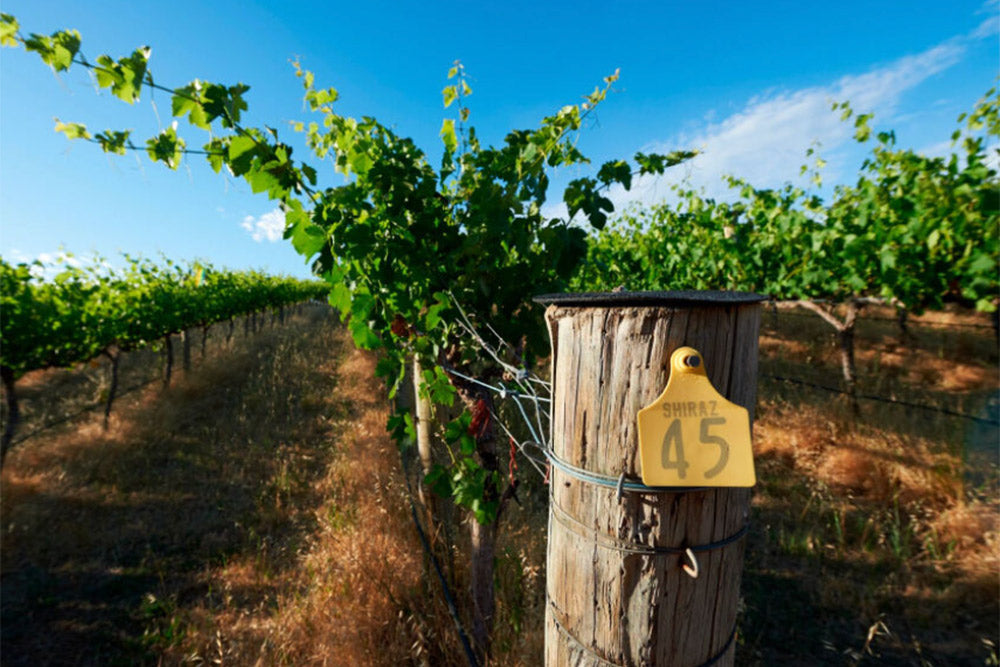
The Barossa Valley sits north of Adelaide in South Australia, with old-vine Shiraz planted on a mix of red-brown clay loam, sandy loam, and ancient ironstone soils that give the fruit its characteristic depth and structure. The continental climate delivers hot, dry summers and cool nights, concentrating flavour while retaining just enough acidity to keep the wines lively. Penfolds sources RWT fruit from old-vine parcels across the valley floor and into the Eden Valley at higher altitude, where the cooler conditions lend the final blend a lifted quality that tempers the Barossa's natural power.
The Barossa Valley is Australia's most famous wine region, a GI covering the valley floor at roughly 250 metres elevation, distinct from the cooler, higher Eden Valley to the east. There are no strict rules governing varieties or yields in the way a French AOC would impose, which gives producers like Penfolds freedom to blend across subregions and experiment with technique. Shiraz is the region's uncontested king, with vines in some parcels dating back over 150 years, and the combination of old wood and warm climate produces wines of remarkable concentration and longevity.
The 2024 vintage in Barossa Valley arrived after a growing season that kept growers on their toes. A relatively cool and drawn-out ripening period helped preserve natural acidity — something the Barossa doesn't always get for free — while avoiding the extreme heat events that have periodically hammered the region in recent years. Yields were broadly healthy, and the measured pace of the season gave growers time to pick at genuine flavour maturity rather than racing the thermometer. It is the kind of vintage where patience in the vineyard tends to show up in the glass.
The results lean toward wines with more precision and freshness than the region's blockbuster reputation might suggest. Shiraz, the obvious starting point, produced wines with real density but without the jammy weight that can overwhelm lesser vintages. Grenache and Mataro also look well-shaped, with Grenache in particular showing the pure red-fruited transparency that makes the variety so compelling in the right hands. These are early days, and the bigger Shiraz-based wines will reward patience — most serious examples will be drinking well from 2027 and many will hold comfortably until 2035 or beyond.
OUR GROWERS
Penfolds

