

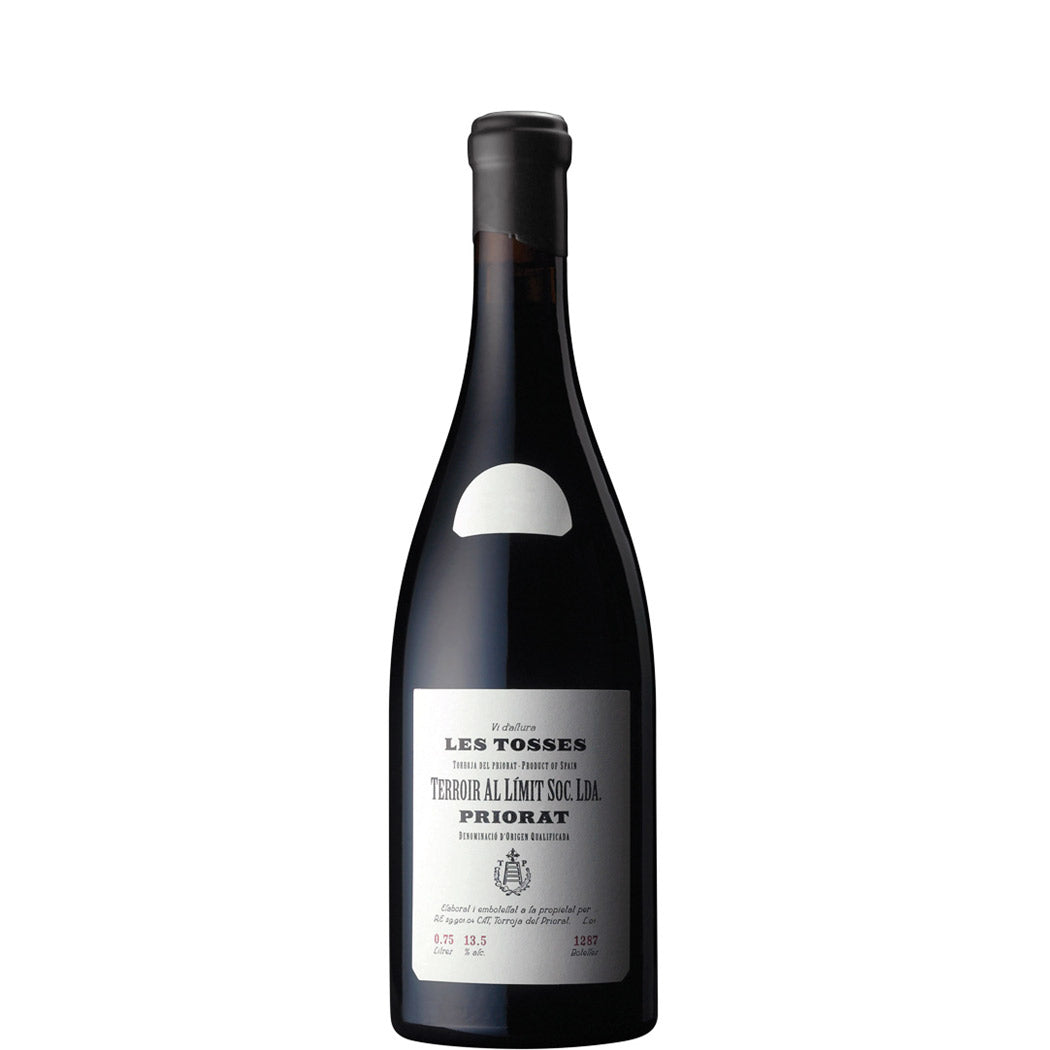
Terroir al Límit, Les Tosses, 2018
Terroir al Límit, Les Tosses, 2018
- 75cl
- 13.5%
- Red Still
- Grenache, Carignan
- Organic
- Biodynamic
- Vegan
Couldn't load pickup availability

Optimal drinking window: Now - 2035
Nothing ever compares with your first love. Especially when that love began through fate, a stolen glimpse through the trees. Might it have been destiny that steered Dominik Huber and his motorbike through the twisting and mountainous dirt roads to the tiny, 2-ha Les Tosses plot?
At 600 meters of elevation, this grand cru vineyard is not only the highest in the Torroja del Priorat village, but also the first (2003) in the Terroir Al Limit collection. It is the Matterhorn of winemaking, a challenge that must be attempted simply because it is there: 80-year-old Carignan vines, steep black slate slopes, blazing southwestern exposition. It was also love at first sight. Inspired by a cellar approach from the far-flung cool and fog-laden Burgundy hills, this wine is hand harvested, with whole cluster native fermentation, skin-kissed for two weeks, and then aged for 16 months in 1200l Stockinger fuder for 16 months.
Less extraction, lower alcohol than Priorat's old guard, whole-bunch fermentation: the result is a wine of real tension and mineral definition.
At eight years old, the 2018 Les Tosses is in a very good place right now — the primary fruit is still vivid but the wine has begun to develop the secondary complexity that makes old-vine Grenache and Carignan so rewarding. Over the next three to five years, expect the fruit to deepen and darken, the mineral and herbal elements to become more integrated and less distinct, and the tannins to soften further into the structure. By the early 2030s it should be at or near its plateau. After 2035 or so, it may begin a gradual, graceful decline — still enjoyable, but the tension and freshness that define it now will start to ease.
What the critics say:
"The pure Cariñena 2018 Les Tosses fermented in concrete with indigenous yeast, and half of the wine matured in oak foudre and the other half in concrete, as they are lowering the percentage of wine aged in oak. This is floral, aromatic and elegant, going back to the character of the 2016, when the wine almost felt like a Garnacha, fresh and elegant but also quite serious. It's nicely textured with the grainy mouthfeel from the slate soils, very tasty, clean and precise, and it finishes very long and dry. It might be a bit dizzy from the very recent bottling and should improve tremendously in bottle, as it has the balance and all the ingredients to do so. This should be long lived. It's quite compact, and this is a wine that always benefits from more time in the bottle, slowly revealing its Mediterranean character. 2,006 bottles were filled in September 2020."
"The next best thing to visiting the village of Torroja is to uncork this bottle. It may cost more than a budget flight to Barcelona, but it’s exceptional, a youthful wine already with such complexity. The palate is delicate, in contrast to many weighty Cariñenas. Finishes with a mocha note, and rich texture of tannin. Fresh but not too acidic; savoury, almost salty. The use of large old oak showcases the perfect fruit."
Tasting Notes
AppearanceDeep ruby with a garnet edge, clear and luminous without excessive depth of colour.
NoseDark cherry and dried blackberry sit alongside pressed wildflowers and sun-dried herbs — thyme, rosemary, lavender. Underneath, there is something unmistakably mineral: wet slate, iron filings, and a faint smokiness that keeps things interesting.
PalateMedium-full bodied with a silkiness that Priorat does not always deliver at this price point, the tannins fine-grained and well-integrated. Red and dark fruit, a core of graphite-like minerality, and a brightness of acidity that keeps everything lifted and precise rather than heavy.
FinishLong and saline, with a lingering mineral persistence and a dry, herb-inflected farewell.
Overall impressionA Priorat that has shed the region's old habit of trying too hard — precise, alive, and genuinely age-worthy.
Food Pairings
In the villages of the Priorat, a wine like this would be opened alongside a slow-braised botifarra sausage or a dish of mongetes — white beans cooked with pork and herbs, simple and deeply satisfying. Conill amb romesco, rabbit with the region's famous pepper and nut sauce, is a natural match for the wine's mineral grip and wild herb character. Aged Manchego or a local Montsant cheese would be equally at home. This is food that comes from the same rocky landscape as the wine — unpretentious, rooted, and surprisingly complex.
We think this wine would go well with
Serve at around 16-17°C — slightly cooler than a full-bodied red would typically be served, which lets the mineral character and acidity show rather than the alcohol. Decant for 45 minutes to an hour; the wine opens considerably with air, softening its edges without losing definition. A large-bowled Burgundy glass will serve it better than a standard Bordeaux shape, allowing the more delicate aromatic register to express itself fully.
The Les Tosses vineyard sits on steep slopes of fractured llicorella, the dark schist unique to Priorat that gives its wines their distinctive mineral, almost ferrous character. The slate reflects heat and retains warmth overnight, helping Grenache and Carignan achieve phenolic ripeness without overblown alcohol. The Mediterranean climate is moderated by altitude and the dry Cierzo wind, keeping acidity lively and pushing the vines to work hard for their water.
Priorat, or DOQ Priorat in Catalan, is one of only two Spanish regions with the highest classification of Denominació d'Origen Qualificada, the other being Rioja. Carved out of the Montsant mountains in southern Catalonia, it is defined above all by its llicorella soils and its terraced old-vine Grenache and Carignan. It earned its reputation in the 1990s through wines of almost overwhelming density and power; the more compelling story today is producers like Terroir al Límit who are coaxing elegance from the same ancient material.
Priorat in 2018 had a warm, dry growing season — not unusual for this sun-scorched corner of Catalonia — but with enough balance through the growing cycle to avoid the over-extraction and baked fruit that can dog the region in hotter years. The Garnacha and Cariñena vines, many of them ancient and deep-rooted into the llicorella slate, handled the heat with the kind of quiet resilience that makes old bush vines worth the fuss. What resulted was a harvest of genuinely ripe, concentrated fruit without tipping into the jammy excess that once gave Priorat its reputation for wines that were impressive but exhausting.
The wines from 2018 sit in a sweet spot that reflects both the vintage and a broader shift in how the region's best producers are working — less extraction, more precision, the mineral grip of the slate allowed to speak rather than buried under oak and alcohol. Garnacha in particular shows real depth here: structured but not austere, with the kind of density that rewards patience without demanding it. The top bottles are drinking well now but will continue to develop until 2028 to 2032. A very good vintage, and one that finally shows Priorat as a region of nuance rather than brute force.
FAQs
What does Les Tosses taste like?
Think dark cherry, dried wild herbs, and an iron-rich mineral quality that comes directly from the schist soils. It is medium-full bodied with silky tannins and a saline, persistent finish — more precise and lifted than classic Priorat, which makes it all the more compelling.
When is the best time to drink the 2018?
It is drinking well now and has been for a couple of years. The sweet spot is probably 2026 to 2032, though it should hold comfortably until around 2038 if stored well. If you are opening it tonight, give it an hour in a decanter.
What food works best with this wine?
It loves food with a bit of weight and earthiness: slow-cooked lamb, rabbit with romesco sauce, white bean stews with pork, or aged hard cheeses. The mineral grip cuts through fat beautifully, and the herb character mirrors anything cooked with rosemary or thyme.
How does this compare to other Priorat wines?
Terroir al Límit represents a quieter, more restrained school of Priorat — lower alcohol, more mineral definition, less extraction than the region's old-guard blockbusters. If you find classic Priorat too heavy or overpowering, Les Tosses is the wine to try. It is closer in spirit to a great Burgundy than to a Californian Zinfandel.
Is it worth cellaring?
Yes, if you have the patience. The wine has the structure and acidity to develop well over the next decade. That said, it is not an exercise in delayed gratification — it is already giving plenty of pleasure, so there is no need to wait unless you want to.
How should I serve it?
Slightly cooler than you might expect for a full red: around 16-17°C. Decant for 45 minutes to an hour and use a large-bowled glass. The cooler temperature keeps the mineral and herbal character front and centre rather than letting the alcohol dominate.
OUR GROWERS
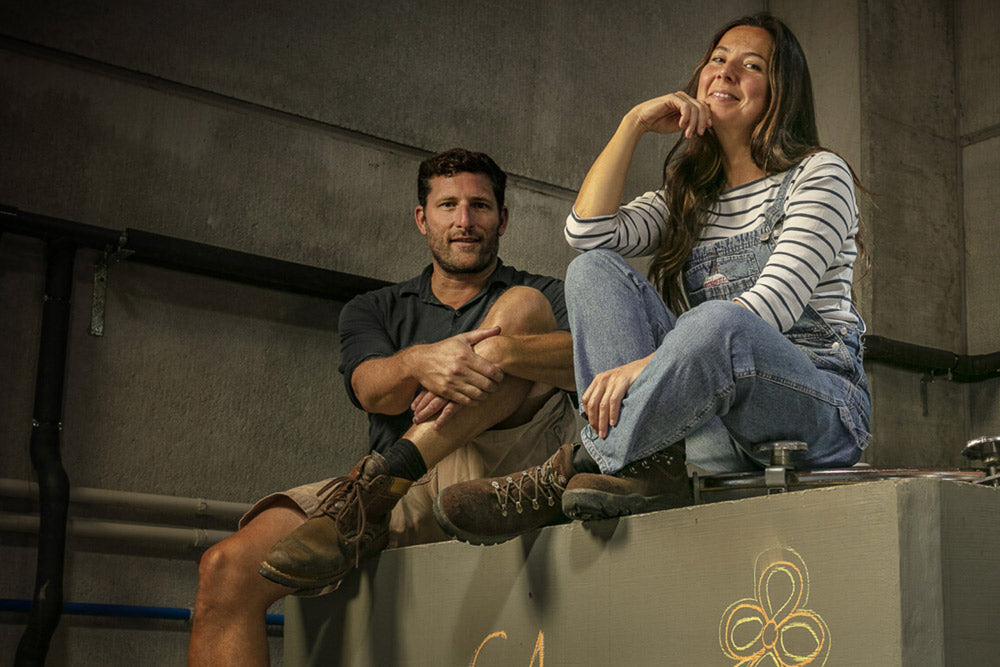
Terroir Al Limit


What are you looking for tonight? Tell me the occasion, a grape, a region — or just try a suggestion below.
Your recommendations will appear here.
-
-
Speak to one of our Wine Gurus
Speak to a Wine GuruWith years of experience, our team can help you with all your wine buying and selling needs