

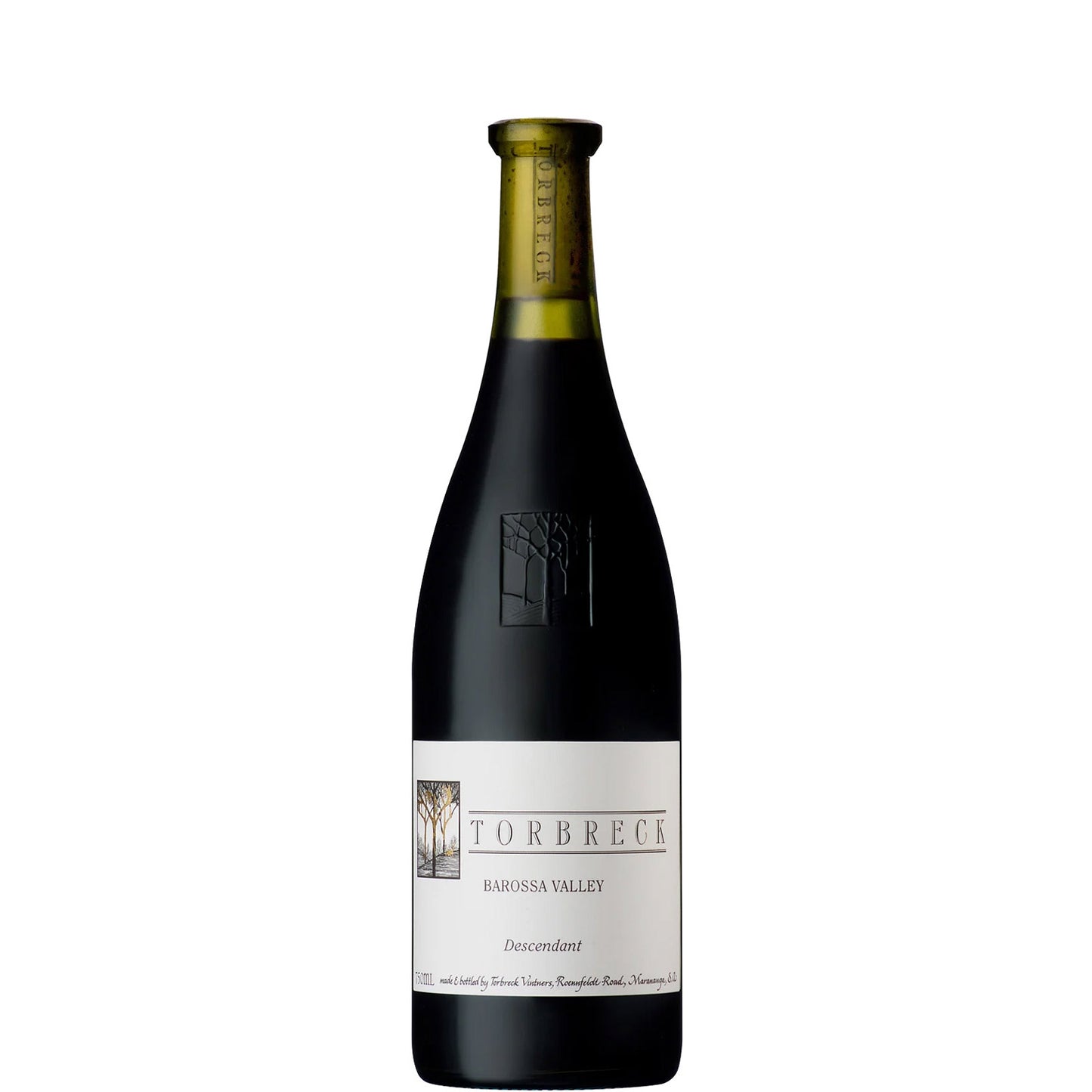
Torbreck Vintners, Descendant, 2018
Torbreck Vintners, Descendant, 2018
- 75cl
- 15%
- Red Still
- Shiraz, Viognier
Couldn't load pickup availability

Optimal drinking window: Now - 2038
This single vineyard sits right next to the winery on Roennfeldt Road and was planted back in 1994 using cuttings from Torbreck's RunRig grower sites—home to some of the oldest vine genetics in Australia.
The team at Torbreck prides itself on their close collaboration with the dedicated growers of Barossa, who provide the fruit for their wines. Their approach is one of patience, allowing the vineyards to reach peak physiological ripeness before harvesting at the optimal moment for expressing the unique qualities of each block.
Right now, the 2018 Descendant is in that rewarding middle period where the primary fruit is still vivid but the wine is beginning to show some of the textural polish and savouriness that comes with a few years in bottle. Between 2026 and 2029, expect the plum and blueberry to slowly give way to more dried fruit and leather, with the tannins continuing to integrate into something seamless. The complexity peak is probably somewhere around 2028 to 2032, when the Viognier-derived spice and the dark fruit character will have fully knitted together. Hold it well beyond that and you risk losing the freshness that makes this wine so satisfying; we'd aim to have it drunk by 2038. Patience is rewarded, but there is no need to wait a decade to start enjoying it.
What the critics say:
"What a lush, charming, wonderfully drinkable wine. The 2018 Descendant, made by fermenting Shiraz on Viognier skins, is a terrific effort, starting from its intriguing spicy, peppery aromas. Those notes are seamlessly intertwined with impressively ripe fruit scents evocative of blueberries and cherries, while the full-bodied palate is plush, creamy and supple without being unstructured or overblown. Softly dusty tannins ground the finish, lending a sense of savory balance to this beauty. Descendent is one of my favorite Torbreck bottlings year after year, and this may be the best one yet."
"Shiraz co-fermented with 8% viognier, this has aromas of spiced blackberries and dark plums with chocolate notes, too. The palate has a round, silky feel with a mouthful of spicy dark-plum flavors, wrapped around long, even tannins. Impressive now, but even better in five years."
Tasting Notes
AppearanceDeep, inky purple-ruby with a concentrated core and only the faintest hint of the violet rim beginning to soften with age.
NoseThe Viognier co-fermentation does something quietly remarkable here: it lifts the whole thing, threading white pepper and exotic spice through the dark fruit rather than sitting separately on top. Blueberry, black cherry, and dark plum are the anchors, with a savoury, almost meaty undertone that speaks to the wine's serious ambitions. There is just enough floral breath to stop it feeling heavy.
PalateFull-bodied but not a bruiser — the texture is plush and creamy, with a suppleness that feels genuinely earned rather than engineered. Dark spiced plum drives the mid-palate, supported by the kind of structure that tells you this wine has somewhere to go. The tannins are dusty and fine, providing grip without austerity.
FinishLong, savoury, and persistent, with that peppery spice returning to close the loop.
Overall impressionOne of the most complete versions of Descendant yet made, and a wine that flatters drinkers patient enough to wait another few years.
Food Pairings
In the Barossa, this is the kind of wine that ends up on the table next to a slow-roasted leg of lamb, rubbed with garlic and rosemary and left in the oven long enough that the meat falls apart at a glance. Chargrilled beef with bone marrow butter is another natural match, the wine's savoury depth meeting the fat of the meat head-on. Locally, you'd also find it poured alongside kangaroo fillet with native pepper berry, which echoes the wine's own spiced, gamey character beautifully. Hard, aged cheeses from the region's abundant dairy farms make a fine ending if dinner is winding down but the wine still has something to say.
We think this wine would go well with
Serve at around 17-18°C — too warm and the alcohol starts to dominate, too cool and the fruit retreats. In 2026, we'd decant this for at least 90 minutes; the wine is opening up but it still benefits from some air to fully unfurl its spice and lift the fruit away from the structure. A large-bowled Burgundy-style glass works well here, giving the aromatic complexity from the Viognier co-fermentation room to develop. If you're drinking it young, don't skimp on the decanting time.
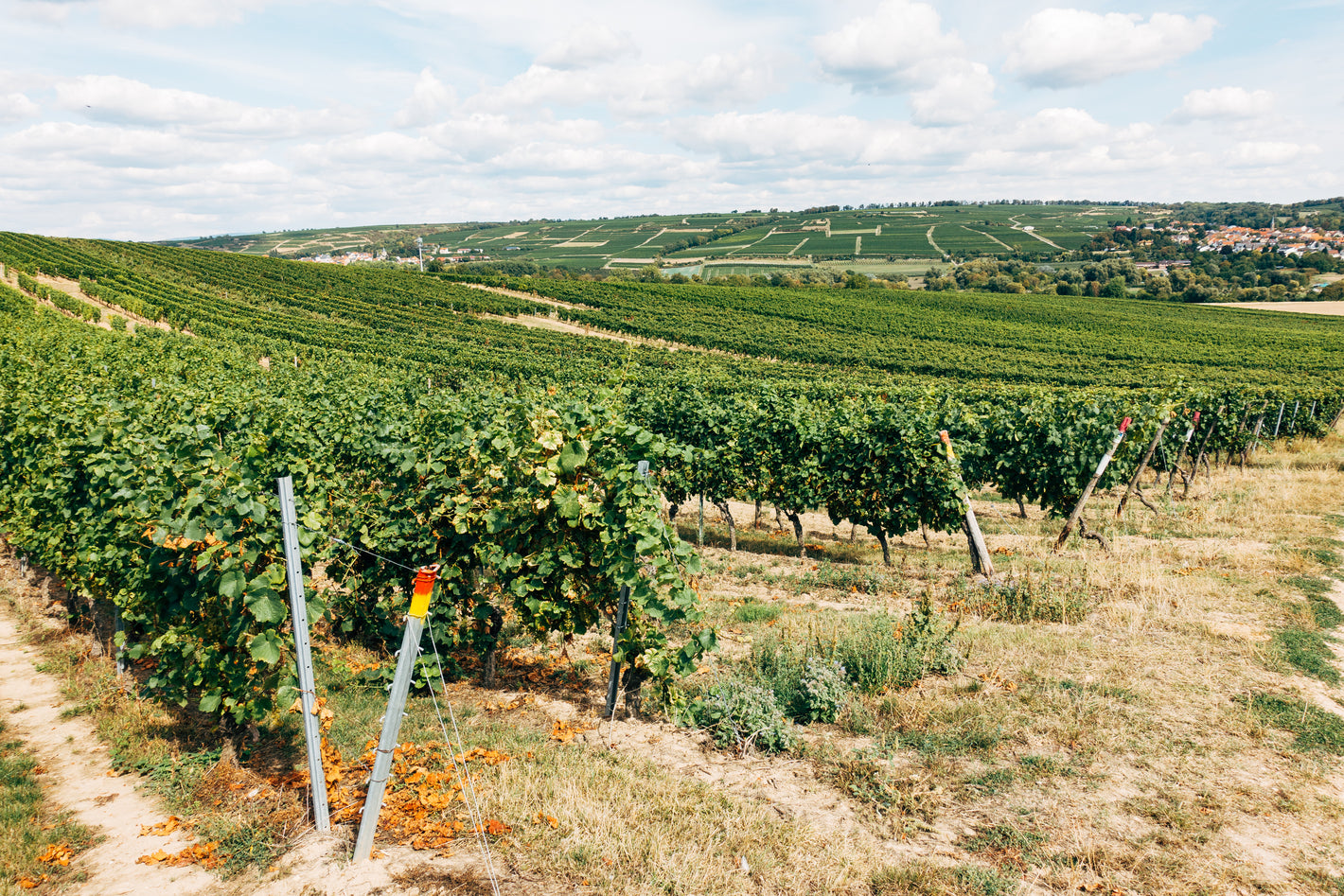
The Descendant vineyard sits directly beside the Torbreck winery on Roennfeldt Road in the Barossa Valley, planted in 1994 using cuttings taken from the ancient RunRig grower sites. The Barossa floor here is characterised by deep, free-draining sandy loam over clay subsoils, which stress the vines just enough to concentrate flavour without compromising ripeness. The valley's continental climate brings warm days and cool nights, giving the fruit its impressive depth while preserving the peppery aromatic lift that makes this wine so distinctive. Vines now over 30 years old draw from those deep clay reserves during the heat of summer, producing small, intensely flavoured berries.
The Barossa Valley is one of Australia's most storied wine regions, sitting about an hour north of Adelaide in South Australia. It has no formal appellation rules in the European sense, but its reputation rests firmly on old-vine Shiraz, Grenache, and Mataro, with some of the oldest continuously producing vineyards in the world. The valley floor is warmer and more generous in style than its elevated neighbour the Eden Valley, tending to produce wines of greater body, richness, and spice rather than the floral, cooler-climate character you find higher up. What the Barossa lacks in regulatory prescription it more than makes up for in collective identity: when the label says Barossa, you know exactly what you're getting.
The 2018 Barossa was one of those vintages that kept winemakers on their toes. A dry winter meant vine stress was already brewing before things began, then a late spring frost in October had producers lighting fires and helicopters buzzing overhead to save what they could. Summer brought relief with steady, warm conditions rather than the punishing heat waves that can flatten fruit in the valley, allowing flavours to develop without the panic of sugar racing ahead of ripeness.
What emerged was a vintage of surprising freshness for Barossa, particularly in the Shiraz that defines this place. The wines show more lift and energy than the blockbuster styles of recent memory, with tannins that grip rather than overwhelm and acidity that keeps things lively. Grenache fared especially well, producing wines with real personality rather than jammy sweetness. Most 2018s are drinking beautifully now, showing their fruit while retaining structure, though the best Shiraz will reward patience until 2028.
FAQs
What does Torbreck Descendant 2018 taste like?
It is a full-bodied Barossa Shiraz co-fermented with around 8% Viognier, which lifts and spices the wine in a way that sets it apart from a straight Shiraz. Think dark plum, blueberry, and black cherry with white pepper, exotic spice, and a creamy, supple texture. The tannins are fine and dusty rather than grippy, and the finish is long and savoury.
When should I drink this wine?
It is drinking well now in 2026 but still has plenty of development ahead. We think the sweet spot is somewhere between 2027 and 2032, when the fruit, spice, and structure will have fully come together. Hold until 2038 if you are patient, but there is no reason to wait that long.
What food should I serve with it?
Slow-roasted lamb, grilled beef with bone marrow, or anything with a bit of charred richness and fat to meet the wine's body and depth. It also works well with hard aged cheese or game dishes — the wine's own peppery, savoury character finds natural echoes there.
Should I decant the Descendant 2018?
Yes, and generously. Give it at least 90 minutes in a decanter before serving. The wine is open enough to drink without it, but decanting really does lift the spice and aromatic complexity that makes this wine special. Serve in a large-bowled glass at around 17-18°C.
Why is Viognier used in a Shiraz wine?
Co-fermenting Shiraz with a small amount of Viognier is a technique with roots in the northern Rhône, where it is used in wines like Côte-Rôtie. The Viognier skins, added during fermentation rather than as a separate wine, lift the aromatics and add a spiced, floral quality that works with rather than against the Shiraz fruit. It also helps fix colour and gives the wine a creamy, rounded texture on the palate.
Is Torbreck Descendant worth cellaring?
Absolutely, and the 2018 is one of the best versions made. With a 98-point score from Wine Advocate, it has the credentials and the structure to reward patience. We would plan to drink it between 2027 and 2038, with the peak complexity most likely arriving around 2029 to 2032.
Explore related wines


What are you looking for tonight? Tell me the occasion, a grape, a region — or just try a suggestion below.
Your recommendations will appear here.
-
-
Speak to one of our Wine Gurus
Speak to a Wine GuruWith years of experience, our team can help you with all your wine buying and selling needs