
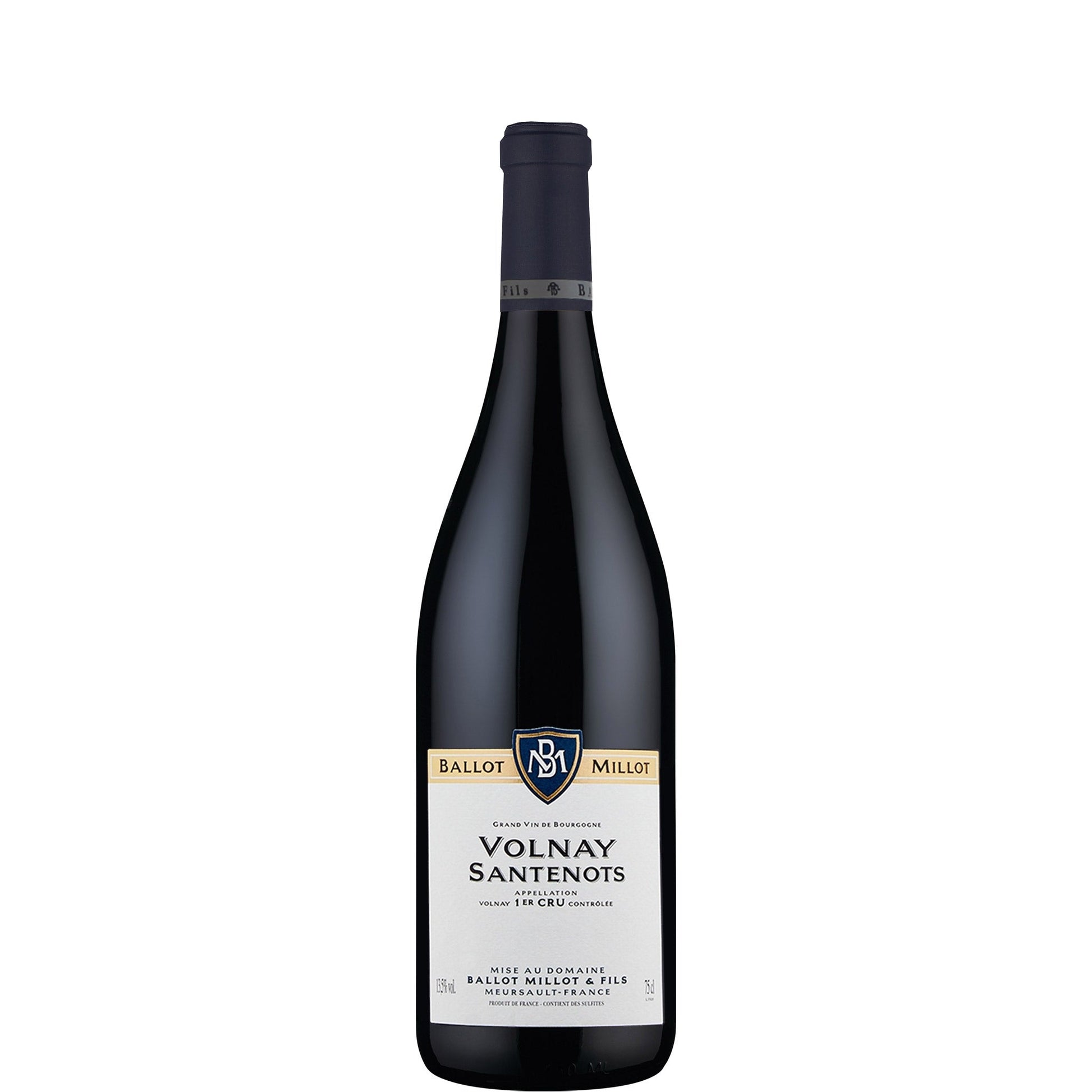
Volnay Premier Cru 'Santenots', Domaine Ballot Millot, 2020
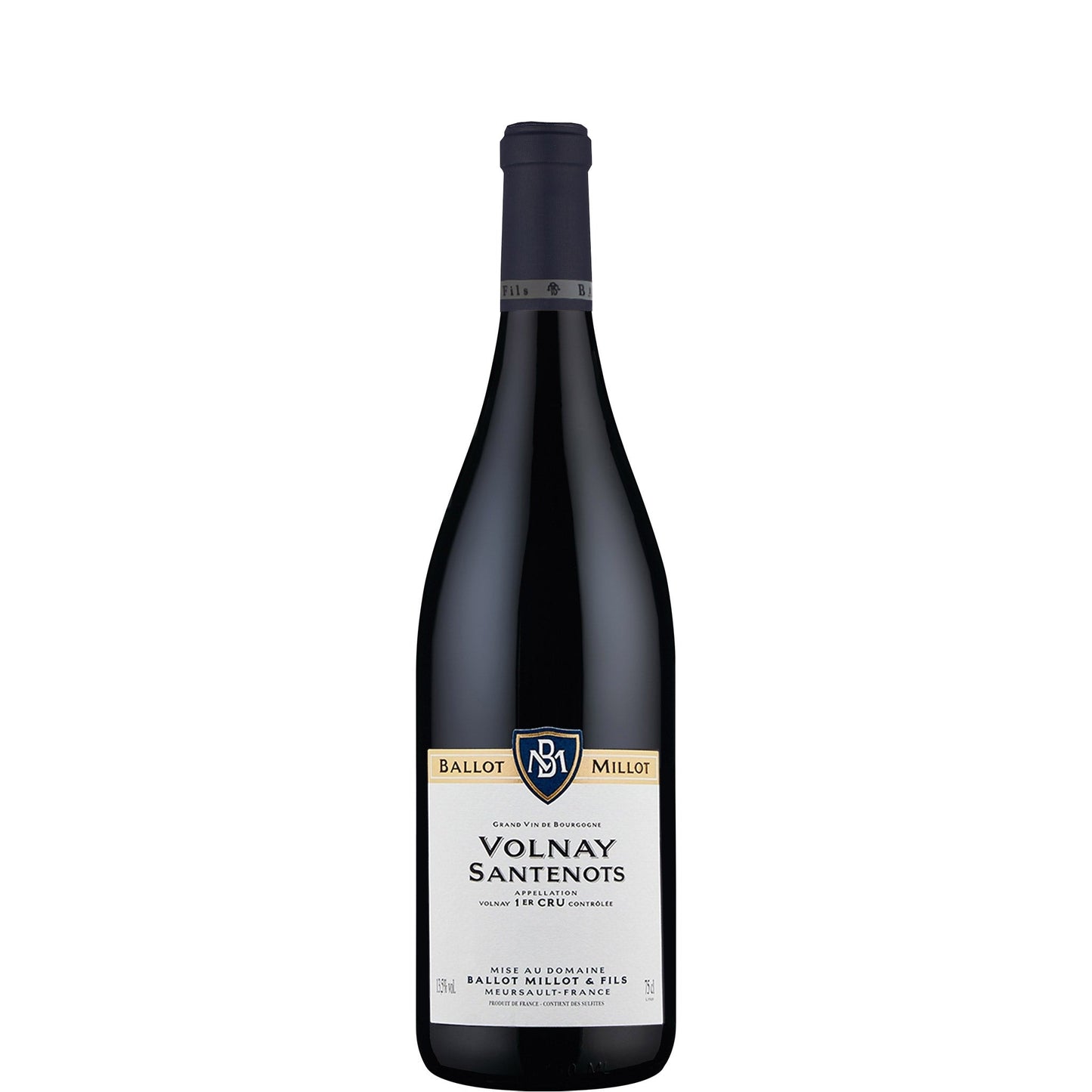
Volnay Premier Cru 'Santenots', Domaine Ballot Millot, 2020
- 75cl
- 13.5%
- Red Still
- Pinot Noir
- Organic
Couldn't load pickup availability

Optimal drinking window: Now - 2037
About Volnay Premier Cru 'Santenots', Domaine Ballot Millot, 2020
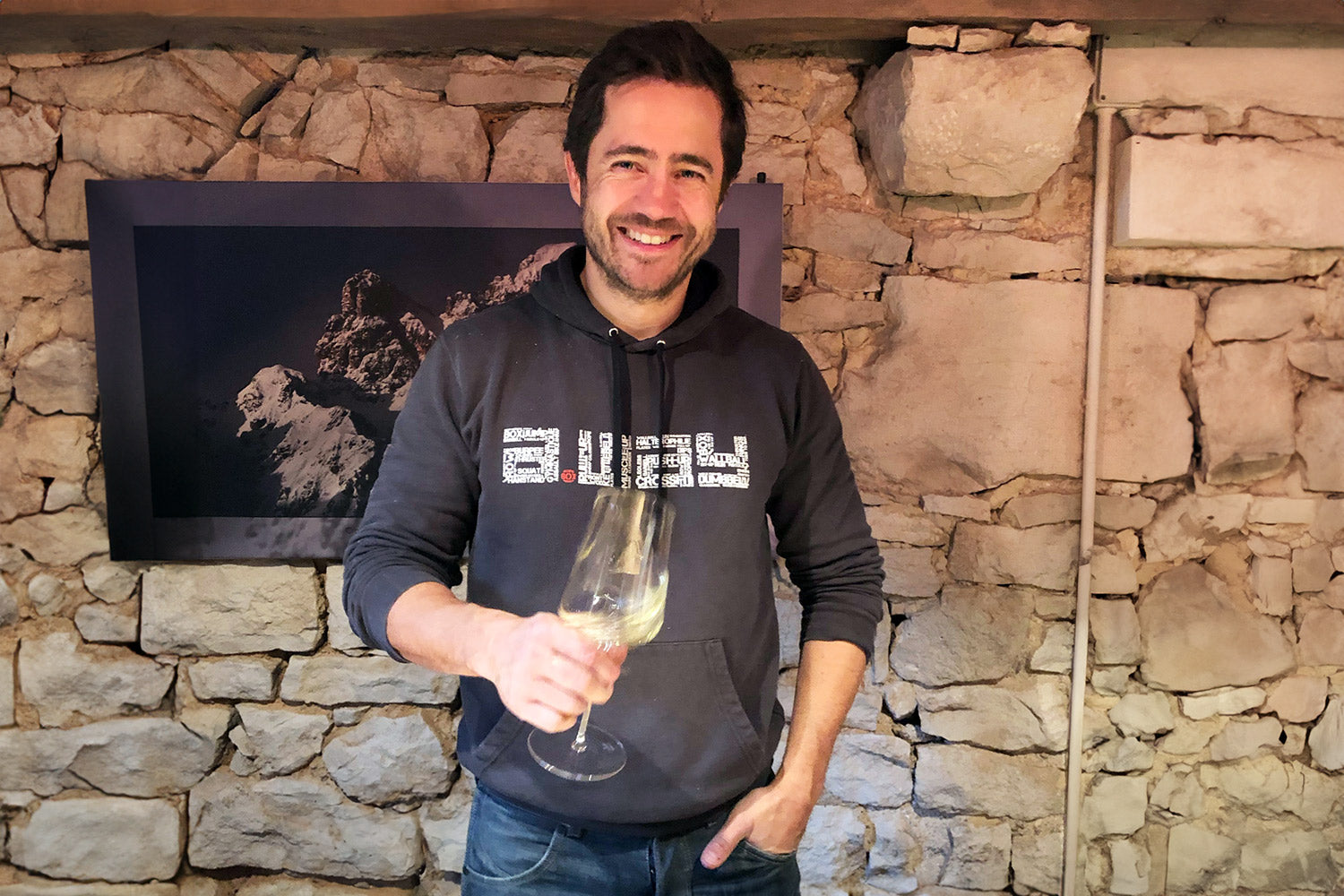
Domaine Ballot-Millot, now under the skilled stewardship of the 17th-generation vintner Charles Ballot, remains one of Meursault’s leading estates.
Charles farms the vineyards organically, whilst in the cellar, he follows the lunar cycle, allowing nature's rhythms to guide his winemaking. His guiding principle is let the terroir do the talking, and the wines are always beautifully expressive and elegant.
Currently showing primary fruit intensity with oak still integrating, this wine will begin to develop secondary complexity around 2028 when the tannins soften and earthy, sous-bois characteristics emerge. The dense fruit structure suggests it will maintain its power through a long plateau from 2030-2035, during which forest floor, leather, and spice notes will complement the core of dark fruit. By 2035, the wine may begin to show tertiary development with mushroom and truffle notes, though the exceptional depth suggests it could continue evolving gracefully beyond this point.
What the critics say:
"Exceptionally deep purple. The bouquet flirts with volatility alongside a significant density of fruit, plus slightly more prominent oak for the moment. The fruit should win through here, there is so much of it! Just racked. Long sensual finish. Tasted: October 2021"
Tasting Notes
AppearanceExceptionally deep purple with hints of ruby at the rim, showing the wine's concentration and youth.
NoseDense dark fruit dominates initially, with blackberry and plum supported by earthy minerality and subtle oak. There's a hint of volatility that adds complexity rather than detracting, suggesting the wine is still integrating after recent racking. The fruit intensity is remarkable, showing the depth that Santenots can achieve in the right hands.
PalateFull-bodied and structured, with more power than typical Volnay but wrapped in silky tannins that speak to the limestone soils. The fruit density carries through from nose to palate, with layers of dark berry fruit supported by mineral precision. Oak is present but well-integrated, providing structure rather than flavour.
FinishLong and sensual, with the mineral backbone of Santenots providing persistence and the dense fruit offering richness.
Overall impressionA Pinot Noir that showcases both power and elegance, built for the long term but showing beautiful potential even in youth.
Food Pairings
In Burgundy, a wine of this structure would be served alongside coq au vin made with the same vintage, allowing the wine's acidity to cut through the rich, wine-braised chicken. Local charcuterie from nearby Chaource, particularly the jambon persillé with its herbs and wine jelly, would complement the wine's earthy minerality. During autumn, wild boar or venison from the Côte d'Or forests, simply roasted with local herbs, would match the wine's power while respecting its elegance. The region's famous beef bourguignon, slow-cooked until tender, would be a natural pairing for special occasions.
We think this wine would go well with
Serve at 16-17°C to allow the wine's complexity to shine without overwhelming the palate with alcohol warmth. Decant for at least two hours to help integrate the oak and allow the dense fruit to open fully, though the wine will continue evolving in the glass over several hours. Use large Burgundy glasses with a wide bowl to concentrate the aromatics while providing enough surface area for proper aeration.
Santenots sits on the slopes above Meursault, where limestone-rich soils with iron-rich clay subsoils create wines of unusual structure and longevity for Pinot Noir. The vineyard's eastern exposure captures morning sun while avoiding the harsh afternoon heat, allowing for slow, even ripening. This combination of mineral-rich soils and ideal exposition produces wines that bridge the elegance of Volnay with the power and depth typically associated with the Côte de Nuits.
Volnay Premier Cru represents some of Burgundy's most refined expressions of Pinot Noir, with Santenots standing apart as the most structured and age-worthy of the commune's climats. The appellation rules require hand-harvesting and strict yield limits, while the limestone-rich soils naturally restrict vigour. Santenots technically straddles the border with Meursault, and red wines from this vineyard can be labelled as either Volnay Premier Cru Santenots or Meursault Premier Cru Santenots-du-Milieu, depending on the precise parcel location.
We'll be honest: 2020 in Burgundy was a vintage that kept everyone on their toes. A warm, dry spring brought early budbreak, then summer turned properly scorching with temperatures hitting 40°C in August. The saving grace came from perfectly timed August rains that rescued the vines from serious drought stress, followed by ideal September weather that allowed for unhurried picking. Yields were mercifully normal after several years of frost-ravaged harvests, and crucially, the heat never tipped into the jammy territory that can plague warmer vintages here.
What emerged were wines with surprising freshness despite the heat, showing ripe fruit balanced by good acidity and lovely mineral precision. The reds have more immediate charm than the structured 2019s, with silky tannins and generous Pinot Noir character, whilst the whites display beautiful richness without losing that crystalline Burgundian tension we adore. This isn't a legendary vintage like 2005 or 2010, but it's thoroughly delicious and more approachable in youth than many Burgundy vintages. The village wines are drinking beautifully now, Premier Crus are just hitting their stride, and the Grands Crus will reward patience for another five to ten years.
FAQs
What does this Volnay Premier Cru taste like?
This Santenots shows exceptional depth for Pinot Noir, with dense purple fruit, earthy minerality, and structured tannins that set it apart from typical Volnay elegance.
When should I drink this wine?
While the fruit intensity is impressive now, patience will be rewarded - the wine will be at its best from 2028 until 2040, when the tannins soften and complexity fully develops.
What food pairs well with this Burgundy?
The wine's structure calls for rich dishes like coq au vin, beef bourguignon, or roasted game birds. Wild mushroom dishes would complement its earthy minerality beautifully.
Should I decant this wine?
Yes, decant for at least two hours to allow the oak to integrate and the dense fruit to open. The wine will continue evolving in the glass throughout the evening.
How does Santenots differ from other Volnay vineyards?
Santenots produces the most structured and age-worthy wines in Volnay, with iron-rich soils that create wines of unusual power while maintaining the commune's signature elegance.
Is this wine worth cellaring?
Absolutely - this is built for the long term. The exceptional fruit density and mineral structure suggest it will reward patience for at least 15 years, developing considerable complexity over time.
Explore related wines


What are you looking for tonight? Tell me the occasion, a grape, a region — or just try a suggestion below.
Your recommendations will appear here.
-
-
Speak to one of our Wine Gurus
Speak to a Wine GuruWith years of experience, our team can help you with all your wine buying and selling needs