

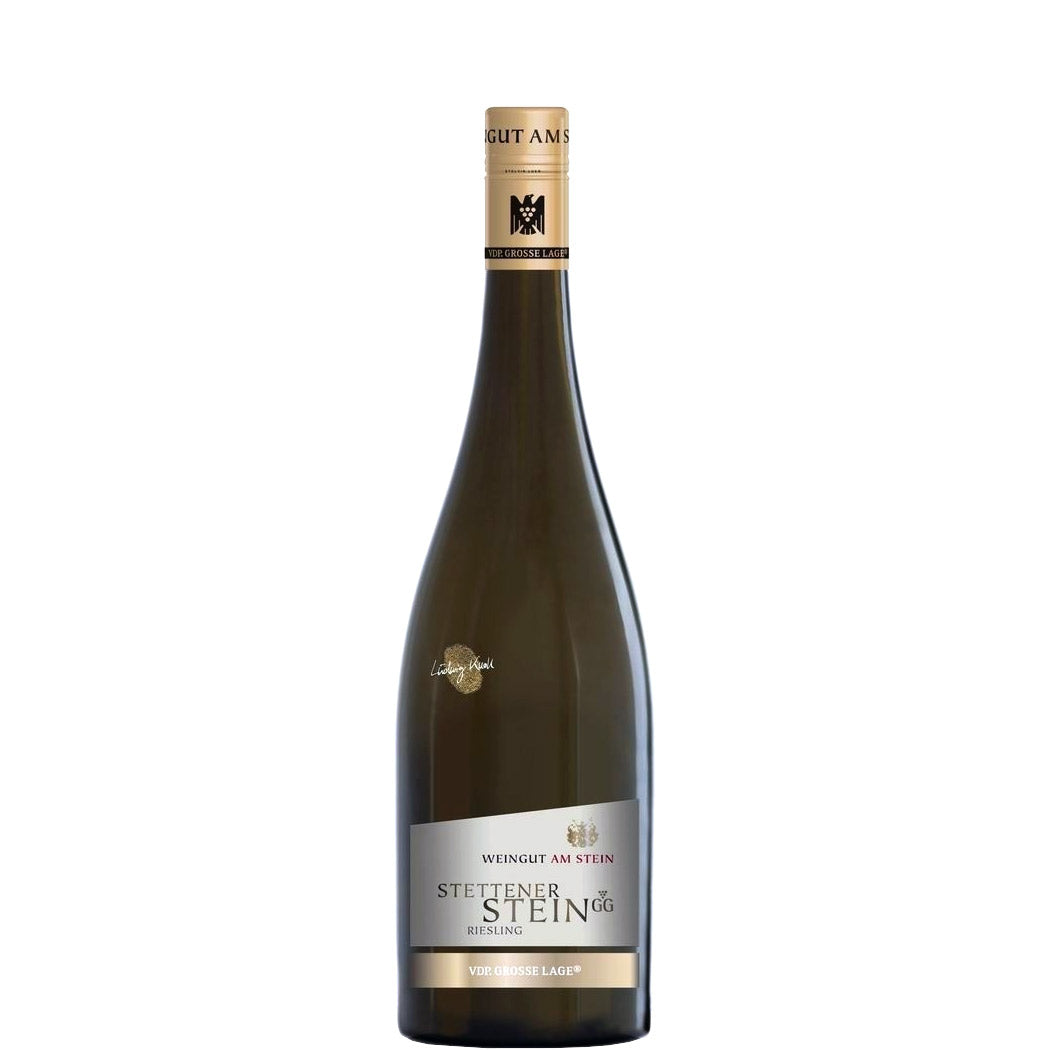
Weingut Am Stein, Stettener Stein Riesling, 2015
Weingut Am Stein, Stettener Stein Riesling, 2015
- 75cl
- 12.5%
- White Still
- Riesling
- Organic
- Biodynamic
Couldn't load pickup availability

Optimal drinking window: Now - 2040
The Stettener Stein Riesling is a remarkable white wine from the Franconia (Franken) region of Germany, produced by one of the leading estates in the area, Weingut Am Stein. This wine exemplifies the estate's dedication to crafting expressive and terroir-driven Rieslings, offering a perfect balance of fruit, acidity, and minerality.
While it has been drinking well since 2018, it's reaching its peak maturity between 2022 and 2027, offering the most complexity and depth during this period.
This 2015 is currently in its optimal drinking phase, having shed its youthful austerity whilst retaining excellent freshness and mineral drive. The primary citrus fruit has evolved into more complex honeyed notes, and the limestone minerality has become fully integrated rather than overwhelming. Over the next two to three years, we expect further development of tertiary aromatics, with hints of petrol and wet stone becoming more pronounced. Beyond 2040, the wine may begin to lose some of its characteristic precision, though the best examples from this vintage could easily hold for another few years in proper storage.
Tasting Notes
AppearancePale gold with brilliant clarity, showing its eleven years gracefully.
NoseRipe apple and lime zest mingle with developing petrol notes and wet stone minerality. There's a lovely honeyed richness emerging, along with hints of dried herbs and white flowers that speak to the wine's maturity.
PalateMedium-bodied with excellent concentration, the fruit has integrated beautifully with the mineral backbone. Crisp acidity keeps everything fresh while flavours of baked apple, citrus pith, and distinctive sandstone minerality unfold. The texture has gained complexity without losing precision.
FinishLong and mineral-driven with lingering citrus and a distinctive earthy aftertaste that marks this as distinctly Franconian.
Overall impressionA mature Riesling showing the rewards of patience, now at its peak drinking window.
Food Pairings
In Franconia, this would be the perfect match for the region's famous white sausages, Weisswurst, served with sweet mustard and pretzels. The wine's minerality and acidity cut through rich local dishes like Sauerbraten or roasted pork with sauerkraut beautifully. Local river fish from the Main, particularly pike-perch or carp prepared simply with herbs, showcase the wine's delicate fruit without overwhelming its precision. The Franconians also prize this style with their excellent local cheeses, especially the tangy Mainzer cheese that echoes the wine's own mineral intensity.
We think this wine would go well with
Serve well-chilled at 8-10°C to preserve the wine's crisp acidity and mineral precision. No decanting needed, though we'd open it thirty minutes before serving to allow the mature aromatics to fully develop. Use a medium-sized white wine glass with a slightly tapered rim to concentrate those subtle limestone notes. This wine benefits from being served alongside food rather than on its own, as the mineral intensity can be quite pronounced without culinary accompaniment.
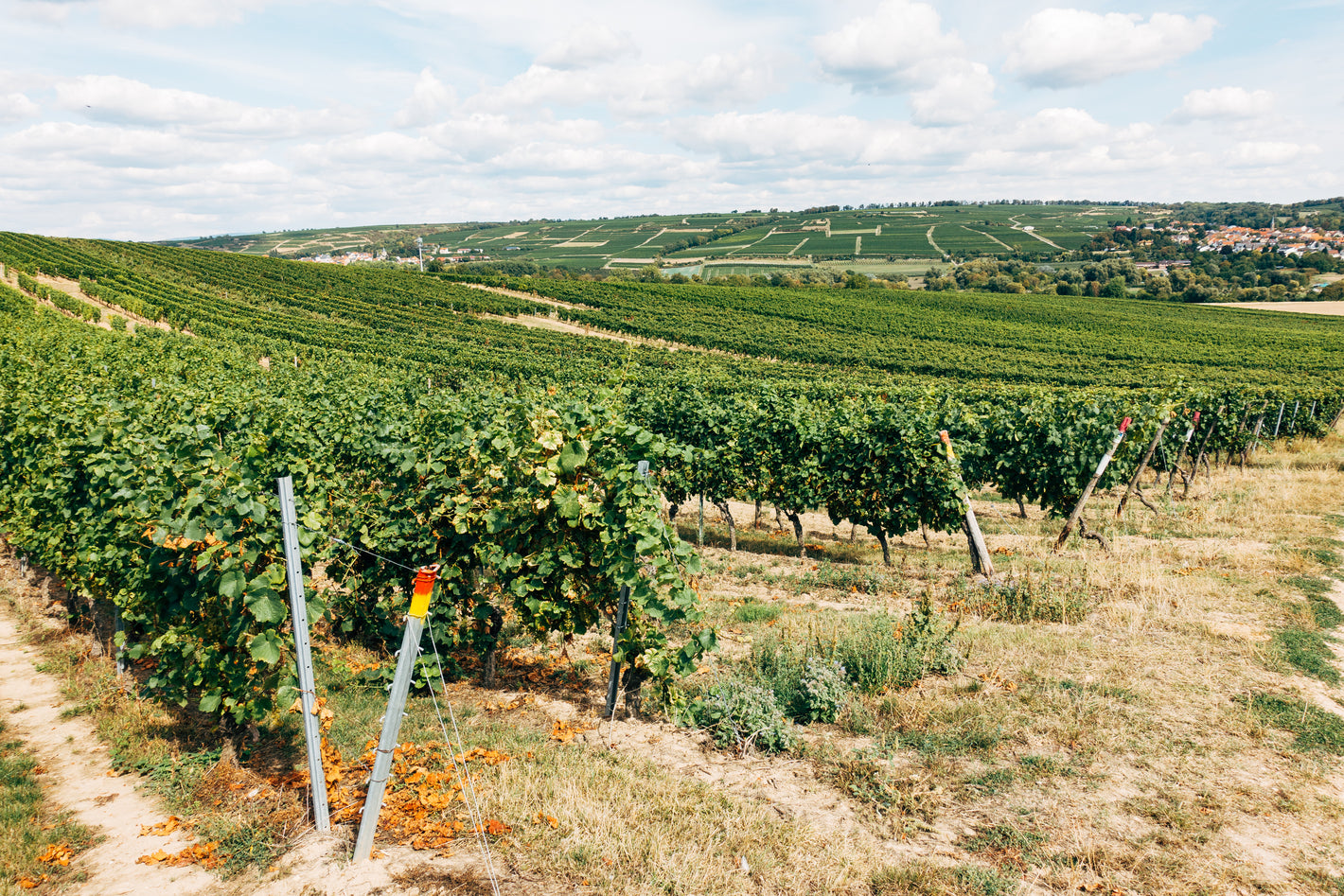
The Stettener Stein vineyard sits on steep slopes of pure Muschelkalk limestone, the same geological formation that gives the site its name. These ancient marine sediments create extremely well-draining soils that stress the vines, concentrating flavours whilst imparting that distinctive saline minerality. The south-facing exposure maximises ripening potential in this northern climate, whilst the limestone's heat retention helps maintain crucial acidity. This combination of challenging terrain and mineral-rich soils produces Rieslings of remarkable tension and longevity.
Franconia, or Franken, stands apart from Germany's other wine regions with its distinctive dry style and mineral-driven character. The region's Muschelkalk limestone soils produce wines of marked salinity and precision, quite different from the fruit-forward styles of the Mosel or Rheingau. Franconian wines are traditionally bottled in the region's distinctive Bocksbeutel flask, and the best sites like Würzburger Stein have been prized since medieval times. The continental climate demands careful site selection, with only the steepest, most protected slopes producing wines of real distinction.
Franconia's 2015 growing season delivered exactly what winemakers in this northern German region dream about: a warm, dry summer that allowed the Silvaner and Müller-Thurgau to ripen properly without the rushed panic that cooler years can bring. The extended hang time meant flavours developed fully while retaining the mineral backbone that makes Franconian whites so distinctive, particularly from the shell limestone soils around Würzburg. Harvest began earlier than usual but proceeded at a civilised pace, giving producers time to pick each parcel at optimal ripeness.
The wines show real concentration without losing their characteristic freshness—think ripe stone fruit wrapped in that distinctive Franconian minerality rather than the leaner, more austere profile of cooler years. Silvaner particularly shines, with a richness and depth that makes it compelling drinking right now, though the best examples will continue developing until 2028. We find the 2015s strike that sweet spot where they're already giving pleasure but haven't started their inevitable decline, making them perfect for anyone wanting to understand what this underrated region can achieve when everything aligns.
FAQs
What does this Riesling taste like?
It's intensely mineral with bright citrus and stone fruit flavours, backed by crisp acidity and a distinctive saline finish that comes from the limestone soils.
How does Franconian Riesling differ from other German regions?
Franconian Rieslings are typically dry and mineral-driven, quite different from the sweeter, more fruit-forward styles of regions like the Mosel. The limestone soils here create wines with marked salinity and precision.
When should I drink this 2015 vintage?
It's drinking beautifully now and over the next few years. At eleven years old, it's reached perfect maturity with integrated fruit and full mineral expression.
What food pairs well with this wine?
Excellent with rich German fare like roasted pork or sausages, as well as river fish and tangy local cheeses. The high acidity and mineral backbone cut through fatty foods perfectly.
How should I serve this wine?
Serve well-chilled at 8-10°C in medium-sized white wine glasses. Open thirty minutes before serving to let the mature aromatics develop, and pair with food to balance the intense minerality.
Is this wine worth cellaring further?
It's at its peak now but will hold well for another 2-4 years. Beyond that, you risk losing the precision and freshness that makes Franconian Riesling so distinctive.
OUR GROWERS
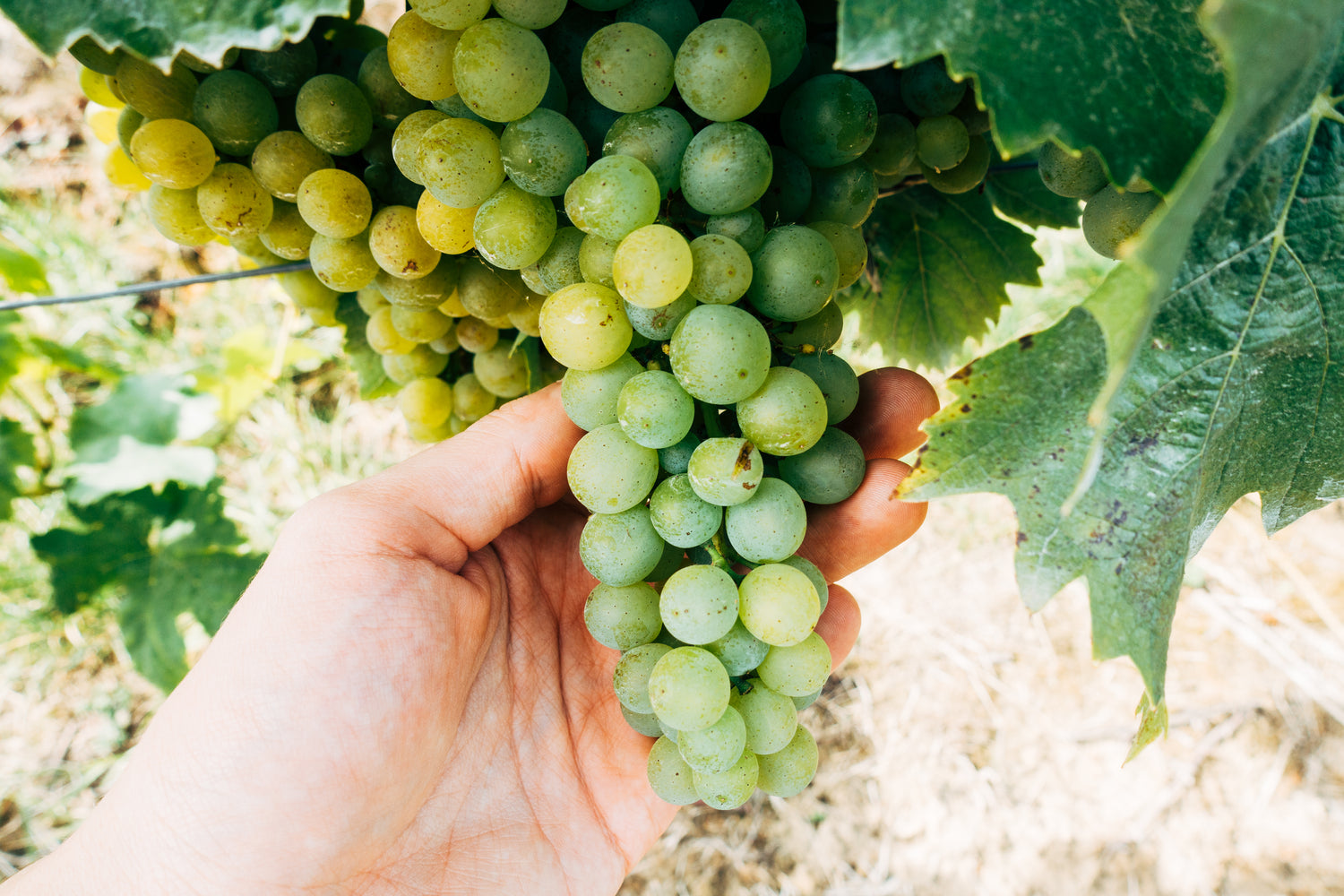
Weingut Am Stein


What are you looking for tonight? Tell me the occasion, a grape, a region — or just try a suggestion below.
Your recommendations will appear here.
-
-
Speak to one of our Wine Gurus
Speak to a Wine GuruWith years of experience, our team can help you with all your wine buying and selling needs