
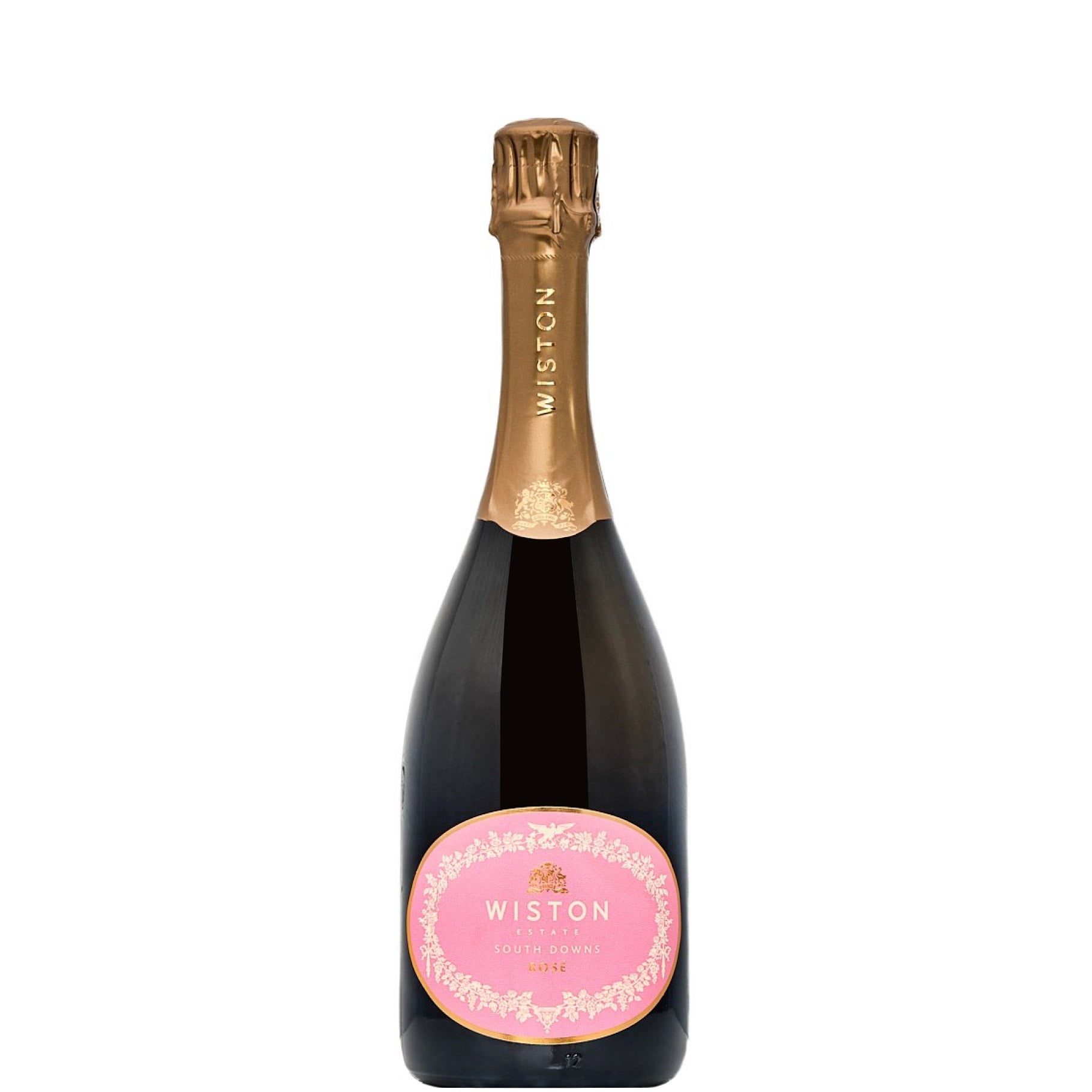
Wiston Estate, Rosé, 2014
Wiston Estate, Rosé, 2014
- 75cl
- 12%
- Rosé Sparkling
- Chardonnay, Pinot Meunier, Pinot Noir
- Vegetarian
- Vegan
Couldn't load pickup availability

Optimal drinking window: 2026 - 2032
About Wiston Estate, Rosé, 2014
“Wiston is one of the UK’s best producers and their sparklers genuinely give champagne a run for their money (and I write that as a person that criticized the category for many years).”
Neal Martin
“Another great addition to the English fizz stable."
Richard Hemming
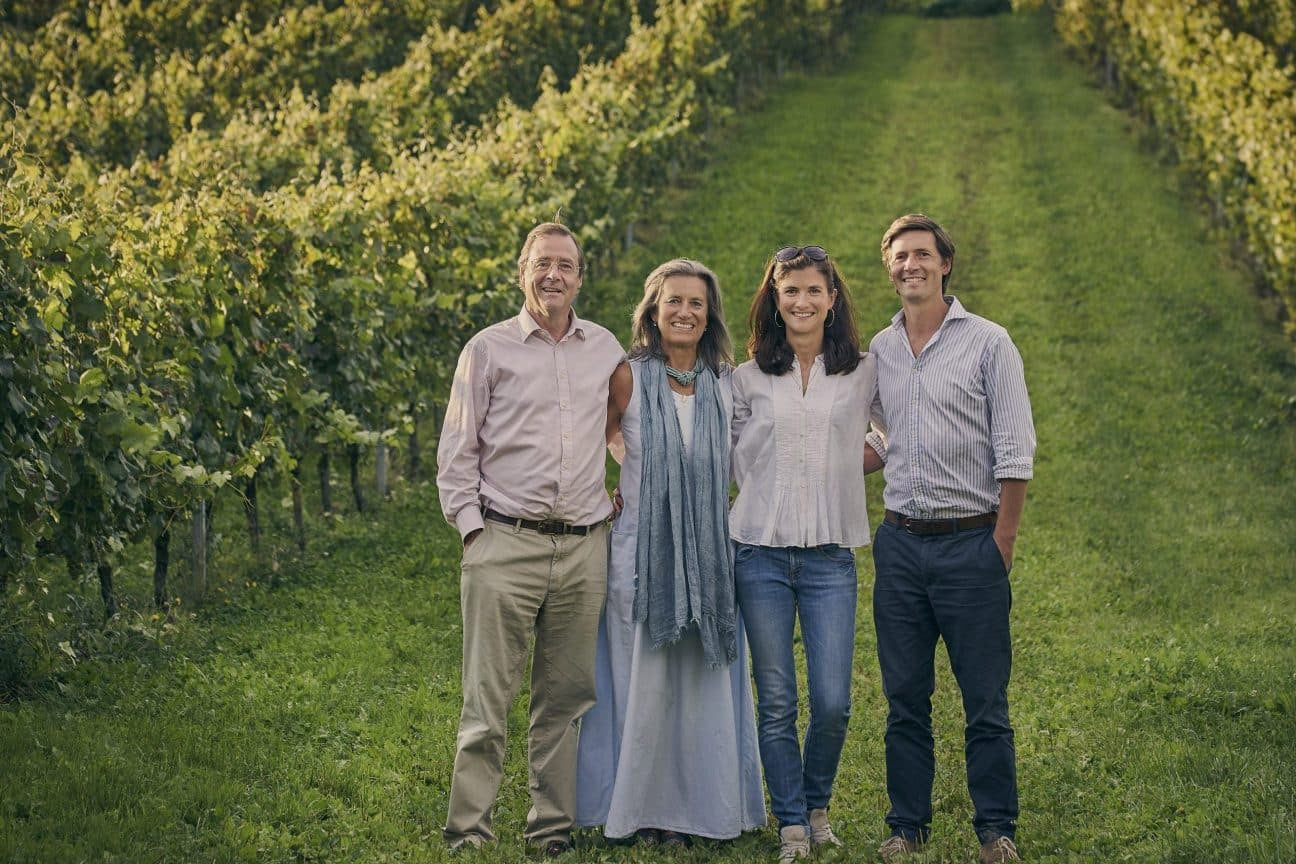
Wiston Estate has been owned and managed by the Goring family since 1743, and owners Harry and Pip have planted grapes on the fields since 2008. Its 6,000 acres straddle the chalky slopes of the South Downs and the flat clay soils of the Weald. The traditional Coquard press at Wiston is one of only four outside of France and is unique to the UK. Its large surface area and exceptionally gentle pressing enables extraction of the very highest quality. The estate has won numerouos awards for their sparkling wines and were dubbed ‘Winery of the Year’ at the WineGB Awards in 2018 (the most important competition for the English and Welsh Wine Industry.)
Their Rosé is 68% Pinot Noir, 22% Pinot Meunier and just 10% Chardonnay. Two-thirds of this cuvée was fermented and aged in oak barrels, giving texture and elegance to this fruit-forward wine, which displays exotic, spicy characters and extraordinary complexity.
At twelve years old, this wine has reached a beautiful drinking plateau where primary fruit remains vibrant whilst secondary complexity has fully emerged. The redcurrant and citrus flavours are now perfectly integrated with the oak and lees influence, creating harmonious layers of flavour. Over the next few years, expect the fruit to become more mellow whilst the mineral backbone becomes more prominent, and the exotic spice notes to become more pronounced. The wine should hold this peak expression until around 2030, after which the fruit may begin to fade whilst tertiary honeyed and nutty characters develop. By 2032, it will still be drinking well but with less vibrancy and more mature, evolved flavours.
What the critics say:
"Evocative redcurrant notes play on the nose. They become more intense on the palate where lively fizz lets them mix with lemon and pink grapefruit zestiness. This wine is lively and fresh but the exuberant surface is supported by a firm and taut structure of subtle autolysis that provides the perfect backdrop for all the tart, refreshing berry fruit. It offers freshness, joy and verve in one tidy, neat package. Lovely now, it will develop."
Tasting Notes
AppearancePale salmon pink with persistent, fine bubbles forming delicate mousse.
NoseEvocative redcurrant leads, becoming more intense with air, supported by pink grapefruit zest and subtle spice. The oak influence shows as gentle vanilla and brioche, whilst extended lees contact adds complexity without overwhelming the fruit. There's an exotic edge that speaks to the wine's twelve years of development.
PalateLively fizz carries the redcurrant and citrus flavours with precision, the fruit tart and refreshing but supported by a firm, taut structure. The oak-aged portion provides texture and weight, whilst subtle autolysis adds depth and sophistication. The balance between exuberant surface fruit and underlying complexity is masterful.
FinishLong and fresh with lingering berry fruit and a mineral backbone that speaks to the chalk soils.
Overall impressionA wine that offers immediate joy whilst revealing serious winemaking and terroir expression.
Food Pairings
In West Sussex, this would naturally accompany the county's famous lamb from the South Downs, the meat's sweetness complementing the wine's redcurrant fruit. Local seafood from the nearby coast - Dover sole, crab, or freshly shucked oysters from Chichester Harbour - would highlight the wine's minerality and acidity. Traditional English dishes like roast chicken with herbs, or a proper ploughman's lunch featuring local cheeses such as Beenleigh Blue or Sussex Slipcote, would showcase both the wine's elegance and its ability to cut through rich flavours. The region's autumn game, particularly pheasant or partridge, would marry beautifully with the wine's spicy complexity and structure.
We think this wine would go well with
Serve well-chilled at 6-8°C in flute or white wine glasses to appreciate both the mousse and aromatic complexity. No decanting required - this wine benefits from being opened and poured immediately to preserve the delicate bubbles. Allow it to warm slightly in the glass to reveal the full spectrum of flavours and the oak influence. Store bottles on their side in a cool, dark place if cellaring further.
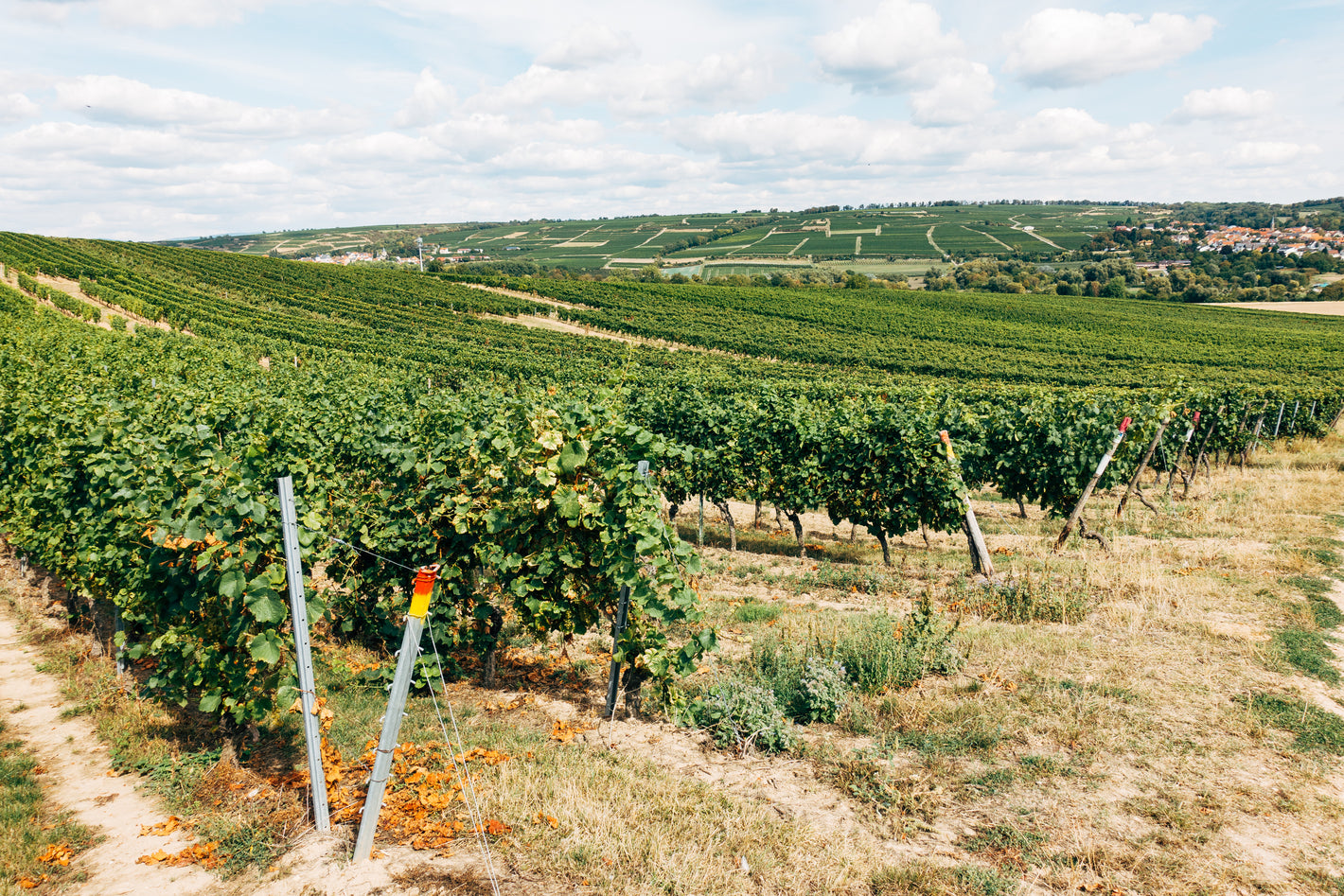
Wiston's vineyards span two distinct geological zones: the chalky slopes of the South Downs and the flat clay soils of the Weald. The chalk provides excellent drainage and mineral backbone, similar to Champagne's best sites, while reflecting sunlight to aid ripening. The maritime climate of West Sussex offers long, cool growing seasons that preserve acidity whilst allowing gradual flavour development. This geological diversity allows the Gorings to craft wines with both finesse and structure.
West Sussex has emerged as England's premier sparkling wine region, benefiting from the same chalk downland that runs under the English Channel to Champagne. The South Downs provide ideal south-facing slopes with excellent drainage, whilst the maritime climate offers the long, cool growing seasons essential for premium sparkling wine production. Sussex producers like Wiston have proven that English fizz can rival Champagne, with many estates now achieving international recognition. The region's combination of chalk soils, optimal climate, and investment in traditional winemaking methods has established it as one of the world's most exciting cool-climate wine regions.
The 2014 growing season in West Sussex delivered exactly what English sparkling wine producers dream of: steady ripening without drama. A mild spring got things moving early, followed by a warm, dry summer that let the grapes develop slowly and evenly. September stayed fine and dry through harvest, allowing producers to pick at leisure rather than racing against rain clouds.
What emerged were sparkling wines with real backbone and precision - the acidity stayed bright while flavours deepened properly. Chardonnay performed particularly well, developing the kind of creamy richness that gives English fizz its character, whilst Pinot Noir added structure without the green edges that can plague cooler years. These wines hit their stride around 2018 and are drinking superbly now, though the best examples will happily cellar until 2028.
FAQs
What does this rosé sparkling wine taste like?
It leads with bright redcurrant and pink grapefruit flavours, supported by spicy complexity from oak ageing and exotic notes from twelve years of development. The bubbles are lively and persistent, with a firm mineral backbone from the chalk soils.
When should I drink this 2014 vintage?
It's drinking beautifully now at twelve years old, having reached perfect maturity where fruit and complexity are in harmony. It will continue to reward patience until 2032, though it's arguably at its peak currently.
What food pairs well with this wine?
Excellent with seafood like oysters, crab, or Dover sole, roast chicken with herbs, or local Sussex cheeses. The wine's structure and spice also complement game birds like pheasant or partridge beautifully.
How should I serve this sparkling wine?
Serve well-chilled at 6-8°C in flute or white wine glasses. Open and pour immediately to preserve the delicate bubbles, then allow it to warm slightly in the glass to reveal its full complexity.
Is this wine worth cellaring further?
While it will keep until 2032, it's arguably at its peak now with perfect balance between fruit vibrancy and developed complexity. Drink sooner rather than later to enjoy it at its most expressive.
How does this compare to Champagne?
This wine demonstrates that English sparkling wine can genuinely rival Champagne, with similar chalk soils, traditional methods, and a Coquard press used by top Champagne houses. The quality and complexity justify the comparison that critics like Neal Martin have drawn.
Explore related wines


What are you looking for tonight? Tell me the occasion, a grape, a region — or just try a suggestion below.
Your recommendations will appear here.
-
-
Speak to one of our Wine Gurus
Speak to a Wine GuruWith years of experience, our team can help you with all your wine buying and selling needs