

Blandy's, 10 year old, Bual
Blandy's, 10 year old, Bual
- 75cl
- 19%
- Fortified
- Bual
Couldn't load pickup availability

Optimal drinking window: 2026 - 2060
Madeira is one of wine's great immortals, and Bual is arguably its most satisfying middle act — richer than Verdelho, more alive than Malmsey, with a tension between sweetness and acidity that makes it genuinely compelling rather than merely indulgent.
Blandy's 10 Year Old is a solera-aged blend, which means it carries within it wines of many ages, all nudging each other towards something more complex than any single vintage could manage on its own. The result is a wine of toffee, roasted nuts, and dried stone fruit, with that signature Madeiran zing running through it like a wire.
We think this is one of the most underrated bottles you can open after dinner. It doesn't need food, but it rewards a good conversation.
As a solera-aged blend, this wine is already at a point of considerable complexity and is drinking very well right now. Unlike vintage Madeira, it won't develop in a linear arc so much as it will slowly deepen — the oxidative and rancio notes becoming more pronounced, the dried fruit more concentrated, the finish longer and more savoury over the next decade or two. If you cellared a bottle for fifteen or twenty years it would reward you with something even more layered and intense, though you would sacrifice none of the freshness that makes it enjoyable today. There is no real plateau to worry about; Madeira simply does not decline in the conventional sense. A bottle laid down now would still be alive and interesting in 2060, and probably well beyond.
What the critics say:
"Sugar and alcohol are superbly integrated in this Bual that balances rich flavours of red apple, walnut & pumpkin jam, quince and maraschino cherries with a thick vegetal rim of coffee, caramel, tobacco and cherry leaves. High notes of mahogany, cherry jam and Earl Grey-infused poached plums add both lift and depth."
Tasting Notes
AppearanceDeep amber-mahogany with a bright, burnished edge that catches the light like old caramel.
NoseRoasted hazelnuts and walnut skin come first, then dried apricot, Seville orange peel, and a suggestion of cold coffee. There is a lovely rancio quality — that slightly waxy, aged-spirit depth — that tells you this wine has been somewhere interesting before it reached your glass.
PalateMedium-rich but never cloying: the sweetness arrives in toffee and dried fig, then the acidity cuts through cleanly and keeps everything in motion. Toasted almond, preserved lemon, and a faint smokiness from the volcanic soils give the mid-palate real texture and presence.
FinishLong, bright, and slightly saline, with a lingering nuttiness that makes you want another sip almost immediately.
Overall impressionA wine of genuine character and extraordinary resilience — medium-rich, mouth-watering, and impossible to tire of.
Food Pairings
On Madeira itself, Bual is the natural partner to bolo de mel — the island's dense, spiced molasses cake that is handed around at Christmas and tastes better than it has any right to. Locals also drink it alongside queijo da ilha, the firm, sharp cow's milk cheese made on the island, where the salt and fat are a perfect foil for the wine's sweetness and acidity. Further afield, the Madeiran tradition of pairing it with rich liver dishes — espetada de fígado, calf's liver with onions — works wonderfully, the wine's acidity cutting through the richness. A plate of Azorean smoked sausage and dried figs alongside a small glass is as good an ending to a meal as we know.
We think this wine would go well with
Serve lightly chilled, around 12-14°C — cold enough to sharpen the acidity, warm enough to let the aromatic complexity open up. No decanting needed; Madeira is essentially indestructible once in the bottle and arrives ready to pour. A medium-sized tulip glass or a standard white wine glass works well, giving the nose room without letting it dissipate too quickly. Once opened, the bottle will keep happily for weeks, even months, in a cool, dark place — one of Madeira's most practically useful qualities.
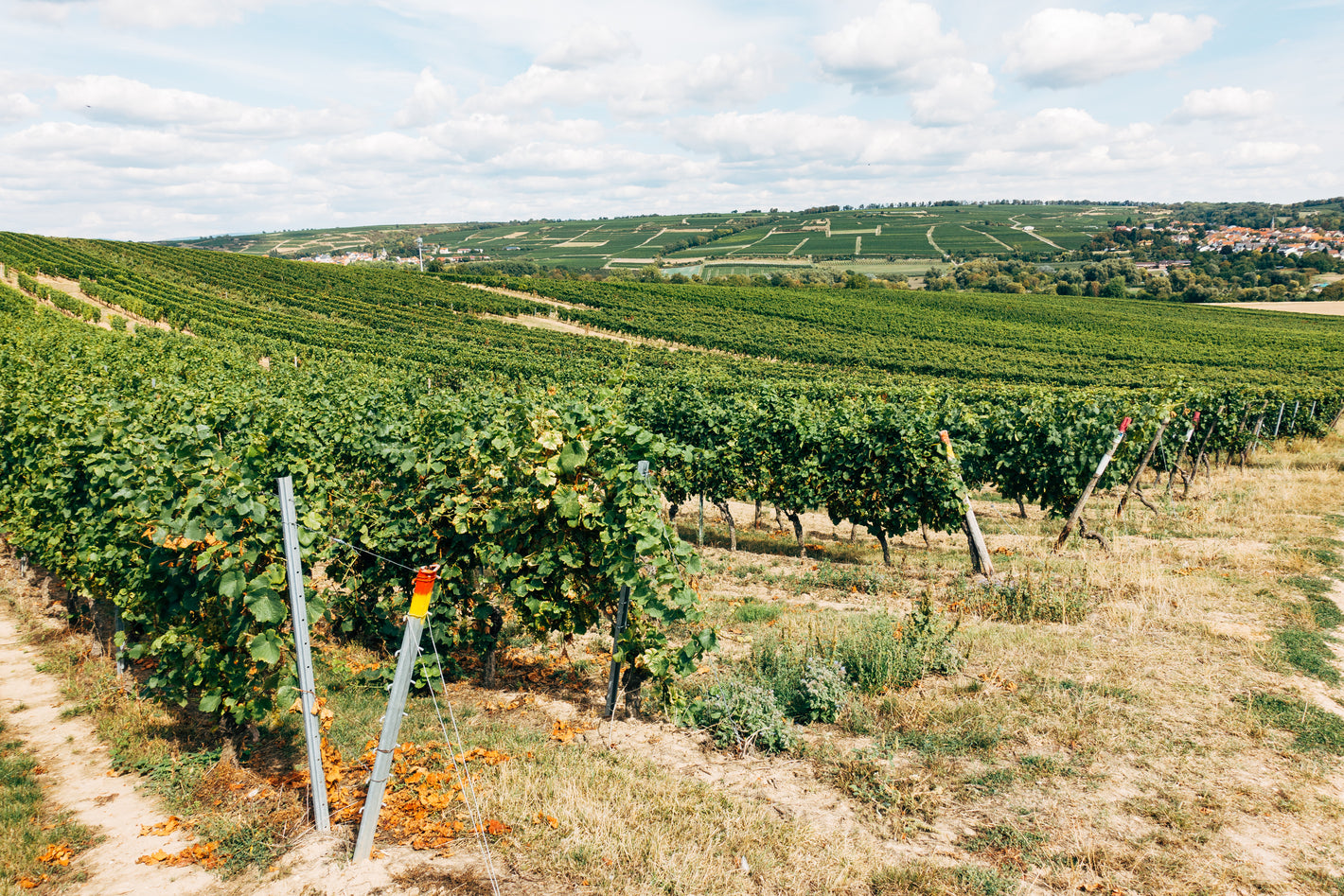
Madeira is a volcanic island sitting in the Atlantic some 600 kilometres west of Morocco, and its geology is basalt and volcanic rock all the way down — which gives the wines their distinctive mineral spine and contributes to the piercing natural acidity that defines the style. The Bual grape tends to be grown at mid-altitude sites on the southern slopes, where it gets enough warmth to ripen fully but enough moisture from the levadas and Atlantic winds to retain freshness. The estufagem process — gently heating the wine to simulate the effects of long sea voyages — is what creates Madeira's extraordinary stability and those caramelised, oxidative characters that no other wine region in the world quite replicates.
Madeira DOC is one of the world's most tightly defined and historically important fortified wine appellations, governed by rules that specify both the noble grape varieties permitted — Sercial, Verdelho, Bual, and Malmsey being the principal four — and the ageing requirements for each category. A 10 Year Old must spend a minimum of ten years in cask under the solera or canteiro system before release, developing the complexity and oxidative depth that distinguishes it from younger styles. Bual (sometimes written Boal) sits in the medium-rich tier of the Madeira sweetness spectrum, typically finishing with around 65-80 grams of residual sugar per litre, but its naturally high acidity means it never tastes as sweet as those numbers suggest. The appellation's extraordinary longevity — bottles from the 18th century are still drinking — is unmatched anywhere in the wine world.
FAQs
What does Bual Madeira taste like?
Bual sits in the medium-rich tier of Madeira's style spectrum — richer than Verdelho but with more life and acidity than Malmsey. Blandy's 10 Year Old brings roasted hazelnuts, dried apricot, toffee, and a saline, nutty finish, all underpinned by that characteristic Madeiran zing that stops it from ever feeling heavy or sweet.
When should I drink this wine?
Right now, if you like — it is fully ready and drinking well. But Madeira is essentially immortal in the bottle, so if you want to tuck a bottle away for ten, twenty, or even thirty years, it will not just survive, it will improve. Drink with confidence from 2026 until 2060 and beyond.
What food should I pair with Blandy's 10 Year Old Bual?
Rich, salty, or nutty flavours are its natural companions. Think aged hard cheese, a wedge of bolo de mel, salted almonds, foie gras, or liver dishes where the acidity does the heavy lifting. It also works beautifully on its own after dinner — it really does not need a supporting act.
How should I serve it?
Lightly chilled, around 12-14°C. No need to decant. A standard tulip or white wine glass is ideal. And once opened, do not worry about finishing the bottle — Madeira keeps for weeks after opening without losing its character, which makes it one of the most practical bottles you can have open on the sideboard.
Is Madeira worth cellaring?
Unequivocally yes. It is one of the very few wines in the world that ages almost without limit, and Blandy's is one of the producers you can trust to have handled the ageing process properly before it even reaches you. A 10 Year Old bought today will be more complex and rewarding in 2040 — though you would have to be very patient indeed to wait that long.
What is the difference between a 10 Year Old and a vintage Madeira?
A 10 Year Old is a solera-aged blend, which means it is drawn from a system of barrels containing wines of multiple ages, all averaging at least ten years of maturation. This produces a consistent, complex house style rather than the character of a single year. Vintage Madeira, by contrast, is from one specific harvest, aged for a minimum of twenty years, and tends to be more individual, more expensive, and more of a collector's proposition. For everyday drinking and outstanding value, the 10 Year Old wins comfortably.

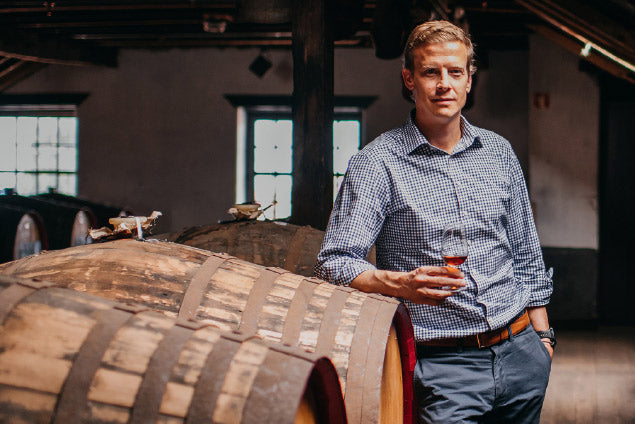
OUR GROWERS
Blandy's


What are you looking for tonight? Tell me the occasion, a grape, a region — or just try a suggestion below.
Your recommendations will appear here.
-
-
Speak to one of our Wine Gurus
Speak to a Wine GuruWith years of experience, our team can help you with all your wine buying and selling needs