

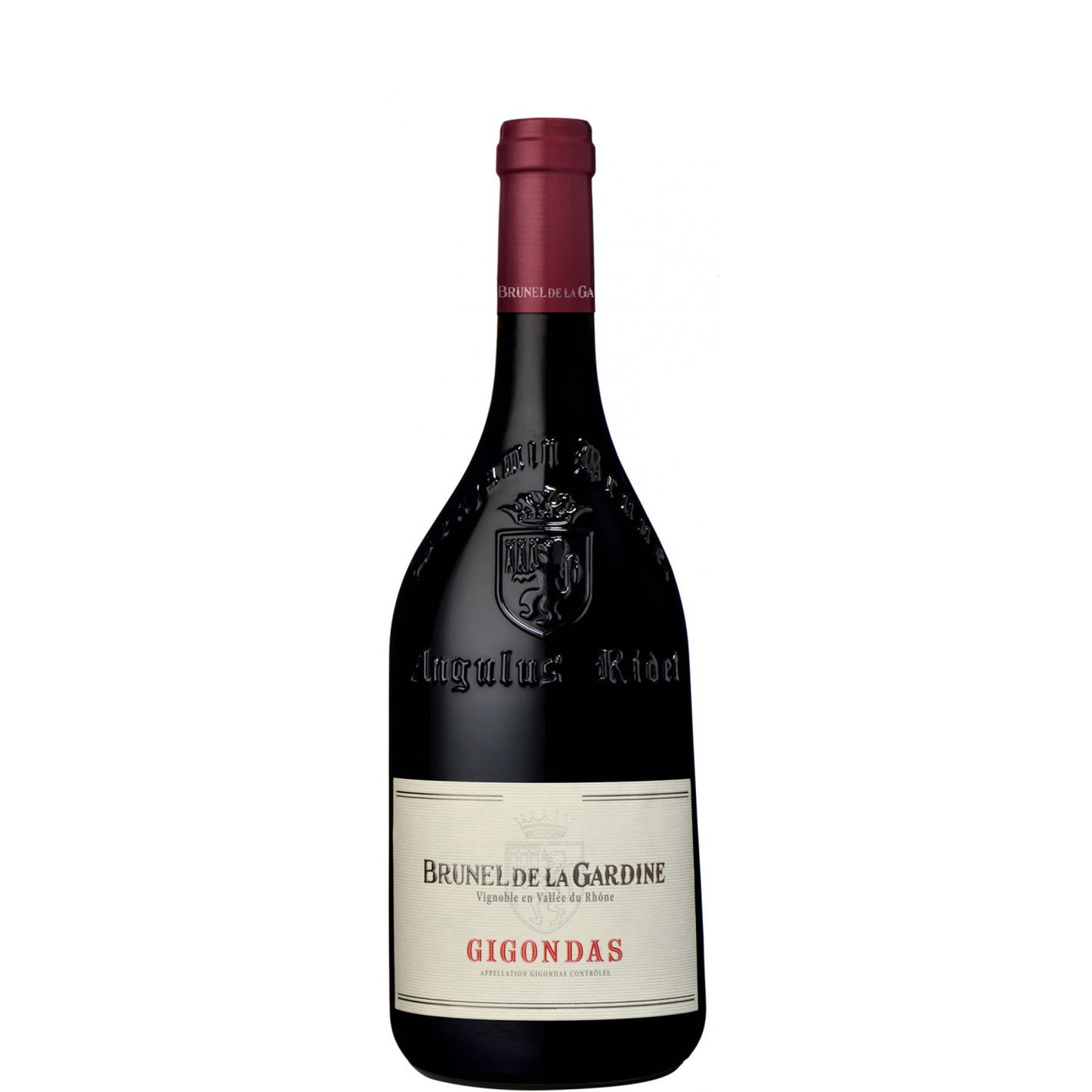
Château De La Gardine, Gigondas Brunel De La Gardine, 2021
Château De La Gardine, Gigondas Brunel De La Gardine, 2021
- 75cl
- 15%
- Red Still
- Grenache, Syrah, Mourvèdre
- Organic
Couldn't load pickup availability

Optimal drinking window: 2026 - 2034
Gigondas sits in the shadow of the Dentelles de Montmirail and has long been Châteauneuf's rougher, more mountain-edged cousin. The Brunel de la Gardine is Château de la Gardine's Gigondas expression, and it wears that rocky, sun-scorched character honestly. Grenache forms the backbone, with Syrah and Mourvèdre adding structure and a streak of something wilder.
The 2021 vintage gave the southern Rhône cooler nights and a longer growing season than usual, which shows: there's freshness here that the appellation doesn't always manage.
In 2026, the wine is still wearing its tannins close to the surface and the fruit, though ripe, has not yet fully integrated with the oak. By 2028 or 2029 we would expect the structure to soften and the wine to show more of the garrigue and earthy complexity that defines good Gigondas. It should reach its plateau somewhere between 2029 and 2032, when fruit, tannin, and acidity are in proper balance.
Tasting Notes
AppearanceDeep ruby-purple, dense at the core, with a rim that is still youthfully violet.
NoseDark cherry, dried thyme, and something between iron and crushed stone. There is a lifted quality from the 2021 vintage's cooler growing season, keeping the fruit precise rather than jammy. Give it twenty minutes in a decanter and a note of woodsmoke appears.
PalateFull-bodied but not heavy, with Grenache's ripe red and black fruit sitting alongside Syrah's firmer, more angular structure. Tannins are grippy and dry at the edges — this is not a wine that flatters early. The acidity cuts through cleanly, keeping everything in motion.
FinishLong, dry, and mineral, with a faint herbal bitterness on the very end that is entirely typical of the appellation at its best.
Overall impressionA serious Gigondas that needs either a good meal or a few more years to give its best.
Food Pairings
In and around Gigondas, this would go straight to the table with a daube de boeuf — Provençal braised beef cooked low and slow with olives, orange peel, and a generous pour of the local red. Roasted lamb with herbes de Provence is the other classic, the wine's garrigue notes echoing the herbs on the meat. Harder aged cheeses from the region, such as a firm Tomme de Provence, work well when you want something simpler. On a summer evening, local hunters might open a bottle alongside a wild boar terrine, and it is hard to argue with that.
We think this wine would go well with
Serve at 17 to 18 degrees Celsius — any warmer and the alcohol tips forward. Decant for at least 45 minutes, ideally an hour, as the wine is still showing some tightness in 2026. A large Burgundy-style bowl helps to soften the tannins and let the aromatic complexity breathe.
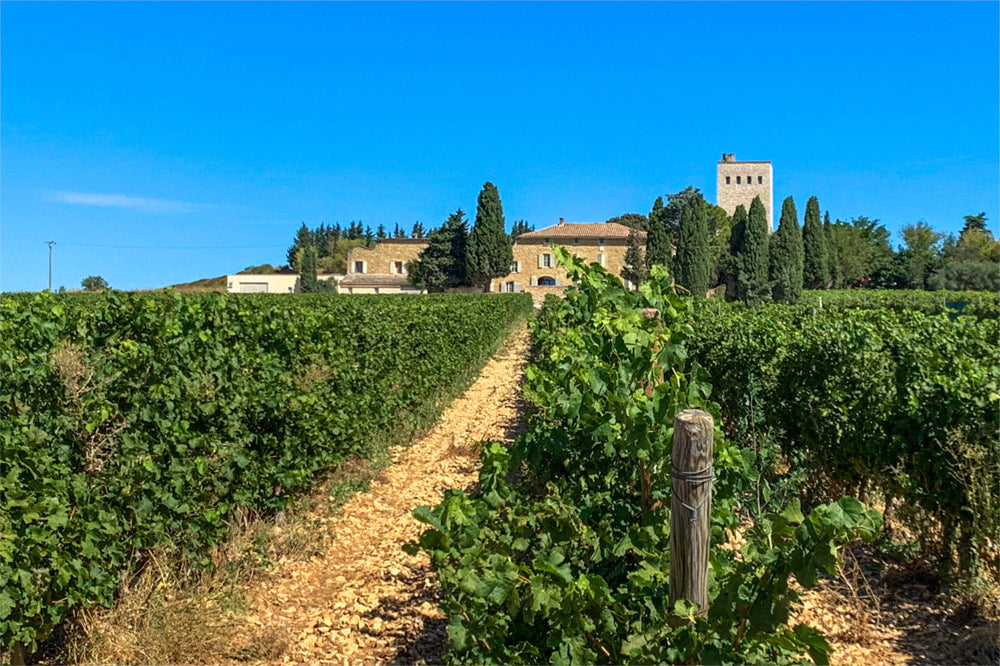
The Gigondas vineyards are set on the slopes and plateaux beneath the Dentelles de Montmirail, at altitudes ranging from 200 to 600 metres. Soils are a mix of clay, limestone, and sandy scree, with significant variation across the appellation. The altitude brings cooler nights than the Châteauneuf plain, and the Mistral keeps the vines healthy and concentration high. That combination of heat by day and cool by night gives the wines their signature tension between ripeness and freshness.
Gigondas received its own AOC in 1971, having previously been sold as Côtes du Rhône. Reds and rosés only: Grenache must make up at least 50% of any blend, with Syrah and Mourvèdre as the key supporting varieties. The wines tend to be darker, more tannic, and more mineral-edged than Châteauneuf-du-Pape, which sits a short drive south on flatter ground. Gigondas rarely commands the same prices as its neighbour, which makes it one of the southern Rhône's most consistently interesting value propositions.
The 2021 Rhône had drama written all over it from the start. Spring frost knocked back yields across the valley, followed by a wet summer that kept growers on edge about disease pressure. When September finally arrived with warm, dry weather, those who'd managed their vineyards carefully through the challenging months found themselves with concentrated, healthy fruit that ripened beautifully in the sunshine.
What emerged defied the difficult growing season: wines with real energy and freshness, particularly impressive in the Northern Rhône where Syrah shows lovely spice and pepper alongside its dark fruit. The Southern Rhône produced Châteauneuf-du-Papes and Côtes du Rhônes with more restraint than the blockbuster years, but we rather like that - there's a liveliness here that makes them brilliant with food. The reds are drinking well now and will continue to develop until 2030 or beyond for the best cuvées, while the whites - often overlooked but particularly successful this year - are singing right now.
FAQs
What does Château de la Gardine Gigondas Brunel de la Gardine taste like?
Dark cherry, dried herbs, iron-tinged mineral notes, and firm, dry tannins. The 2021 vintage adds a freshness that keeps the fruit lifted rather than heavy. It is a serious, food-friendly red that leans toward structure over immediate charm.
When should I drink the 2021 vintage?
It is drinkable now with decanting, but it will be more rewarding from 2028 onwards. We would plan to enjoy it until around 2034, after which the fruit may start to fade ahead of the tannins.
What food should I serve with this wine?
Braised or roasted lamb is the natural partner. A Provençal daube, wild boar, or aged hard cheese will also work very well. Avoid anything too delicate — this wine wants food with weight and savour.
Do I need to decant it?
Yes. At least 45 minutes to an hour in a wide-bowled decanter. The wine is still showing some tightness and decanting makes a meaningful difference to how it presents at the table.
How does Gigondas compare to Châteauneuf-du-Pape?
Gigondas is generally darker, more tannic, and more mineral in character, shaped by its hillside vineyards and cooler altitude. It rarely reaches the price of Châteauneuf, which makes it one of the southern Rhône's best-kept secrets for those who prefer structure over opulence.
Is this wine worth cellaring?
Yes, for the medium term. It will reward patience until around 2032 to 2034, becoming more complex and integrated as it goes. Beyond that, we would drink up rather than hold on.


What are you looking for tonight? Tell me the occasion, a grape, a region — or just try a suggestion below.
Your recommendations will appear here.
-
-
Speak to one of our Wine Gurus
Speak to a Wine GuruWith years of experience, our team can help you with all your wine buying and selling needs