

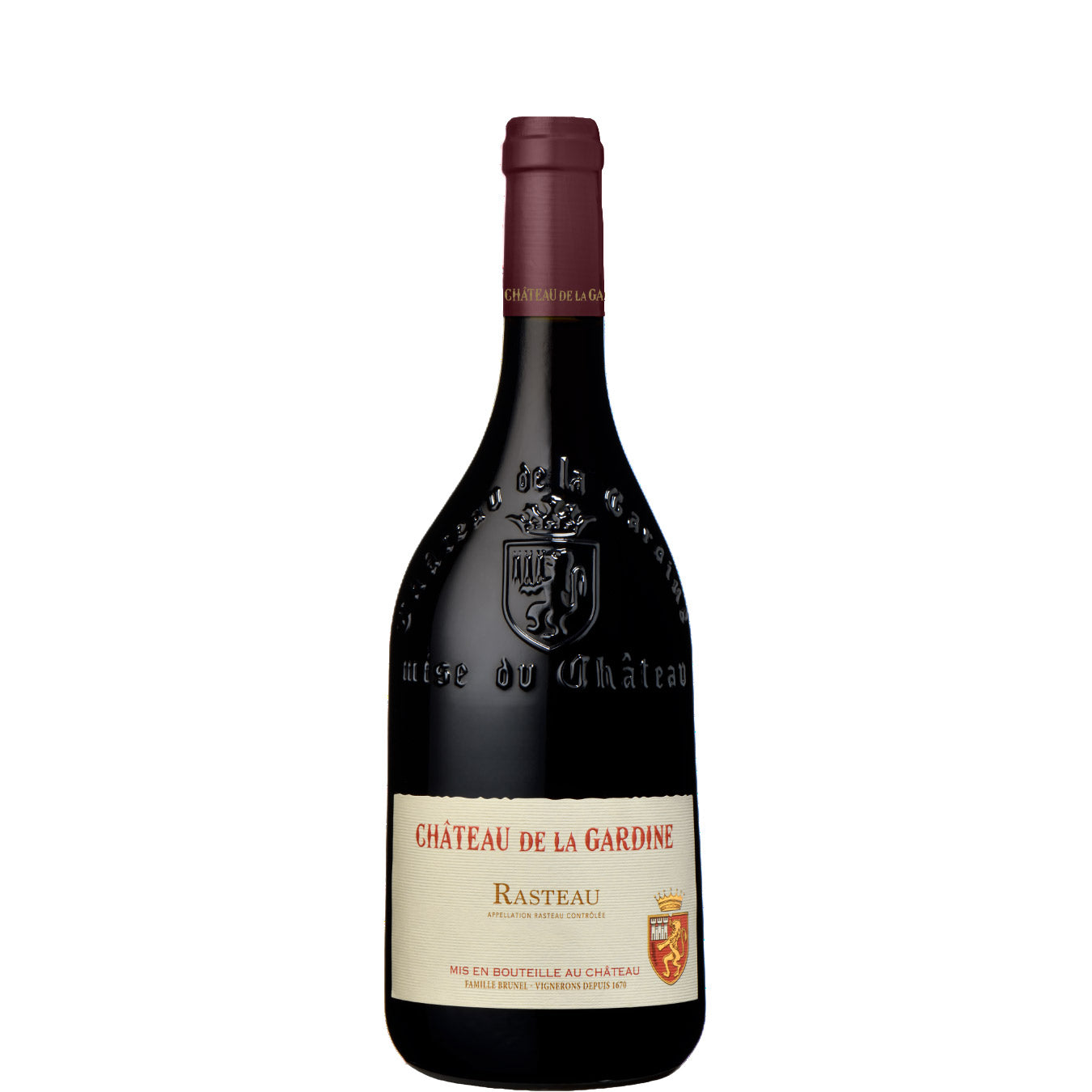
Château De La Gardine, Rasteau, 2023
Château De La Gardine, Rasteau, 2023
- 75cl
- 14.5%
- Red Still
- Grenache, Syrah, Mourvèdre
Couldn't load pickup availability

Optimal drinking window: 2026 - 2032
Château de La Gardine is one of the great names of the southern Rhône, and their Rasteau is where they let the southern sun speak at full volume. Rasteau, elevated to full AOC status only in 2010, produces some of the most characterful reds in the valley: bigger, earthier, and more rustic than Châteauneuf-du-Pape, with that distinctive warmth that comes from schist and limestone soils baking under Provençal heat. The blend here is built on Grenache with Syrah and Mourvèdre lending structure and spice.
The 2023 vintage in the southern Rhône was warm and generous, and this wine shows it: dark plum and black olive, dried herbs, a touch of leather, and real presence on the palate. It is not a wine that whispers.
Right now, the 2023 is in its primary phase: all dark fruit and garrigue with the tannins still a touch angular at the edges. Over the next two or three years, expect the fruit to integrate and the savoury, earthy secondary notes to come forward more confidently. By 2028 or 2029 it should be at its most complete, with the Mourvèdre adding dried meat and spice complexity that is not yet fully visible. The plateau is likely short rather than extended, and we would not push it much beyond 2032 before the fruit starts to fade ahead of the structure.
Tasting Notes
AppearanceDeep ruby-purple, dense and opaque at the centre with a narrow garnet rim.
NoseRich and warming: dark plum, black olive, and dried thyme up front, with a thread of leather and iron underneath. The garrigue character is unmistakable, that wild herbal scrub of the southern Rhône hillsides baked into every sniff.
PalateFull-bodied with considerable warmth and a generous mid-palate of blackberry and fig. Tannins are firm but not harsh, and there is enough acidity to keep things moving. Mourvèdre adds a savoury, meaty depth that stops it being purely a fruit bomb.
FinishLong and spiced, with dried pepper and a faint mineral grip that lingers well past the last sip.
Overall impressionA proper southern Rhône red: unashamedly full, structured, and full of character from the land.
Food Pairings
In and around Rasteau, this is the wine you open with a daube de boeuf, that slow-braised Provençal beef stew with olives, orange peel, and red wine that simmers all afternoon. It holds its own against lamb shoulder rubbed with herbes de Provence and roasted until falling apart. Locally, you might also find it alongside a tapenade-spread crouton to start, or a hard aged Banon cheese to finish. The earthiness of the wine has a natural affinity with anything that has been cooked low and slow.
We think this wine would go well with
Serve at 17-18°C; any warmer and the alcohol becomes more intrusive than it needs to be. Decant for at least an hour if opening now, as the 2023 is still a little closed and benefits from some air to open up the fruit. A large-bowled glass works well here, giving the aromas room to develop. If you have the patience, simply pulling the cork an hour or two before pouring achieves a similar result with less effort.
Rasteau sits in the northern part of the Vaucluse, with vineyards rising to around 200-300 metres on a patchwork of schist, limestone, and clay-sand soils. The altitude provides cooler nights than the valley floor, which preserves acidity in a region that can otherwise tip towards overripe. The mistral wind plays a crucial role in keeping the vines healthy and concentrating the fruit. These conditions produce wines with more grip and mineral definition than their richness alone might suggest.
Rasteau received its AOC status for red wines in 2010, having previously been better known for its Vin Doux Naturel. It sits in the southern Rhône, north-east of Orange, and produces red wines exclusively from Grenache-dominant blends with Syrah and Mourvèdre. Compared to Châteauneuf-du-Pape, Rasteau tends towards earthier, more muscular wines with less of the polish that comes from the galets roulés of its more famous neighbour. Think of it as the harder-working, less-celebrated sibling: honest, direct, and serious about what it is.
The 2023 growing season in the Rhône started promisingly with a mild winter and early budbreak, but spring brought its challenges with late frosts affecting some vineyards, particularly in the north. Summer delivered the heat we expect here, though without the punishing extremes that can shut down photosynthesis entirely. What saved the vintage was September's cooling temperatures and occasional rain, allowing the grapes to retain freshness while completing their ripening cycle. Harvest began earlier than usual but proceeded at a measured pace, giving producers flexibility to pick at optimal moments.
The result is a vintage that captures the Rhône's sunny disposition without the overwrought power that can make these wines feel heavy-handed. Syrah from the northern appellations shows particular promise, combining the grape's natural spice and dark fruit intensity with surprising lift and precision. In the south, Grenache-based blends benefit from that late-season freshness, offering immediate charm whilst maintaining enough structure for proper ageing. Most 2023s are drinking beautifully now and will continue to develop until 2035, making this a vintage that rewards both early drinking and patient cellaring.
FAQs
What does this wine taste like?
Rich, earthy, and full-bodied, with dark plum, black olive, dried thyme, and a spiced, mineral finish. It has the warmth and character of the southern Rhône without trying to be anything other than exactly what it is.
When is the best time to drink the 2023?
It is approachable now with an hour in a decanter, but it will be considerably better from 2028 onwards when the tannins have softened and the secondary complexity has had time to develop. We would drink it until 2032.
What food should I pair with this?
Slow-braised lamb or beef is the natural match: a Provençal daube, a shoulder roasted with rosemary and garlic, or anything with olives and herbs in the mix. Hard aged cheeses also work well at the end of a meal.
How should I serve it?
Serve at 17-18°C and decant for at least an hour. Use a large-bowled glass to give the aromas space. Avoid serving it too warm or the alcohol will dominate.
Is Rasteau worth taking seriously as an appellation?
Absolutely. It only received full AOC status for reds in 2010, so it is still finding its audience, but the wines can be genuinely compelling: earthier and more muscular than Châteauneuf-du-Pape, and considerably better value. Château de La Gardine is one of the names to know here.
How does this compare to Châteauneuf-du-Pape?
Rasteau is less polished and more rustic, with a firmer tannic frame and more of that wild herbal, schist-driven character. Châteauneuf tends towards more plush, rounded fruit. Neither is better; they are different expressions of southern Rhône Grenache, and Rasteau often punches above its price point.


What are you looking for tonight? Tell me the occasion, a grape, a region — or just try a suggestion below.
Your recommendations will appear here.
-
-
Speak to one of our Wine Gurus
Speak to a Wine GuruWith years of experience, our team can help you with all your wine buying and selling needs