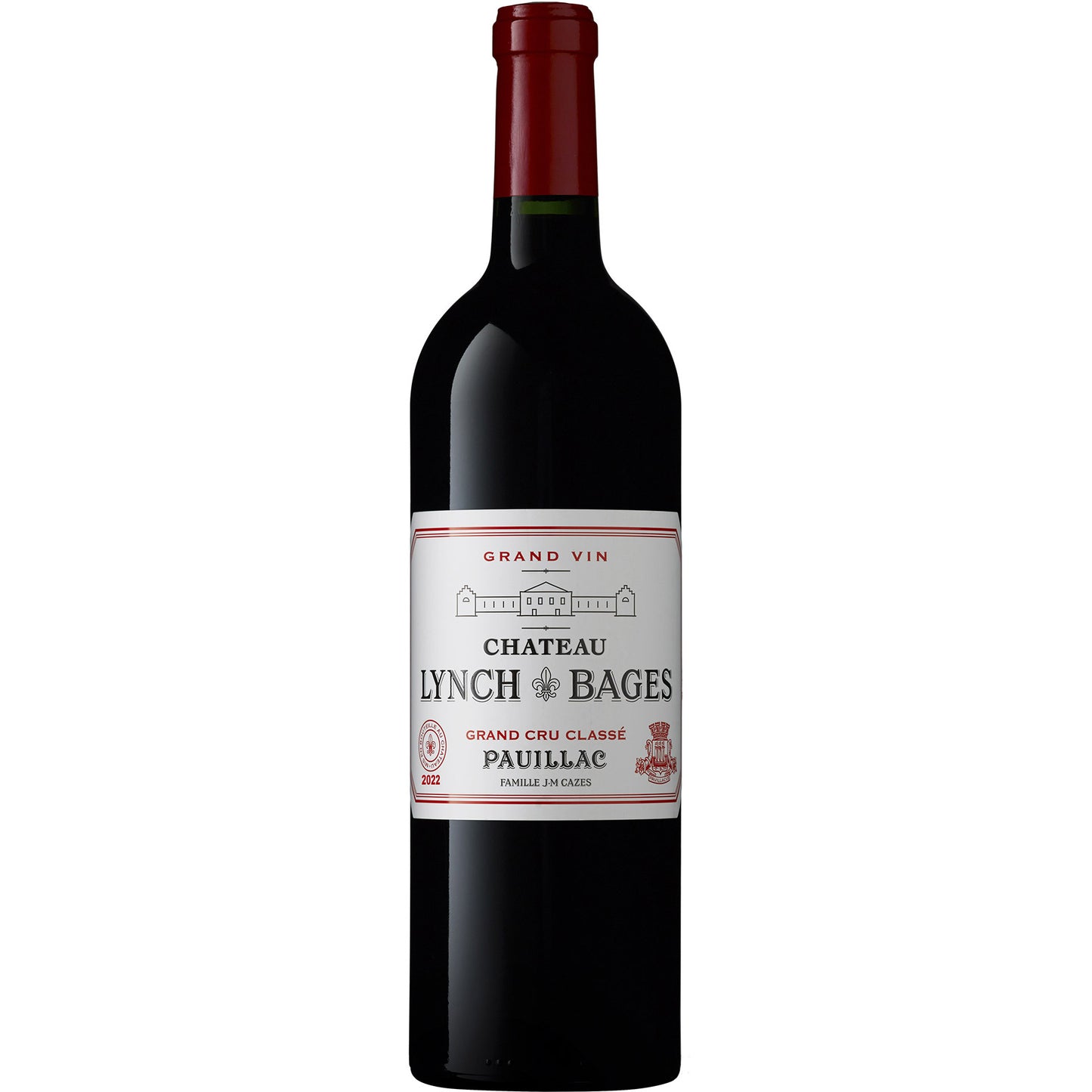

Château Lynch-Bages, 2025 - Magnum
Château Lynch-Bages, 2025 - Magnum
- 150cl
- 13.3%
- Red Still
- Cabernet Sauvignon, Merlot, Cabernet Franc, Petit Verdot
Please note, en primeur wines are not available for delivery until they arrive in the UK
Couldn't load pickup availability
Enquire about this item
Est. delivery in 2028
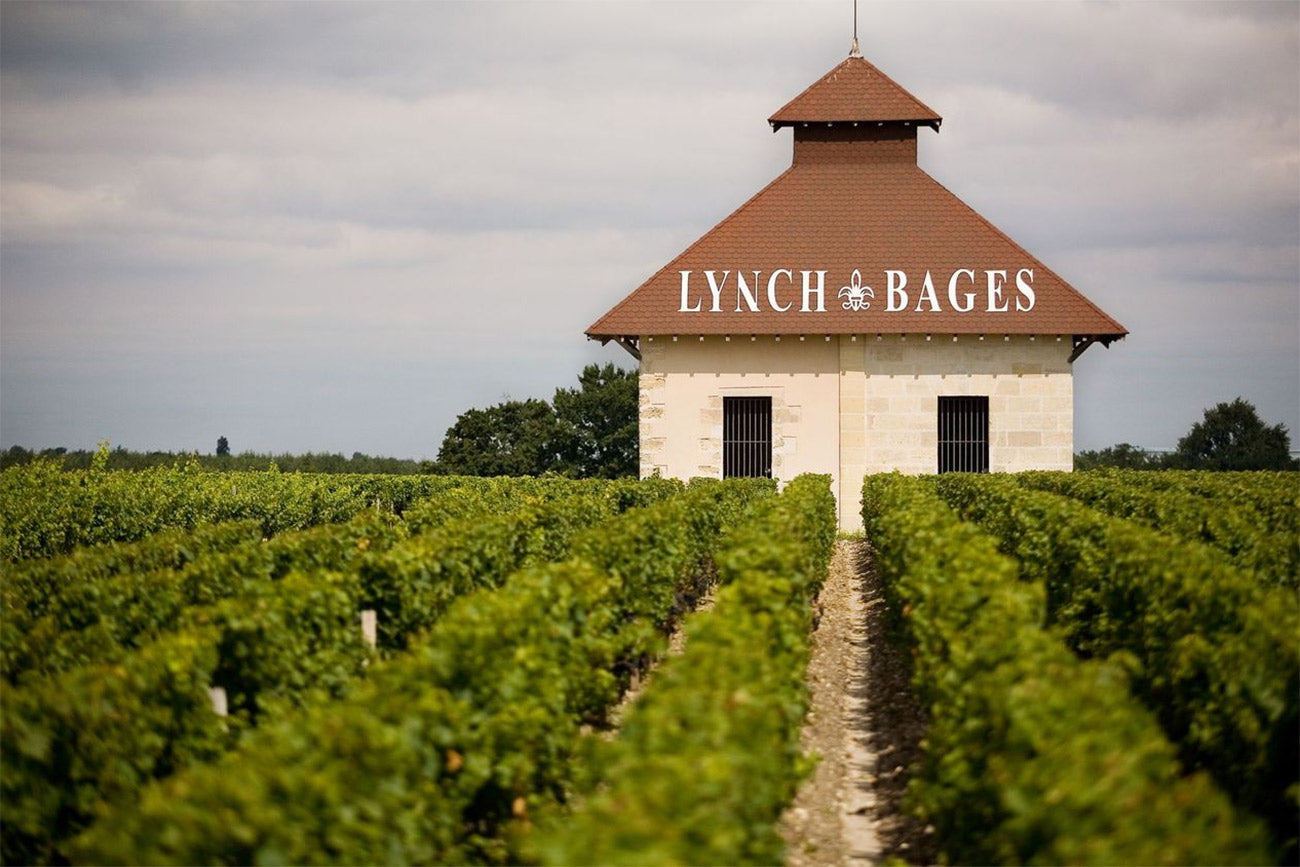
Lynch-Bages remains one of Pauillac's most beloved châteaux, famous for delivering power with charm in equal measure. The blend draws from 90 hectares of prime Pauillac gravel, where Cabernet Sauvignon dominates but Merlot adds crucial flesh to the bones.
What the critics say:
"Lots of great energy, with a precision and focus that sends you down the road to gorgeous dark fruits and mineral nuances. A cool, minty note. Medium- to full-bodied. Racy and intense, with a lightness at the end. Juicy fruit, too. A blend of 66% cabernet sauvignon, 28% merlot, 3% cabernet franc and 3% petit verdot."
"The 2025 Lynch-Bages was picked 9 to 21 September and matured in 75% new oak barrels. This has a stunning bouquet with exceptionally pure blackberry, cassis and subtle violet scents, the oak seamlessly integrated. The palate is medium-bodied with finely embroidered tannins, perfect acidity, a touch of cedar and black pepper that dovetails into a peacock's tail finish that "clings" to the mouth. This continues the strongest run from Lynch-Bages since the 1980s and, perhaps with the 2025, it is close to surpassing that."
"Damson, cassis, bilberry, a wine that doesn't feel so far away from the very top vintages of the estate, clear expansion in the mid palate, with an uncompromising architecture that has the supple tannins of a warm year, with pomegranate, incense, blackberry, cedar, slate, crushed rocks. Excellently put together with juice, promise and personality. 3.68 pH. 75% new oak. Harvest September 9 to 21. Jean-Charles Cazes owner, along with his three sisters, Nicolas Labenne technical director."
"Currants, smoky oak, chocolate, and hints of violets all define the 2025 Château Lynch-Bages, a remarkably balanced, elegant Pauillac from this estate that has more than a passing resemblance to the 2019. Medium to full-bodied on the palate, it has ultra-fine tannins and nicely integrated acidity, and it builds beautifully with time in the glass. It should have some reasonable accessibility, but as with most vintages here, the cellar will be your friend."
The vineyards occupy the Bages plateau south of Pauillac town, where deep Günzian gravel beds over limestone and clay provide perfect drainage and heat retention. This elevated position catches cooling Atlantic breezes whilst the gravel stores daytime heat, creating ideal conditions for slow Cabernet Sauvignon ripening. The underlying limestone adds mineral backbone whilst patches of clay retain moisture during dry spells. This combination of drainage, elevation, and mixed soils produces wines with both power and finesse,典型 of the best Pauillac terroirs.
Pauillac sits at the heart of the Médoc's Left Bank, home to three First Growths and some of Bordeaux's most structured, age-worthy wines. The appellation's deep gravel soils and maritime climate create ideal conditions for Cabernet Sauvignon, which typically dominates blends here. Pauillac wines are known for their cassis intensity, cedar complexity, and remarkable longevity, often requiring a decade or more to show their true character. The commune produces wines that embody Bordeaux's reputation for power and elegance in equal measure.
The 2025 Bordeaux vintage emerged from one of the most demanding growing seasons in recent memory — the earliest budbreak since 1989, June temperatures second only to 2003 since records began, and an unusually early harvest beginning in August for the whites. Conditions that should have produced heavy, overripe wines. They didn't. Decanter's Georgie Hindle, who tasted close to 200 wines ahead of the formal campaign, describes "exceptional concentration, aromatic purity and a freshness that contradicts the record-breaking heat.
The early critical consensus places 2025 stylistically between the precision of 2020 and the structure of 2016, with the brightness of 2023 — a combination that suggests a very serious vintage indeed. Yields are dramatically low, the smallest crop since 1991, with production across the Gironde running around 15% below the five-year average. The quality is here. There simply isn't very much of it.