

Clemens Busch, Marienburg Trockenbeerenauslese, 2011 - Half-bottle
Clemens Busch, Marienburg Trockenbeerenauslese, 2011 - Half-bottle
- 37.5cl
- 7.5%
- Dessert
- Riesling
- Organic
- Biodynamic
- Vegetarian
- Vegan
Couldn't load pickup availability

Optimal drinking window: Now - 2090
This exceptional botrytised sweet Riesling from the steep, biodynamically farmed Pündericher Marienburg vineyard in the Mosel is made exclusively from individually selected, noble-rot-affected grapes that have dried on the vine, concentrating sugars and flavours to the highest Prädikat level of German quality wine.
The site’s mix of slate soils - especially deep, weathered grey and blue slate common in Marienburg’s terraces - provides superb drainage and mineral energy, helping preserve acidity even at extreme ripeness and contributing clear structural definition beneath the richness.
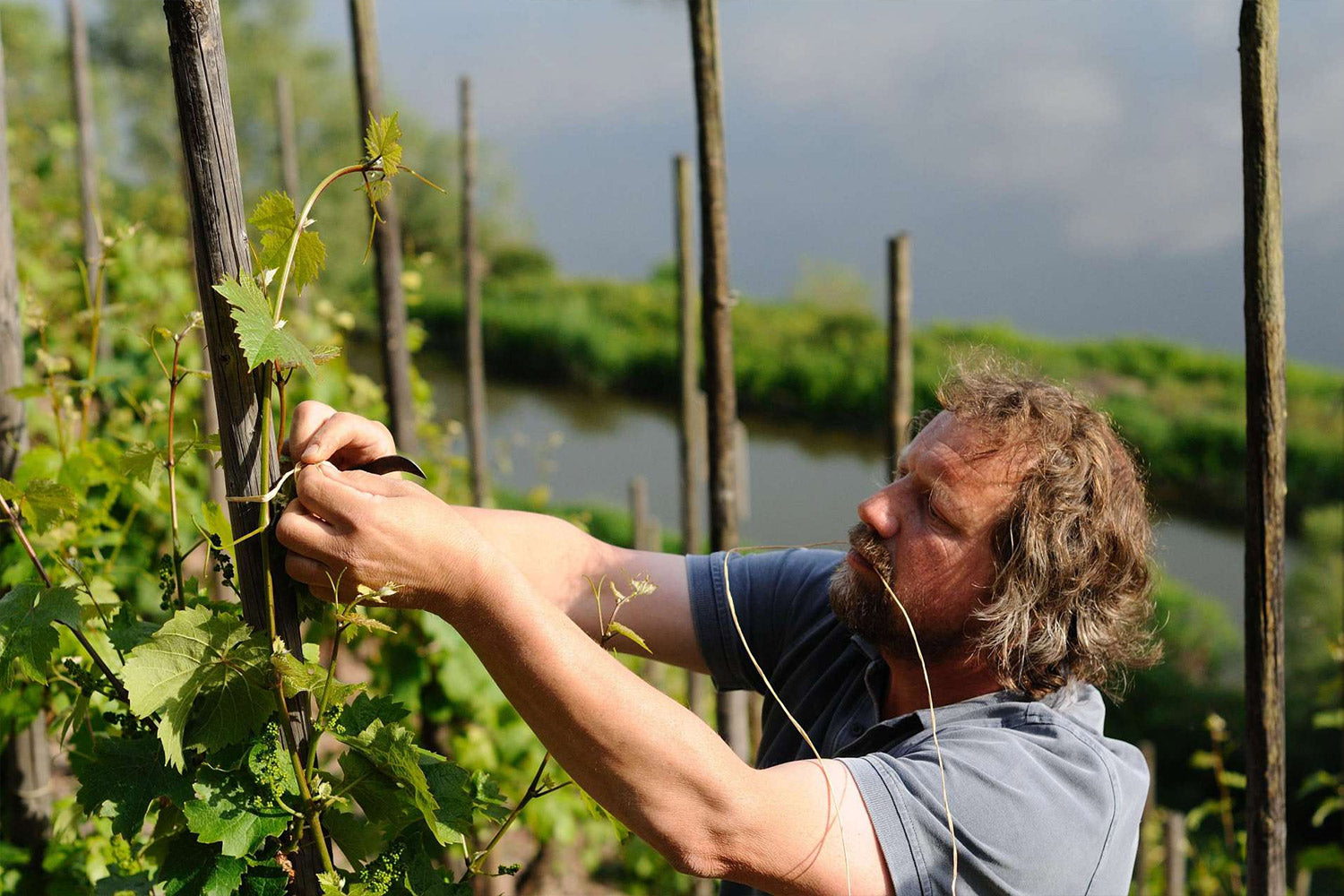
Clemens is a long-time pioneer of organic and biodynamic viticulture, abandoning herbicides in 1976 and joining the Respekt group in 2015. His approach in the cellar is minimalist, with careful use of sulphur to suit Riesling and the Mosel’s cool climate.
At 15 years old this is still remarkably youthful, the primary apricot and citrus fruit yet to fully cede ground to the honeyed, nutty complexity that decades in bottle will bring. Expect the botrytis character to deepen into notes of beeswax and dried fig over the next ten to twenty years, while the slate-driven minerality sharpens further. This is a wine that rewards extreme patience, but in half-bottle format it will evolve a touch faster than a full bottle would.
What the critics say:
"Picked with 290° and 320° Oechsle, the 2011 Riesling Trockenbeerenauslese Marienburg Fass 1179 offers a rich, ripe and generous bouquet of ginger. Very concentrated and oily textured, honey-sweet but with a vital, mineral acidity and lingering stone fruit flavors, this is another spectacular Riesling of Clemens Busch with lovely mineral flavors in the finish. "We had hail at the beginning of September, which caused 10% of loss and lead to acid rot that again forced us to negative selection. However, botrytis came again, although we had 40° in the beginning of October and then seven weeks of perfect weather. To pick this TBA, we had up to five selections during several weeks." This wine is opulent, but also fresh and vital, and very precise in its aromas."
Tasting Notes
AppearanceDeep amber-gold, with the viscous legs of a wine built to last.
NoseDried apricot, candied citrus peel, and honeycomb, with a waxy, botrytis-laced richness and a cool thread of wet slate beneath.
PalateLusciously sweet and syrupy, apricot jam and orange marmalade carried on real weight, but the acidity is so taut it never feels cloying.
FinishLong, saline, and precise, the sweetness fading into mineral austerity.
Overall impressionA rare, tiny-production dessert wine built for decades, not dinner parties.
Food Pairings
In the Mosel, a wine like this would traditionally be poured on its own at the end of a meal, perhaps alongside a simple Mürbeteig fruit tart or a wedge of aged Allgäuer blue cheese. Fresh peaches or quince paste would echo the apricot richness without competing with it. Many growers would simply serve it with a plate of walnuts and dried fruit, letting the wine itself do the heavy lifting.
We think this wine would go well with
Serve well-chilled at 8-10°C to keep the sweetness in balance. No decanting needed, though a short 15-20 minutes in the glass lets the aromatics open up. A small tulip-shaped dessert wine glass is ideal, concentrating the nose without overwhelming the palate with volume.
The Marienburg vineyard in Pünderich sits on exceptionally steep slopes above the Mosel river, with red and blue Devonian slate soils that drain fast, retain heat, and impart a distinctive mineral saline quality to the wines. For Trockenbeerenauslese production, only the ripest, most botrytis-affected berries are selected from the upper, best-exposed parcels, where autumn mists encourage noble rot while the slate's warmth helps concentrate sugars.
Mosel is Germany's most historic and arguably most thrilling Riesling region, defined by its improbably steep, slate-soiled river valleys that demand hand-farming and reward patience. Trockenbeerenauslese sits at the apex of the Prädikat sweetness ladder, reserved for wines made from individually selected, shrivelled, botrytis-affected berries with must weights far beyond even Beerenauslese, making it one of the rarest and most labour-intensive styles in the world.
The 2011 vintage in Mosel arrived after a challenging growing season that tested even the most experienced growers. A warm, dry spring gave way to a cooler, wetter summer that slowed ripening and required careful canopy management to prevent disease pressure. When harvest finally began in October, those producers who had managed their vineyards meticulously were rewarded with healthy fruit, whilst others struggled with less than ideal conditions.
What emerged from the cellars was a vintage of surprising charm, though one that demanded patience from both winemaker and drinker. The Rieslings show that distinctive Mosel minerality with crystalline precision, but the cooler conditions produced wines with moderate alcohol levels and vivacious acidity that gives them real backbone. We find these wines drinking beautifully now, having developed lovely honeyed depth whilst retaining their youthful energy, and the best examples should cellar happily until 2030. This isn't a vintage that shouts from the rooftops, but rather one that whispers secrets to those who listen carefully.
FAQs
What does this wine taste like?
Lusciously sweet apricot and honeyed citrus, balanced by a saline, slate-driven minerality that keeps it from feeling heavy.
When should I drink this wine?
It can be enjoyed now but is built for the very long haul, with decades of life ahead until 2090.
What food should I pair it with?
Best on its own, or with simple fruit tarts, quince paste, or aged blue cheese.
How should I serve it?
Chilled to around 8-10°C in a small dessert wine glass, no decanting required.
Is this wine worth cellaring?
Absolutely. Trockenbeerenauslese from a grower of this calibre is one of the most age-worthy styles in existence, and this bottle is only just getting started.
Why is it in a half-bottle?
Trockenbeerenauslese is made in tiny quantities from painstakingly selected berries, and its intensity means a little goes a very long way, which is exactly why half-bottles are the traditional format.



What are you looking for tonight? Tell me the occasion, a grape, a region — or just try a suggestion below.
Your recommendations will appear here.
-
-
Speak to one of our Wine Gurus
Speak to a Wine GuruWith years of experience, our team can help you with all your wine buying and selling needs