

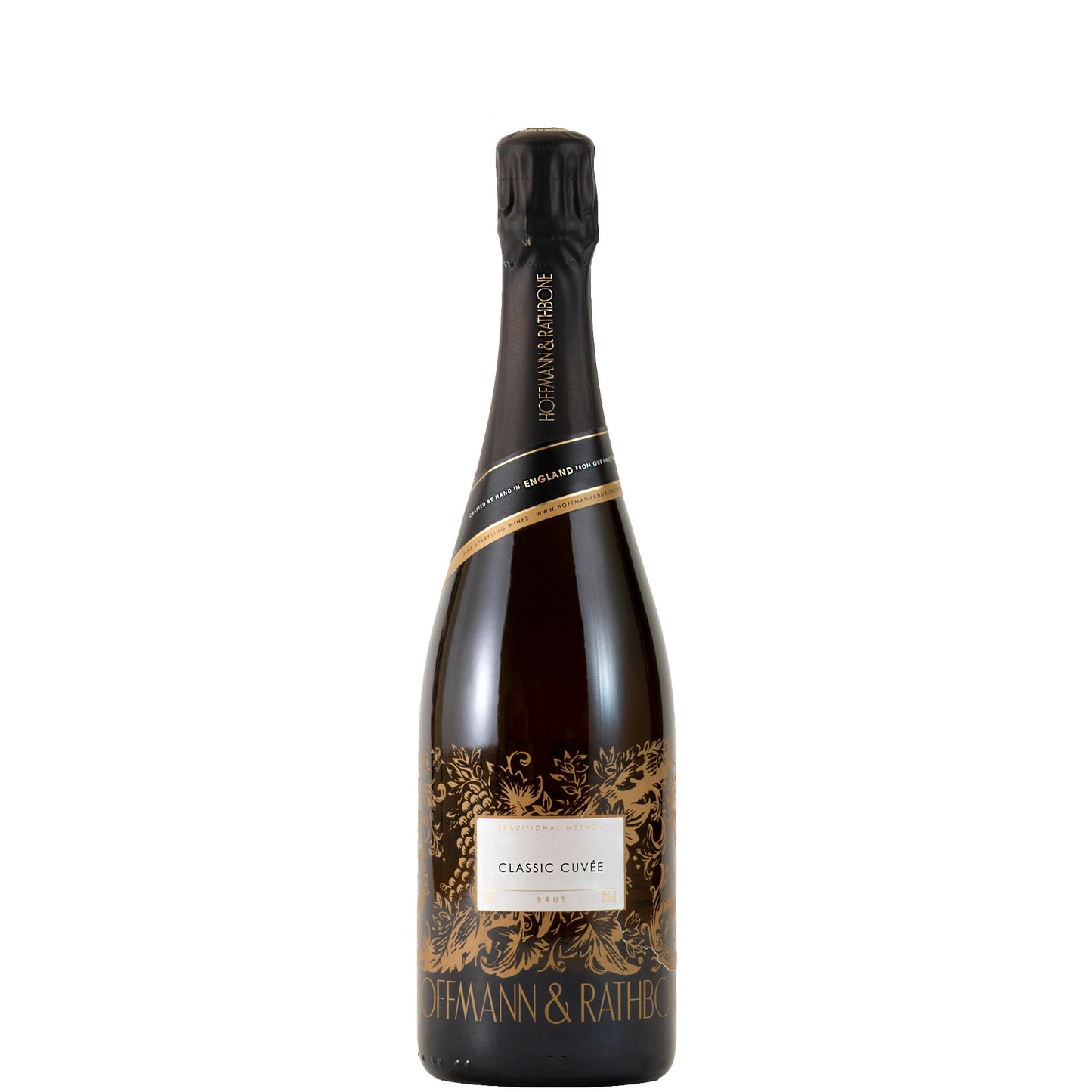
Hoffmann & Rathbone, Classic Cuvée, 2013
Hoffmann & Rathbone, Classic Cuvée, 2013
- 75cl
- 12%
- White Sparkling
- Pinot Noir, Chardonnay, Pinot Meunier
Couldn't load pickup availability

Optimal drinking window: Now - 2028
"Classic Cuvée is lush but impeccably balanced with a low 7g dosage and 3.5 years on the lees really allowing all elements to integrate naturally and completely. Sophisticated fruit, richly dry, with teasing chamomile and fresh ginger notes. This represents the next evolution in top English fizz."
Tom Harrow, Head Wine Guru
International Wine Challenge 2018 Tranche 1 - Silver
London Wine Competition 2018 - Silver
Lyon International 2018 - Silver "
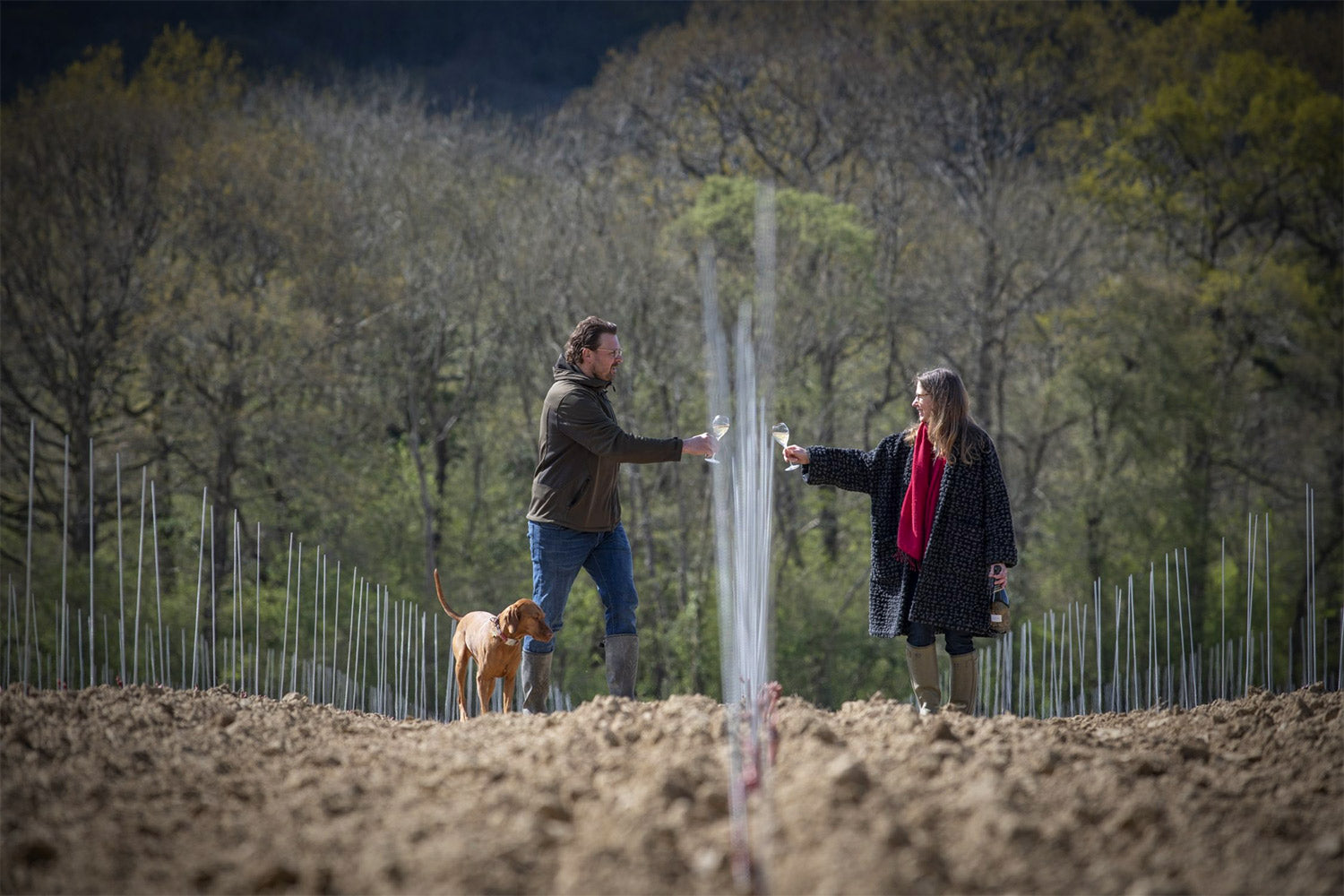
Rathbone and Hoffmann's Winemaker, Ulrich Hoffmann, has an impressive international 16-year career to lean on. It was not only his passion for sparkling wine that finally bought Ulrich to New House Winery on the Mountfield Estate in Sussex, but a long, long-distance love affair with now wife Birgit Rathbone. The couple got to work, combined their names and the result is a collection of award winning English sparkling wine.
Their fresh and delightful Classic Cuvée is a blend of 60% Pinot Noir, 30% Chardonnay and 10% Pinot Meunier, aged for 36 month on lees.
"The 2013 Classic Cuvée Brut is a youthful and energetic sparkling wine and shows classic cool climate characteristics. The aromas are fresh and bright with green apple, ripe grapefruit and pineapple followed by nuances of lemon custard, crème brûlée and toasted hazelnuts. White peach and crisp citrus flavours are carried with hints of pear and apple. The palate is further layered with sweet, spicy flavours of candied ginger. The texture is both viscous and mouth watering, and the wine has a balanced acidity and long finish that lingers on the palate.”
Winemaker, Ulrich Hoffmann
This wine is in a very pleasant window right now — the primary fruit is fresh and the lees complexity has had time to integrate fully, which is exactly what the 36 months of autolysis was designed to achieve. Drink it with confidence over the next two to three years and you will catch it at or near its best. Much beyond 2028 and the vivid citrus and apple freshness that define it will start to soften and recede, giving way to more honeyed, biscuity, Madeira-adjacent territory — not unpleasant, but a different wine. English sparkling at this level of dosage and lees time is generally built for medium-term enjoyment rather than extended cellaring, so there is no virtue in waiting.
Tasting Notes
AppearancePale gold with fine, persistent streams of bubbles and a delicate white foam at the rim.
NoseFresh green apple and ripe grapefruit lead, with a lifted pineapple note that gives it real energy. Underneath, there is lemon custard, crème brûlée, and toasted hazelnut — the classic autolytic character that 36 months on lees will give you. It smells ready and inviting, not closed.
PalateWhite peach and crisp citrus dominate at first, then candied ginger arrives mid-palate with a gentle spice that keeps things interesting. The texture is both creamy and mouthwatering — the lees time has given it weight without heaviness, and the 7g dosage is perfectly judged, sitting in the background rather than sweetening the experience. Acidity is lively but integrated.
FinishLong and citrus-driven with a clean mineral snap that pulls you back for another sip.
Overall impressionA genuinely accomplished English sparkling wine that punches well above its postcode.
Food Pairings
In Sussex, this would be a natural match for the local crab hauled from Eastbourne or Rye — dressed simply with lemon and good bread, nothing more needed. Smoked salmon from a nearby smokehouse, or a plate of potted shrimps, would work equally well; the acidity cuts the fat and the lemon notes on the wine echo the garnish. Further inland, think game terrine or a good pork pie with proper jelly — the Pinot Noir backbone in the blend handles it. For something more celebratory, it is superb with any soft-rind British cheese, particularly a well-kept Tunworth or a ripe Baron Bigod, where the ginger spice in the wine finds an unexpectedly lovely counterpart.
We think this wine would go well with
Serve at 8-10°C — cold enough to keep the bubbles lively but not so cold that it closes down that lovely lemon custard and ginger complexity on the nose. No need to decant; simply open and pour. A proper tulip or white wine glass rather than a flute will give the wine room to breathe and let you actually smell what is going on, which is the whole point of three years on the lees.
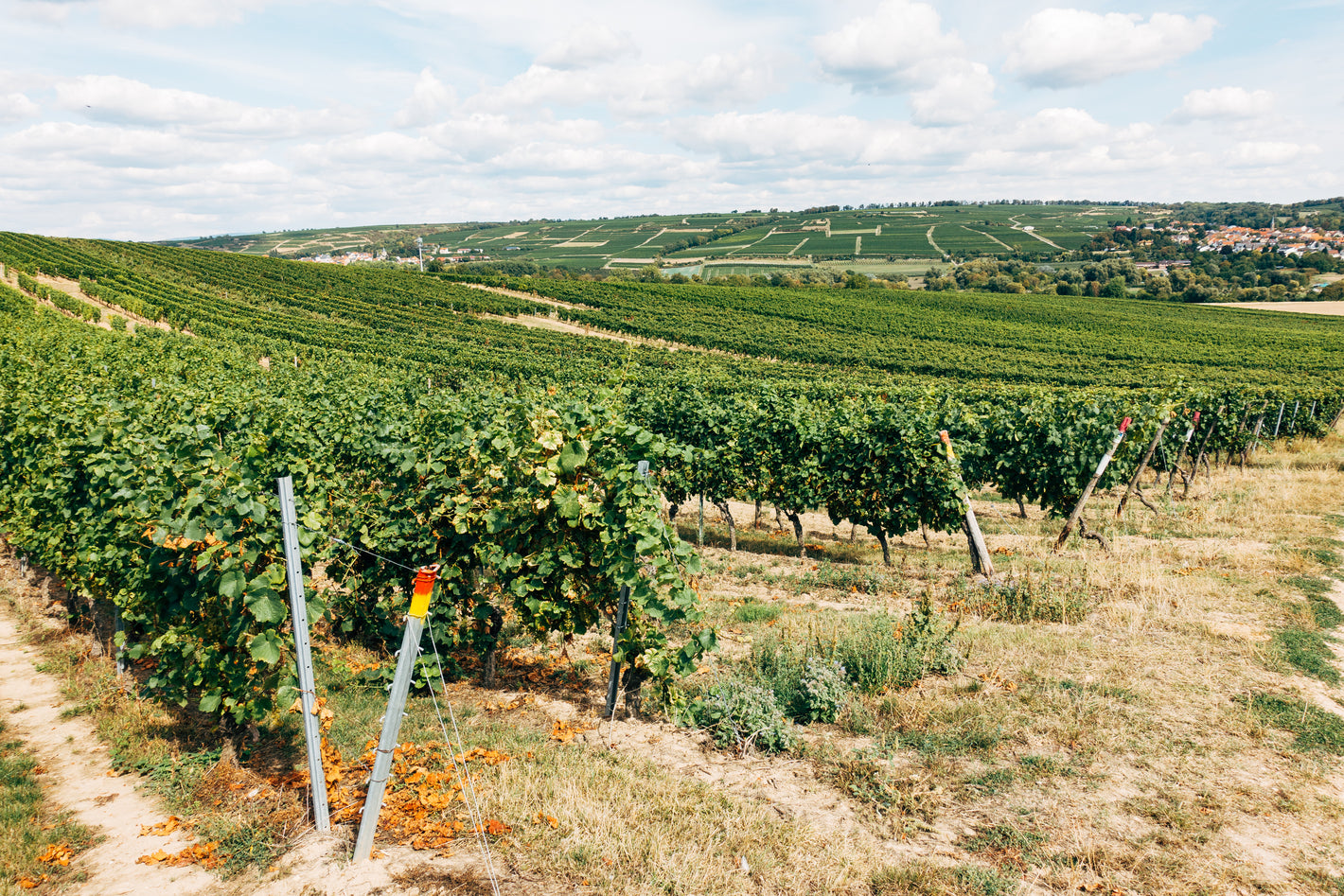
The Mountfield Estate in East Sussex sits on the southern slopes of the High Weald, where the cool, maritime climate delivers the slow, even ripening that gives English sparkling wine its hallmark acidity and precision. The soils here are predominantly sandstone and clay, which retain moisture during dry summers without waterlogging the vines — important for a variety as sensitive as Pinot Noir. This is chalk-free country, unlike the North Downs or South Downs further west, which gives the wines a slightly richer, broader fruit character than their more austere Sussex neighbours. The long growing season at this latitude means phenolic ripeness and natural acidity can coexist, which is the essential trick for serious traditional-method sparkling wine.
There is no formal appellation governing Hoffmann & Rathbone's wines beyond the England PDO, though the wines qualify for the more prestigious Sussex PDO, which demands that 100% of grapes are grown within the historic county of Sussex and sets minimum vine age and yield restrictions designed to encourage quality. Sussex has become something of a benchmark county for English sparkling wine, home to a cluster of serious producers who have demonstrated that the cool, maritime south-east can rival Champagne on its own terms — at least in the best vintages. Compared to the broader England PDO, the Sussex designation carries a stronger sense of place and, increasingly, consumer recognition. It is a young appellation by European standards, but one that is earning its credibility bottle by bottle.
Sussex in 2013 was not an easy ride. A cold, wet spring pushed budbreak late and kept growers anxious well into summer, and what followed was a season that demanded patience rather than rewarding complacency. The saving grace was a warm, dry autumn that stretched the ripening window and allowed sugar levels to build slowly — which, in a cool-climate region, is often exactly how the best wines are made. Those who held their nerve and picked late were rewarded; those who didn't, less so.
The result is a vintage of real tension — leaner than the more celebrated 2014 that followed, but with the kind of natural acidity that has kept the better wines alive and interesting. Pinot Noir from this year can be quite taut and savoury, while the sparkling wines, given sufficient time on lees, developed real depth and focus. A decade on, the top fizz is drinking well now, and we wouldn't rush the best still reds either — give them until 2026 or so if you can.
FAQs
What does the Classic Cuvée taste like?
Think green apple, grapefruit, and white peach at the front, with lemon custard, crème brûlée, and toasted hazelnut from three years on the lees. There is a lovely kick of candied ginger mid-palate that lifts the whole thing. The texture is creamy but the acidity keeps it fresh and mouthwatering.
When should I drink this wine?
It is drinking very well right now and will continue to do so until around 2028. The fruit is bright and the autolytic complexity is fully integrated — no patience required. Beyond 2028, the freshness will start to fade, so we would not leave it much longer.
What food should I pair it with?
Crab, smoked salmon, or potted shrimps are the obvious Sussex answers, but it also handles game terrine or a good pork pie with ease. If you are going cheese, try a soft-rind British cheese like Tunworth or Baron Bigod — the ginger spice in the wine plays brilliantly against the richness.
How should I serve it?
Chill to 8-10°C and serve in a tulip or white wine glass rather than a flute — you want to be able to smell the lees character and ginger spice, and a narrow flute will muffle both. No decanting needed.
Is this worth cellaring?
Not especially — this is a wine built for pleasure in the near term, not the cellar. The balance of dosage, acidity, and lees complexity is at its best right now. Drink it over the next two years and enjoy it for what it is.
Who are Hoffmann and Rathbone?
Ulrich Hoffmann is the winemaker, bringing 16 years of international sparkling wine experience to the estate at Mountfield in East Sussex. He and his wife Birgit Rathbone combined their names and their ambitions to create one of the more interesting small producers in the English wine scene. The love story is genuinely charming, but the wine is what makes it worth seeking out.
Explore related wines


What are you looking for tonight? Tell me the occasion, a grape, a region — or just try a suggestion below.
Your recommendations will appear here.
-
-
Speak to one of our Wine Gurus
Speak to a Wine GuruWith years of experience, our team can help you with all your wine buying and selling needs