

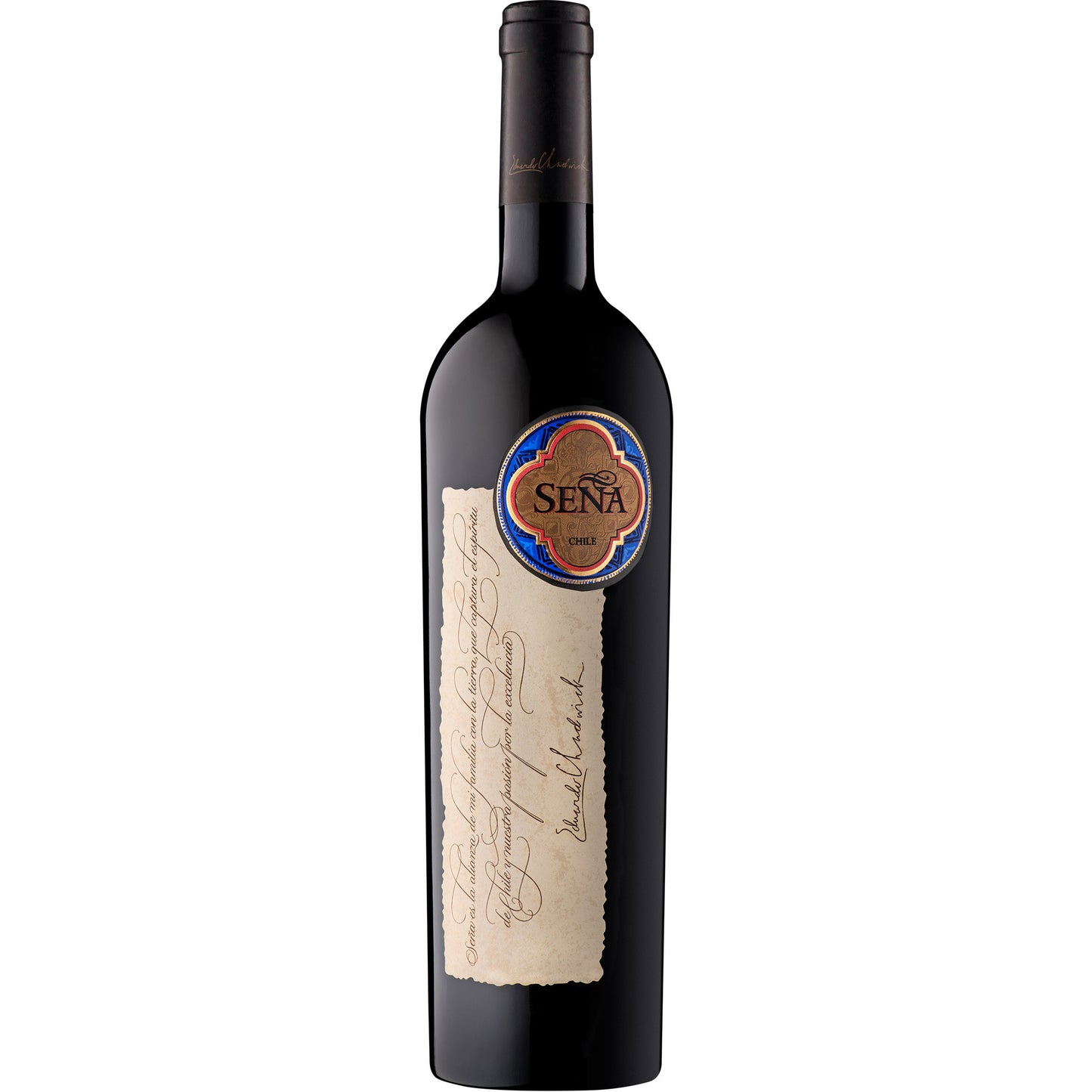
Mondavi & Chadwick, Seña, 2024 - Magnum
Mondavi & Chadwick, Seña, 2024 - Magnum
- 150cl
- 13%
- Red Still
- Cabernet Sauvignon, Carmenère, Malbec, Petit Verdot
- Organic
- Biodynamic
Couldn't load pickup availability
Enquire about this item

Drinking window: 2028 - 2050
Est. delivery in 2027
Seña is one of Chile’s most celebrated wines, born from the visionary partnership of Robert Mondavi and Eduardo Chadwick. Since its debut, it has set the benchmark for Chilean fine wine on the international stage.
The vines here have sunk deep roots into volcanic, mineral-rich soils, shaped by cooling Andean breezes and morning Pacific fogs. Farmed biodynamically, Seña combines Bordeaux varietals with Chilean spirit, delivering a wine of striking elegance, layered complexity, and effortless sophistication.
What the critics say:
"Seña is often more marked by its blue fruit profile, and this year it goes a bit deeper and darker with its serious depth of fresh blackberries, currants, graphite and a restrained touch of cigar box. Precise and refined, with crunchy fine tannins on the medium- to full-bodied palate and a long, expressive finish carrying the juicy fruit to the end. A later harvest from April 5 to the end of April and carmenere until May 2. A blend of 60% cabernet sauvignon, 18% malbec, 16% carmenere and 6% petit verdot. Drink or hold."
"The 2024 Seña continues the excellence that the entire Errázuriz range exhibits in this vintage, offering a graceful, effortless and underrated expression of Aconcagua. A rich bouquet of dark fruits, fresh herbs and floral notes is brightened by a streak of rising camphor and sweet mint flourishes, introducing a suave, tense and seamless mouthfeel with classical proportions. Ultra-fine tannins and graphite-mineral notes surround the finish, lingering with an extra round of herbal and minty nuances. It is a blend of 60% Cabernet Sauvignon, 18% Malbec, 16% Carmenère and 6% Petit Verdot that matured for 18 months, with 70% of the wine resting in barrels and 30% in foudre—this being the highest percentage to date."
"The 2024 Sena (60% Cabernet Sauvignon, 16% Carmenere, 18% tvlalbec, 6% Petit Verdot) shows a balsamic profile marked by boldo, notes of native forest, black fruit, ripe plum and delicate spice. The palate has structure, with grippy tannins and a certain juiciness. The style aligns closely with the estate1s Chilean profile, while the notably lower alcohol level (13.1%) lends balance and precision."
"Lavender, blueberry, raspberry, incense, sandalwood, drawn out with soft spices, mouthwatering finish, lovely quality. 70% new oak barrels, with the rest in 500l oak casks, 42ha estate. Emily Falconer winemaker. Eduardo Chadwick owner."
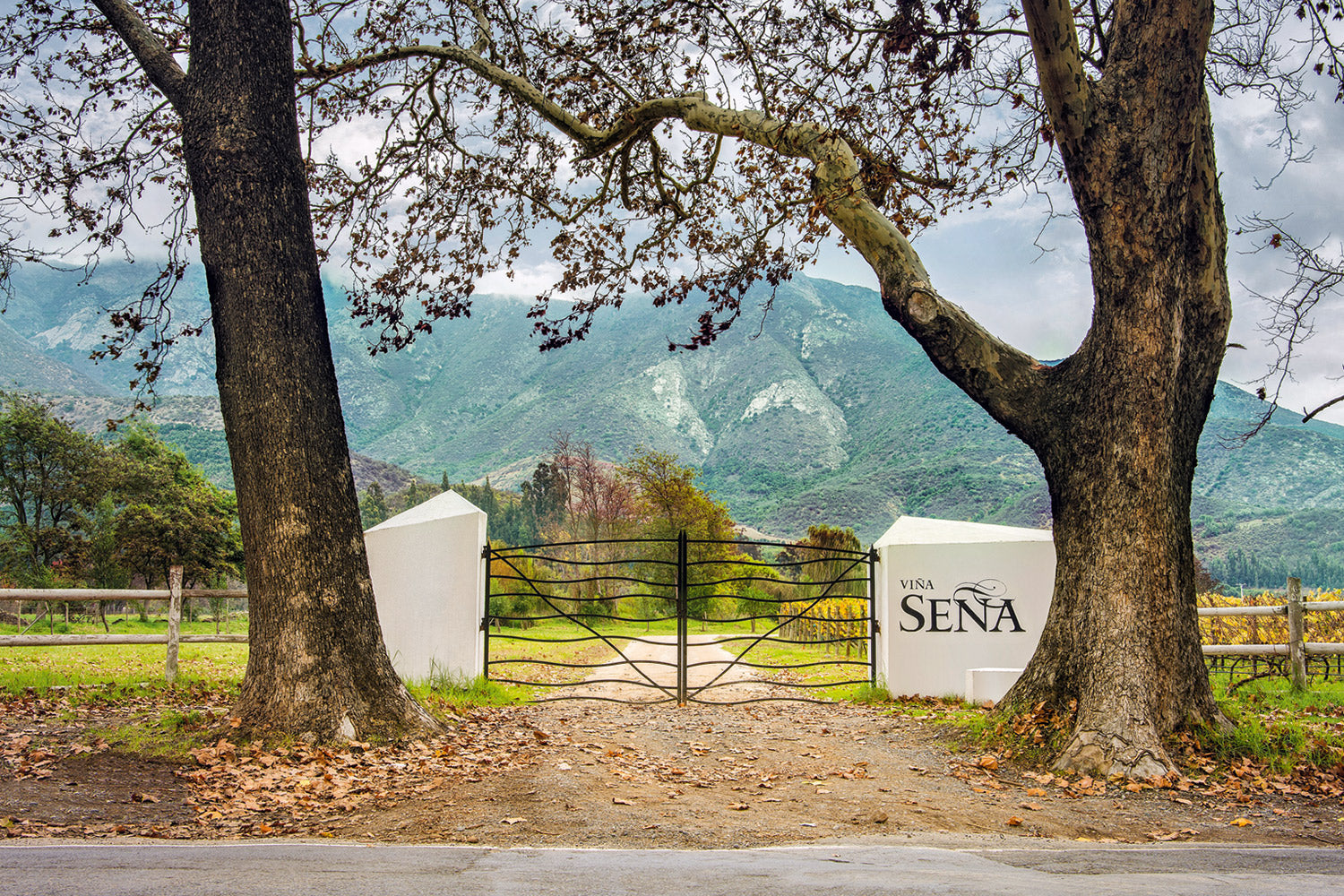
The Seña vineyard sits in the Aconcagua Valley at elevations between 400 and 500 metres above sea level, where the Pacific influence — channelled through the valley from the coast — tempers what would otherwise be a very warm climate. Soils are predominantly clay and loam over rocky subsoils, which deliver excellent water retention during the dry summer and help to moderate vine stress without irrigation. The diurnal temperature variation at this altitude is significant, and it's this that gives the wine its freshness and that characteristic mineral edge alongside the ripeness the valley naturally provides.
The Aconcagua Valley DO runs east to west from the Andes foothills toward the Pacific, taking its name from the Aconcagua River. It is one of Chile's warmer appellations in its upper reaches, but the valley's orientation means coastal air funnels in reliably each afternoon, making it far more nuanced than its latitude suggests. Compared to the Maipo Valley to the south, Aconcagua tends to produce wines with a little more structural tension and aromatic complexity, particularly for Cabernet Sauvignon and Carmenère — the two varieties that have made Seña's reputation.
The 2024 vintage in Aconcagua Valley arrived after a growing season shaped by warm, dry conditions that are increasingly the norm in this sun-baked corridor running east from the Pacific toward the Andes. The valley's natural ventilation — that reliable afternoon wind funnelling in from the coast — kept things honest through the ripening period, moderating what could otherwise have been an uncomfortably hot summer. Water stress was a consideration in some areas, as it has been across much of Chile in recent years, but growers who managed canopy and irrigation well came out ahead. The result was a harvest of concentrated, ripe fruit with good natural structure.
Cabernet Sauvignon, the valley's calling card, performed with the kind of assurance you'd expect from vines that have been finding their feet here for generations — firm tannins, dark fruit, and the mineral edge that distinguishes Aconcagua from the warmer reaches of Maipo. Syrah, increasingly important in the cooler upper reaches, also looks promising. These are wines that reward a couple of years in the cellar but are accessible enough now if you're not the patient type. We'd expect the better reds to drink well until 2030 to 2034.
OUR GROWERS
Seña

