

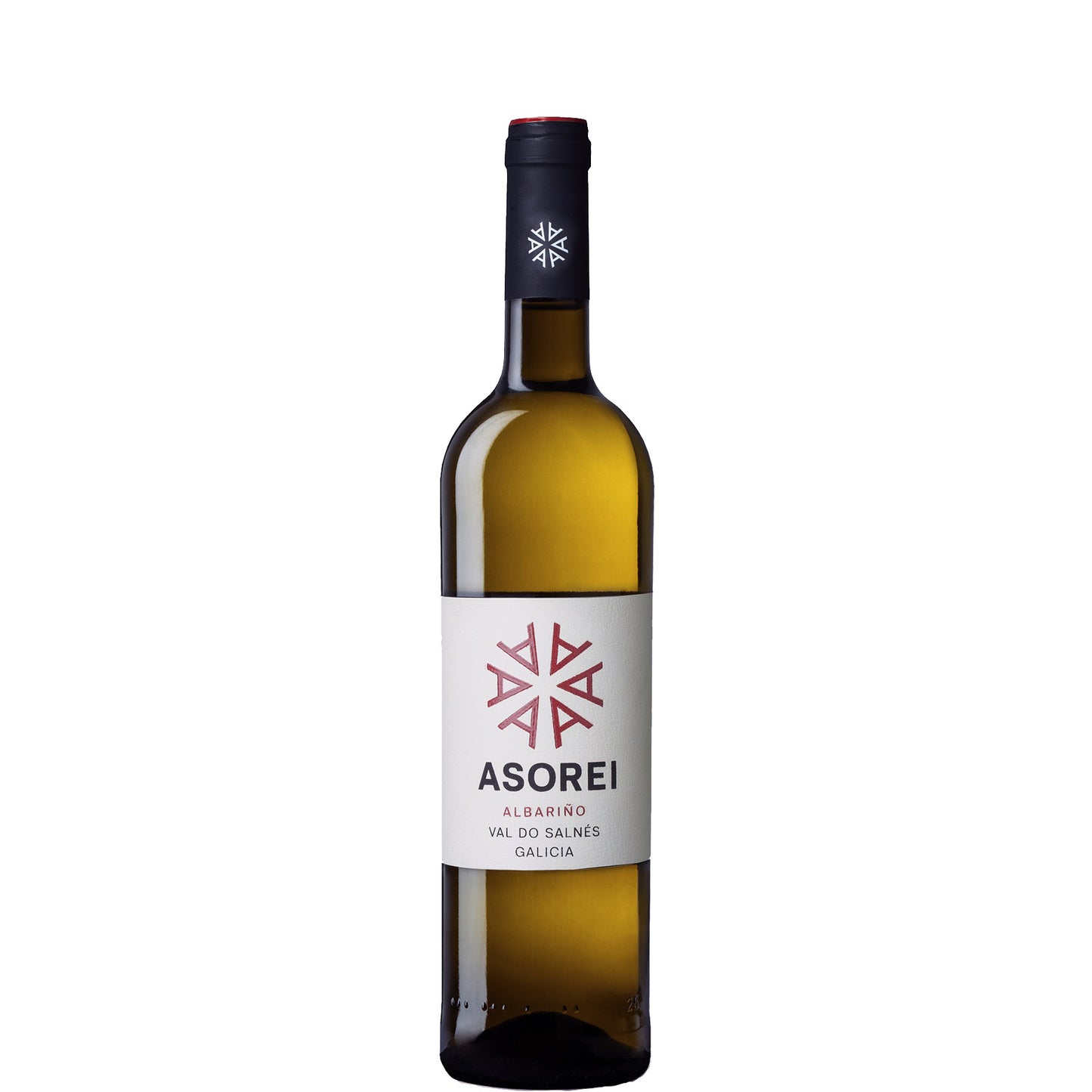
Asorei, Asorei, Albariño, 2025
Asorei, Asorei, Albariño, 2025
- 75cl
- 12.5%
- White Still
- Albariño
Couldn't load pickup availability

Optimal drinking window: 2026 - 2028
Terra De Asorei is one of Rías Baixas's most respected estates, farming Albariño on granite-laced soils close to the Atlantic coast of Galicia. This is the grape in its element: bright, taut, and unmistakably saline, with the kind of freshness that makes you reach for the glass again before you've quite finished the last sip. The 2025 is a youthful, vivacious expression — white peach, lemon curd, and a whisper of almond blossom, all pulled into focus by that characteristic Atlantic acidity.
We find this style endlessly useful at the table and genuinely exciting to drink on its own. It's not a wine that asks for patience — it's asking to be opened now, ideally alongside something from the sea.
The 2025 is in its prime window right now and will remain so for the next year or two. The primary fruit — peach, citrus, almond blossom — is at full intensity and the acidity is vibrant and lifted. By 2027-2028 it will still be enjoyable but the freshness that defines it will begin to soften and the aromatics will lose some of their precision. Albariño at this level is not built for long cellaring; it doesn't develop secondary complexity in the way that, say, a white Burgundy might. Drink it while it's young and singing.
Tasting Notes
AppearancePale straw with faint green highlights and good clarity.
NoseImmediate and bright, with white peach, lemon zest, and almond blossom. There's a cool, briny undercurrent that signals the Atlantic before you've even taken a sip. Clean and precise, with no excess weight.
PalateCrisp and energetic, with the acidity arriving early and staying. White-fleshed stone fruit and citrus pith dominate, with a subtle saline mineral quality running through the mid-palate. Medium-bodied and focused rather than broad.
FinishClean, refreshing, and bracingly long, with a final squeeze of lemon and that characteristic saline grip.
Overall impressionA textbook Rías Baixas Albariño that's vivid, precise, and built entirely for pleasure at the table.
Food Pairings
In Galicia, this is the automatic pairing for pulpo a la gallega — the simply dressed octopus with paprika and olive oil that appears on almost every restaurant table in the region. The locals would also reach for it alongside percebes, the extraordinary barnacles harvested from the wild Atlantic rocks nearby, or a plate of zamburiñas, the small scallops grilled in their shells. Grilled sardines with coarse salt and a wedge of lemon are another natural fit, as is the region's beloved empanada gallega stuffed with salt cod or tuna. The wine's acidity and salinity are made for the iodine richness of Galician seafood.
We think this wine would go well with
Serve well-chilled at 8-10°C — cold enough to preserve the freshness, but not so icy that the aromatic lift disappears. No need to decant; this is a wine for pouring straight from the fridge. A tulip-shaped white wine glass works well, keeping the aromatics focused without letting them dissipate too quickly.
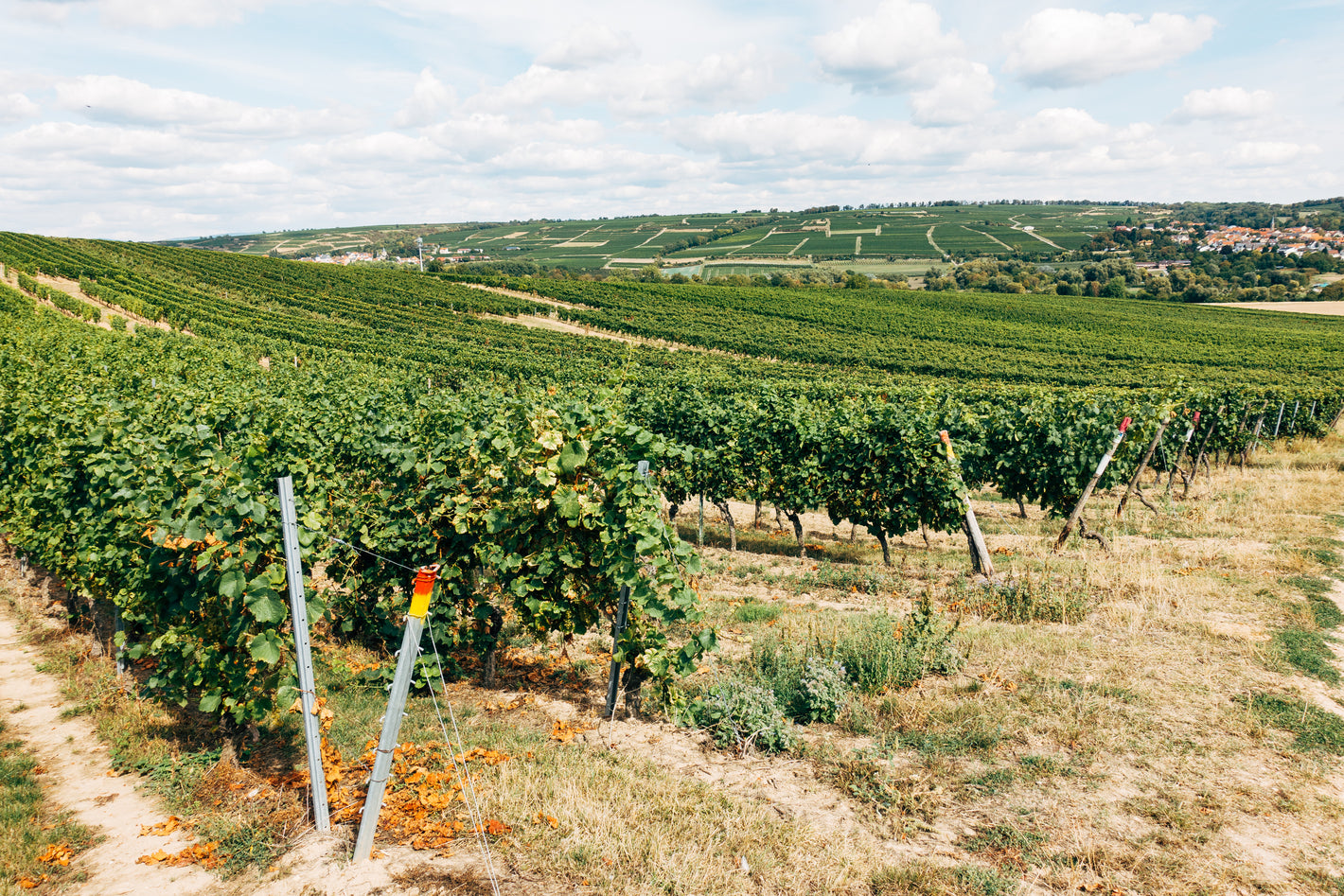
The vineyards sit on the characteristic granite and sandy soils of Val do Salnés, close enough to the Atlantic that the influence is constant — cool breezes moderate summer heat and help preserve the crisp acidity that defines the style. Rainfall is generous here by Spanish standards, which keeps the vines naturally vigorous but demands careful canopy management to avoid rot. The combination of granitic mineral backbone and maritime freshness is what gives Rías Baixas Albariño its distinctive saline lift.
Rías Baixas is Galicia's flagship DO, established in 1988, and almost synonymous with Albariño — the grape accounts for the vast majority of plantings and all of the DO's best-known wines. The appellation covers five subzones along the Atlantic coast of northwest Spain, with Val do Salnés the most prestigious and most planted. Wines here are defined by high natural acidity, aromatic intensity, and a saline mineral quality that sets them apart from the richer, more textural Albariños of Portugal's neighbouring Vinho Verde region.
The 2025 vintage in Rías Baixas is, frankly, too recent for us to speak with any real authority about its final character — harvests in this corner of Galicia typically run into September and October, and with wines still finding their feet in barrel or bottle, firm conclusions would be premature. What we do know is that the region continues to push Albariño into genuinely exciting territory, with producers working harder than ever in the vineyard to manage the Atlantic rainfall that defines — and occasionally torments — this granite-soiled corner of north-west Spain.
We will update this note properly once the wines are in our hands and we have had a proper taste. In the meantime, if you are looking for drinking now pleasure from Rías Baixas, the 2022 and 2023 vintages are where we would point you — both delivered the sort of bright, saline, orchard-fruited Albariño that reminds you why the variety needs no apology anywhere in the world.
FAQs
What does this Albariño taste like?
Think white peach, lemon curd, and almond blossom, all sharpened by a bracing, saline Atlantic freshness. It's crisp and precise rather than rich or broad — the kind of wine that makes you immediately hungry for something from the sea.
When should I drink it?
Now, ideally. The 2025 is at full tilt and will remain so until 2027-2028. Albariño at this level is built for freshness, not extended cellaring, so don't sit on it.
What food works best with this wine?
Seafood is the obvious answer, and the locals in Galicia would tell you the same. Octopus with paprika, grilled sardines, prawns with garlic, oysters, or anything else from the Atlantic. It's also very good with light fish dishes, seafood pasta, or simply a bowl of good olives and a sunny afternoon.
How should I serve it?
Serve it cold — around 8-10°C. No need to decant; open and pour. A standard tulip white wine glass does the job well, keeping those aromatic citrus and stone fruit notes focused.
Is it worth cellaring?
Not really. This is a wine made for freshness and immediacy, and that's precisely what makes it so enjoyable. Keeping it beyond 2028 risks losing the vivid acidity and aromatic precision that define it. Drink it young and move on to the next vintage.
How does this compare to other Albariños?
Rías Baixas Albariño tends to be crisper, more saline, and more mineral than its Portuguese neighbour Vinho Verde, which can lean richer and rounder. Within Rías Baixas, Terra De Asorei's Asorei bottling sits firmly in the precise, Atlantic-driven camp — clean, focused, and honest about what the grape does best in Val do Salnés.

Explore related wines


What are you looking for tonight? Tell me the occasion, a grape, a region — or just try a suggestion below.
Your recommendations will appear here.
-
-
Speak to one of our Wine Gurus
Speak to a Wine GuruWith years of experience, our team can help you with all your wine buying and selling needs