

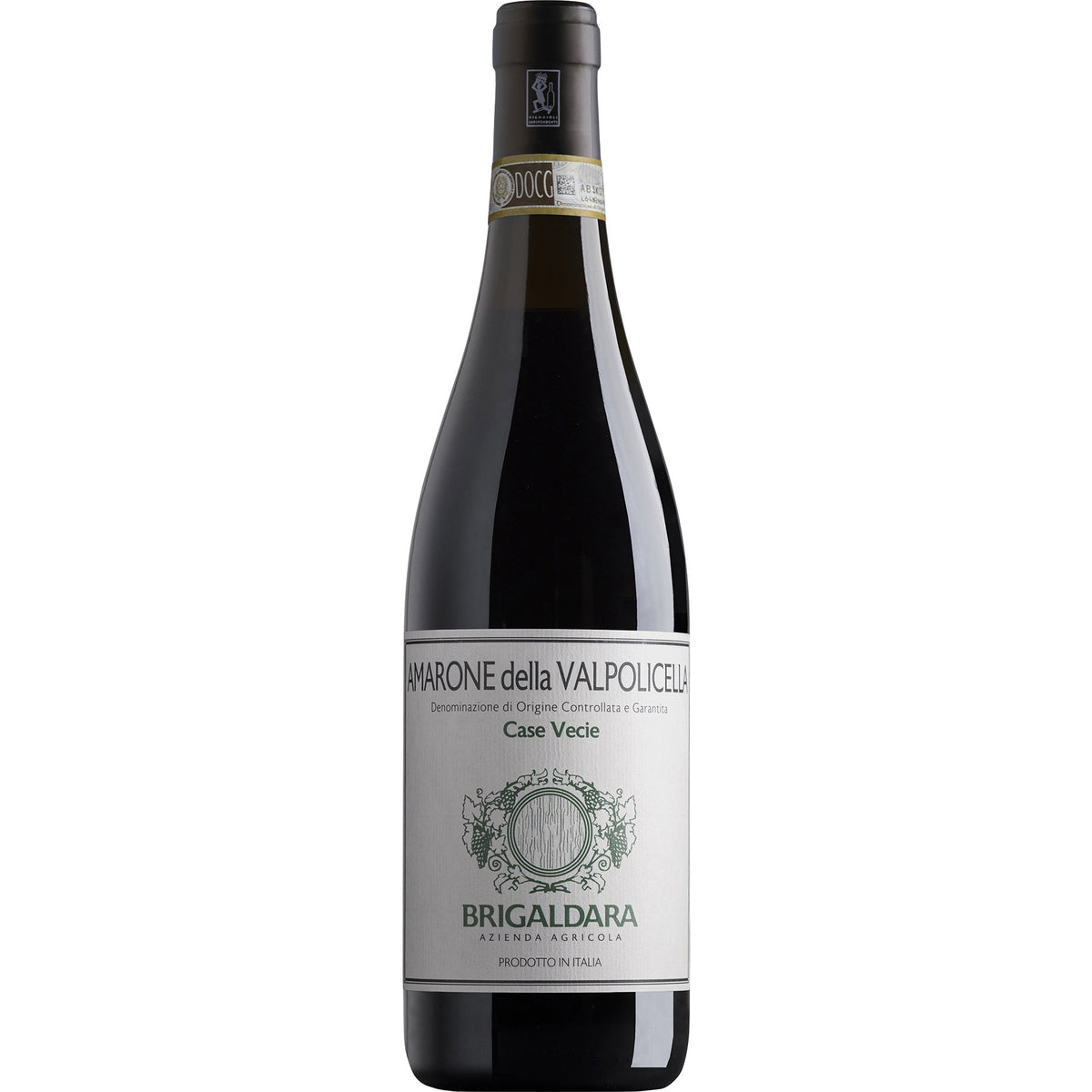
Brigaldara, Case Vecie, Amarone della Valpolicella, 2012 - Magnum
Brigaldara, Case Vecie, Amarone della Valpolicella, 2012 - Magnum
- 150cl
- 16.5%
- Red Still
- Corvina, Rondinella, Corvinone
Couldn't load pickup availability

Optimal drinking window: 2026 - 2040
Brigaldara's Case Vecie is Amarone from the estate's oldest vines, planted in 1936, and it shows a seriousness that the broader Amarone category sometimes forgets to bring. This is a wine built on patience: grapes dried for around 120 days in the fruttaio before fermentation, giving concentration without the jammy heaviness that gives Amarone a bad name in the wrong hands. In magnum, that concentration gets another layer of slow, graceful ageing, the larger format acting like a gentler clock on the wine's development.
Expect dried cherry, fig, leather and bitter chocolate, with a savoury, almost meaty undertow that keeps the richness honest rather than cloying. The tannins are firm but ripe, the alcohol warming without being hot, and the finish lingers with a bittersweet, almost amaro-like twist. Drink it with something slow-cooked and rich.
What the critics say:
"The Brigaldara 2012 Amarone della Valpolicella Case Vecie (a traditional blend of 55% Corvina, 25% Corvinone and 20% Rondinella) comes from a warm vintage that saw hot, drying winds for most of the summer season. Those scorching weather conditions have further contributed to the richness and concentration of the fruit you get here. After harvest, the grapes are laid out to dry for 120 days, and during that process, they lose up to one-third of their water mass, tightening and further concentrating that distinctive richness. After the grapes are destemmed, pressed and fermented, the wine goes into French barrique for two years, followed by an additional two years to refine in large oak casks. Dried blackberry and plum segue to spice, smoke and tar. The wine is soft in terms of mouthfeel, with impressive textural richness. Some 15,000 bottles were released."
"Bright, sparkling ruby red. A very fine and expressive nose of ripe wild strawberries and rosehips, with a hint of mint chocolate on the finish. On the palate, red fruit is carried by wonderful juiciness, clearly saline, delicate and elegant, with a firm structure, a fine interplay of flavors, and a long finish."
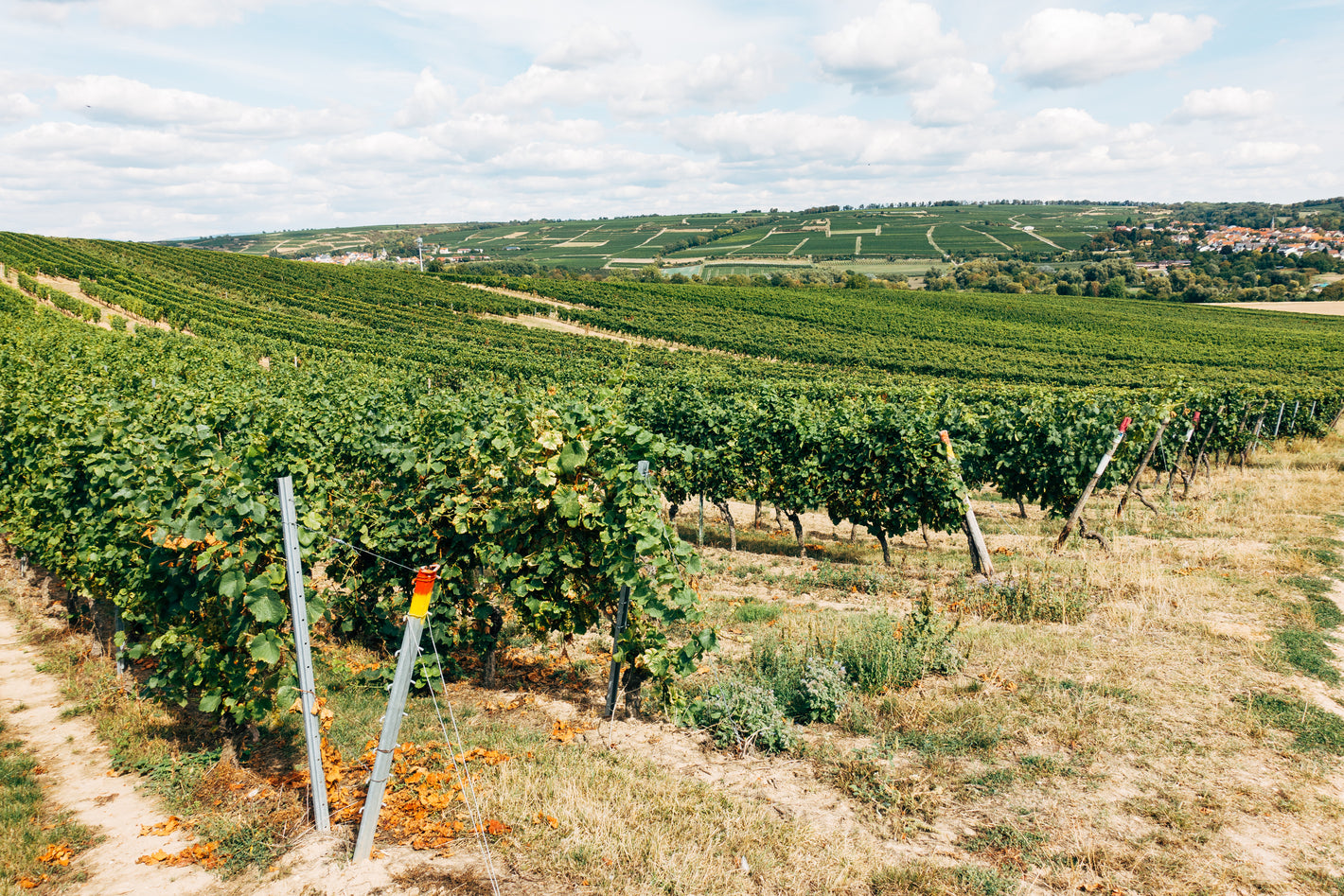
The Case Vecie vineyard sits on the hillsides of Negrar in the Valpolicella Classico zone, on calcareous clay soils that drain well and keep vigour in check. Altitude and the cooling influence of the Lessini pre-Alps help preserve acidity even as the grapes are dried to high sugar concentrations. The old vines, now close to ninety years old, yield small, intensely flavoured berries that give the wine its depth and structure.
Amarone della Valpolicella DOCG requires grapes, principally Corvina, Rondinella and sometimes Molinara, to be partially dried before fermentation, concentrating sugars and flavour into a dry, high-alcohol red. The Classico zone around Negrar, Fumane and Sant'Ambrogio is considered the historic heartland, generally producing wines with more structure and less overt sweetness than those from the wider Valpolicella area. Brigaldara's Negrar vineyards sit firmly within this traditional core.
2012 in Veneto was a year that kept growers on their toes rather than lulling them into complacency. A hot, dry summer concentrated sugars and thickened skins, which spelled trouble for anyone picking too early but rewarded patience. Hail hit pockets of the region hard, Valpolicella included, trimming yields in places to a fraction of normal. For Amarone producers this was no bad thing in the end: smaller berries, thicker skins, and the kind of careful selection that appassimento demands anyway meant the fruit that did make it into the fruttai had real intensity to work with.
What emerged was a vintage with grip and structure rather than generous, sunny charm. Corvina and Rondinella held onto good acidity despite the heat, giving Valpolicella Superiore and Amarone wines backbone rather than flab, while Soave producers found Garganega handled the dry conditions with its usual stubborn resilience. These are not wines that charmed out of the gate, more ones that needed time to soften their tannic edges. A decade on, the better Amarones are now hitting their stride, and we'd say most are drinking well now through to 2028, with the structured examples still having room to run.


-
-
Speak to one of our Wine Gurus
Speak to a Wine GuruWith years of experience, our team can help you with all your wine buying and selling needs