

Château Brane-Cantenac, La Baron De Brane, 2020 - Magnum
Château Brane-Cantenac, La Baron De Brane, 2020 - Magnum
- 150cl
- 14%
- Red Still
- Cabernet Sauvignon, Merlot
Couldn't load pickup availability

Optimal drinking window: Now - 2036
Baron de Brane is the second wine of Château Brane-Cantenac, a second growth château owned by Henri Lurton and one of the oldest and largest properties in Margaux. It's crafted with an emphasis on approachability while still reflecting the elegance and structure of the grand vin, offering both complexity and early drinkability due to its balanced fruit and refined tannins.
On the palate, this wine is smooth and rounded, with soft tannins and moderate acidity. It presents flavours of red and dark berries, along with touches of plum and blackcurrant, layered with a slight earthy, mineral undertone characteristic of Margaux. The finish is elegant, with lingering notes of fruit and a hint of graphite.
Right now the 2020 is in a flattering, exuberant phase, all dark fruit and floral top notes with tannins already well-integrated. Over the next two to three years expect the mocha and leather tones to deepen, adding a savoury dimension to the primary fruit. By the early 2030s it should reach a graceful plateau where fruit and earthy complexity sit in balance, and the magnum format should help it hold that plateau for longer than a standard bottle. We'd expect it to still be drinking well, rather than simply surviving, out towards 2036.
What the critics say:
"The 2020 Baron de Brane is a heady, exuberant wine. Dark red/purplish fruit, mocha, chocolate, lavender, spice and new leather are all beautifully delineated. Fine tannins, lifted aromatics and succulent fruit are all very nicely balanced. The 2020 is quite flashy yet retains a good bit of energy, too, with floral top notes that lift the finish nicely. It's a gorgeous second wine from Henri Lurton and Brane-Cantenac."
"An exceptionally good second wine, succulent black cherry and damson fruit, easy to approach with vibrant mint notes and silky, well-textured tannins, 15% new oak. Good density."
Tasting Notes
AppearanceDeep garnet with a bright, youthful rim.
NoseBlack cherry and damson plum lead, with mocha, a touch of leather and a cooling streak of mint. There's a floral lift, lavender-like, that keeps things buoyant rather than brooding.
PalateSmooth and well-fleshed, with silky, well-dressed tannins and moderate acidity that keeps it dancing rather than sitting still. Dark fruit and plum carry through, layered with a faint earthy, graphite minerality typical of the gravel soils here.
FinishLong and elegant, fruit and graphite lingering together.
Overall impressionA flashy, generous Margaux second wine that still knows how to hold itself together.
Food Pairings
In Margaux, this is the wine you'd pour alongside a roast leg of lamb studded with garlic, or a simple entrecôte with shallot butter, the kind of unfussy bistro fare that lets the wine's perfume do the talking. Local cooks might reach for duck breast with a dark cherry jus, echoing those plum and cherry notes in the glass. Equally at home with a plate of Pyrenees cheeses, particularly a firm sheep's milk variety, which plays beautifully against the silky tannins.
We think this wine would go well with
Serve at 17-18°C, slightly cooler than room temperature to keep that floral lift intact. Decant for 30-45 minutes to let the mocha and leather notes open up without losing the wine's lively edge. A classic Bordeaux glass with a generous bowl will do it justice, especially given the extra bottle age this magnum format naturally encourages.
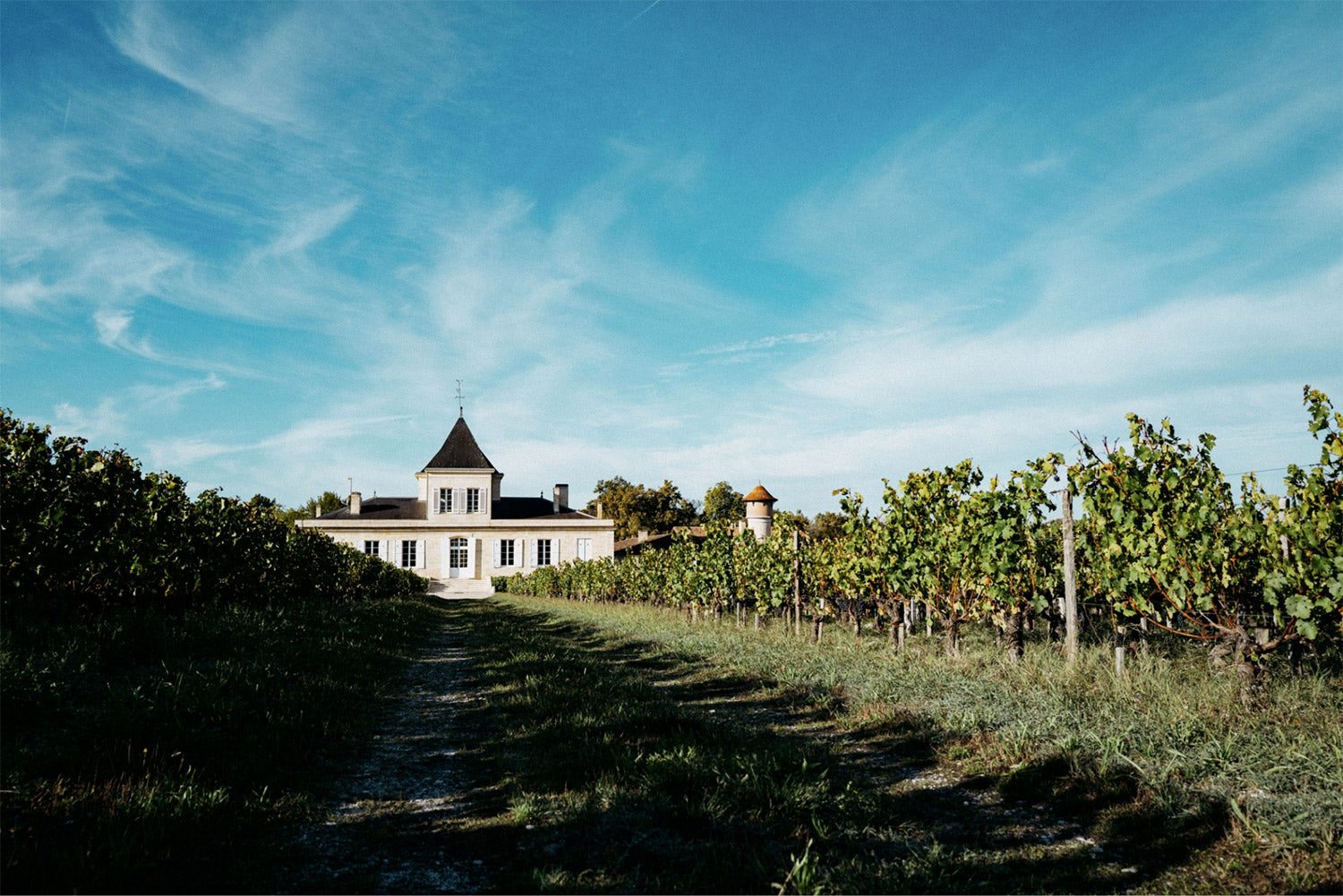
The vineyards sit on the famous Margaux gravel mounds, deep beds of quartz-rich gravel over clay and limestone that drain quickly and force the vines to dig deep for what they need. This free-draining, low-fertility ground is exactly what gives Margaux wines their characteristic lift and perfume rather than sheer weight. The relatively high gravel content here, among the deepest in the appellation, lends real structure even to the second wine.
Margaux is the most expansive and arguably the most perfumed of the Médoc's great communes, its wines traditionally prized for finesse over force. It sits apart from neighbours like Pauillac and Saint-Julien through its lighter, more aromatic register, a reputation that can mislead drinkers into underestimating its capacity to age. Brane-Cantenac's holdings are among the appellation's oldest and largest, giving it a broad palette of soils to draw from each vintage.
The 2020 Bordeaux vintage began with one of the wettest winters on record, followed by a scorching summer that nearly broke temperature records across the region. What could have been a disaster became salvation: those deep winter water reserves carried the vines through the heat, while the dry conditions from July onwards concentrated flavours beautifully. The harvest started early and moved quickly, with most châteaux picking under ideal September skies.
We find 2020 Bordeaux surprisingly charming for such a hot year - the wines show ripe, generous fruit without the baked character you might expect. The Merlot-based Right Bank wines are particularly successful, displaying plush damson and blackberry flavours with enough freshness to keep them lively. Cabernet Sauvignon on the Left Bank delivers power and concentration, though some properties struggled more than others with the heat. Most 2020s are drinking beautifully now - this isn't a vintage that demands decades of patience, and we rather like that about it.
FAQs
What does this wine taste like?
Succulent black cherry and plum with silky tannins, a mint-like lift and a faint graphite minerality on the finish.
When should I drink this wine?
It's drinking well now and will continue to reward until around 2036, with the magnum format helping it age gracefully for longer.
What food should I pair it with?
Roast lamb, duck breast with cherry jus, or a firm sheep's milk cheese all suit its fruit and texture well.
How should I serve it?
Serve at 17-18°C, decanted for 30-45 minutes, in a classic Bordeaux glass.
Is this wine worth cellaring?
Yes, though it's built for earlier drinking than the grand vin, the magnum format gives it real staying power into the mid-2030s.
How does this differ from the grand vin?
Baron de Brane shares the elegance and gravel-driven minerality of Château Brane-Cantenac but with softer tannins and earlier approachability.

OUR GROWERS
Château Brane-Cantenac
Explore related wines


What are you looking for tonight? Tell me the occasion, a grape, a region — or just try a suggestion below.
Your recommendations will appear here.
-
-
Speak to one of our Wine Gurus
Speak to a Wine GuruWith years of experience, our team can help you with all your wine buying and selling needs